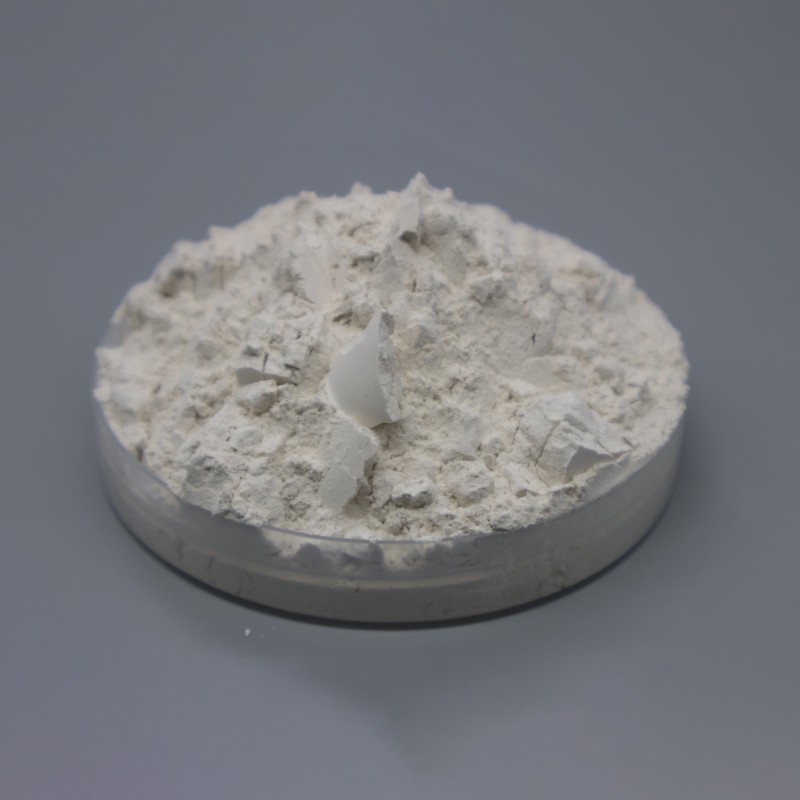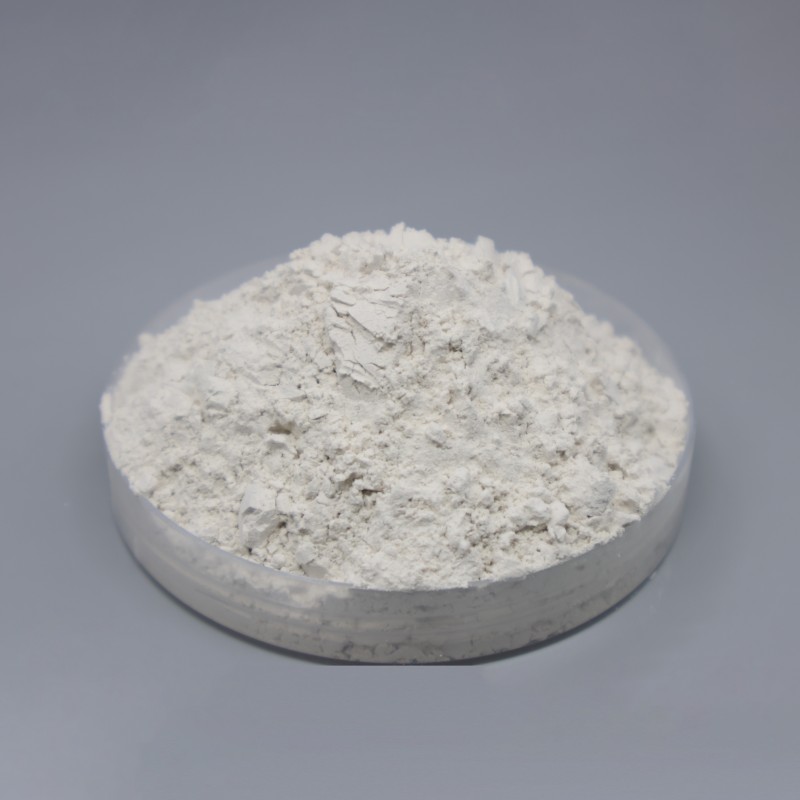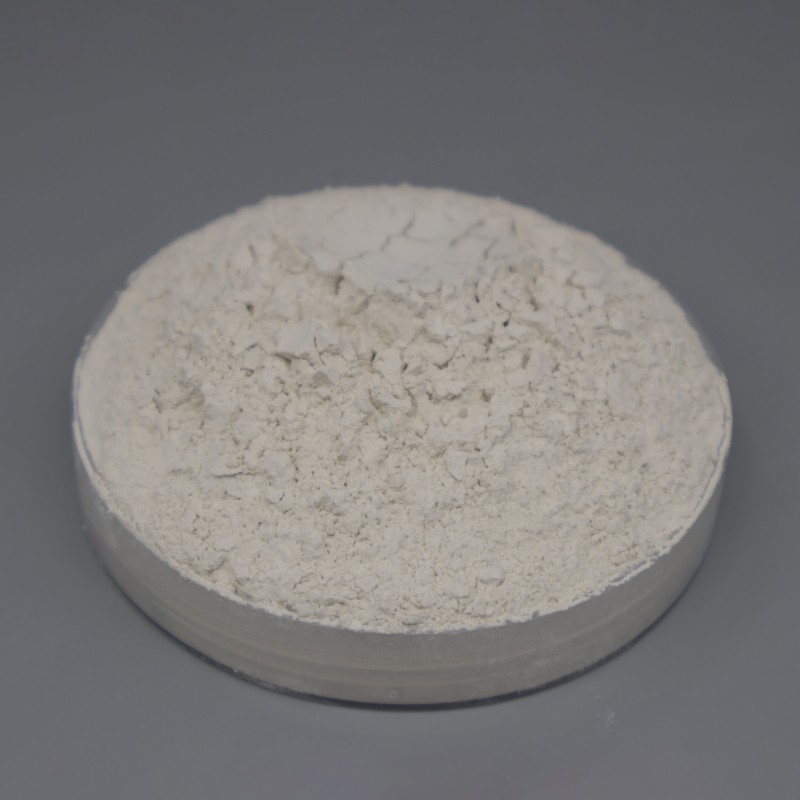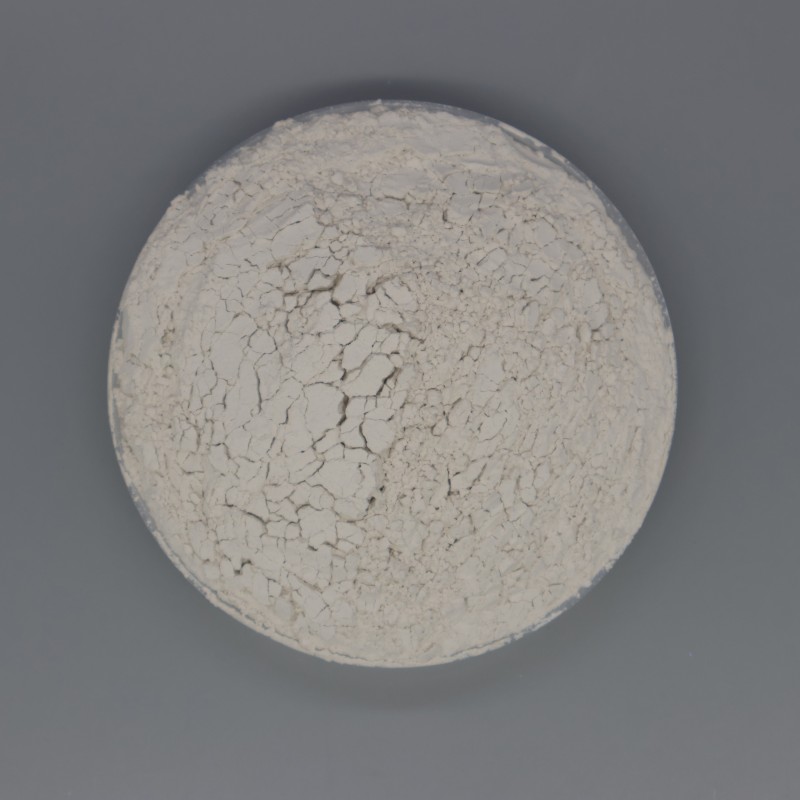
ApplicationsBentonite for Drilling Mud
High-swelling bentonite solutions for viscosity building, cuttings suspension, borehole stability and API-related drilling fluid performance.
- Viscosity
- Swelling
- Fluid Loss
- API-Related Indicators
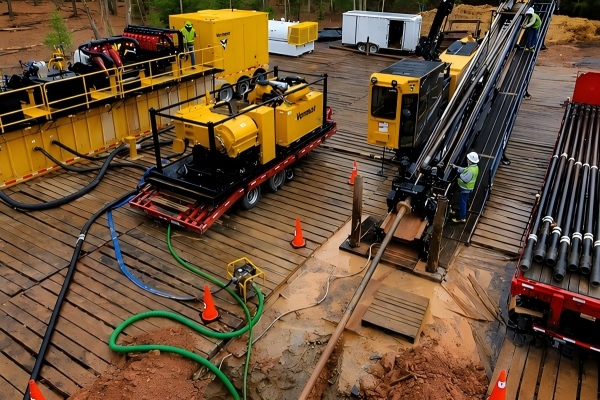
Insufficient viscosity reduces cuttings carrying capacity and may cause poor hole cleaning. High-swelling sodium bentonite helps build stable rheology in fresh-water mud systems.
Drilling fluids must keep drilled solids suspended during circulation pauses. Proper bentonite hydration supports gel structure and suspension performance.
Unstable formations may collapse or wash out. Bentonite contributes to wall support and filter cake formation when used in a correctly designed mud program.
Excessive filtrate can weaken formation stability. Fine, well-hydrated bentonite helps build a compact filter cake and reduce fluid invasion.
Variable swelling, moisture or particle size can cause unstable mud performance. Controlled grade selection helps improve batch-to-batch consistency.
Many buyers request API-related data such as 600 rpm reading, YP/PV ratio, fluid loss, residue and moisture. These indicators should be confirmed by product testing.
Sodium bentonite hydrates and expands in water, creating a dispersed clay structure that supports mud viscosity.
Hydrated platelets help build carrying capacity, gel strength and suspension behavior needed for drilling operations.
Fine bentonite particles can form a low-permeability filter cake, supporting borehole stability and fluid-loss control.
● Supports water-based mud viscosity
● Helps improve hole cleaning
● Useful as a primary viscosifier in fresh-water systems
● High swelling capacity supports efficient mud building
● Improves hydration and dispersion behavior
● Helps reduce excessive dosage when grade is properly selected
● Contributes to thin filter cake formation
● Helps limit filtrate invasion
● Supports formation protection in suitable mud programs
● 600 rpm dial reading can be checked
● YP/PV ratio, filtrate volume and residue can be evaluated
● COA and test data can be provided according to order requirements
A sodium bentonite powder designed for drilling mud users who need viscosity, swelling, fluid-loss support and API-related quality checks. Final compliance should be confirmed by test report and order specification.
Recommended use:Oil and gas drilling, water-based mud systems, water well drilling, drilling fluid production.
A high-swelling bentonite grade for customers looking for stronger mud yield and fast hydration performance in suitable fresh-water systems.
Recommended use: HDD mud, civil drilling, water well drilling, slurry preparation, mud contractor supply.
Bentonite powder selected for horizontal directional drilling where lubrication, borehole support, cuttings transport and predictable mixing behavior are important.
Recommended use: HDD projects, utility crossing, pipeline installation, cable laying and trenchless engineering.
Customized particle size, moisture, swelling index, packaging and documentation can be arranged according to customer application and import requirements.
Recommended use:Private-label drilling fluid suppliers, local distributors, project tenders and export orders.
Typically 200 mesh / 75 micron controlled powder; wet sieve residue and oversized particles should be checked for drilling use.
Important API-related rheology indicator used to evaluate mud viscosity after bentonite hydration.
Helps evaluate the balance between yield point and plastic viscosity; used to assess suspension and flow behavior.
Used to evaluate fluid-loss control and filter cake quality in drilling mud performance testing.
Swelling index, hydration speed, gel strength and dispersion behavior help determine field mud-building efficiency.
Moisture, pH, residue over 75 micron, methylene blue value / montmorillonite level, bulk density, color and packaging stability.
Bentonite is used in water-based mud systems to build viscosity, support hole cleaning and contribute to fluid-loss control in suitable formations.
HDD mud requires lubrication, suspension and borehole support. High-yield bentonite helps build a stable slurry for trenchless construction.
Drilling bentonite can improve borehole stability, carry cuttings and support mud circulation during water well construction.
Bentonite slurry is used in selected piling, diaphragm wall, tunneling and geotechnical applications where suspension and wall support are required.