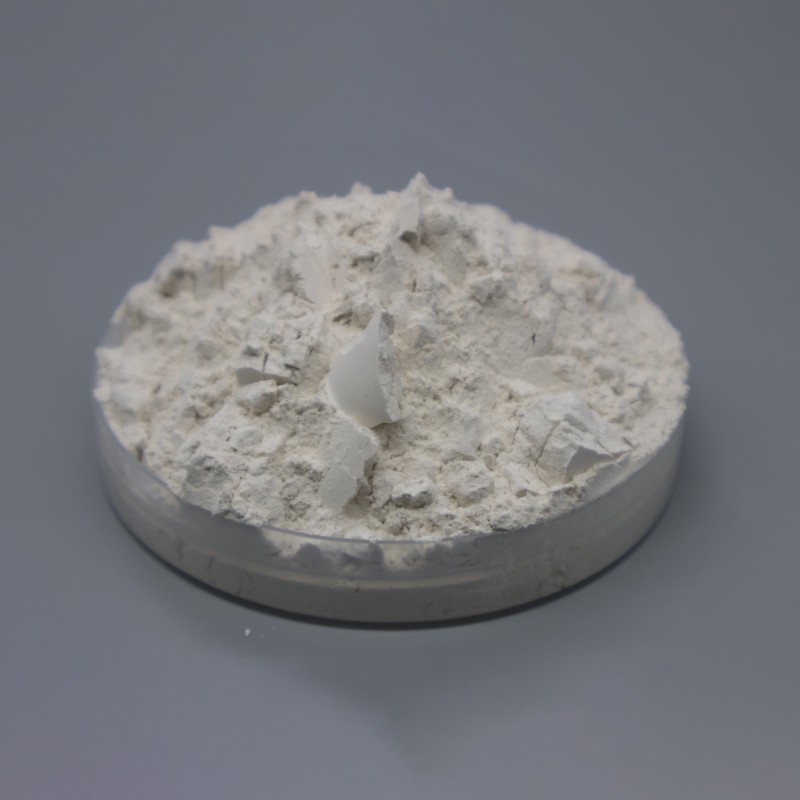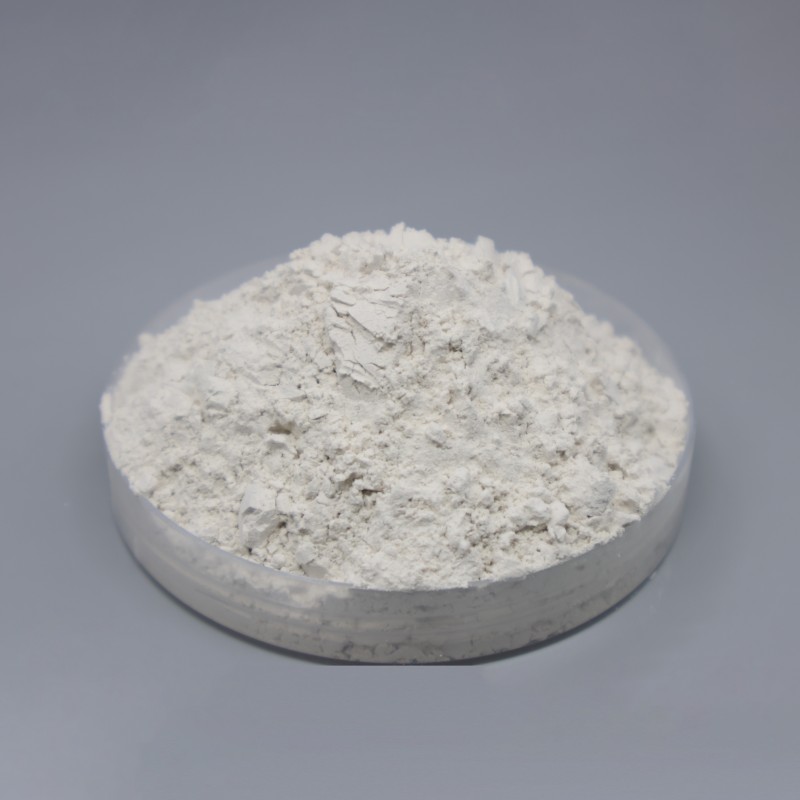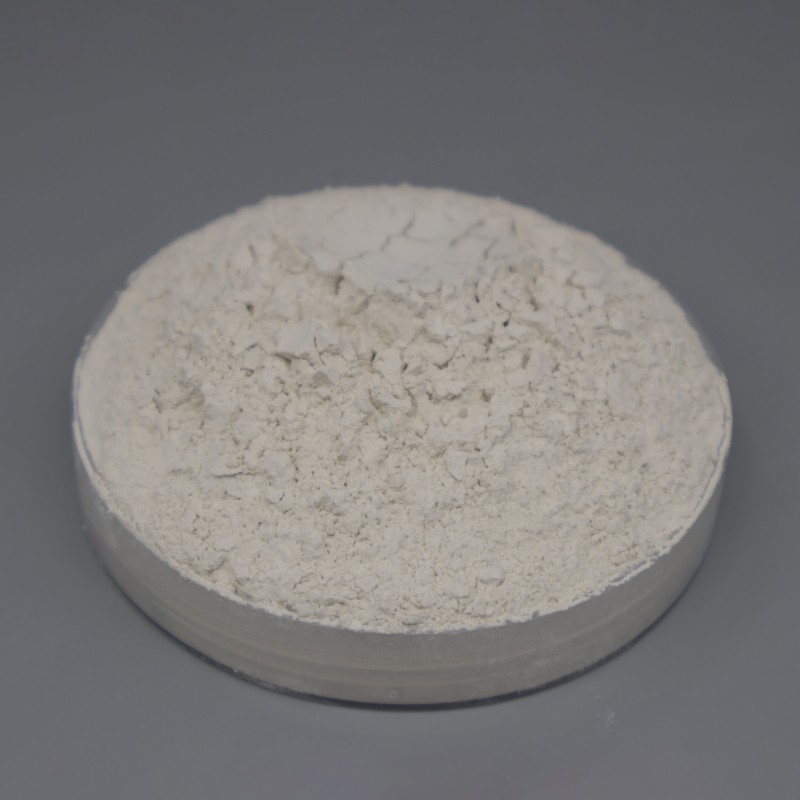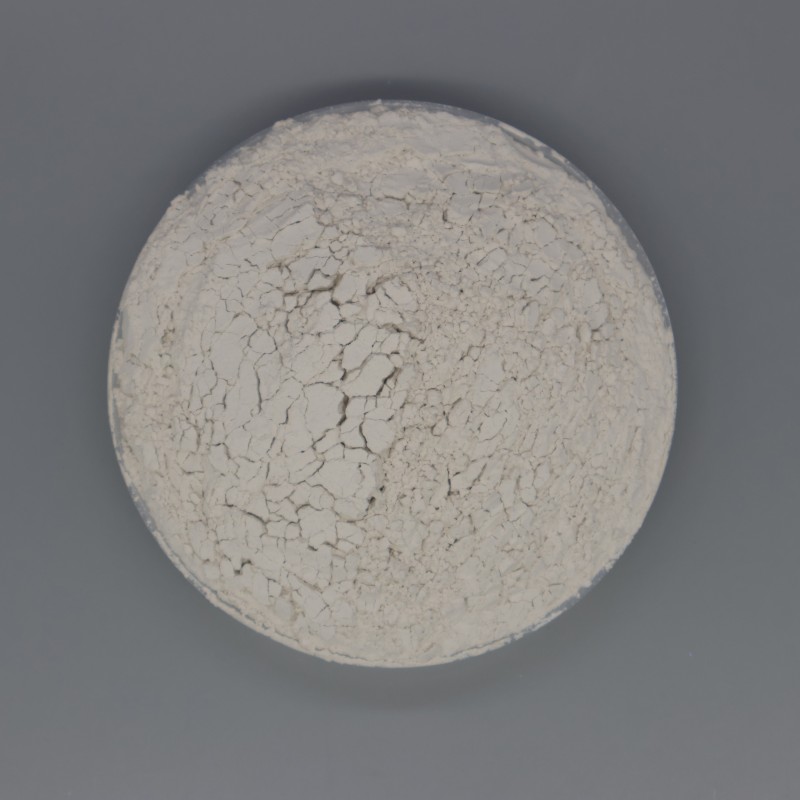
ApplicationsBentonite for Foundry
Foundry bentonite binder solutions for green sand molding, mold strength, plasticity, sand stability and casting process consistency.
- Green Sand Binder
- Mold Strength
- Plasticity
- Casting Stability
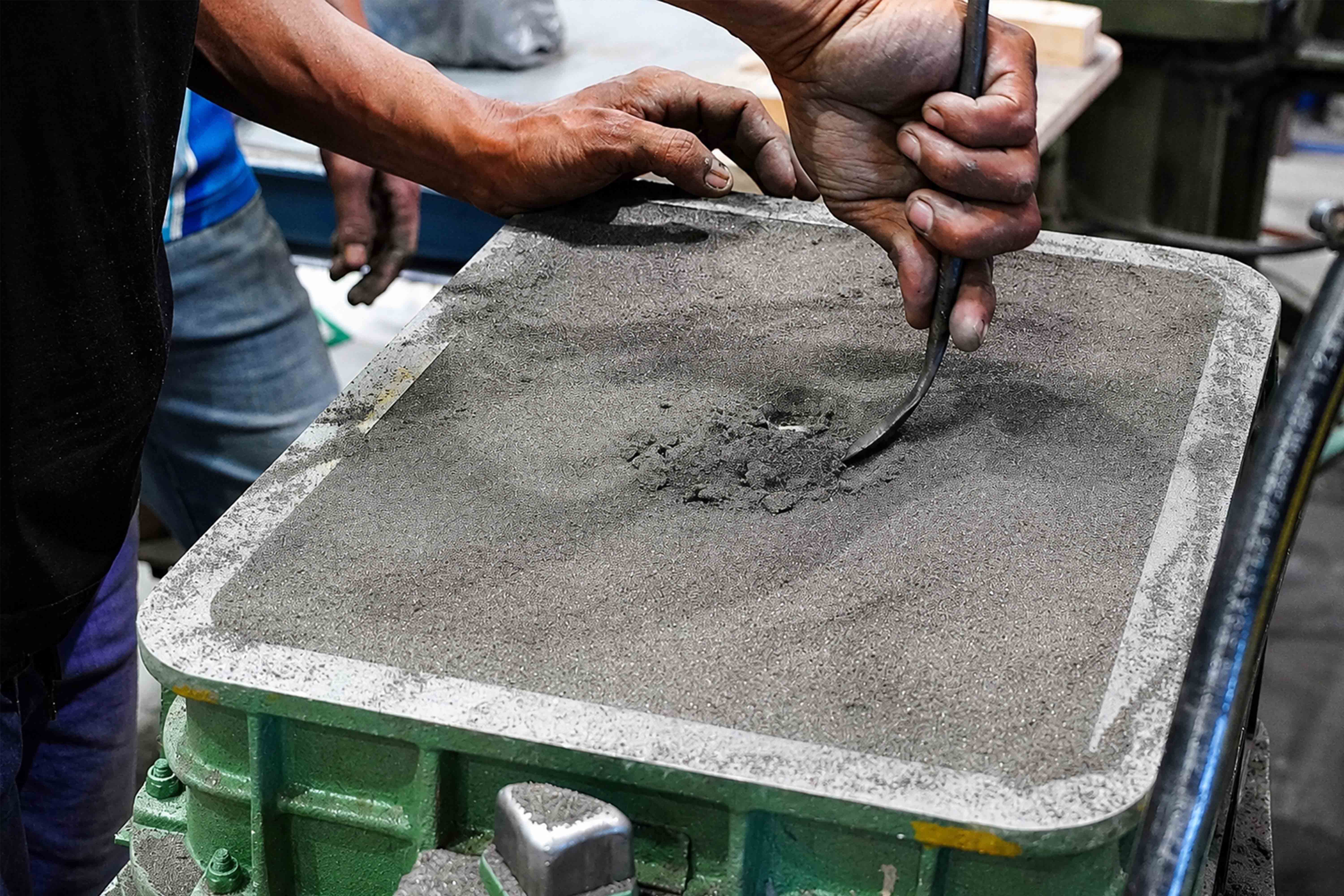
Insufficient bonding can cause mold breakage, poor edges and unstable mold handling. A suitable foundry bentonite helps build green compressive strength and molding stability.
If sand is difficult to compact or lacks plastic deformation, mold quality becomes inconsistent. Hydrated bentonite improves workability and shape retention.
Scabbing, erosion, sand inclusion and surface defects may be linked to weak molds or unstable sand control. Binder consistency helps reduce process variation.
During pouring, the mold must resist thermal shock and metal pressure. Bentonite selection should consider thermal stability and hot wet tensile behavior.
Green sand is normally recycled. Bentonite durability, dead clay level and addition control affect sand system stability after repeated casting cycles.
Moisture, particle size, methylene blue value and swelling behavior influence sand test results. Controlled grades support predictable foundry operation.
Bentonite hydrates with controlled water addition and coats silica sand surfaces to form a bonding film.
The hydrated clay network gives the sand mixture plasticity, compactability and green mold strength.
Proper grade selection helps the mold maintain strength during pouring and supports stable casting results.
● Supports green compressive strength
● Helps improve mold handling and edge stability
● Supports consistent molding performance
● Improves sand workability during molding
● Helps achieve stable compactability window
● Supports better mold shape retention
● Contributes to hot strength behavior
● Helps the mold resist pouring stress
● Useful for iron and non-ferrous casting systems
● Controlled fineness and moisture improve repeatability
● Supports recycled sand control
● Helps reduce excessive binder correction on site
A foundry bentonite grade selected for green sand systems requiring strong bonding, plasticity and stable mold handling performance.
Recommended use:Green sand molding, iron casting, ductile iron casting, non-ferrous casting and automatic molding lines.
An activated bentonite option for customers looking for improved swelling, bonding response and stable sand mixing behavior.
Recommended use: Foundry sand plants, casting workshops, sand reclamation systems and binder formulation.
A grade focused on better hot performance and stability during pouring, suitable for customers who monitor hot wet tensile strength and defect control.
Recommended use: Cast iron, steel-related casting systems, thicker sections and molds exposed to higher thermal stress.
Customized particle size, moisture, methylene blue value, package size and test documentation can be arranged according to foundry sand system needs.
Recommended use: Private-label binder suppliers, regional foundry distributors, casting plants and export orders.
Typically 200 mesh / 75 micron controlled powder; oversize residue should be limited for consistent sand mixing and dispersion.
Used to estimate active clay / montmorillonite contribution and binder effectiveness in foundry sand systems.
Key sand performance indicator for mold handling, compaction and edge stability before pouring.
Important for evaluating mold resistance around the moisture condensation zone during pouring.
Moisture, swelling volume and hydration response affect dosage, mixing behavior and sand test repeatability.
pH, loss on ignition, bulk density, color, sieve residue, thermal durability and customer-specific sand test data.
Used as the main binder in clay-bonded green sand systems to build plasticity and green mold strength.
Stable bentonite quality helps maintain compactability, mold strength and repeatable performance in high-output molding lines.
Suitable bentonite grades support mold stability and defect control in common ferrous casting applications.
Controlled active clay behavior helps foundries manage binder addition, moisture correction and sand reuse stability.