ApplicationsBentonite for Wastewater Treatment
Bentonite mineral solutions for adsorption, flocculation support, turbidity reduction and sludge conditioning in industrial wastewater systems.
- Adsorption Support
- Flocculation Aid
- Turbidity Control
- Sludge Conditioning
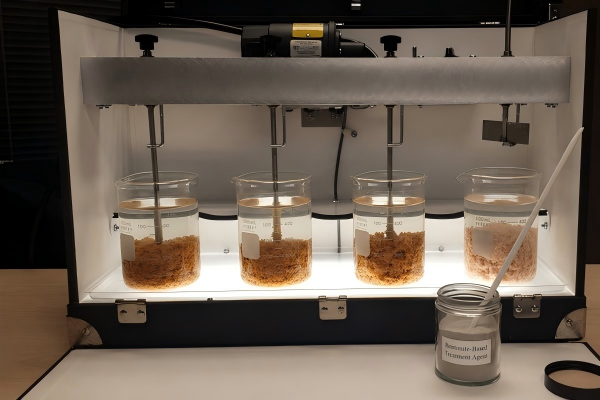
Fine suspended solids, colloids and color bodies may remain difficult to settle. Bentonite can help capture particles and improve settling when used with suitable coagulants or flocculants.
Wastewater systems often vary in pH, salinity and organic load. Controlled bentonite fineness and dispersion help create a more stable mineral surface for floc development.
Textile, printing, ceramic and industrial process water may contain color, organic residues or ionic impurities. Bentonite can provide adsorption support, especially when grade and activation are matched to the target contaminant.
Some wastewater streams require mineral adsorption or immobilization support. Bentonite may help in selected systems, but performance must be confirmed by lab testing and local discharge standards.
Light or loose sludge can increase treatment cost. Bentonite may support sludge conditioning, improve solids capture and help build denser flocs in suitable systems.
Treatment plants often need a stable, scalable and cost-effective mineral additive. Bentonite provides a practical option for pre-treatment, polishing and composite media applications.
Layered clay particles provide surface area and charge sites that can help adsorb selected color bodies, organics or ions.
Bentonite can act as a mineral skeleton in flocs, helping capture fine suspended solids and improve settling behavior.
The mineral component may increase solids capture and support a more manageable sludge structure before filtration or dewatering.
● Helps capture fine particles and colloids
● Supports settling and clarification performance
● Can be used in pre-treatment or polishing stages
● Provides clay-mineral surface for selected contaminants
● Useful for dye, pigment, ceramic slurry or process-water trials
● Can be combined with activated or modified systems when required
● May help build denser mineral-containing flocs
● Supports sludge conditioning before filtration or dewatering
● Can reduce loose suspended fines in suitable systems
● Available as fine powder or granular carrier
● Can be blended with other mineral media or treatment agents
● Supports customized particle size, moisture and packaging requirements
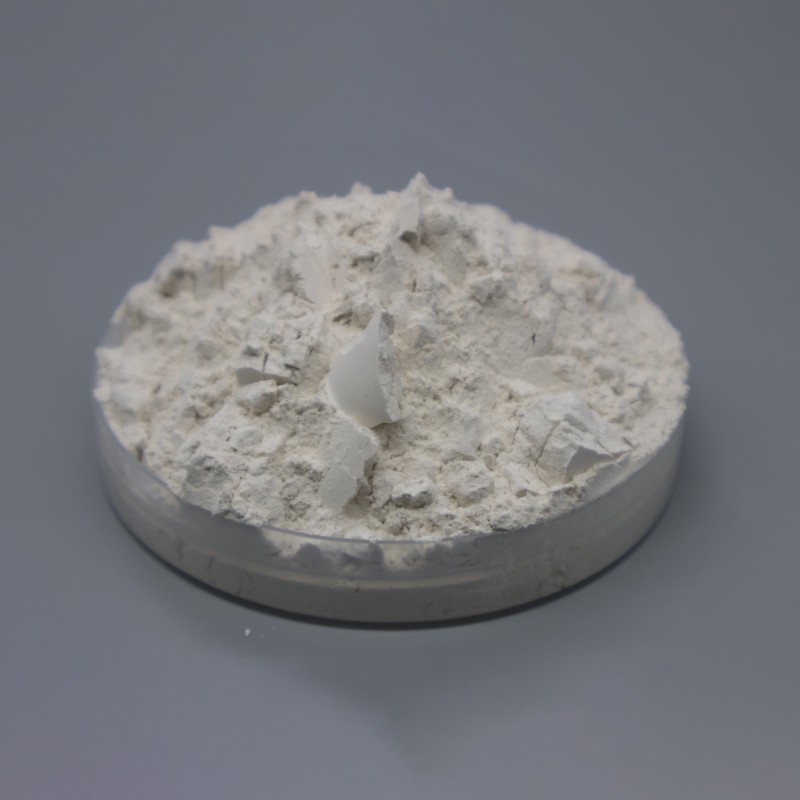
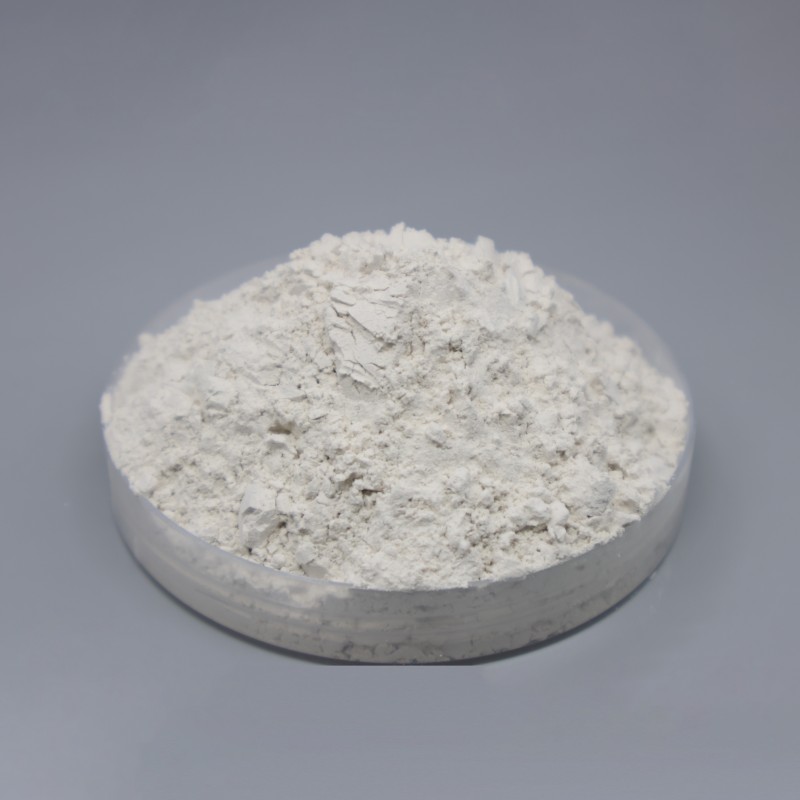
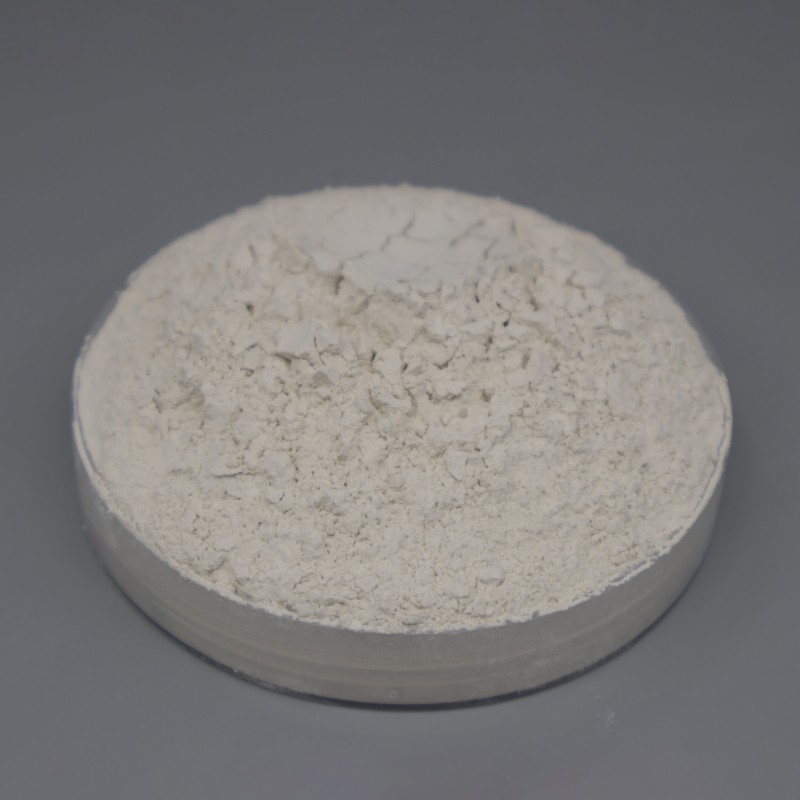
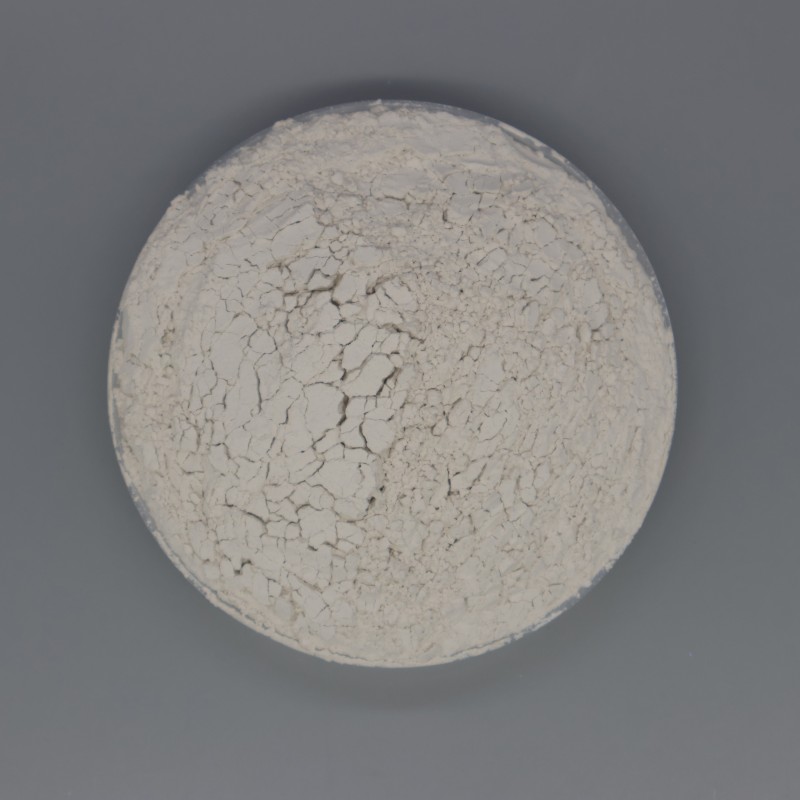
Fine bentonite powder for industrial wastewater applications where dispersion, adsorption support and suspended-solid capture are required.
Recommended use: Jar testing, industrial wastewater pre-treatment, dye wastewater, ceramic wastewater, paper-process wastewater and mineral slurry treatment.
Sodium bentonite option for systems requiring stronger hydration, swelling and viscosity-related behavior in the treatment process.
Recommended use: Floc-support trials, sludge conditioning, mineral skeleton formation and treatment formulations requiring high swelling response.
Calcium bentonite grade for adsorption-oriented wastewater trials where mineral surface, ion-exchange potential and bulk cost efficiency are important.
Recommended use: Dye wastewater trials, pigment water, industrial process water, composite adsorbent media and carrier blends.
Filter media and blend component
Recommended use: Filter beds, adsorbent packs, composite water-treatment media, environmental remediation blends and pilot-scale treatment units.
Common starting grade for flocculation-aid, adsorption and slurry-treatment applications requiring good dispersion.
Suitable for faster dispersion, higher contact area and fine-particle capture trials in controlled dosing systems.
Optional range for filter media, adsorbent packs, composite carriers and pilot-scale treatment columns.
Montmorillonite content, methylene blue value, swelling volume, viscosity response, moisture and particle size distribution.
Turbidity reduction, color reduction, COD / organics support, settling rate, sludge volume, filtration rate and dosage curve.
COA, MSDS, TDS, pH, heavy metals, loss on drying, residue, particle size report and customer-specific test data if required.
Bentonite can be evaluated as an adsorption and floc-support mineral for color bodies, suspended solids and process-water clarification.
Fine mineral solids and slurry fines can be difficult to settle. Bentonite may support floc formation and clarification trials.
Bentonite can be used in selected pre-treatment systems to support suspended-solid capture before filtration or biological treatment.
In suitable formulas, bentonite can help build a mineral-containing sludge structure before filtration, pressing or dewatering.