ApplicationsGlass Beads for Plastics
Spherical glass bead fillers for reinforcement, dimensional stability and warpage control in plastic compounds.
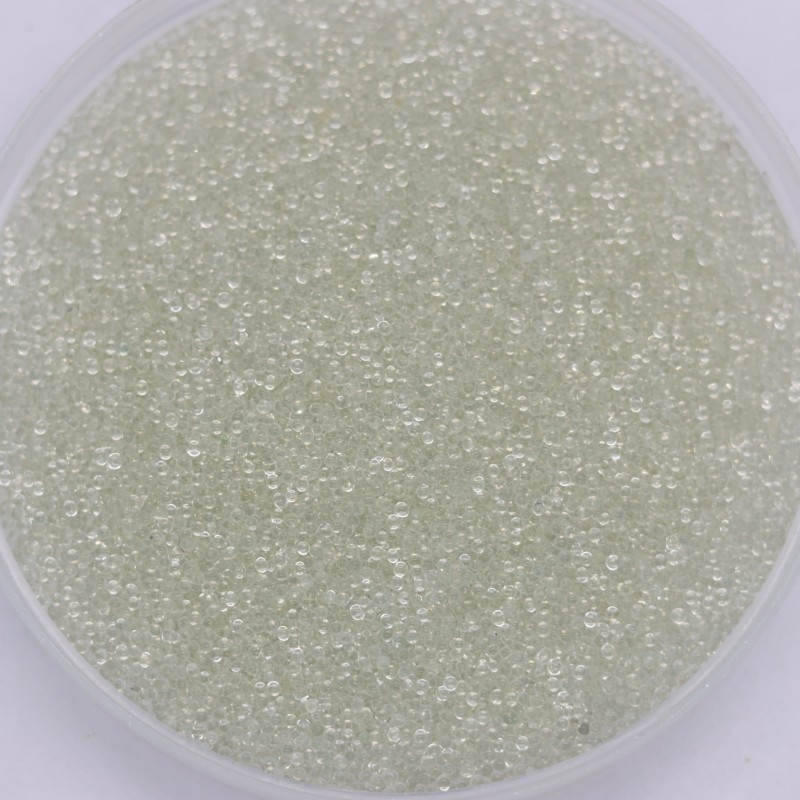
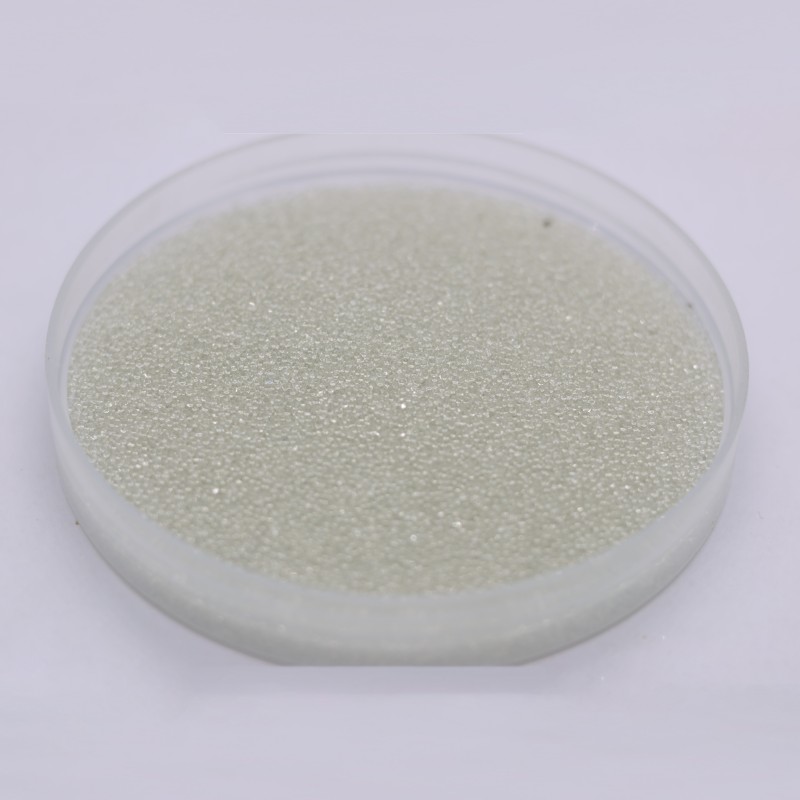
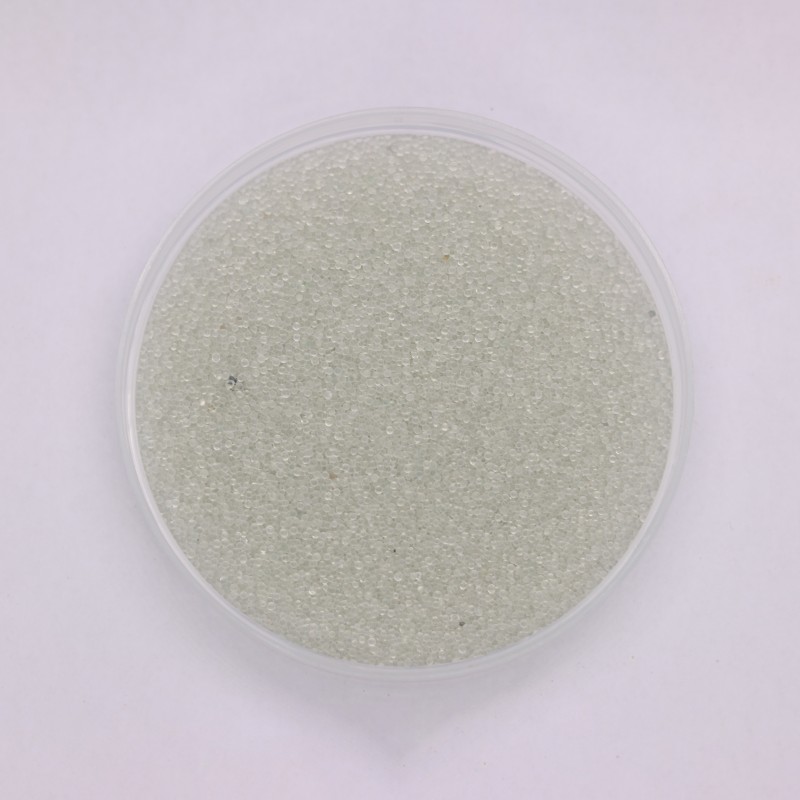
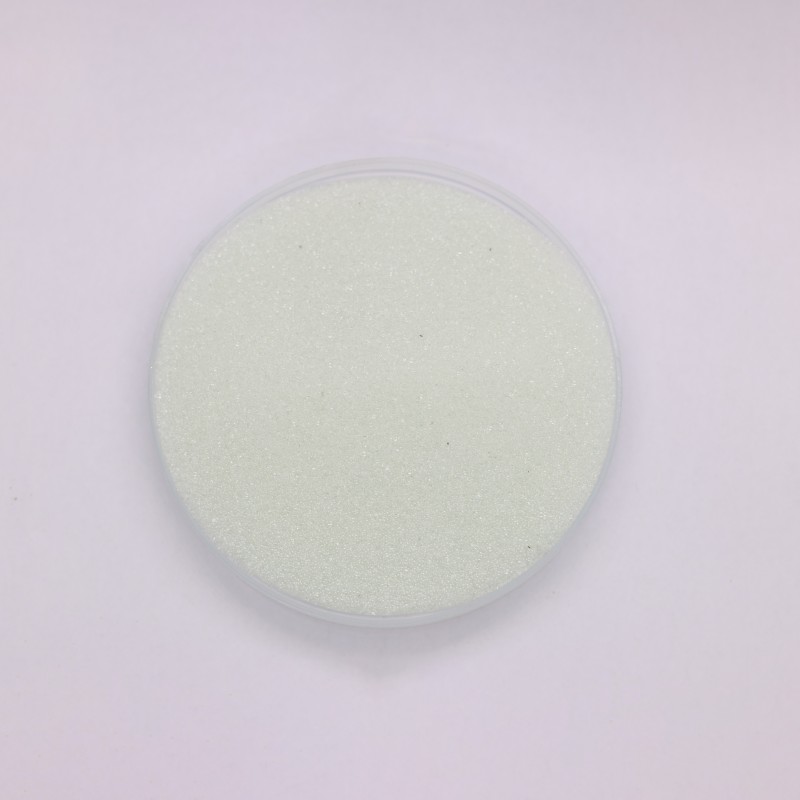
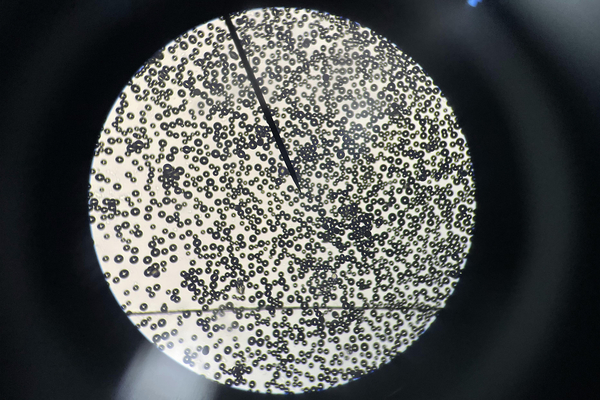
Wancheng glass beads are designed for plastic compounders and molded-part manufacturers seeking a mineral filler that supports more stable part dimensions, lower warpage risk and balanced processing behavior. Their spherical morphology helps improve packing, flow consistency and isotropic shrinkage control in selected thermoplastic systems.
- Reinforcement Support
- Dimensional Stability
- Anti-Warpage
- Processing Balance
Large or thin-wall parts may bend or twist after demolding when shrinkage is uneven across the part geometry.
Plastic components can fall outside tolerance when filler selection, cooling and shrinkage behavior are not well controlled.
Some applications require stiffness support without the strong fiber orientation effects associated with high-aspect-ratio fillers.
Complex molds and thin sections need stable flow behavior so the compound can fill the cavity consistently.
Improper filler choice can create rough surfaces, flow marks or visible defects on molded parts.
Compounders need filler systems that improve part stability while keeping formulations commercially practical.
Glass beads can improve compound stiffness and support mechanical stability in selected thermoplastic systems, especially when combined with appropriate resin and additives.
The spherical particle shape can help reduce dimensional variation and support tighter tolerance control in molded plastic parts.
Because glass beads have no strong fiber direction, they can help reduce anisotropic shrinkage and warpage risk in suitable injection-molded designs.
Spherical particles can support more predictable flow behavior and better filling consistency compared with irregular fillers in some formulations.
Recommended for PP, PE, PVC, ABS and selected engineering plastics where dimensional stability, anti-warpage and filler packing are important.
Suitable for molded housings, panels and precision parts requiring better dispersion, smoother surface appearance and more stable shrinkage behavior.
Available for projects requiring improved resin compatibility, moisture resistance or stronger interface performance. Treatment selection depends on resin and formulation goals.
Particle size, bulk density, surface treatment, packaging and test requirements can be discussed according to the polymer system and final application.
Coarser bead option for general filling, improved packing and cost-performance trials in thicker plastic parts. Suitable for initial loading studies where surface fineness is not the main requirement.
Balanced grade for dimensional stability, flow behavior and molded-part appearance in many PP, PE, PVC and ABS compounds.
Fine bead option for injection-molded parts requiring better surface quality, more uniform dispersion and tighter dimensional control.
Surface-treated grades can be discussed where coupling, resin compatibility, moisture resistance or higher performance consistency is required.
Electrical, appliance and industrial housings requiring dimensional consistency and reduced deformation risk.
Interior trim, covers, panels and components where warpage control and part stability are important.
Components that need controlled filling, stable dimensions and reduced post-molding distortion.
Larger flat or semi-flat parts where shrinkage variation can lead to bending or twisting.
Mineral-filled masterbatch and compounds for PP, PE, PVC, ABS and selected engineering resin systems.
Combinations with talc, mica or other fillers when compounders need a tailored balance of stiffness, shrinkage control and surface quality.