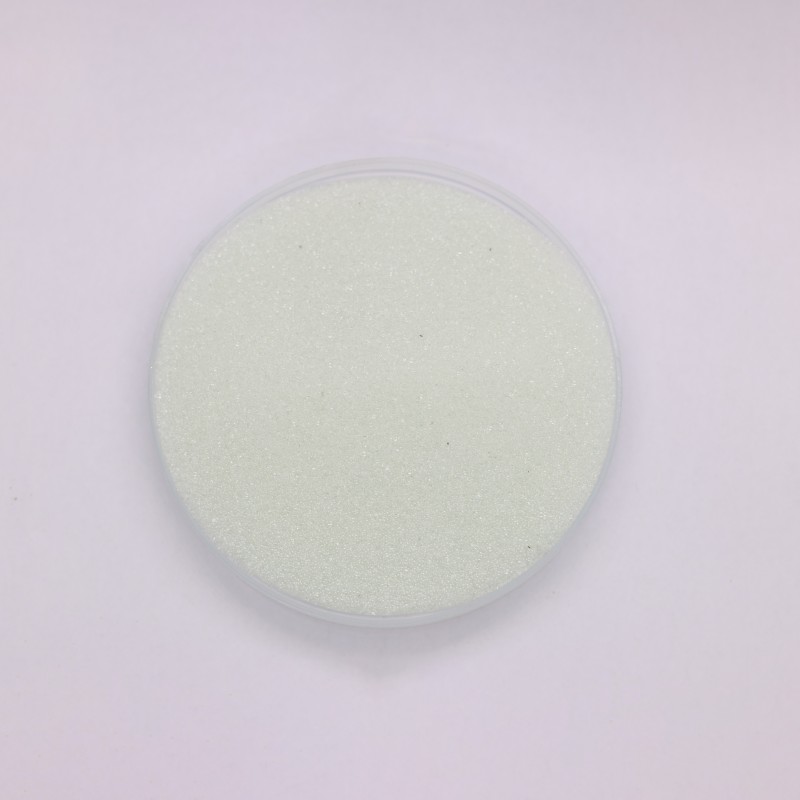
ApplicationsGlass Beads for Reflective Paint
Reflective glass beads for traffic paint, safety coatings and functional coating systems requiring night visibility, light return and durable bead retention.
- Reflectivity
- Paint Compatibility
- Bead Retention
- Coating System Support
Paint may look acceptable in daytime but perform poorly at night if bead grade, dosage or surface exposure is not controlled.
If beads are too large, too smooth for the binder, or not embedded at the right depth, they may fall off during traffic wear or cleaning.
Fine paint films need smaller beads; thicker traffic coatings need larger beads. Wrong sizing can cause sinking, poor exposure or rough surfaces.
Waterborne, solventborne, acrylic, alkyd and thermoplastic systems may require different bead grades, surface treatments and application methods.
Irregular grading or low roundness can lead to scattered reflectivity, inconsistent appearance and unstable optical performance.
Reflective paint needs visible performance without excessive bead consumption. Optimized grading helps balance reflectivity, retention and cost.
Beads exposed above the paint surface help return vehicle or lamp light toward the observer.
Good performance usually requires partial bead embedment so that the bead is held by the coating while remaining optically active.
Particle size and bead treatment should match wet film thickness, binder type, drying profile and application process.
A stable bead-paint interface supports longer service life in safety markings, industrial floors and traffic coating systems.
Surface-applied for immediate retroreflection after paint application
Mixed into coating to support sustained reflectivity after wear
Used in thinner safety coatings and decorative reflective paint
Optional treatment to improve wetting, flow and bead retention
Typical range: 45-150 μm or 75-180 μm. Suitable for thinner coatings, safety signs, industrial floors and decorative reflective paint.
Typical range: 100-300 μm or 150-425 μm. Suitable for many reflective paint systems where surface appearance and visibility need balance.
Typical range: 180-600 μm or customer standard grading. Suitable for road marking paint, parking lot lines and high-build traffic coatings.
Typical range selected by coating thickness and wear profile. Used inside the paint film to release reflectivity as the coating wears.
Used in traffic paint systems to provide night visibility when applied on the paint surface or mixed into the coating.
Improves line recognition in low-light indoor or outdoor environments, especially for safety management areas.
Supports visual warning zones, pedestrian lanes, equipment boundaries and emergency direction markings.
Fine glass beads can be used in painted safety signs and panels requiring controlled reflective effect.
Adds visual light-return effect to selected architectural, craft or functional coating systems.
This page focuses on coating formulation; for full road marking bead selection, link to the Road Marking Glass Beads page.