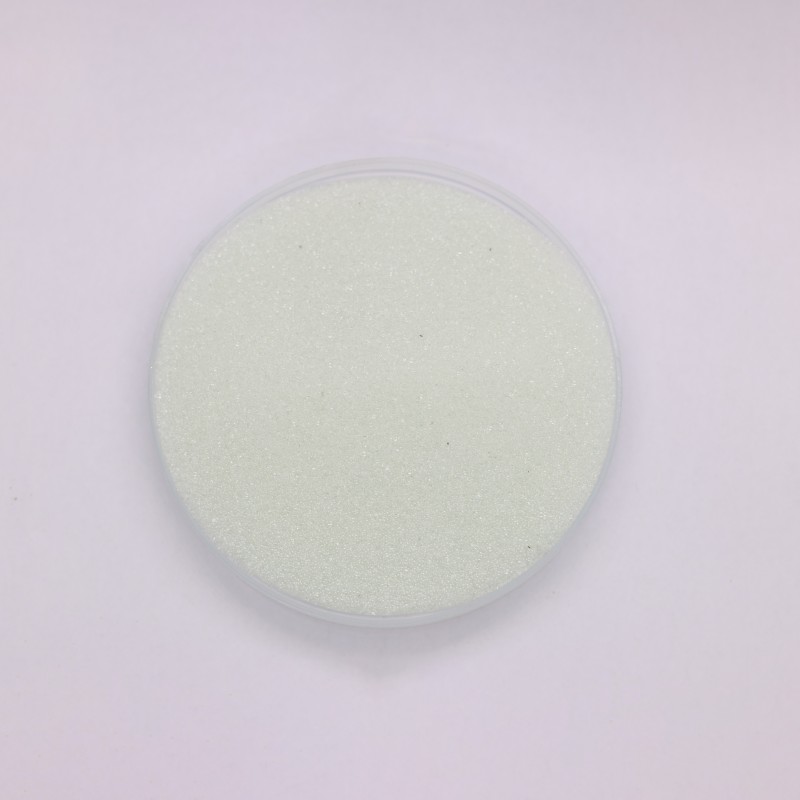
ApplicationsGlass Beads for Road Marking Paint
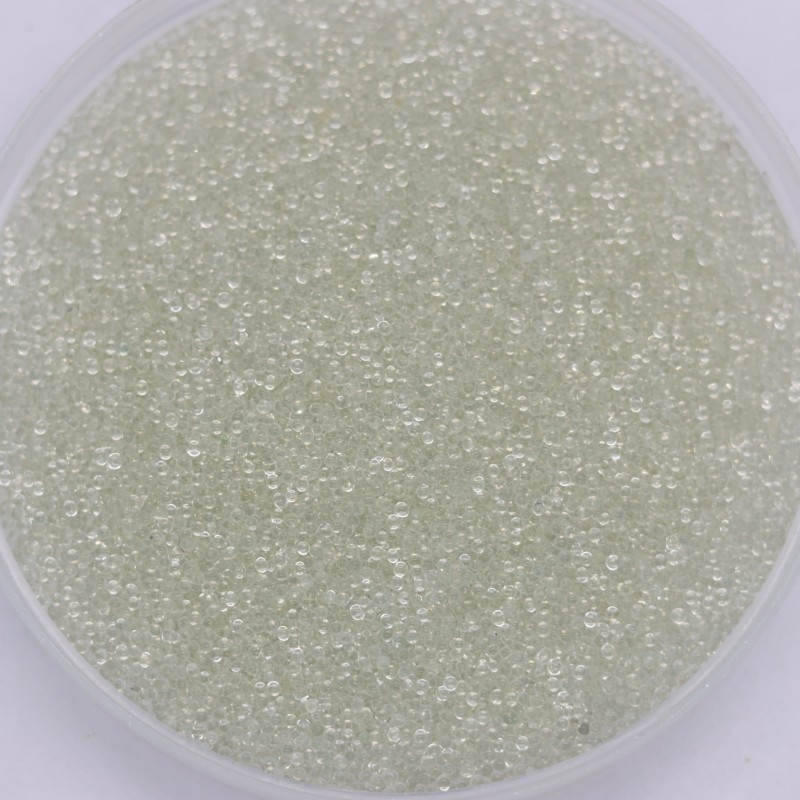
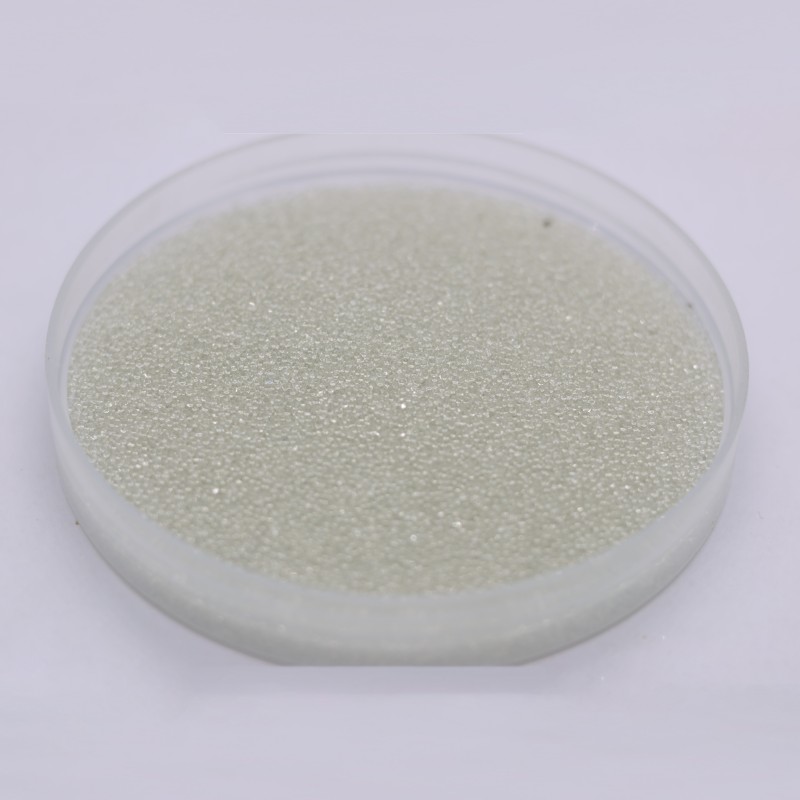
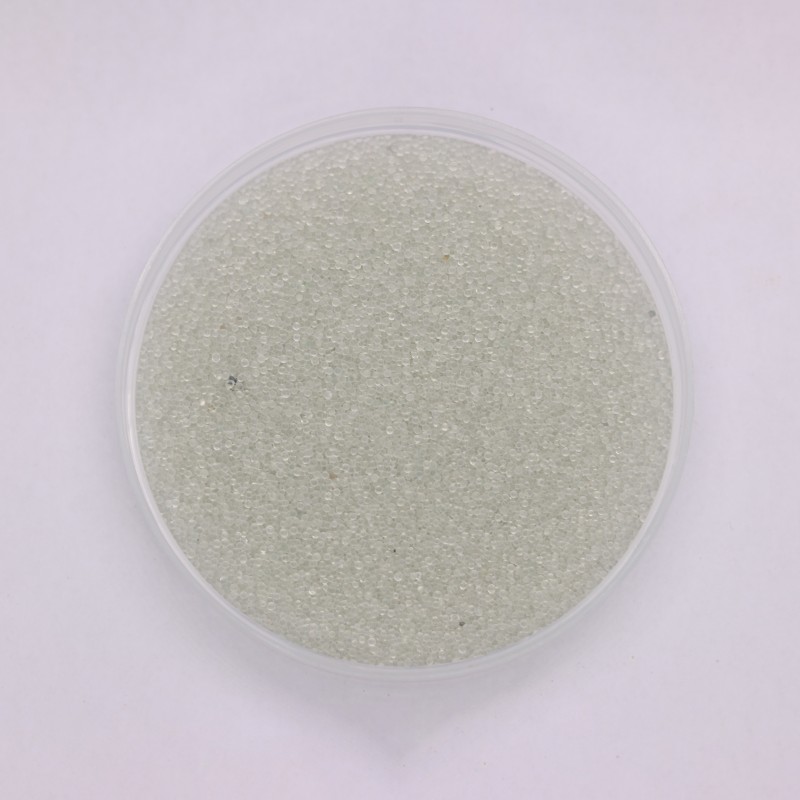
Reflective glass beads for road marking paint systems, supporting drop-on application, premix formulation, bead embedment and night-time retroreflection performance.
- Road Marking Paint
- Drop-on / Premix
- Retroreflection
- Bead Retention
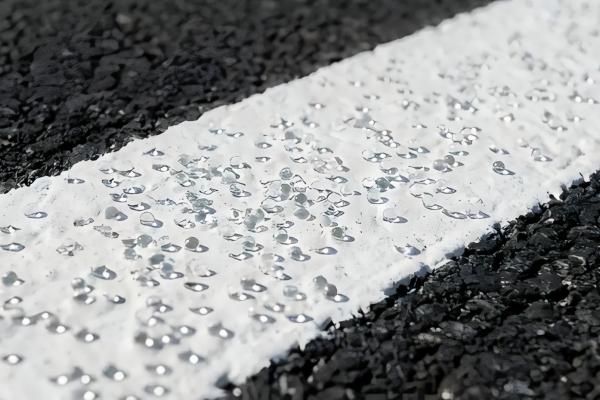
A line may appear bright during the day but fail under headlights if bead exposure, bead size or refractive quality is not properly controlled.
If beads sink too deeply, retroreflection is weak. If beads sit too high, they may dislodge under traffic wear.
Irregular grading, low roundness or moisture can affect flow, spreading uniformity, premix release and surface coverage.
Different traffic paint systems need matched bead grading, treatment, roundness, refractive index and quality documents.
Beads are applied onto the wet paint surface to create initial retroreflection immediately after curing.
Beads mixed inside the paint film can become exposed as the marking wears, helping maintain reflective performance over time.
The target is partial embedment: enough bead surface exposed for optics, enough contact area in paint for retention.
Bead grading should be selected together with paint thickness, binder chemistry, drying speed and application equipment.
RECOMMENDED PRODUCTS
Surface-applied beads for immediate night visibility
Mixed into paint for sustained reflectivity after wear
Surface-treated grades for flow, adhesion or moisture resistance
Produced to customer road project or national specification
Typical reference range: 100-300 μm or 150-425 μm. Used for thinner traffic paint, fine lines and smoother surface appearance.
Typical reference range: 180-600 μm. Suitable for many road marking paint and parking line applications.
Typical reference range: 300-850 μm or project-specific grading. Used for high-build thermoplastic and thicker marking systems.
Particle size is selected according to paint film thickness and wear profile. Often combined with drop-on beads for maintained visibility.
Commonly used with drop-on glass beads for high-build lines, highways, urban roads and zebra crossings.
Glass beads are selected for suitable size, flow and retention under waterborne paint drying conditions.
Used in road, parking lot and industrial traffic line coatings where fast drying and surface bead exposure are required.
Bead selection should match coating thickness, curing profile and high-durability reflective requirements.
Provides night or low-light line recognition for vehicle lanes, pedestrian zones and safety routes.
Can be supplied according to project grading and documentation requirements for demanding traffic environments.