ApplicationsMica for Engineering Plastics
Platy mica reinforcement for stiffness, dimensional stability, electrical insulation and heat-resistant plastic parts.
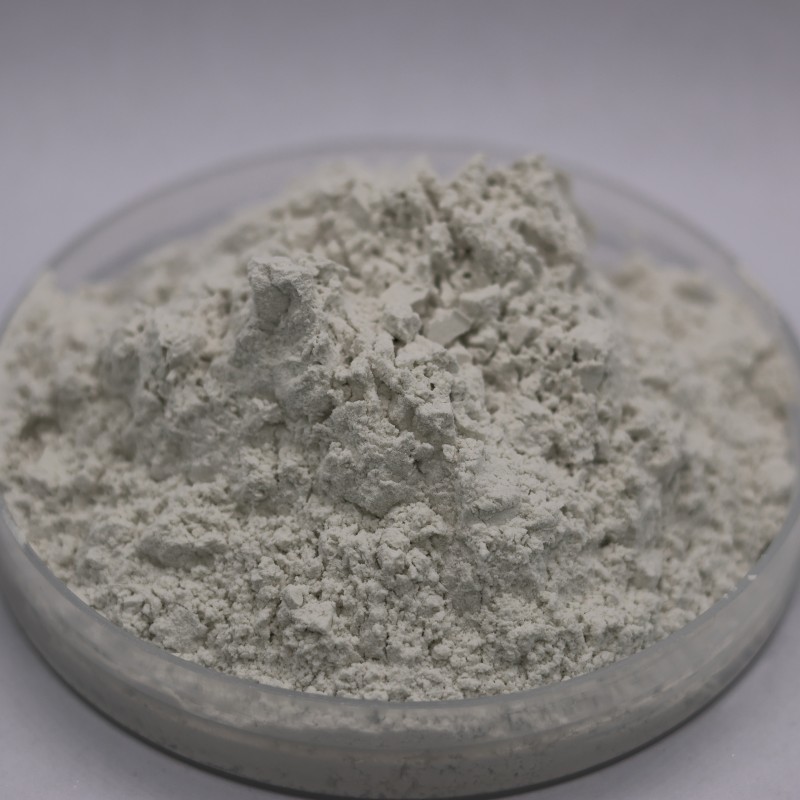
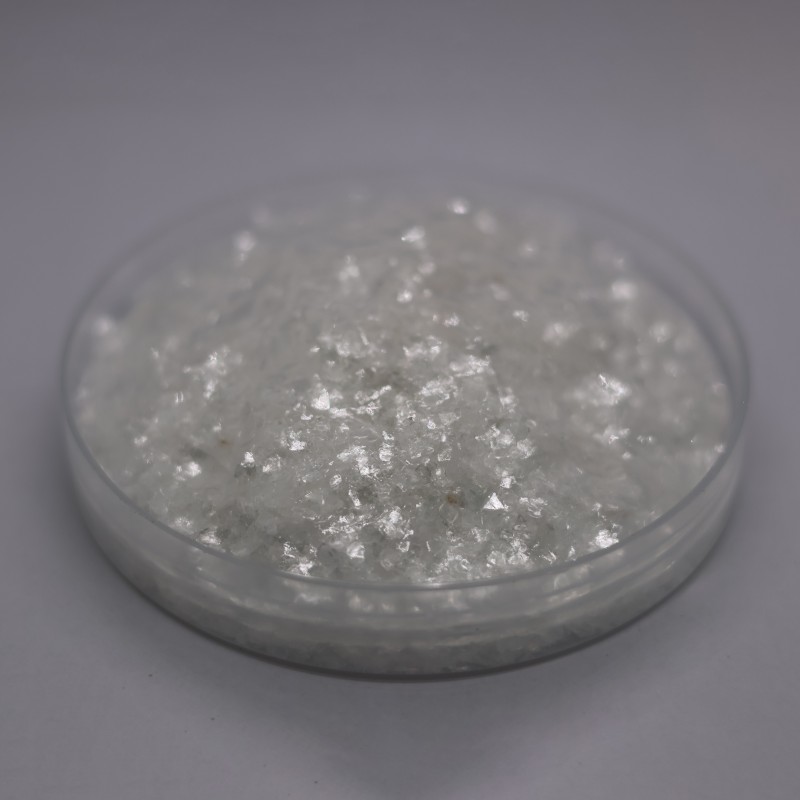
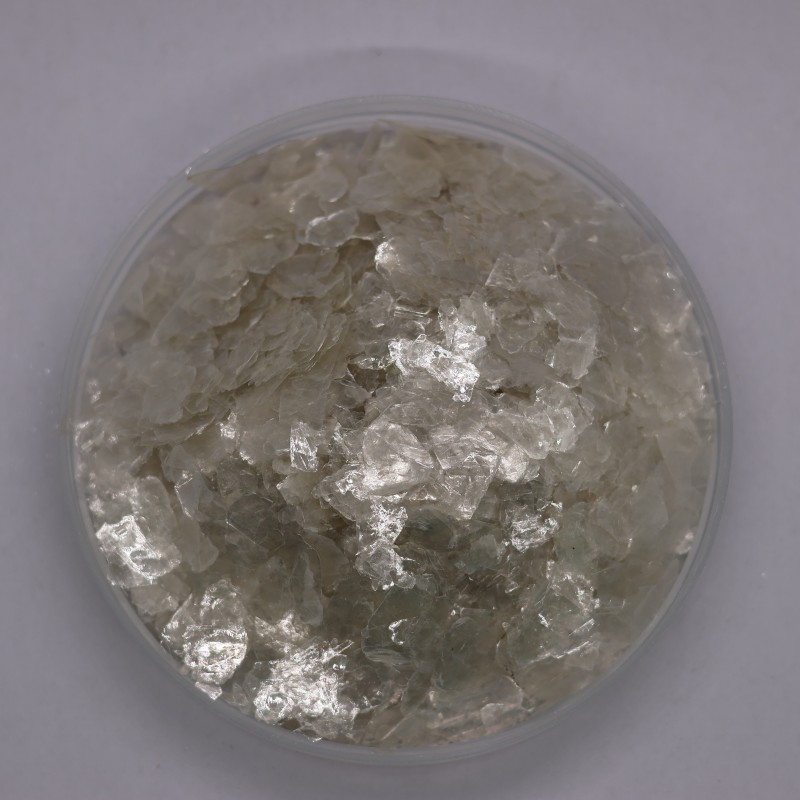
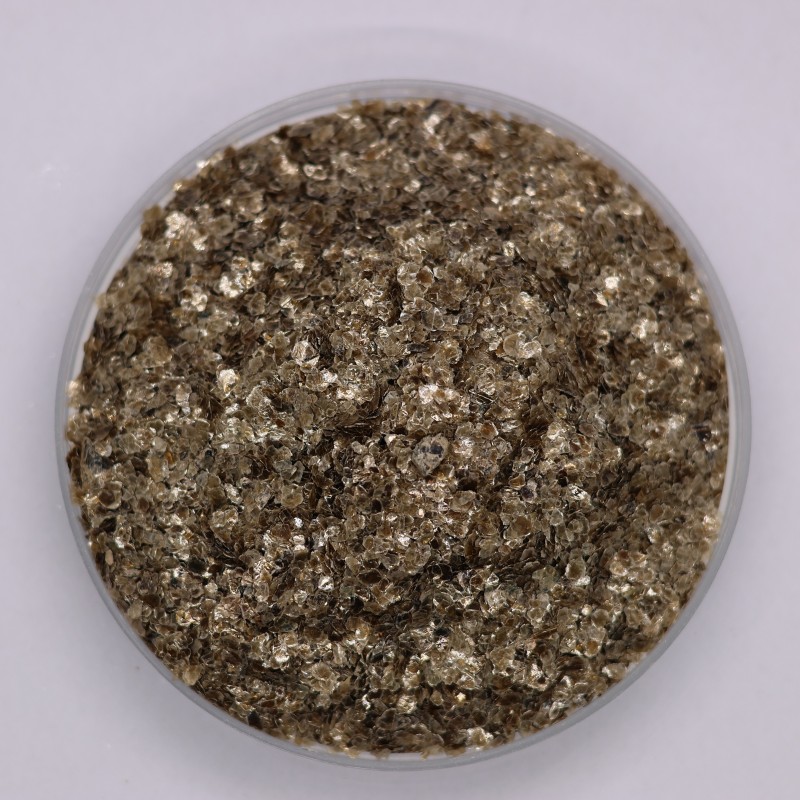
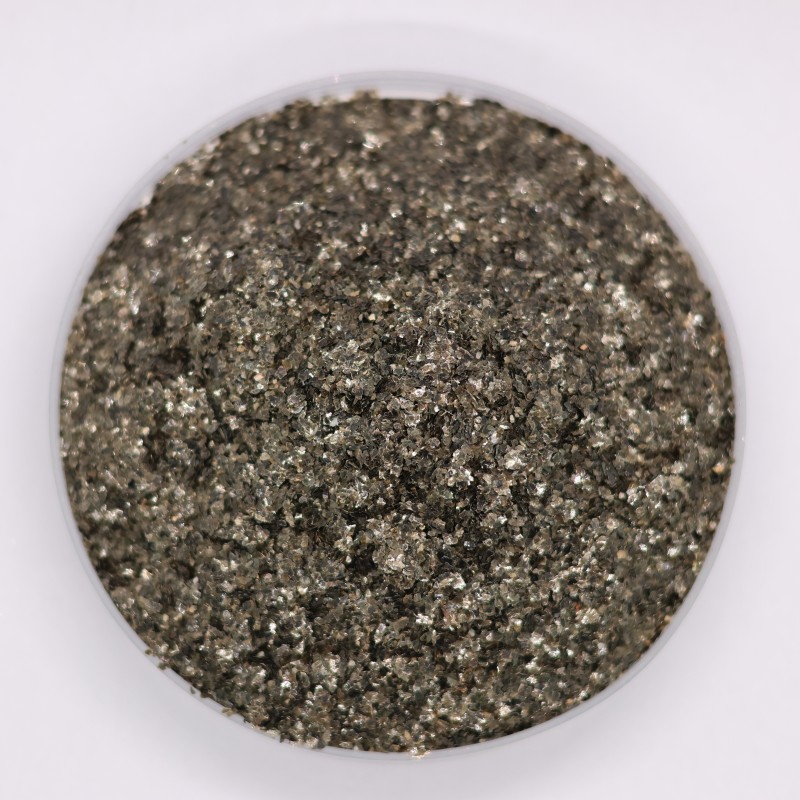
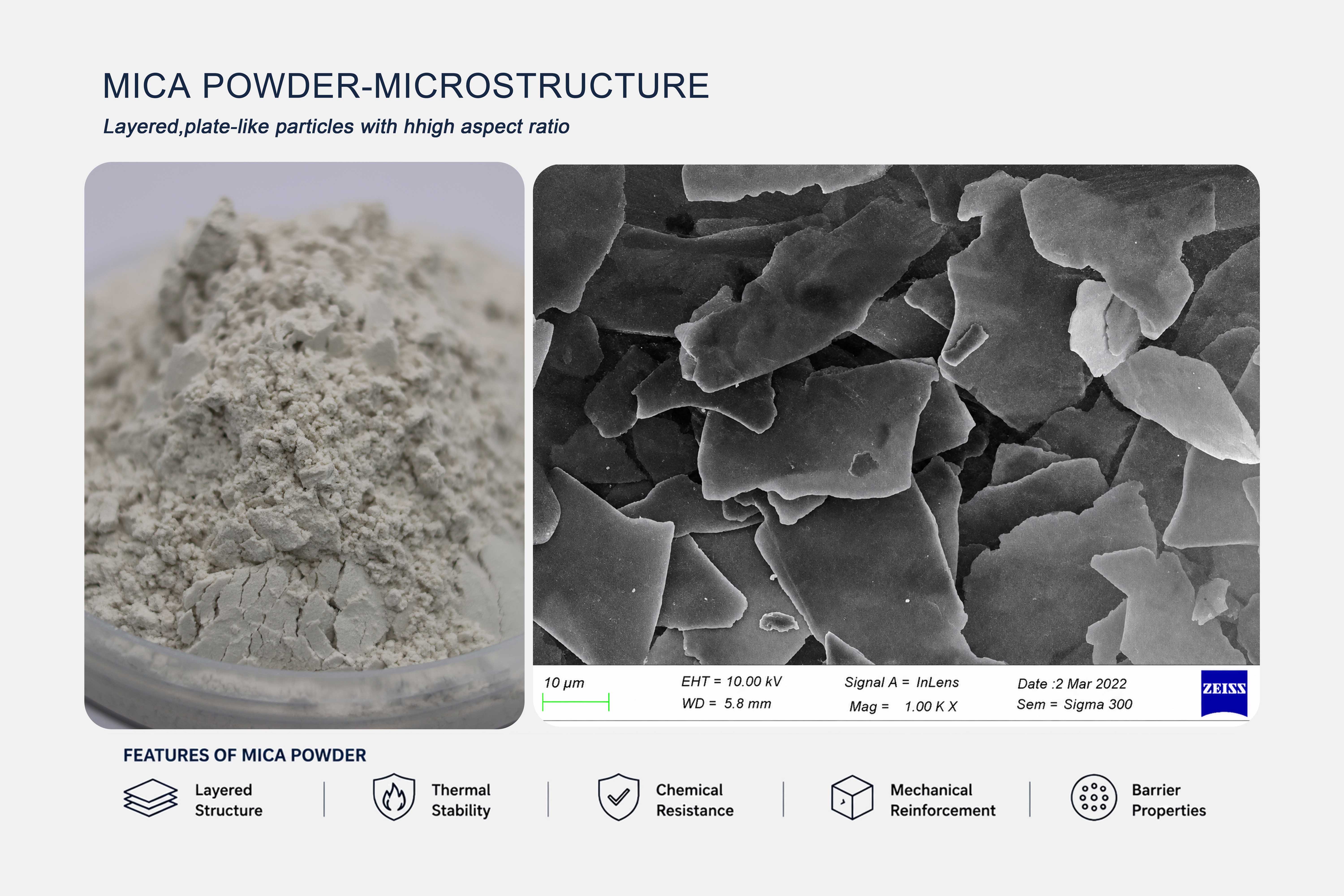
Wancheng mica powder is designed for plastic compounders and molded-part manufacturers who need more than basic filling. Its natural plate-like morphology helps reinforce polymer systems, control shrinkage and improve dimensional stability while supporting insulation and heat-performance requirements in engineering plastic applications.
- Stiffness
- Dimensional Stability
- Electrical Insulation
- Heat Resistance
Unfilled or lightly filled resins may not provide enough flexural modulus for structural housings, brackets or load-bearing components.
Molded parts can deform when shrinkage is not controlled across flow direction, wall thickness and cooling conditions.
Parts used near motors, electrical modules or vehicle interiors need better shape retention at elevated temperatures.
Electrical and electronic housings require non-conductive fillers with stable chemistry and low impurity risk.
Compounders often need a balanced filler system that improves stiffness while maintaining processability and cost control.
Poor filler selection can increase defects, reduce impact strength or create inconsistent molded-part appearance.
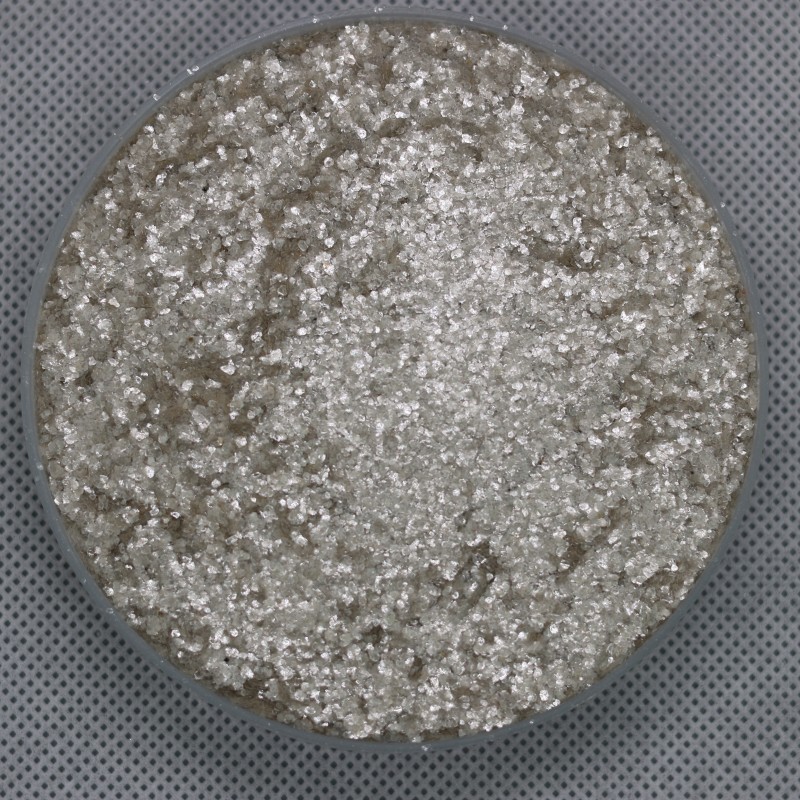
Mica platelets can help increase flexural modulus and part rigidity, especially in molded components that must maintain shape under load.
The platy particle structure can help reduce overall shrinkage and support tighter dimensional control when particle size and loading are optimized.
High-purity mica is naturally non-metallic and can support insulation requirements in housings, covers and electrical components.
Mica-filled compounds can help molded parts maintain better form under elevated temperature exposure compared with unfilled resin systems.
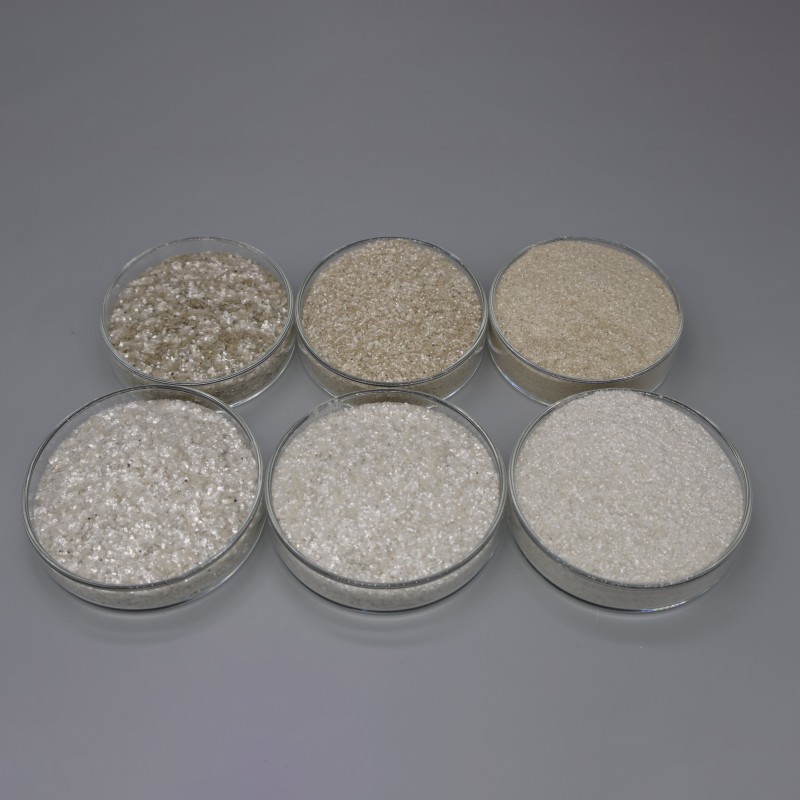
A versatile mica grade family for PP, PA, PVC, PBT, PET and other plastic compounds requiring stiffness, dimensional control and insulation support.
Recommended for molded housings, appliance parts and precision components where dispersion, surface quality and flow balance are important.
Used when stronger reinforcement and dimensional stability are required. Grade selection should balance stiffness improvement with impact strength and melt flow.
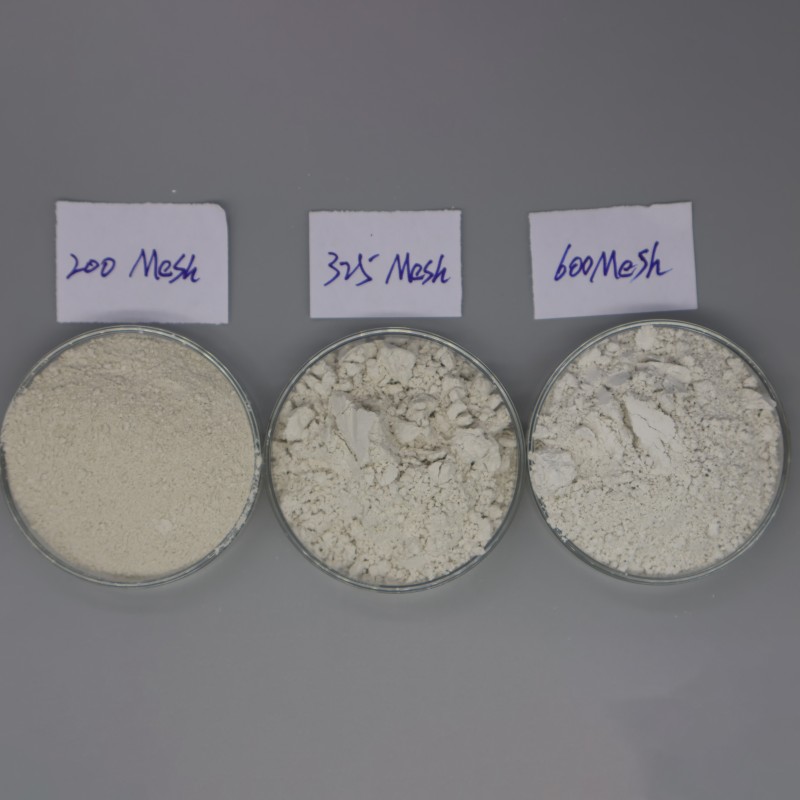
Particle size, whiteness, moisture, packaging and surface-treatment requirements can be discussed according to the polymer system and customer standards.
General reinforcement and cost-performance filling for thicker molded parts. Suitable as an initial grade for PP, PVC and selected PA compounds. Typical trial loading: 10-25%.
Balanced dispersion, surface quality and stiffness for injection-molded housings and appliance parts. Typical trial loading: 5-20%.
Fine particle option for surface-sensitive, thin-wall or precision molded parts where smoother appearance and stable dispersion are required. Typical trial loading: 5-15%.
Selected platelet morphology for applications requiring stronger dimensional stability, higher stiffness and better heat-shape retention. Trial loading should be optimized with impact and flow requirements.
Interior structural parts, brackets, covers, panels and components requiring stiffness and heat-shape stability.
Switch boxes, covers, cable-related components and molded parts requiring insulation support.
Rigid molded parts where dimensional stability, surface quality and cost-performance balance are required.
Equipment housings, protective covers and functional components exposed to mechanical stress.
Components with tighter dimensional tolerance, controlled shrinkage and reduced deformation risk.
Mineral-filled masterbatch and compound systems for PP, PA, PVC, PBT, PET and other resins.