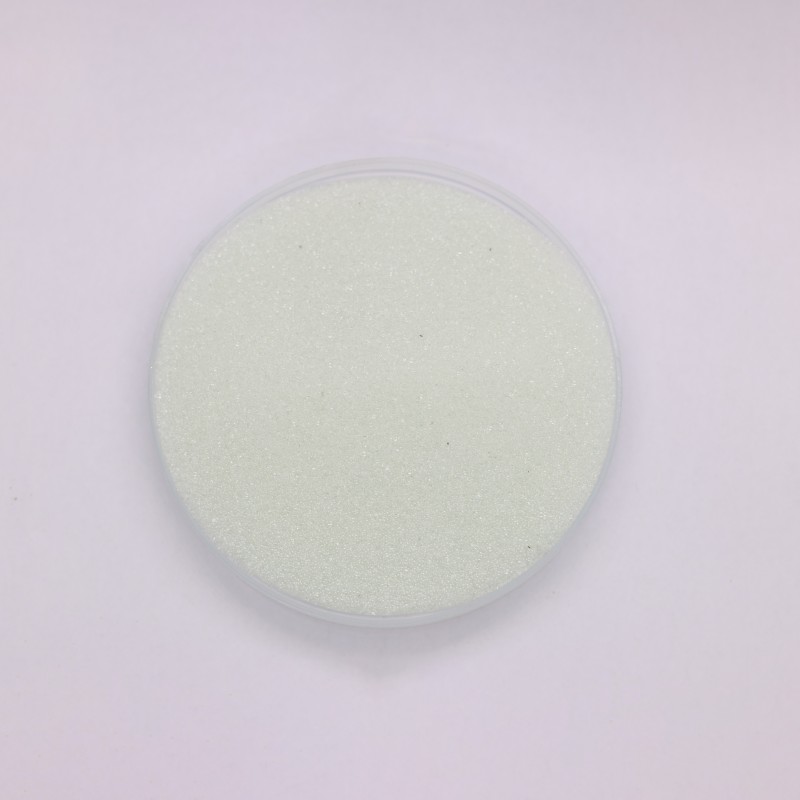
ApplicationsSandblasting Glass Beads
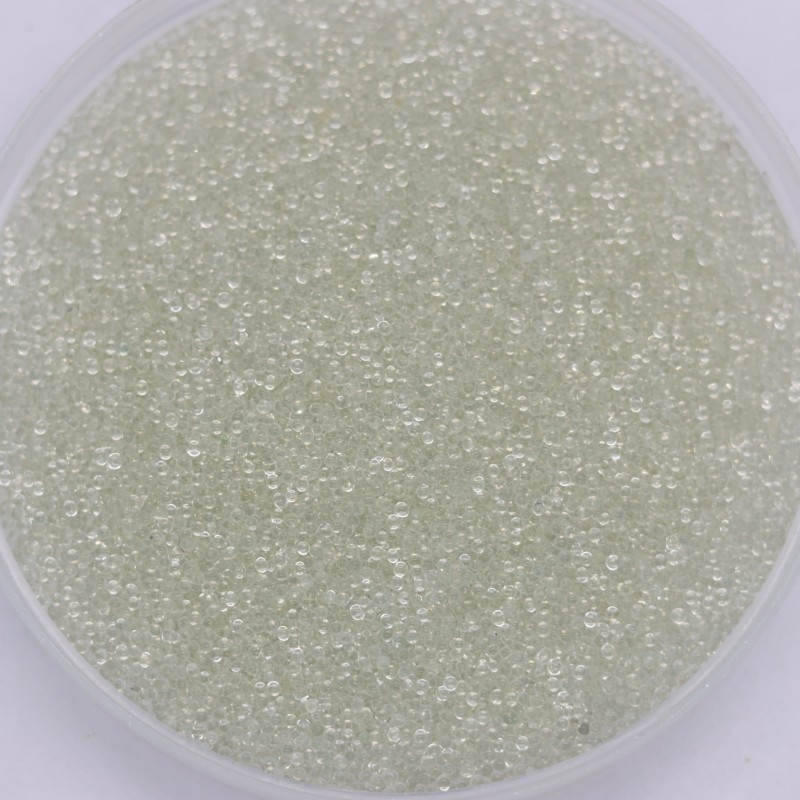
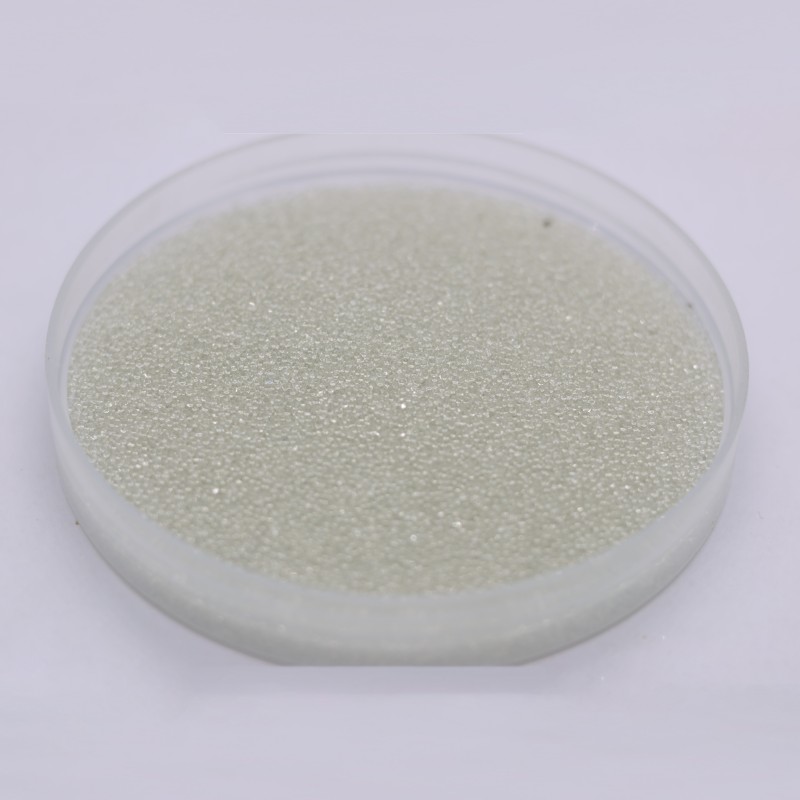
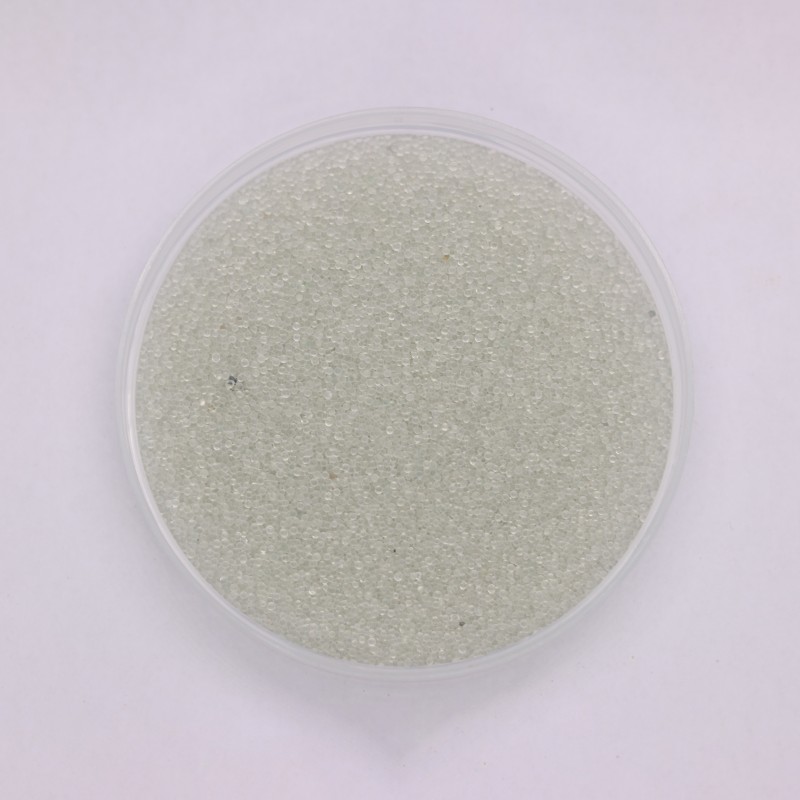
Spherical glass beads for controlled surface cleaning, satin finishing and peening effect.
Wancheng glass beads help blasting users clean light contamination, smooth sharp edges and obtain a uniform matte finish with less aggressive cutting than angular abrasives.
- Uniform satin finish
- Lower substrate damage
- Peening effect
- Cleaner blasting process
Angular media may over-roughen stainless steel, aluminium or mould surfaces, causing rework.
Uncontrolled particle size or low roundness leads to uneven texture and visible surface variation.
Metallic media may leave ferrous residue on parts that require a clean, non-ferrous finish.
Poor bead strength increases dust, consumption rate and maintenance load on blasting equipment.
Different substrates, pressures and finish targets require different bead size ranges.
Customers often need oil, oxide or tooling marks removed while preserving a refined surface.
Creates a clean matte surface for panels, handrails, vessels and fabricated parts.
Removes light scale or marks while reducing excessive surface cutting.
Cleans tooling surfaces and residues with a controlled surface effect.
Suitable for components requiring cleaning, deburring and improved appearance.
Useful where dimensional change and surface profile must be controlled.
Helps produce a uniform satin texture for visible metal products.
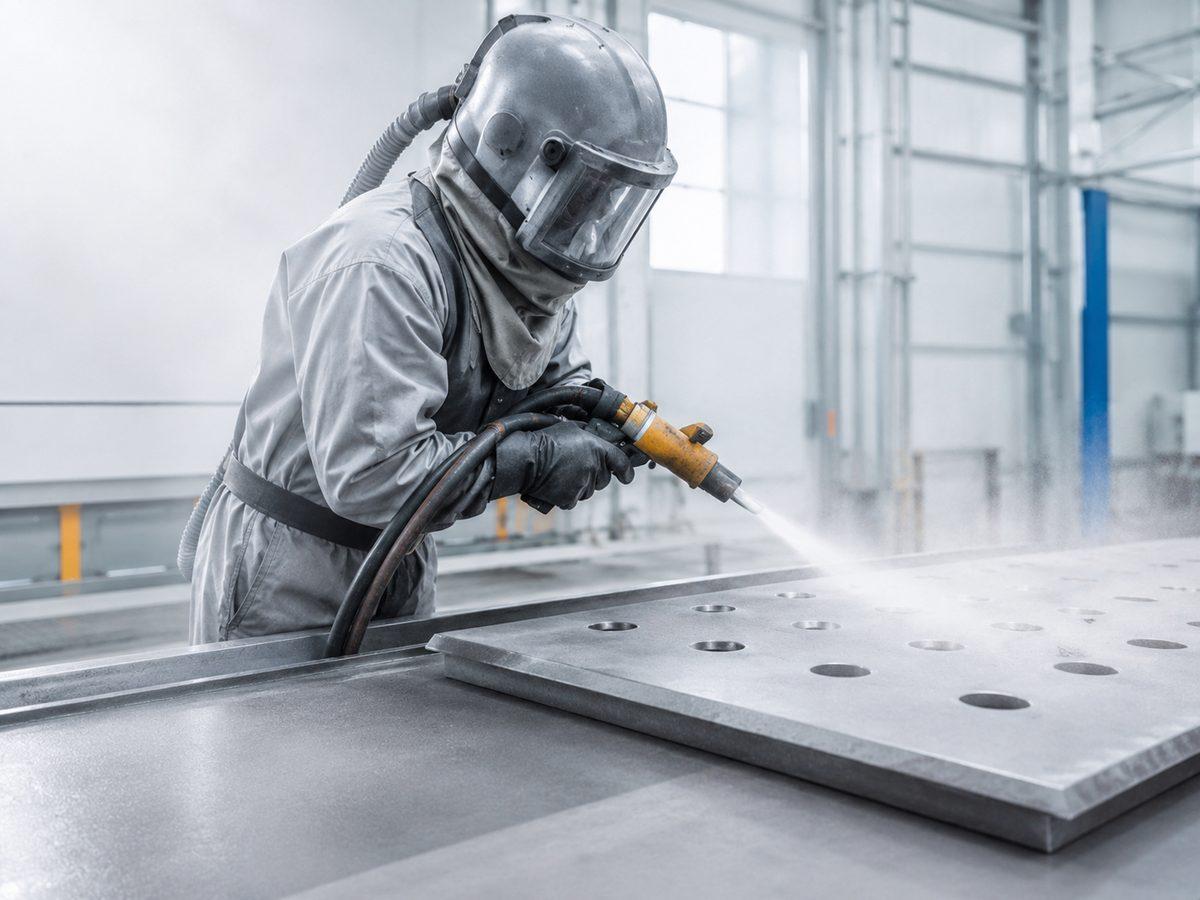
HOW IT WORKSSpherical impact for cleaning, smoothing and surface refinementGlass beads do not work like cutting abrasives. Their round shape impacts the surface, removes light contaminants and creates a smoother, more uniform texture.
By changing bead size, blasting pressure and nozzle distance, the operator can balance cleaning speed,surface profile and final appearance.
●Coarser beads: faster cleaning, stronger impact and more visible texture.
●Medium beads: balanced cleaning and satin finishing for general parts.
●Fine beads: refined finish and lower profile for precision or decorative surfaces.
●Process note: final results depend on pressure, distance, angle, equipment and base material hardness.
By changing bead size, blasting pressure and nozzle distance, the operator can balance cleaning speed,surface profile and final appearance.
●Coarser beads: faster cleaning, stronger impact and more visible texture.
●Medium beads: balanced cleaning and satin finishing for general parts.
●Fine beads: refined finish and lower profile for precision or decorative surfaces.
●Process note: final results depend on pressure, distance, angle, equipment and base material hardness.
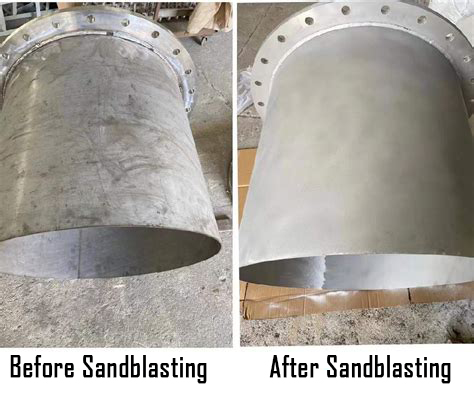
Round beads create a smooth, consistent matte appearance on metal, mould and precision parts.
Spherical impact cleans and burnishes without the sharp cutting action of angular abrasives.
Controlled bead impact can help reduce sharp surface peaks and produce a compacted surface texture.
Glass beads are chemically inert and suitable for applications where metallic residue must be minimized.
20–40 mesh / 30–60 mesh For heavy cleaning, castings, large parts and stronger impact finish.
40–70 mesh / 60–80 mesh For general cleaning, mould maintenance and metal part refurbishment.
80–120 mesh / 100–170 mesh For satin finishing, stainless steel, aluminium and precision components.
170–325 mesh or custom range For delicate finishing, low surface profile and high visual consistency.