ApplicationsTalc for Ceramics
Ceramic-grade talc powder for firing performance, whiteness control, MgO contribution and formula stability in ceramic bodies and glaze systems.
- Ceramic Grade
- MgO Source
- High Whiteness
- Firing Stability
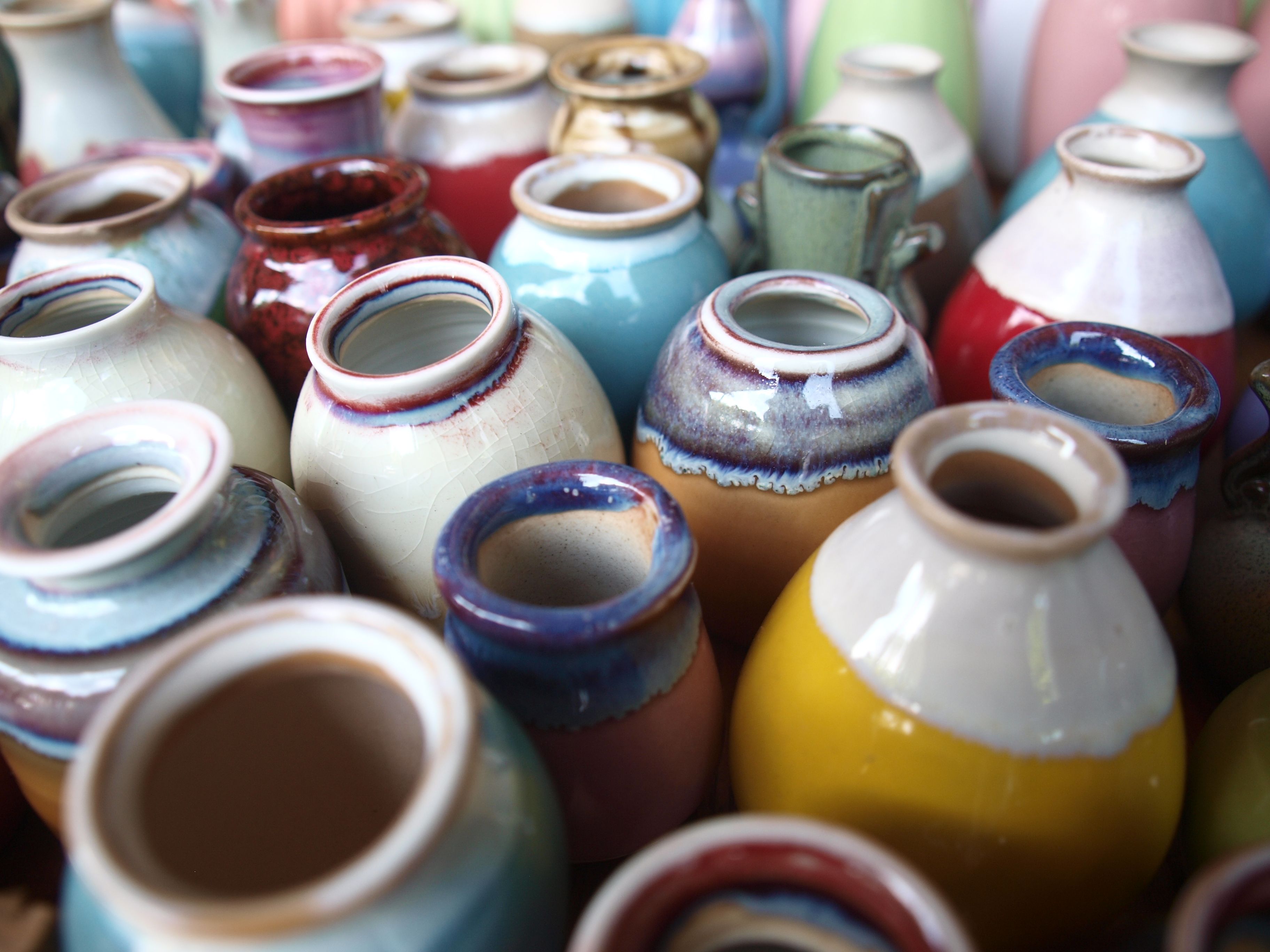
Changes in mineral chemistry or particle size can affect firing shrinkage, body deformation, glaze fit and final product consistency.
Excess iron or inconsistent brightness may reduce fired whiteness and create visible color variation in ceramic bodies and light-colored glazes.
Ceramic formulas need controlled magnesium input. Talc provides MgO and SiO2 in a mineral form that must be matched to the body or glaze system.
Improper raw material selection can contribute to cracking, deformation or dimensional variation during drying and firing.
Coarse particles or inconsistent fineness may affect mixing, milling efficiency, surface smoothness and fired body uniformity.
Manufacturers need a reliable mineral raw material that supports performance targets while keeping the formula commercially viable.
Talc is a natural magnesium silicate. In ceramic formulas, it can serve as a controlled MgO source for body and glaze adjustment.
When matched with the overall formula, talc can support magnesium-silicate phase development, thermal behavior and dimensional stability.
Fine, low-iron and high-whiteness talc helps support cleaner appearance, smoother body texture and more consistent ceramic quality.
● Helps adjust mineral chemistry in the body or glaze
● Supports stable shrinkage and firing behavior when correctly formulated
● Useful for ceramic bodies requiring magnesium-silicate contribution
● High-whiteness grades support light-colored ceramic products
● Low-iron options help reduce color contamination
● Fine powder supports smoother fired surface appearance
● Controlled particle size improves dispersion and mixing
● Consistent MgO / SiO2 values support repeatable production
● Suitable for dry blending, wet milling and slurry preparation
● Can be used in ceramic bodies, glazes and specialty ceramic systems
● Supports cost-performance optimization in selected formulas
● Available in different fineness and whiteness levels
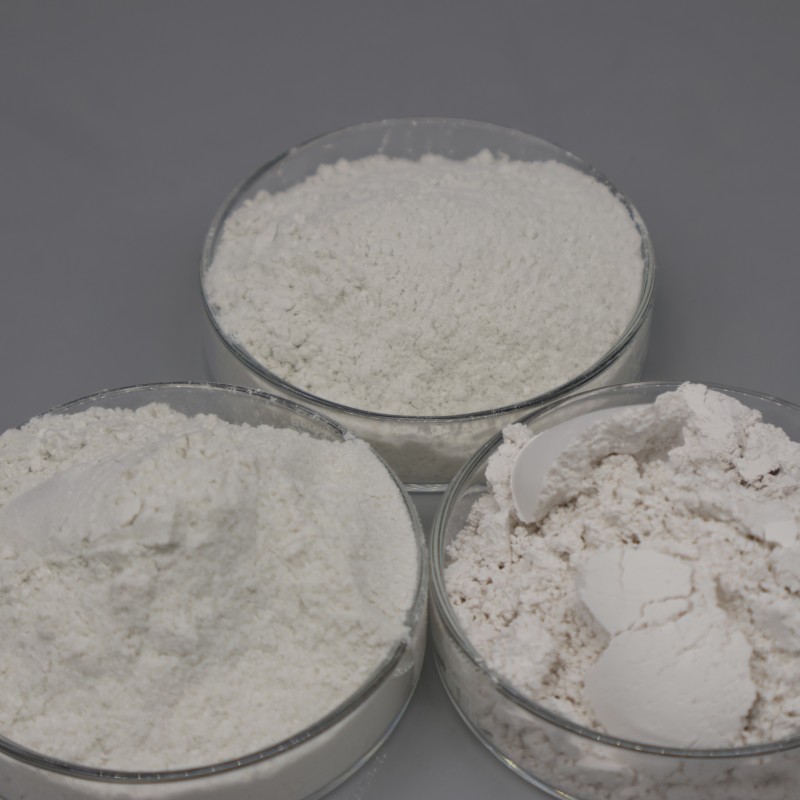
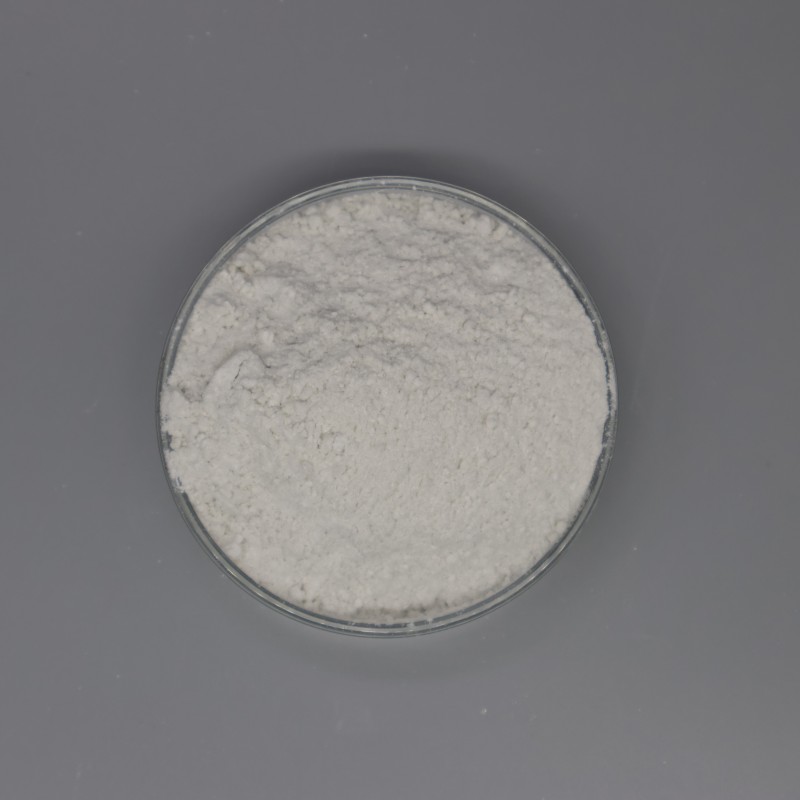
General ceramic-grade talc powder for body and glaze applications where MgO contribution, whiteness and particle size consistency are required.
Recommended use:Ceramic tiles, porcelain body, sanitaryware body, ceramic glaze systems and mineral raw material blending.
Selected talc grade with higher whiteness and controlled impurities for light ceramic products and formulations sensitive to color variation.
Recommended use: White ceramic body, wall tiles, light-colored glazes, decorative ceramics and porcelain-related applications.
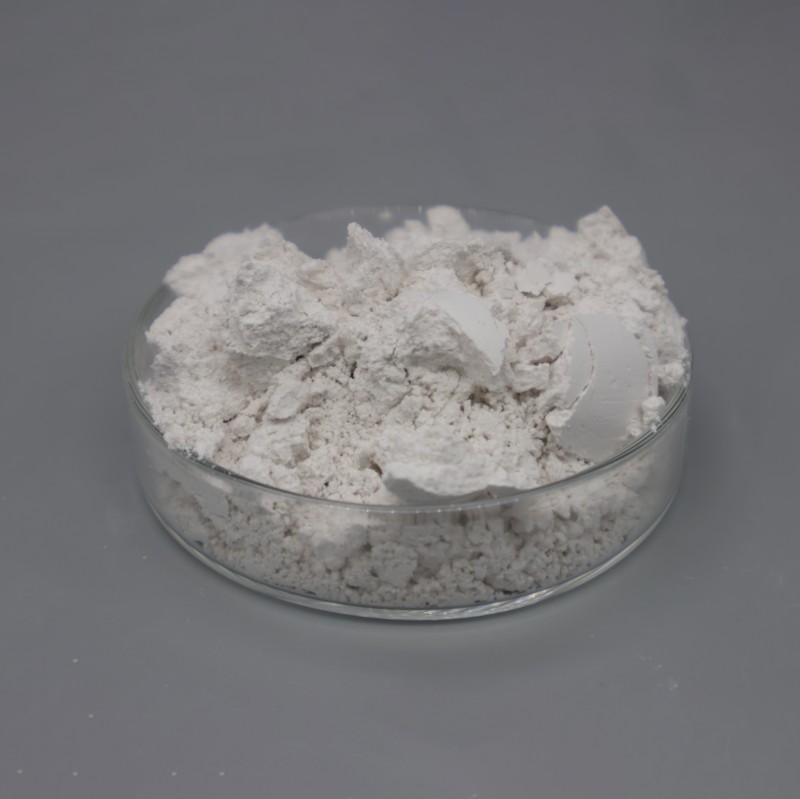
Low-iron option for ceramic customers who need better control of fired color and cleaner appearance in demanding ceramic systems.
Recommended use: High-whiteness bodies, glaze raw material systems, sanitaryware and products requiring strict color control.
Fine talc powder with controlled D50 and sieve residue for formulas requiring uniform dispersion, milling efficiency and smooth final texture.
Recommended use:Glaze preparation, fine ceramic body blends, wet milling, slurry systems and specialty ceramic compounds.
325 mesh, 400 mesh, 600 mesh, 800 mesh and custom fine powder grades depending on body, glaze and milling process.
D50, D90, sieve residue and grit content should be matched to slurry preparation, glaze smoothness and body uniformity requirements.
MgO and SiO2 are key chemistry indicators for ceramic formula balance; grade selection should follow the customer recipe target.
Whiteness, fired whiteness and color stability are important for white body, light tile and decorative ceramic applications.
Fe2O3, CaO, Al2O3, loss on ignition, moisture and insoluble residue should be controlled according to ceramic quality requirements.
COA, TDS, MSDS, particle size report, chemical composition report, whiteness report and sample photos can be supplied on request.
Talc can be used as a magnesium silicate raw material in selected body formulas to adjust chemistry, firing behavior and dimensional stability.
Ceramic-grade talc can support body whiteness, smooth processing and stable fired appearance in tile and porcelain-related systems.
Low-iron and high-whiteness talc grades are suitable for formulas where clean color and stable fired quality are important.
Fine talc powder can be used in selected glaze raw material systems and specialty ceramic formulations requiring MgO contribution and smooth dispersion.