ApplicationsTalc for PP Plastic
Improve rigidity, heat resistance and dimensional control while optimizing filler loading and compound cost.
- PP Compounding
- Injection Molding
- Masterbatch
- Automotive Plastics
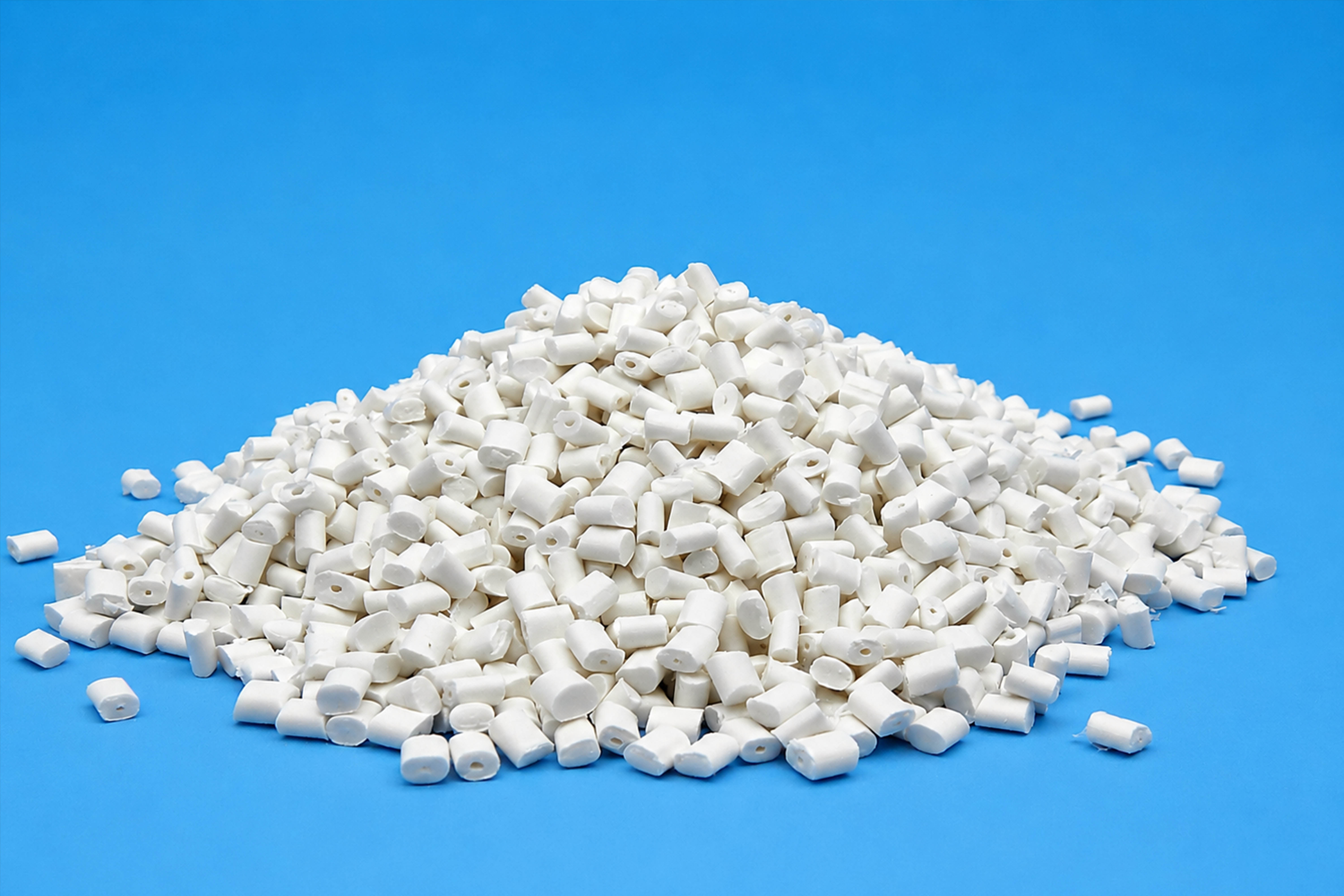
Unfilled PP can be too flexible for structural or semi-structural molded parts. Talc increases flexural modulus and gives the part a more rigid feel.
PP parts may deform under service temperature or during assembly. Fine talc grades help improve heat resistance and dimensional retention.
Uneven shrinkage can cause deformation, assembly gaps and quality complaints. Talc helps control molding shrinkage and improve dimensional consistency.
A properly selected talc grade allows higher filler loading and helps reduce resin consumption without losing the required processing stability.
Plate-like talc particles improve stiffness and help restrain polymer shrinkage during cooling.
Finer talc supports better surface quality, dispersion and property consistency in PP compounds.
From moderate reinforcement to high-filler masterbatch, talc loading can be adjusted according to part design and process.
● Improves flexural modulus
● Supports thinner-wall design in suitable applications
● Useful for automotive and household molded parts
● Helps improve heat distortion behavior
● Reduces deformation risk in warm service conditions
● Suitable for appliance and automotive PP applications
● Helps control molding shrinkage
● Improves dimensional repeatability
● Reduces warpage when formulation and molding conditions are optimized
● Supports cost-effective PP compounds
● Can be used in both direct compounds and talc masterbatch
● Final loading depends on resin, coupling system, process and performance target
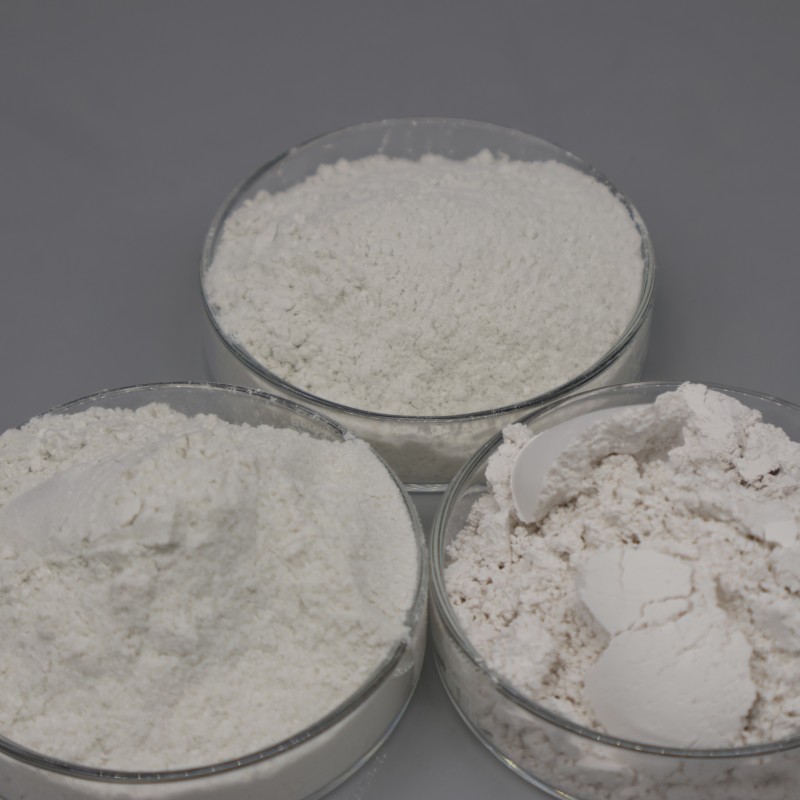
A practical grade for standard PP filling, general injection molding and cost reduction where moderate surface requirement is acceptable.
Recommended use: PP household products, general injection parts, filling masterbatch, cost-sensitive compounds.
A finer grade designed for improved dispersion, better surface appearance and more stable reinforcement performance.
Recommended use: Automotive interior parts, appliance housings, storage boxes, rigid PP injection-molded products.
Recommended for applications requiring tighter shrinkage control, smoother surface and consistent mechanical performance.
Recommended use: High-quality PP compounds, thin-wall molded parts, automotive trim, premium injection parts.
Suitable for customers producing PP/talc masterbatch and high-filler compounds. Particle size and surface quality can be adjusted to target loading and processing flow.
Recommended use:PP filler masterbatch, compound production, downstream injection and extrusion applications.
General filling and cost optimization. Typical starting level: 10–40% in PP compounds, depending on part requirements.
Balanced reinforcement, processability and appearance. Commonly used for injection-molded PP parts.
Better surface finish and dimensional control. Suitable for higher-value PP applications.
For premium PP compounds requiring smoother surface, stable dispersion and tighter shrinkage control.
High whiteness option, low moisture, controlled residue, stable particle size distribution and low impurity level.
Direct PP compounds often start from 5–40%. PP talc masterbatch may use higher mineral loading according to carrier resin and equipment capacity.
Door panels, interior trim, under-hood covers, brackets and semi-structural PP parts requiring stiffness and dimensional stability.
Washer components, small appliance housings, fan parts and molded covers where heat resistance and shape stability matter.
Rigid boxes, containers, organizers and daily-use injection molded parts requiring a more solid feel and better cost structure.
High-filler PP masterbatch, functional filler compounds and customized PP/talc formulations for downstream processors.