Leave Your Message

Bentonite Drilling Mud from China - Trusted Suppliers and Factory for High-Quality Drilling Grade Bentonite

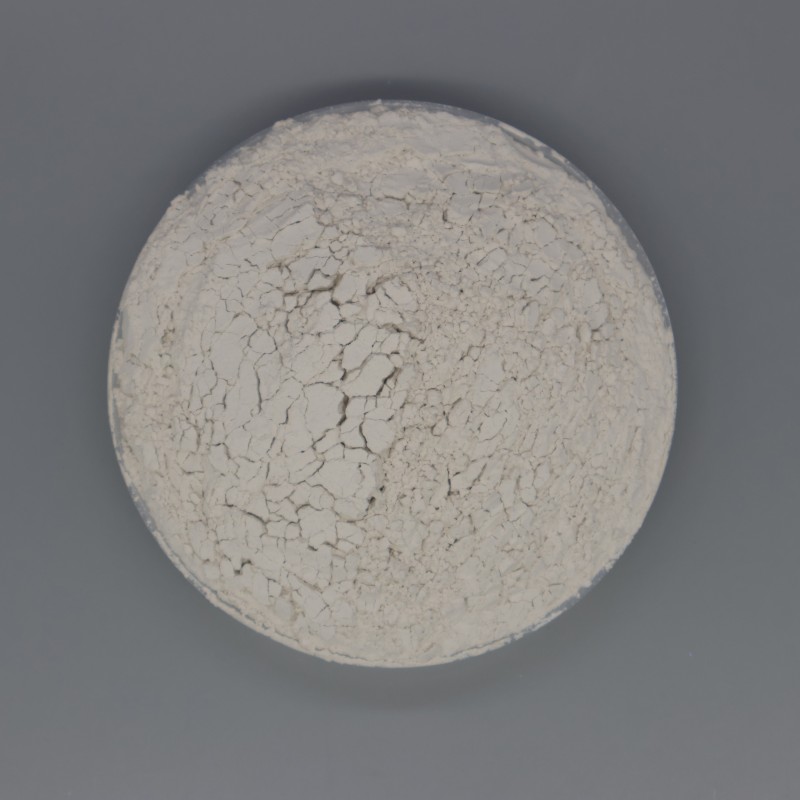
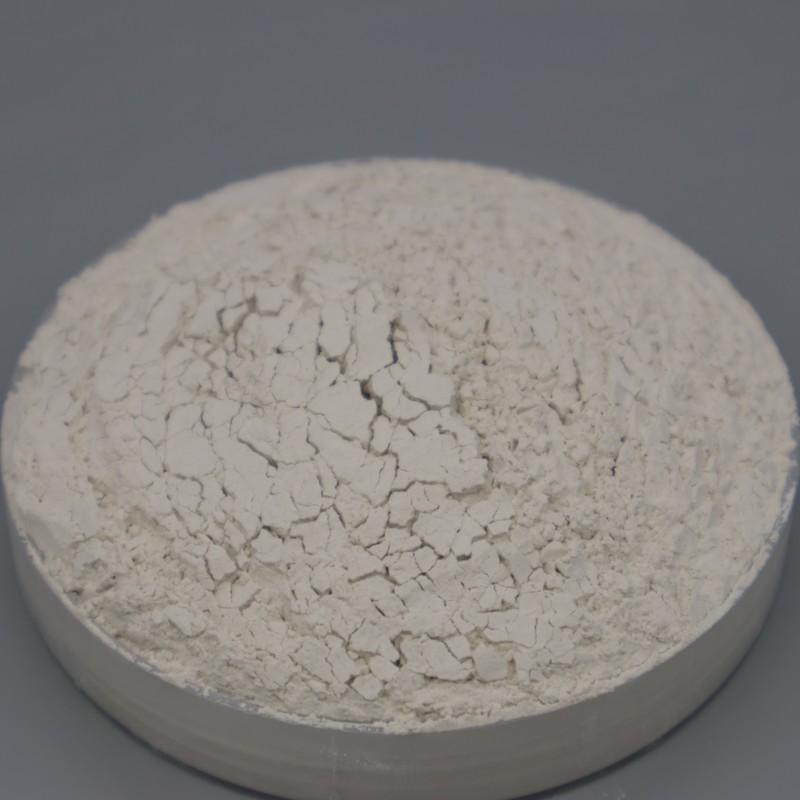
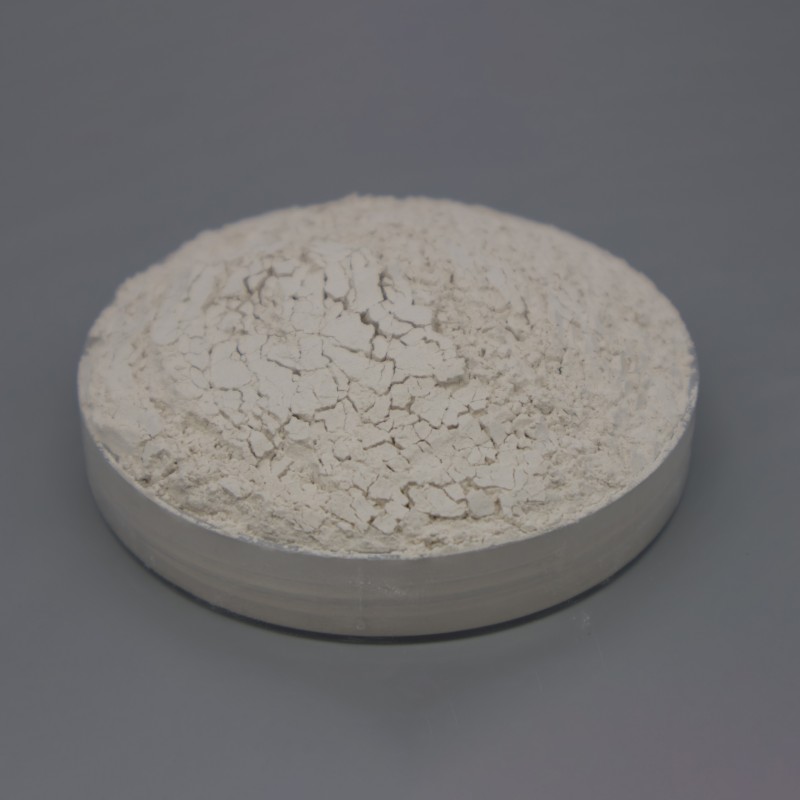
Bentonite for drilling mud is a specialized clay material essential for formulating water-based drilling fluids used in various applications, including oil drilling, gas exploration, water well drilling, mineral exploration, horizontal directional drilling, bored piling, diaphragm walls, trenchless construction, and other underground engineering projects. The primary mineral component of this bentonite is montmorillonite, a unique layered clay mineral that hydrates, disperses, swells, and forms a colloidal suspension when mixed with water. This remarkable property imparts excellent viscosity, carrying capacity, fluid loss control, and borehole wall stabilization to drilling mud. In drilling operations, bentonite is far more than a mere filler; it serves as a crucial drilling fluid additive that enhances the performance of drilling fluids. A well-hydrated bentonite slurry effectively suspends drill cuttings, transports them to the surface, cools and lubricates the drill bit, creates a thin filter cake on the borehole wall, reduces fluid loss into permeable formations, and maintains borehole stability. If the quality of the bentonite is inadequate, the drilling mud may exhibit poor viscosity, rapid sedimentation, increased filtration loss, weak wall protection, and ultimately unstable drilling performance. As a leading supplier in China, WANCHENG MINERAL provides high-grade drilling bentonite products tailored for various drilling and civil engineering applications. We offer natural sodium bentonite, activated bentonite, and customizable bentonite powders in varying viscosities, swelling capacities, particle sizes, moisture contents, and packaging options, ensuring reliable bulk supply and export-ready packaging. Selecting the right bentonite for drilling mud should be based on the drilling method, soil or formation conditions, water quality, slurry design, equipment type, and local project standards. For oilfield drilling, customers often prioritize rheological behavior, filtration control, and compatibility with other additives. In water well drilling and HDD projects, rapid hydration, good viscosity, and borehole stabilization are critical. For piling and civil engineering slurries, stable suspension and wall support are paramount. WANCHENG MINERAL, a trusted factory in the industry, is ready to discuss application specifics and recommend suitable drilling bentonite grades for your testing needs.

    This is a paragraph

    This is a paragraph

    This is a paragraph

    Chemical Component Typical Content Description
    SiO2 55% - 70% Main silicate component
    Al2O3 12% - 20% Main alumina component
    Fe2O3 2% - 6% Varies by ore source
    MgO 1% - 5% Typical clay mineral component
    CaO 0.5% - 4% Varies by bentonite type
    Na2O 1% - 4% Important for sodium bentonite performance
    K2O 0.5% - 2.5% Minor alkali component
    Loss on Ignition 6% - 12% Depends on moisture and clay structure
    Frequently Asked Questions
    What is the primary chemical component of this material?

    The main chemical component is Silicon Dioxide (SiO2), which typically accounts for 55% to 70% of the total composition, serving as the primary silicate structure.

    Why is the content of Na2O important for bentonite?

    Na2O (Sodium Oxide) content, ranging from 1% to 4%, is critical for the swelling capacity, gelling properties, and overall performance of sodium bentonite.

    What causes the variation in CaO and Fe2O3 levels?

    The levels of Fe2O3 (2% - 6%) and CaO (0.5% - 4%) vary depending on the specific geological ore source and the natural type of bentonite clay processed.

    What does "Loss on Ignition" (LOI) represent?

    Loss on Ignition (6% - 12%) measures the weight loss of the material when heated to high temperatures, representing the release of moisture and structurally bound water within the clay.

    Are there alkali metals present in the composition?

    Yes, both Sodium Oxide (Na2O at 1% - 4%) and Potassium Oxide (K2O at 0.5% - 2.5%) are present as alkali components that influence the chemical behavior of the clay.

    This is a paragraph

    This is a paragraph

    This is a paragraph

    This is a paragraph

    This is a paragraph

    This is a paragraph

    This is a paragraph

    This is a paragraph

    This is a paragraph

    This is a paragraph

    This is a paragraph

    This is a paragraph

    This is a paragraph

    This is a paragraph

    This is a paragraph

    Application Image Grid Placeholder

    FAQ

    • This is a paragraph

    • This is a paragraph

    • This is a paragraph

    • This is a paragraph

    • This is a paragraph

    • This is a paragraph

    • This is a paragraph

    • This is a paragraph

      This is a paragraph

    This is a paragraph

    This is a paragraph

    This is a paragraph
    This is a paragraph