Leave Your Message

Bentonite for Foundry Applications - Quality Clay Binder from China Suppliers and Factory for Optimal Metal Casting

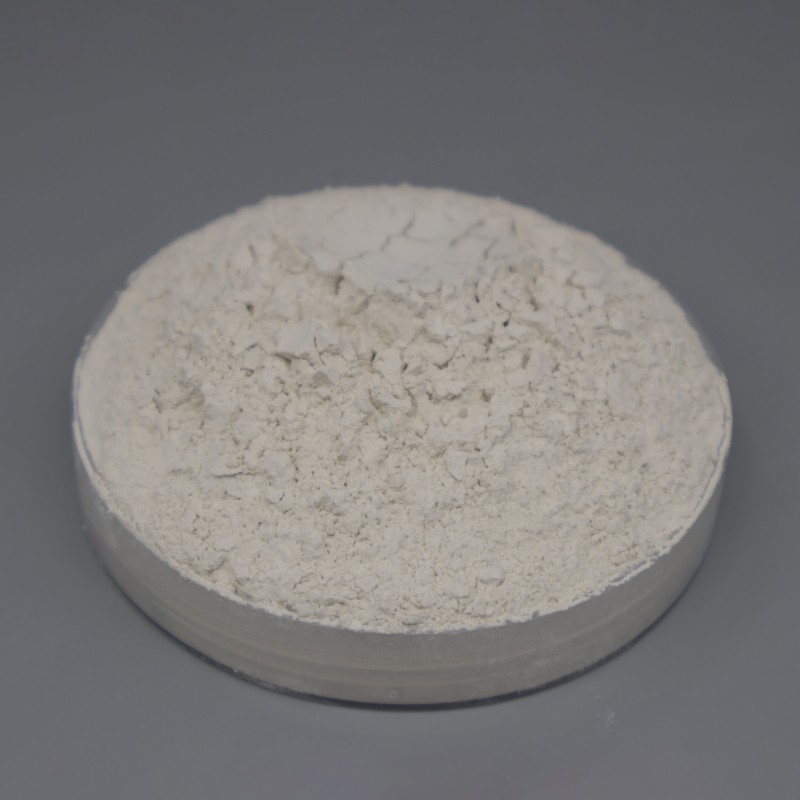
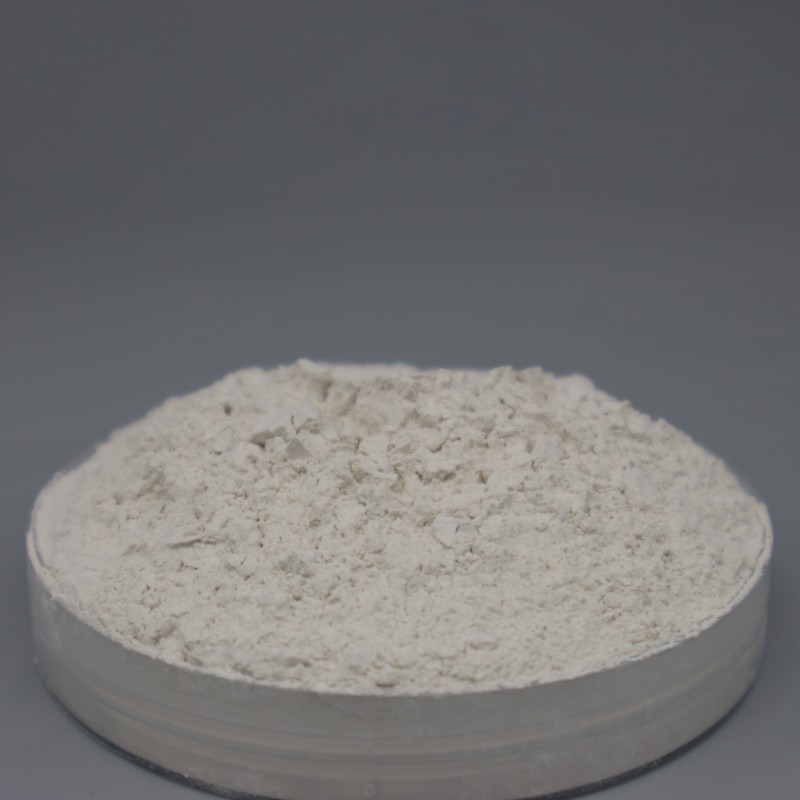
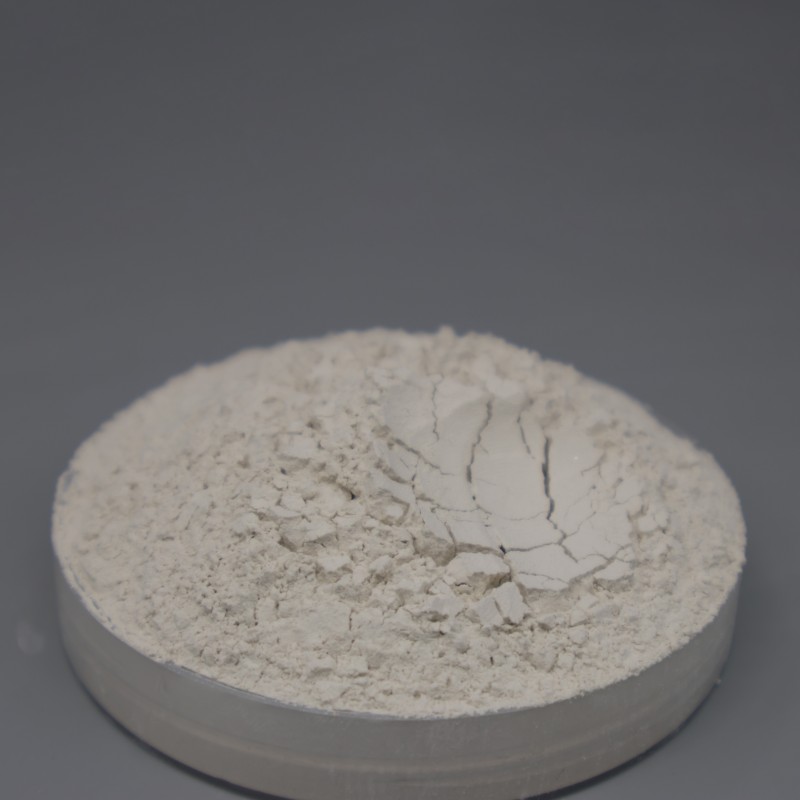
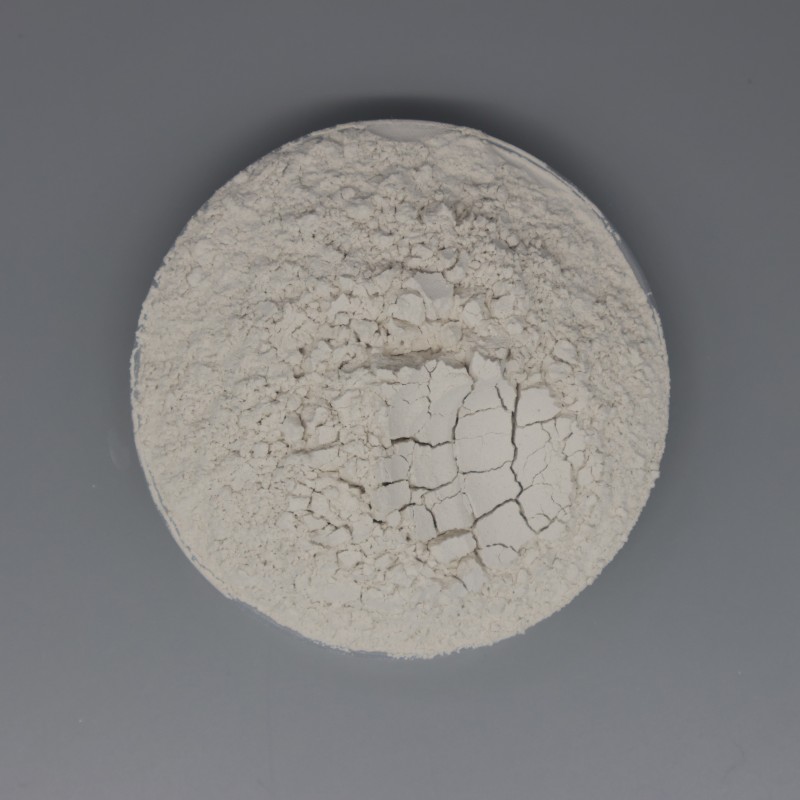
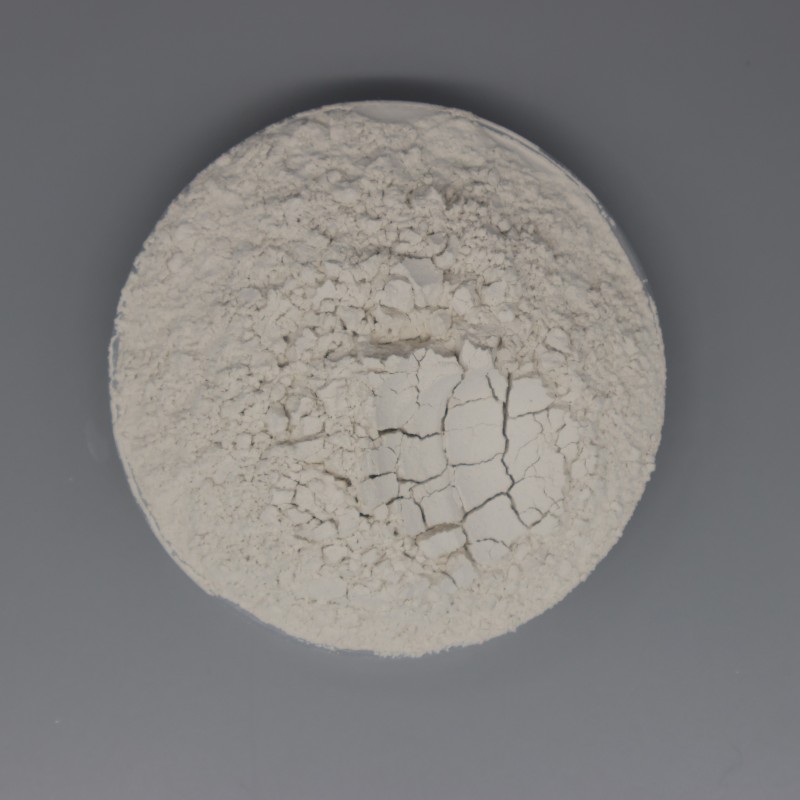
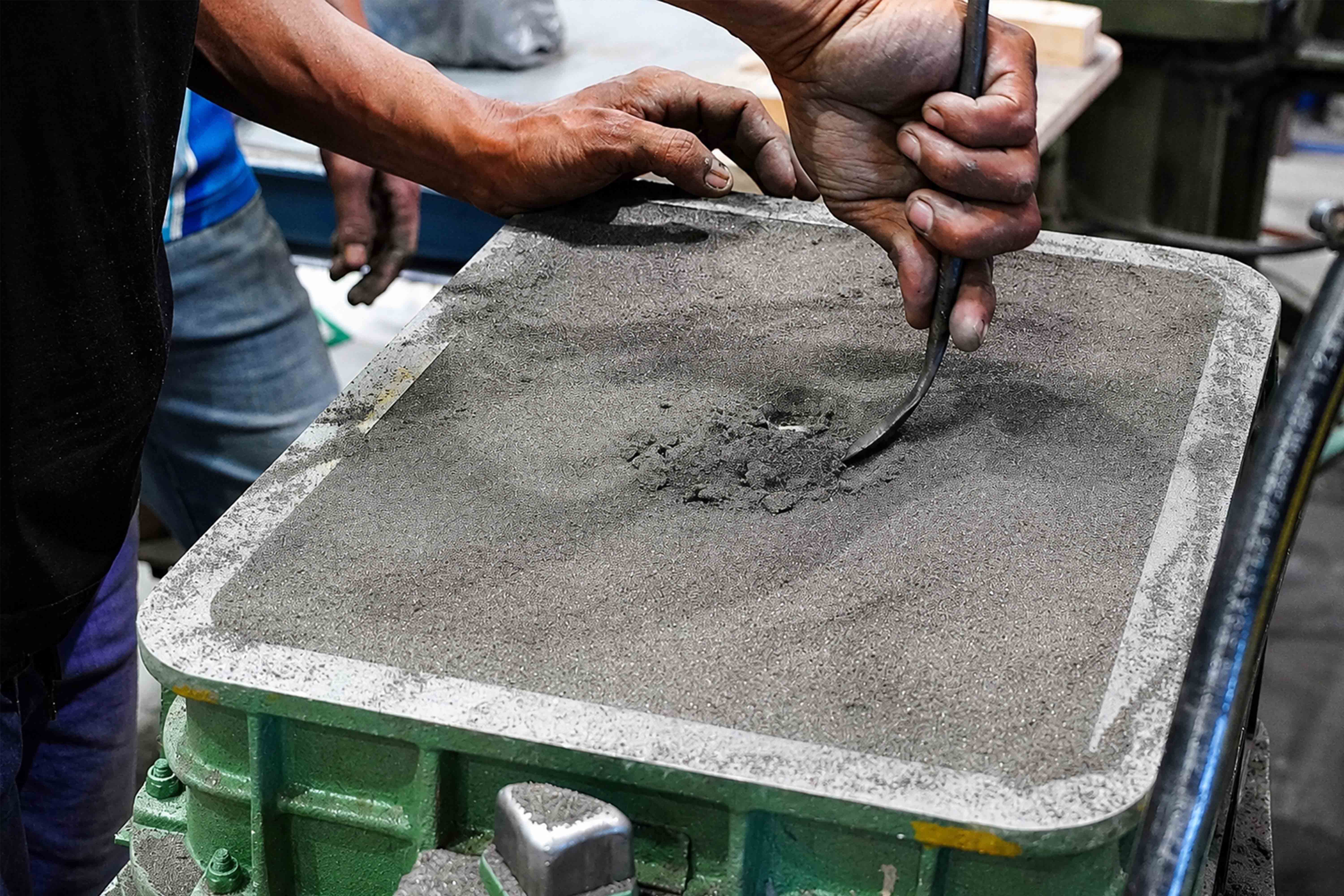
Bentonite for foundry applications is a specialized clay binder, crucial for green sand molding systems used in metal casting. Composed primarily of montmorillonite, this functional clay is prized for its exceptional bonding strength, plasticity, water retention, and swelling properties, which help maintain the shape of molding sand during the casting process. In a foundry sand system, bentonite collaborates with silica sand, water, carbon additives, and other auxiliary materials to produce molds with adequate green strength, dry strength, hot strength, collapsibility, and surface stability.

WANCHENG MINERAL, a leading China supplier, offers high-quality bentonite for foundry usage to casting plants, foundry material distributors, and molding sand suppliers globally. Our bentonite can be derived from sodium bentonite, calcium bentonite, or activated bentonite based on customer specifications. Sodium bentonite typically delivers superior swelling and bonding capabilities, while calcium bentonite may be suitable for specific foundry formulations when appropriately selected or activated. The optimal grade should be chosen considering the sand type, casting metal, moisture content, equipment used, reclamation system, and the desired mold performance.

In contemporary foundry production, maintaining consistent bentonite quality is vital. Variability in bonding strength, moisture fluctuations, poor dispersion, excess impurities, or inconsistent particle sizes can lead to casting defects such as sand inclusion, scabbing, erosion, mold breakage, poor surface finishes, and unstable molding performance. WANCHENG MINERAL focuses on rigorous raw material selection, controlled grinding, moisture management, precise screening, batch inspections, and meticulous export packaging to ensure stable production for our international customers.

This product page is tailored for professional foundry buyers seeking a dependable bentonite binder for green sand molding, iron casting, steel casting, non-ferrous casting, machine molding, hand molding, and sand reclamation systems. As a trusted factory in China, WANCHENG MINERAL is committed to providing samples and facilitating technical discussions before bulk orders, enabling customers to identify the most suitable foundry bentonite grade through their own sand testing and casting trials.

    This is a paragraph

    This is a paragraph

    This is a paragraph

    Chemical Component Typical Content Description
    SiO2 55% - 65% Main silicate component
    Al2O3 13% - 20% Main alumina component
    Fe2O3 2% - 6% Affects color and mineral characteristics
    MgO 1% - 5% Typical clay mineral component
    CaO 0.5% - 4% Varies by calcium content
    Na2O 0.5% - 4% Important for sodium bentonite or activation
    K2O 0.5% - 2% Minor alkali component
    Loss on Ignition 5% - 12% Depends on moisture and mineral structure
    Frequently Asked Questions (FAQ)
    What is the primary chemical component in this mineral?
    The primary component is Silicon Dioxide (SiO2), which constitutes approximately 55% to 65% of the total composition, acting as the structural silicate foundation.
    Why is Na2O content significant in this composition?
    Na2O (0.5% - 4%) is critical for defining sodium bentonite properties and plays an essential role in mineral activation, swelling capacity, and dispersion performance.
    What causes the variation in Loss on Ignition (5% - 12%)?
    Loss on Ignition values vary between 5% and 12% depending on the natural moisture levels and the bound crystalline water within the mineral layer structure.
    How does Fe2O3 affect the material's properties?
    Iron oxide (Fe2O3), present at 2% to 6%, directly influences the visual pigmentation/color of the mineral as well as specific chemical characteristics.
    What role does Al2O3 serve in the mineral structure?
    Aluminum oxide (Al2O3), accounting for 13% to 20%, functions as the key alumina constituent forming the octahedral sheet in the clay mineral matrix.
    How do CaO and MgO contribute to the mineral grade?
    CaO (0.5% - 4%) and MgO (1% - 5%) represent exchangeable divalent cations and clay mineral components that determine whether the deposit is calcium-dominated or requires modification.

    This is a paragraph

    This is a paragraph

    This is a paragraph

    This is a paragraph

    This is a paragraph

    This is a paragraph

    This is a paragraph

    This is a paragraph

    This is a paragraph

    This is a paragraph

    This is a paragraph

    This is a paragraph

    This is a paragraph

    This is a paragraph

    This is a paragraph

    Application Image Grid Placeholder

    FAQ

    • This is a paragraph

    • This is a paragraph

    • This is a paragraph

    • This is a paragraph

    • This is a paragraph

    • This is a paragraph

    • This is a paragraph

    • This is a paragraph

      This is a paragraph

    This is a paragraph

    This is a paragraph

    This is a paragraph
    This is a paragraph