
This is a paragraph
This is a paragraph

Hot Products
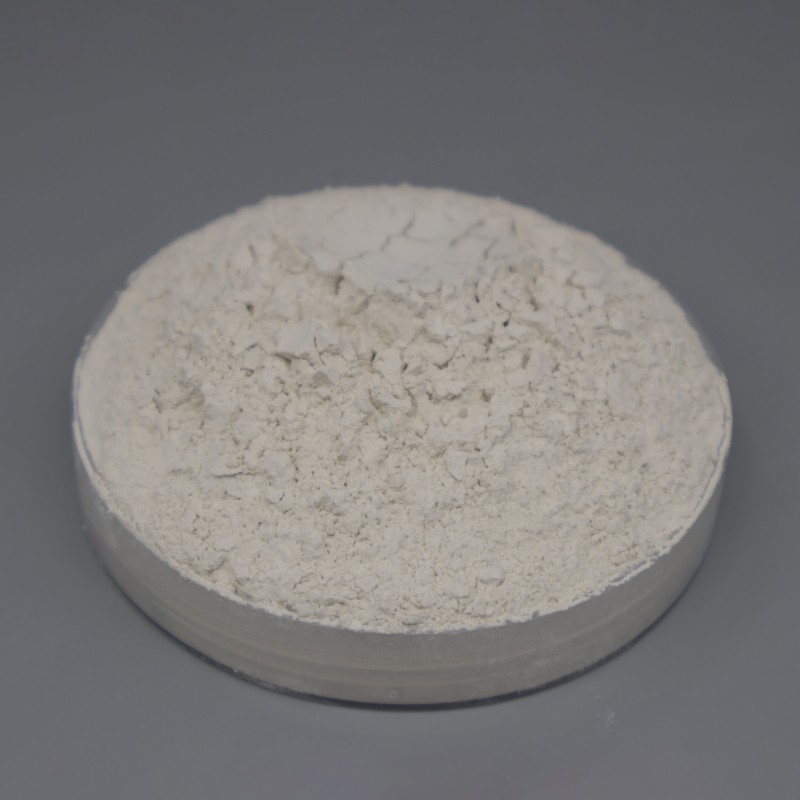
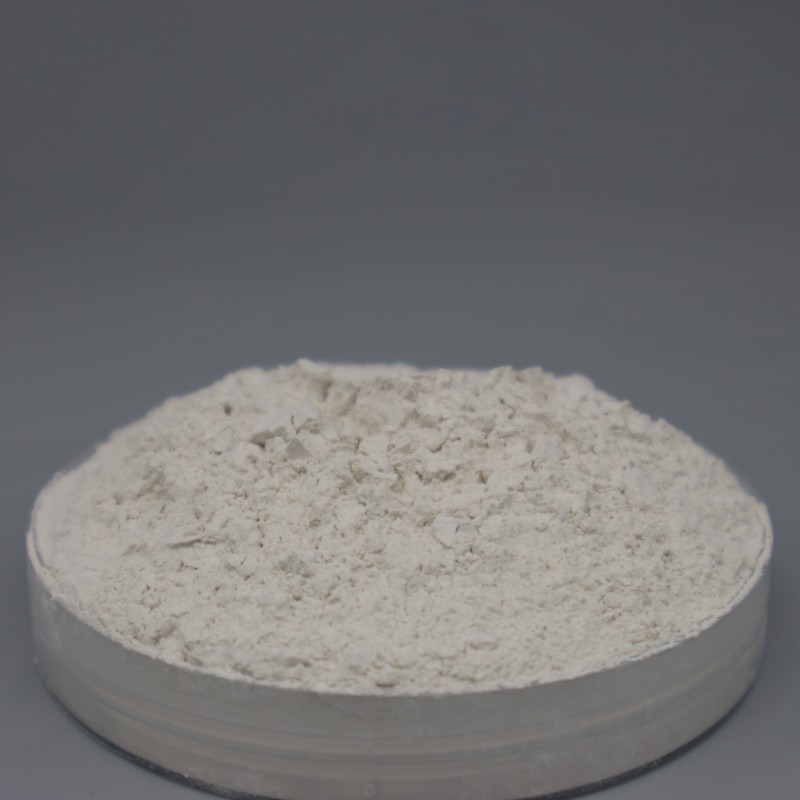
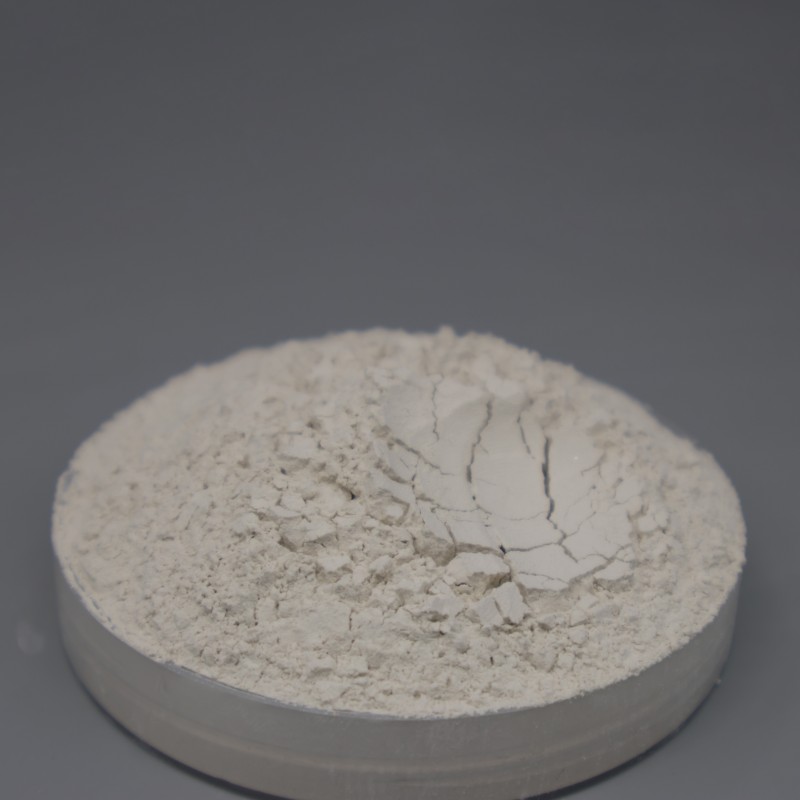
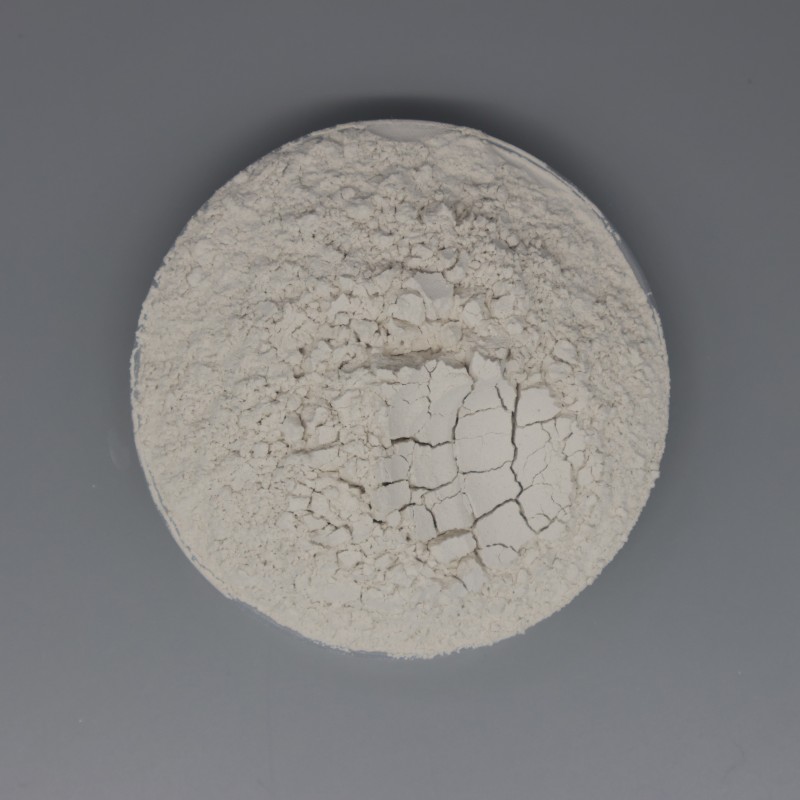
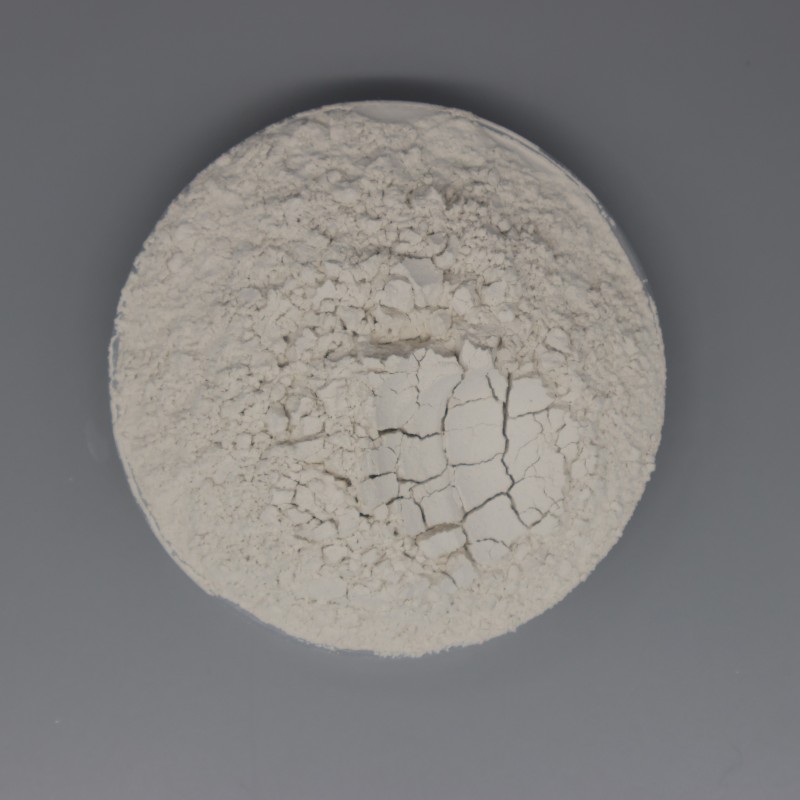
Bentonite for Foundry Applications - Reliable China Suppliers and Quality Factory Products
| Chemical Component | Typical Content | Description |
|---|---|---|
| SiO2 | 55% - 65% | Main silicate component |
| Al2O3 | 13% - 20% | Main alumina component |
| Fe2O3 | 2% - 6% | Affects color and mineral characteristics |
| MgO | 1% - 5% | Typical clay mineral component |
| CaO | 0.5% - 4% | Varies by calcium content |
| Na2O | 0.5% - 4% | Important for sodium bentonite or activation |
| K2O | 0.5% - 2% | Minor alkali component |
| Loss on Ignition | 5% - 12% | Depends on moisture and mineral structure |
Frequently Asked Questions (FAQ)
What is the predominant chemical component in this mineral composition?
Silicon Dioxide (SiO2) is the primary component, typically accounting for 55% to 65% of the total composition as the main silicate structure.
Why is the Na2O content critical?
Na2O ranges from 0.5% to 4% and plays an essential role in defining natural sodium bentonite properties and facilitating chemical activation processes.
What does the Loss on Ignition (LOI) value represent?
Loss on Ignition (5% to 12%) represents mass lost upon high-temperature heating, which corresponds directly to moisture content and structural mineral water.
How does Fe2O3 affect the material?
Iron oxide (Fe2O3), present at 2% to 6%, directly influences the coloration, thermal response, and specific mineral characteristics of the clay.
What role does Al2O3 play in the mineral?
Aluminium oxide (Al2O3) accounts for 13% to 20% and forms the main alumina backbone essential for the octahedral sheets in clay mineral structures.
Why do CaO and MgO ranges vary?
CaO (0.5% - 4%) and MgO (1% - 5%) vary naturally based on the geological deposit source and whether the mineral is calcium-dominant or contains specific smectite/montmorillonite layers.
This is a paragraph
This is a paragraph
This is a paragraph
This is a paragraph
This is a paragraph
This is a paragraph
This is a paragraph
This is a paragraph
This is a paragraph
This is a paragraph
This is a paragraph
-
This is a paragraph
-
This is a paragraph
-
This is a paragraph
-
This is a paragraph
-
This is a paragraph
-
This is a paragraph
-
This is a paragraph
-
This is a paragraph
This is a paragraph