Leave Your Message

Bentonite for Foundry from China Suppliers - High-Quality Manufacturing Factory Solutions for Green Sand Molding

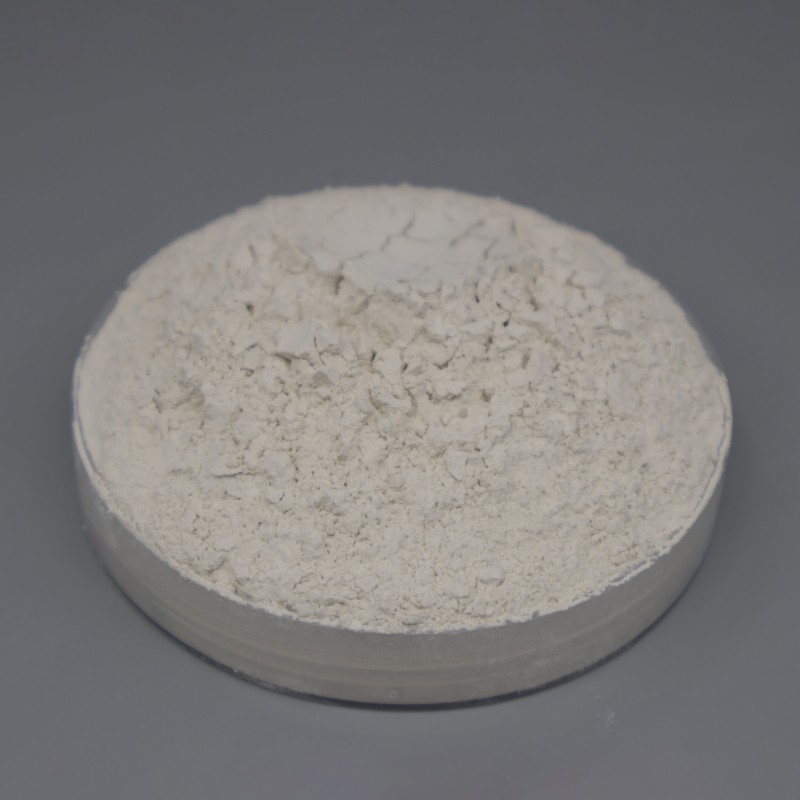
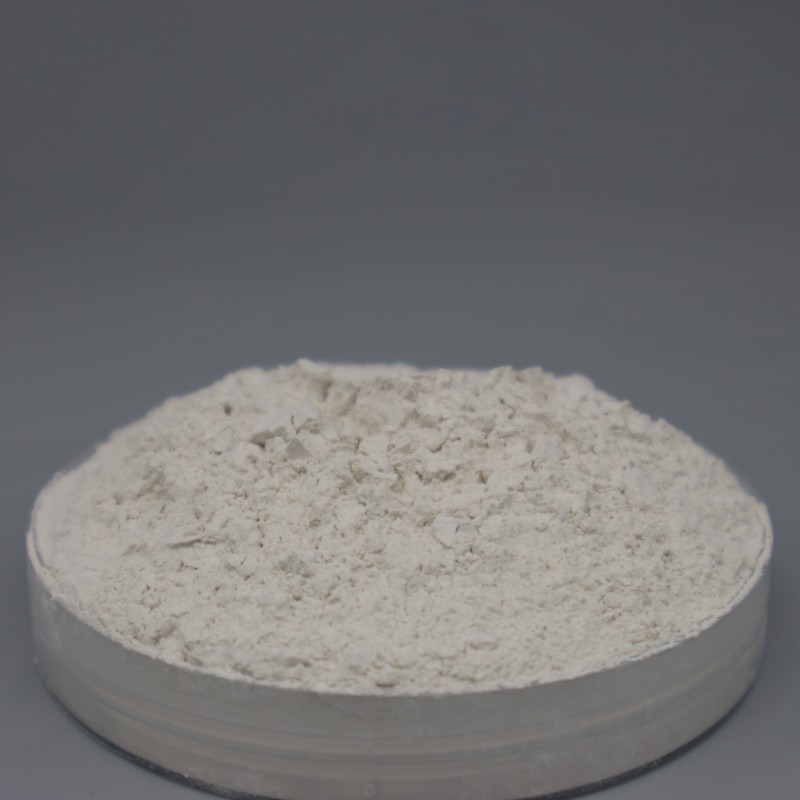
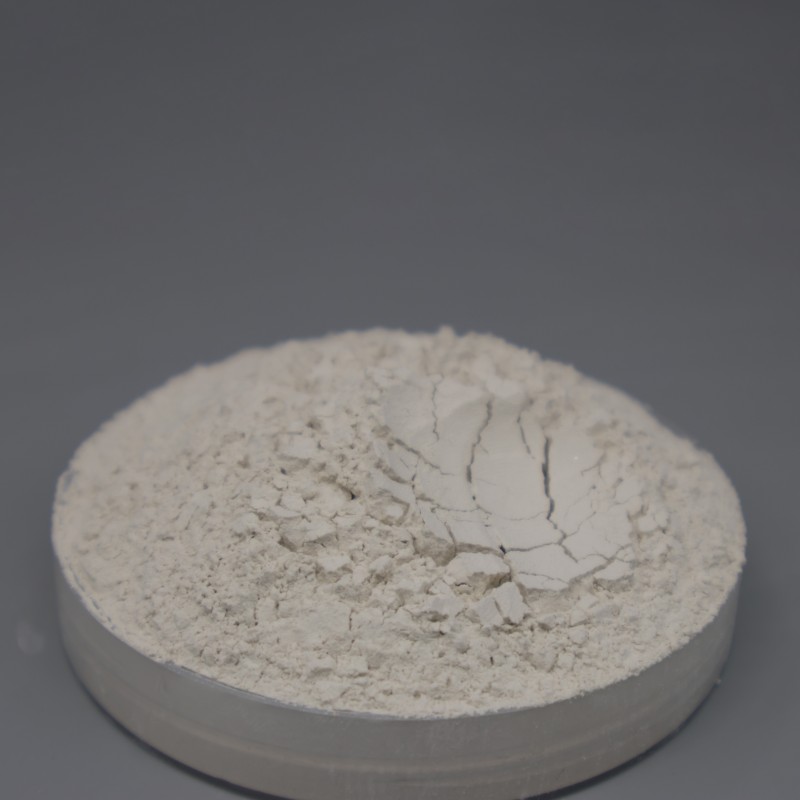
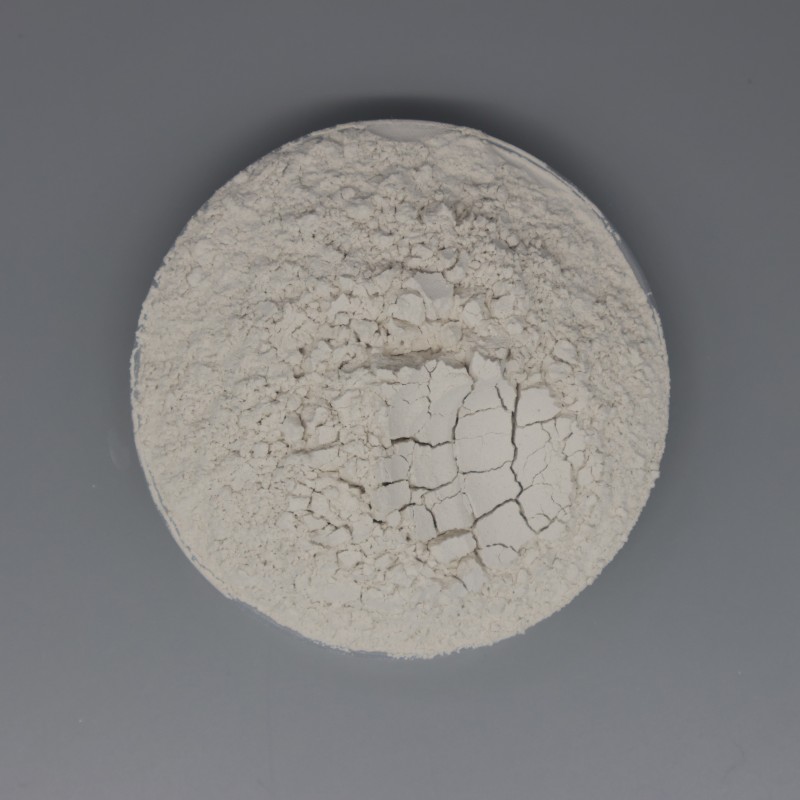
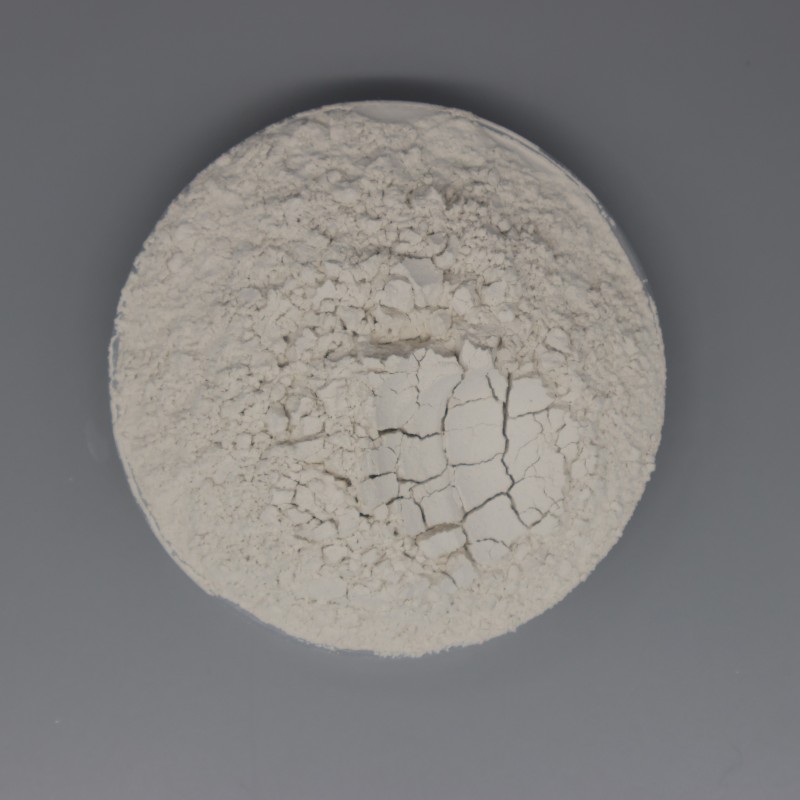
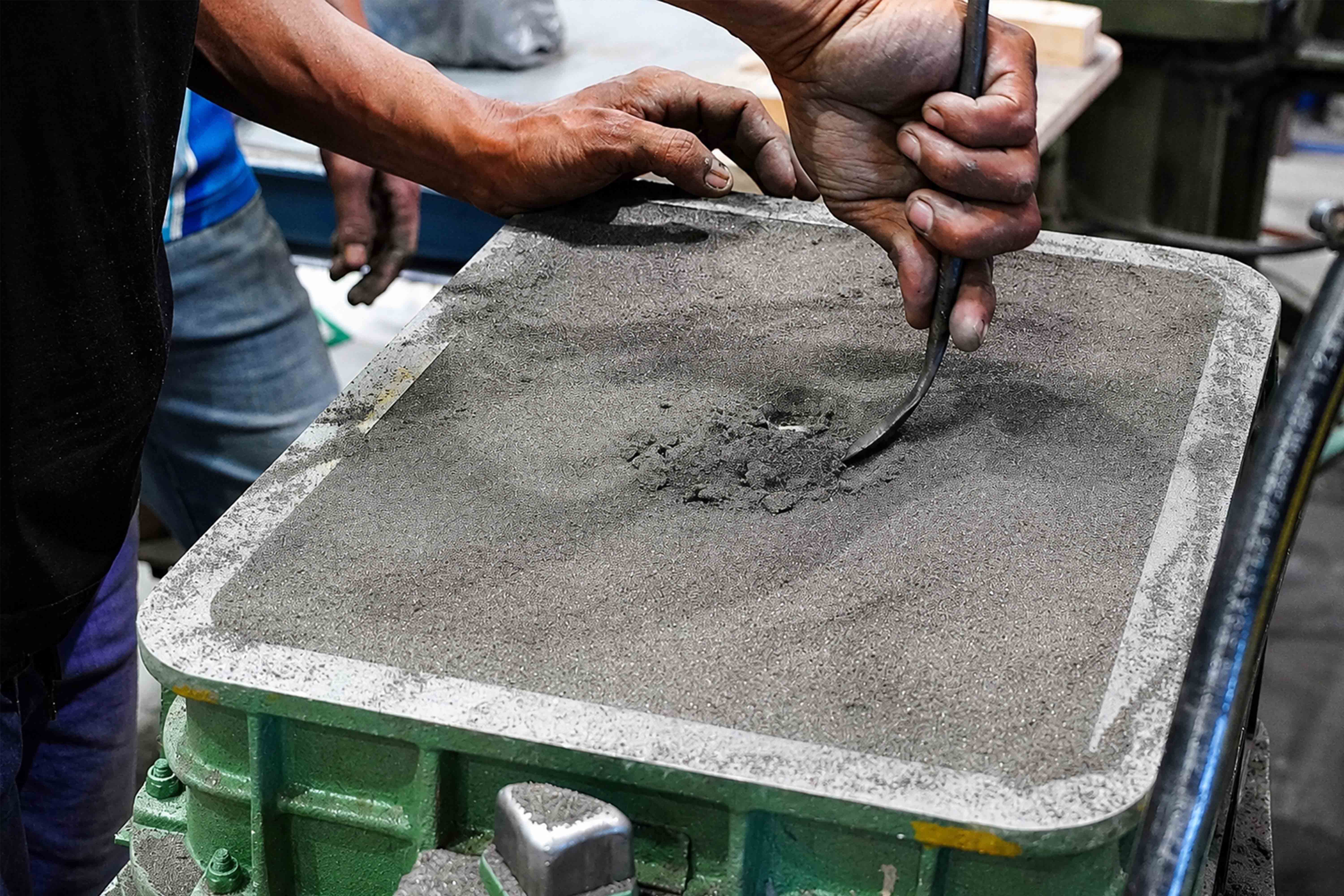
Bentonite for foundry applications is a specialized clay binder essential for green sand molding systems in metal casting, prominently utilized by manufacturers in China. Composed primarily of montmorillonite, this high-performance bentonite is renowned for its exceptional bonding strength, plasticity, moisture retention, and swelling characteristics. These properties enable the molding sand to maintain its shape during the casting process, ensuring high-quality outcomes.

As a leading supplier in the industry, WANCHENG MINERAL provides premium bentonite specifically designed for foundries, catering to casting plants, distributors of foundry materials, and industrial mineral users globally. Our factory produces different grades of foundry bentonite, including sodium bentonite, calcium bentonite, and activated bentonite, tailored to meet specific customer needs. Sodium bentonite is known for its superior swelling and bonding capabilities, while calcium bentonite can be effectively utilized in certain foundry formulations after appropriate selection or activation. The choice of the final grade must consider factors such as sand type, casting metal, moisture level, equipment, reclamation systems, and the required mold performance.

In modern foundry production, maintaining consistent bentonite quality is crucial. Variations in bonding strength, moisture levels, dispersion, impurities, or particle size can lead to casting defects, including sand inclusion, mold breakage, and poor surface finishes. WANCHENG MINERAL emphasizes rigorous raw material selection, precise grinding processes, effective moisture management, and thorough batch inspections to ensure stable production for our international clientele.

This product page targets professional buyers looking for reliable bentonite binders for applications such as green sand molding, iron casting, steel casting, non-ferrous casting, machine molding, hand molding, and sand reclamation systems. WANCHENG MINERAL, one of the leading suppliers in China's bentonite market, offers samples and technical support prior to large orders, ensuring customers can identify the most suitable bentonite grade through their own sand testing and casting trials.

    This is a paragraph

    This is a paragraph

    This is a paragraph

    Chemical Composition Analysis
    Chemical Component Typical Content Description
    SiO₂ 55% - 65% Main silicate component
    Al₂O₃ 13% - 20% Main alumina component
    Fe₂O₃ 2% - 6% Affects color and mineral characteristics
    MgO 1% - 5% Typical clay mineral component
    CaO 0.5% - 4% Varies by calcium content
    Na₂O 0.5% - 4% Important for sodium bentonite or activation
    K₂O 0.5% - 2% Minor alkali component
    Loss on Ignition 5% - 12% Depends on moisture and mineral structure
    Frequently Asked Questions
    Q What is the primary chemical component in this mineral?

    Silicon dioxide (SiO₂) is the primary silicate constituent, typically making up between 55% and 65% of the total composition.

    Q What is the typical concentration of alumina (Al₂O₃)?

    Al₂O₃ serves as the main alumina component with a standard content range between 13% and 20%.

    Q How does Fe₂O₃ influence the mineral's properties?

    Iron oxide (Fe₂O₃) ranges from 2% to 6% and directly affects the color and specific mineralogical characteristics.

    Q Why is Na₂O content significant in clay minerals?

    Sodium oxide (Na₂O) ranges from 0.5% to 4% and is critical for sodium bentonite classification and chemical activation processes.

    Q What does "Loss on Ignition" (LOI) represent in this analysis?

    Loss on Ignition ranges from 5% to 12% and accounts for the release of volatile substances, bound moisture, and structural water within the mineral framework.

    Q What are the typical levels of alkaline earth oxides (CaO and MgO)?

    Magnesium oxide (MgO) typically constitutes 1% to 5%, while Calcium oxide (CaO) ranges from 0.5% to 4% depending on natural calcium variations.

    This is a paragraph

    This is a paragraph

    This is a paragraph

    This is a paragraph

    This is a paragraph

    This is a paragraph

    This is a paragraph

    This is a paragraph

    This is a paragraph

    This is a paragraph

    This is a paragraph

    This is a paragraph

    This is a paragraph

    This is a paragraph

    This is a paragraph

    Application Image Grid Placeholder

    FAQ

    • This is a paragraph

    • This is a paragraph

    • This is a paragraph

    • This is a paragraph

    • This is a paragraph

    • This is a paragraph

    • This is a paragraph

    • This is a paragraph

      This is a paragraph

    This is a paragraph

    This is a paragraph

    This is a paragraph
    This is a paragraph