
This is a paragraph
This is a paragraph

Hot Products
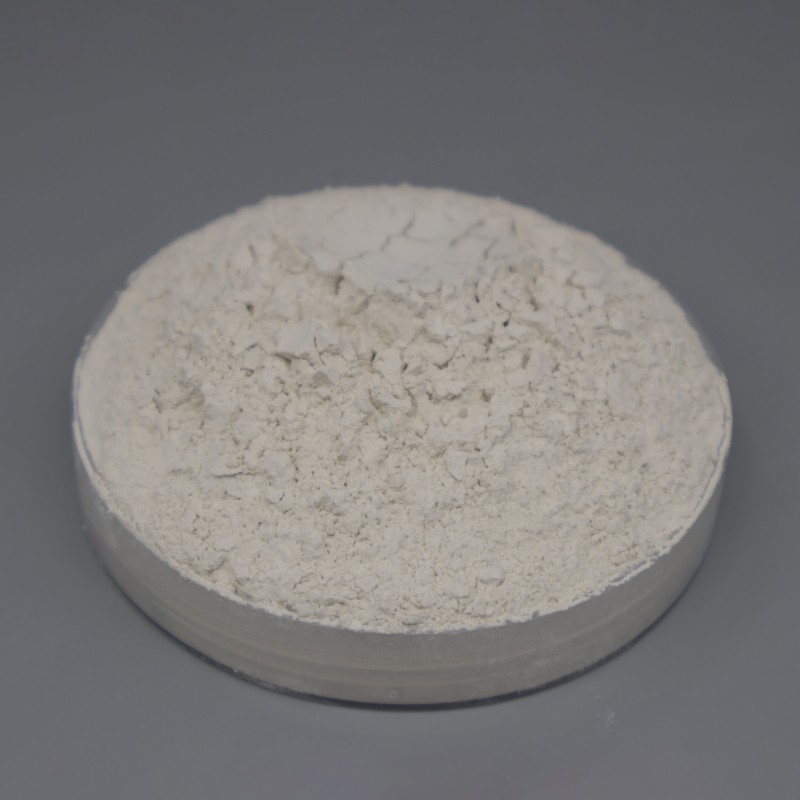
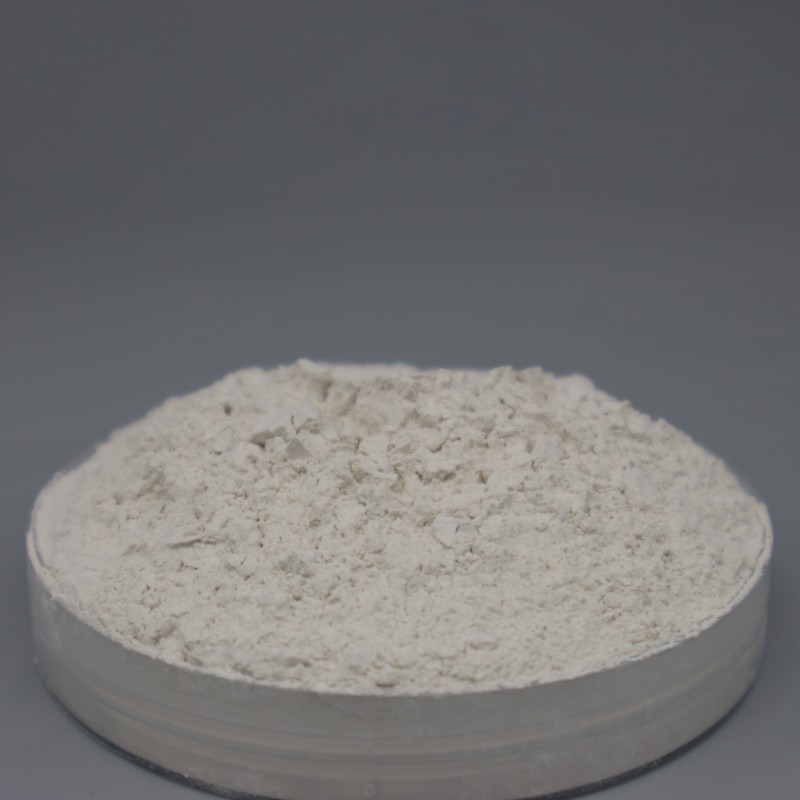
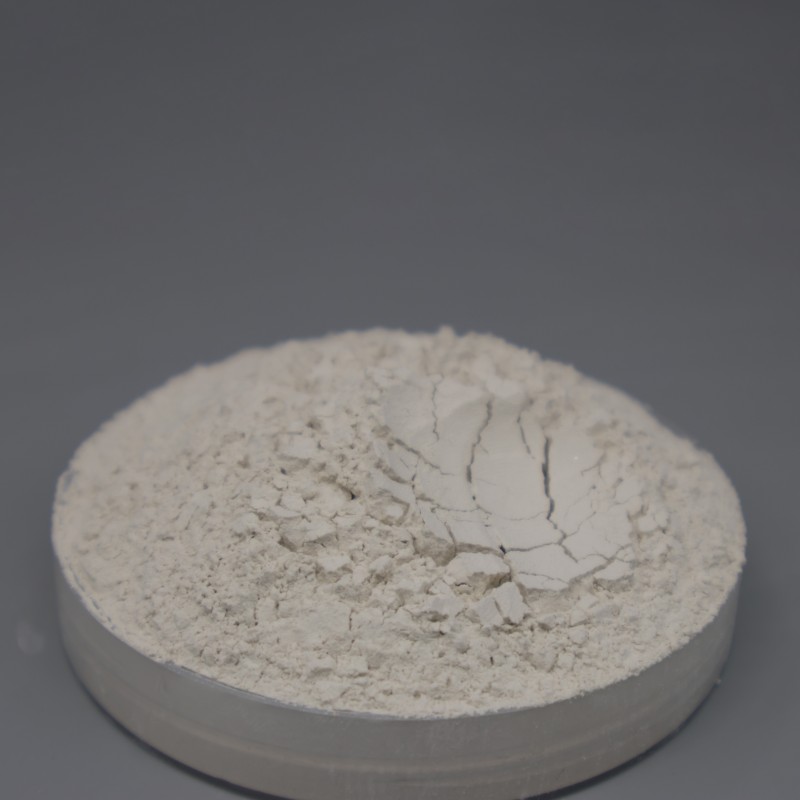
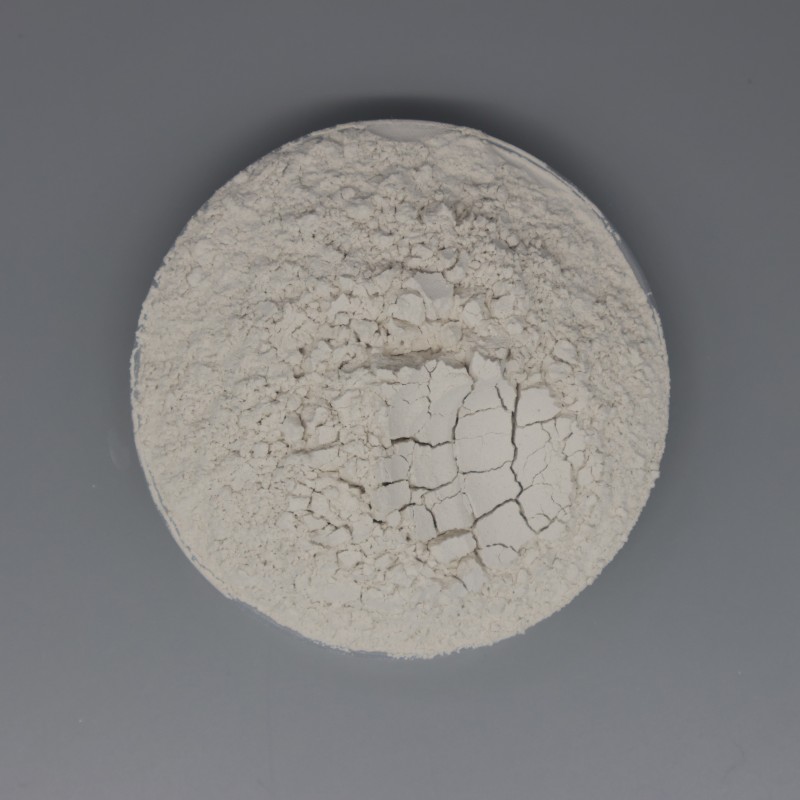
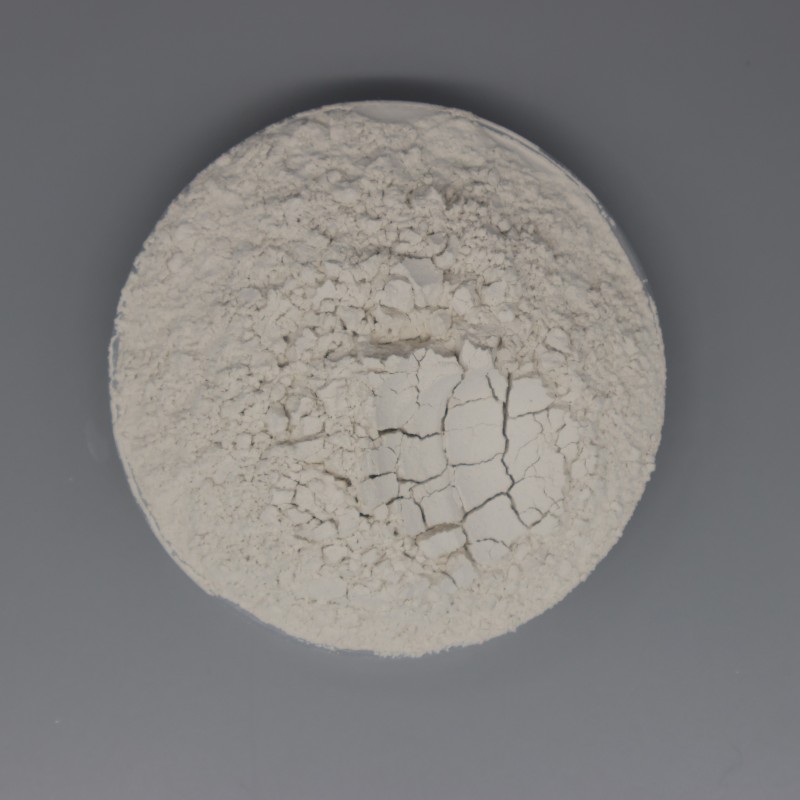
Bentonite for Foundry in China - Reliable Suppliers and Factory-Grade Clay Binder for Metal Casting
| Chemical Component | Typical Content | Description |
|---|---|---|
| SiO2 | 55% - 65% | Main silicate component |
| Al2O3 | 13% - 20% | Main alumina component |
| Fe2O3 | 2% - 6% | Affects color and mineral characteristics |
| MgO | 1% - 5% | Typical clay mineral component |
| CaO | 0.5% - 4% | Varies by calcium content |
| Na2O | 0.5% - 4% | Important for sodium bentonite or activation |
| K2O | 0.5% - 2% | Minor alkali component |
| Loss on Ignition | 5% - 12% | Depends on moisture and mineral structure |
Frequently Asked Questions
What is the primary chemical compound in this mineral composition?
Silicon Dioxide (SiO2) represents the highest proportion at 55% - 65%, serving as the essential silicate backbone of the mineral layer structure.
What role does Al2O3 play in the mineral structure?
Aluminum Oxide (Al2O3), typically ranging between 13% and 20%, acts as the main alumina sheet constituent, contributing to the structural integrity and stability of the clay minerals.
How do Na2O and CaO influence bentonite performance?
Sodium Oxide (Na2O) and Calcium Oxide (CaO) are exchangeable cation sources. Na2O is critical for swelling performance and activation, whereas CaO levels reflect the natural calcium bentonite characteristics.
Why is Fe2O3 content monitored?
Iron Oxide (Fe2O3) typically ranges from 2% to 6% and directly affects mineral coloration (imparting yellow, brown, or reddish hues) as well as specific chemical reactivity.
What does Loss on Ignition (LOI) indicate?
A Loss on Ignition value of 5% - 12% measures volatile substances—principally bound moisture, structural hydroxyl groups, and organic traces—expelled during high-temperature heating.
This is a paragraph
This is a paragraph
This is a paragraph
This is a paragraph
This is a paragraph
This is a paragraph
This is a paragraph
This is a paragraph
This is a paragraph
This is a paragraph
This is a paragraph
-
This is a paragraph
-
This is a paragraph
-
This is a paragraph
-
This is a paragraph
-
This is a paragraph
-
This is a paragraph
-
This is a paragraph
-
This is a paragraph
This is a paragraph