Industrial & Commercial Landscape of Glass Bead Blasting
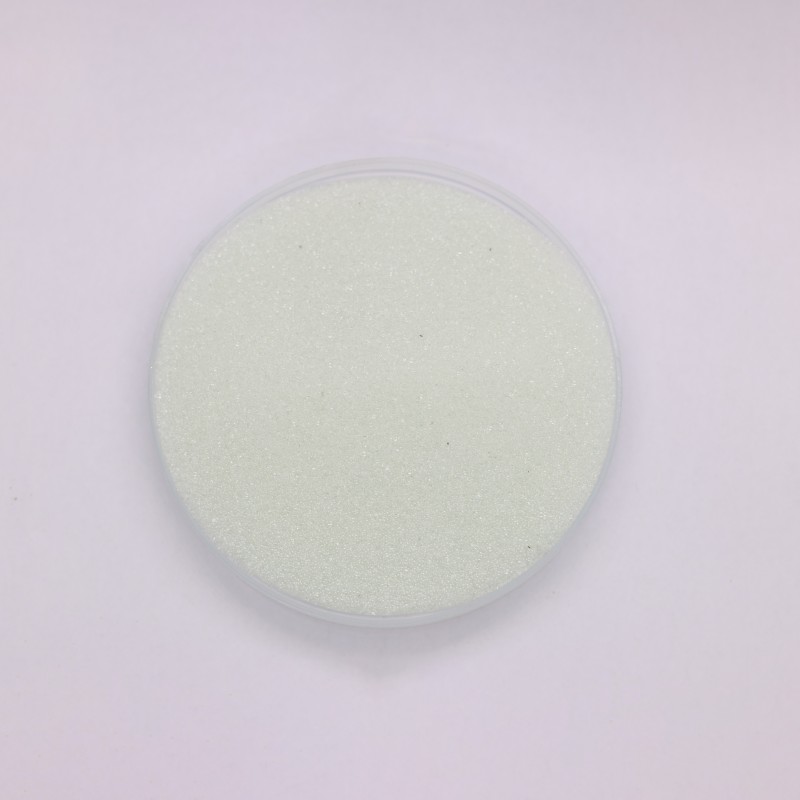
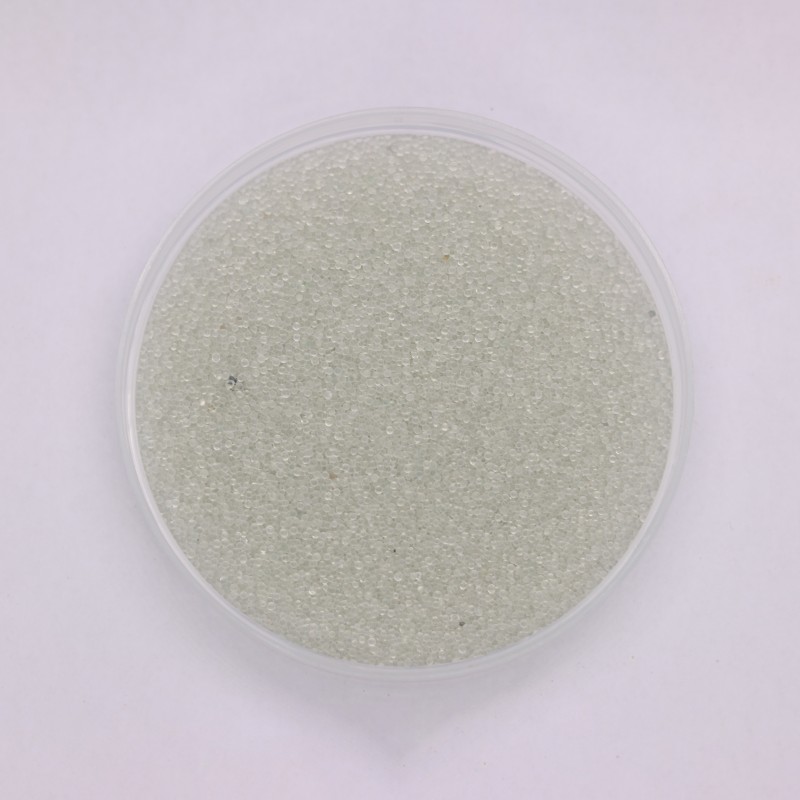
In modern manufacturing, surface preparation is no longer merely a cleaning step; it is a critical engineering process that directly affects the durability, performance, and cosmetic value of the final product. Blasting glass beads have emerged as the premier media for non-destructive surface finishing, offering a unique combination of physical properties that clean, finish, and peen surfaces without altering critical dimensional tolerances.
The Shift Toward Eco-Friendly and Safe Abrasives
Historically, industrial operations relied heavily on silica sand and slag-based abrasives. However, stringent global safety regulations (such as OSHA guidelines on crystalline silica) have forced a transition to safer alternatives. Glass beads, manufactured from chemically inert soda-lime glass, contain zero free silica. They pose no health risks of silicosis, making them the preferred choice for modern, sustainable production facilities aiming to minimize environmental impact and protect worker health.
Why Spherical Media is Superior for Surface Finishing
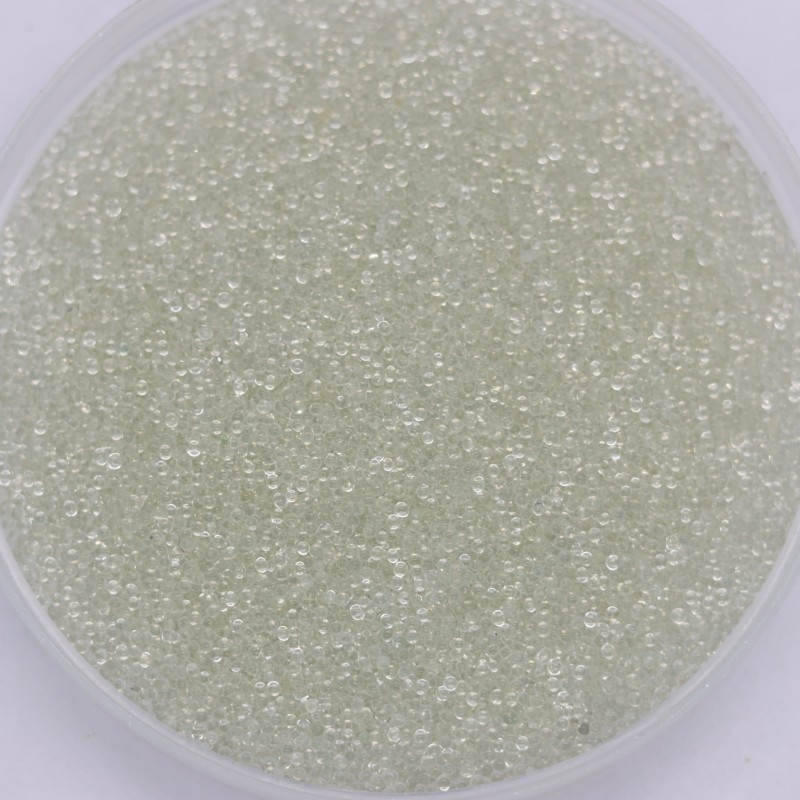
Unlike angular abrasives (like aluminum oxide or steel grit) which cut and remove the substrate metal, spherical glass beads work by a process of micro-hammering or peening. Upon impact, the round glass beads stretch the surface layer of the metal, creating a uniform matte or satin finish while inducing beneficial compressive stresses. This process cleans off scale, rust, and contaminants without removing parent metal, ensuring that precision machined components retain their exact dimensions.
Deep-Dive Application Scenarios of Blasting Glass Beads
1. Aerospace Maintenance, Repair, and Overhaul (MRO)
In the aerospace industry, the structural integrity of components is paramount. Jet engine turbine blades, landing gear assemblies, and structural airframe components are subjected to extreme stress and fatigue. Glass bead blasting is widely utilized during MRO operations to safely remove carbon deposits, oxides, and paint coatings. Because the process does not cause dimensional change, it is ideal for cleaning critical tolerances. Furthermore, controlled shot peening with high-quality glass beads increases resistance to fatigue cracks and stress corrosion cracking.
2. Medical Device & Implant Manufacturing
Medical instruments, orthopedic implants, and dental prosthetics require clean, bio-inert, and visually consistent surfaces. Blasting glass beads provide a controlled satin finish on surgical tools, reducing glare under bright operating room lights. For implants, the textured surface created by glass beads enhances biocompatibility and bone integration. The chemical inertness of glass ensures no toxic residues are left on the metal surface, meeting strict FDA and ISO standards.
3. Stainless Steel & Sanitary Equipment Fabrication
For industries involving food processing, pharmaceuticals, and chemical storage, stainless steel fabrication must meet strict hygienic standards. Weld joints, heat tint, and surface blemishes are cleaned using glass beads to create a uniform, non-directional surface roughness. This smooth, matte finish makes the equipment easy to clean and sanitize, preventing bacterial adhesion and chemical contamination.
4. Precision Mold and Die Maintenance
Molds used in rubber molding, plastic injection, and glass container production experience material buildup over time. Chemical cleaning is environmentally hazardous, and aggressive abrasives can damage the sharp edges and complex geometries of the molds. Glass bead blasting offers a fast, dry, and safe method to clean delicate mold cavities without wearing down the mold surfaces, extending tool life and ensuring consistent molded parts.