Leave Your Message
Advanced Mineral & Filtration Solutions

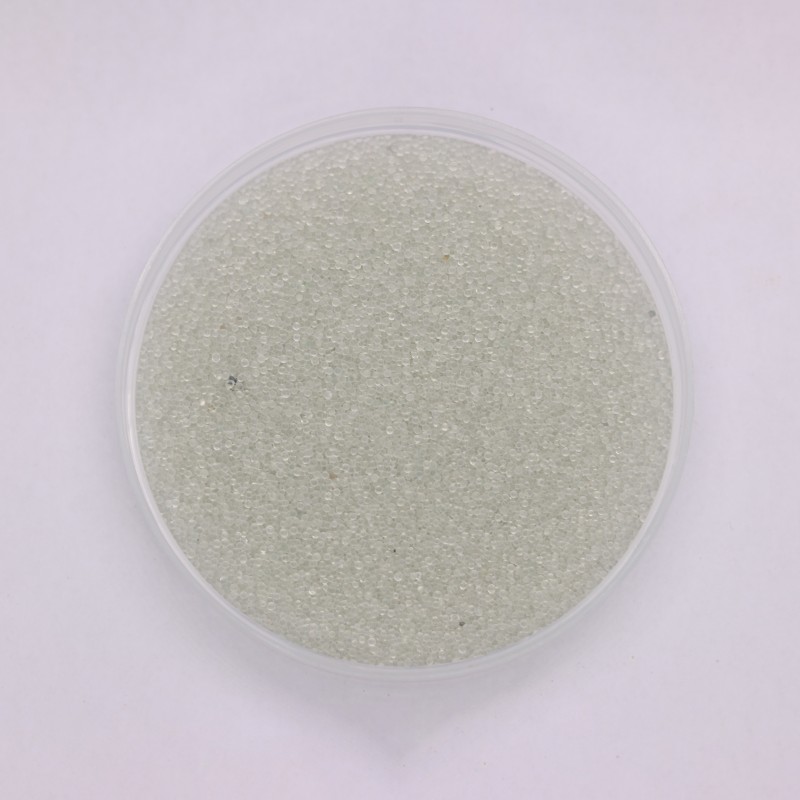
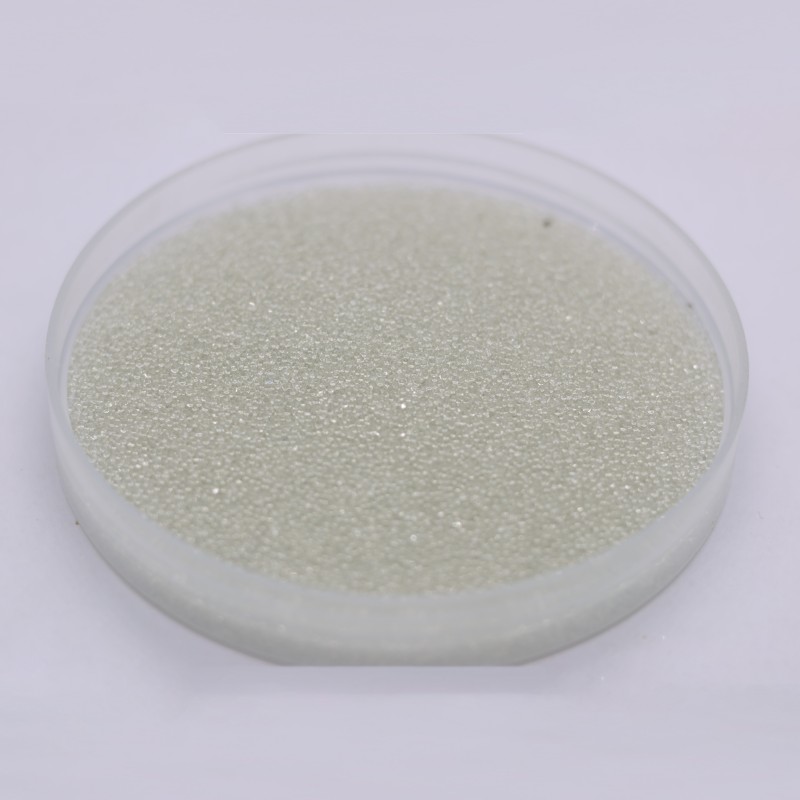
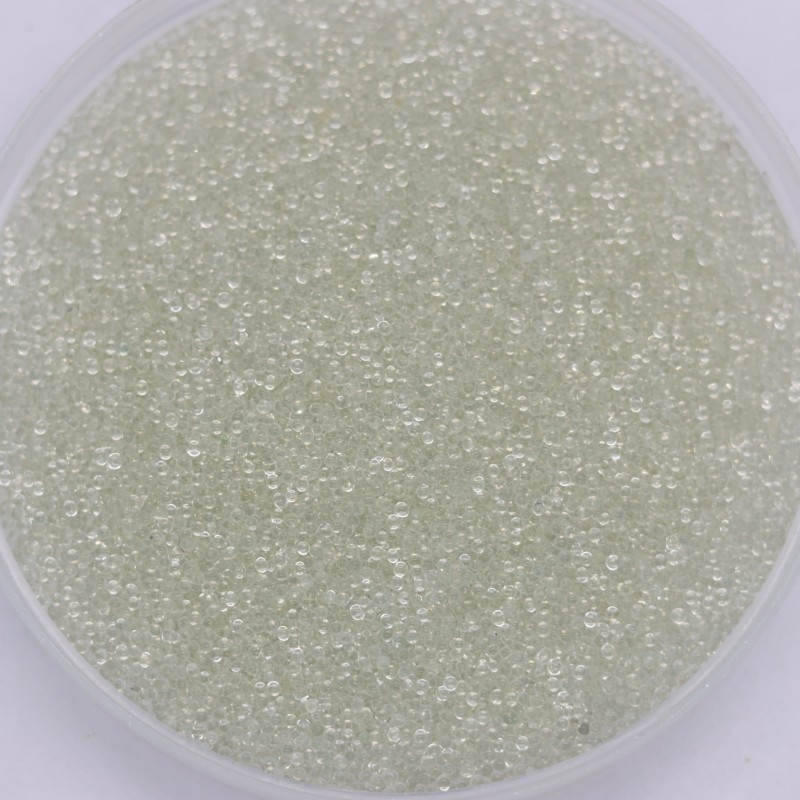
Blasting Glass Beads For Water Treatment And Filtration

Engineered high-purity glass microspheres designed for enhanced fluidized backwash efficiency, chemical-free pathogen reduction, and precision surface conditioning in modern water purification plants.

Technological Breakthrough

Industrial Paradigm: Why Glass Beads are Transforming Water Purification

Discover how engineered soda-lime and borosilicate spherical glass media solve the inherent limitations of conventional silica sand, quartzite, and anthracite in modern fluid filtration plants.

Perfect Spherical Hydraulics

Unlike angular silica sand which tends to pack unevenly and create preferential flow channels, spherical glass beads ensure a uniform void space fraction. This structure drastically lowers initial clean bed head loss by 25% to 40%, optimizing pump energy efficiency across municipal and industrial intake filters.

Non-Porous & Anti-Biofouling

Natural silica sand grains possess microscopic surface fissures that harbor bacteria, algae, and organic biofilms. Thermally smoothed glass beads feature zero internal porosity, neutralizing the colonization sites for bio-fouling and substantially reducing the chemical dosage required for chlorination or sanitization.

50% Backwash Water Savings

Due to smooth surface energy and optimized specific gravity (2.5 g/cm³), entrained suspended solids release effortlessly during fluidized backwashing. Treatment plants achieve total bed regeneration in half the time, cutting backwash water consumption by up to 50% and protecting regional water resources.

Mechanisms of Glass Beads in Fluidized Bed Separation and Sandblasting Remediation

The intersection of non-metallic mineral processing and high-efficiency water filtration has unlocked unprecedented breakthroughs in environmental engineering. Blasting glass beads—originally formulated for precision peening and surface micro-profiling—have gained substantial prominence as a dual-role material in water infrastructure. On one hand, these beads serve as an ultra-pure, inert, and mechanically resilient filtration medium capable of capturing sub-micron colloidal particles. On the other hand, specialized blasting glass beads are deployed in mechanical refurbishment processes to decontaminate, descale, and restore fouled stainless steel membrane housing modules, intake diffusers, and centrifugal impeller components without compromising dimensional tolerances.

From an environmental compliance standpoint, traditional sand media containing crystalline quartz poses health risks (such as silicosis) during transport, bed charging, and maintenance purging. In contrast, chemically inert soda-lime glass beads are manufactured without free crystalline silica, providing a safer, cleaner, and completely recyclable alternative that complies with stringent occupational and environmental regulatory frameworks globally.

Versatile Industrial Applications

Deep Dive: Critical Application Scenarios Across Water Engineering

1. Drinking Water Clarification & Pre-RO Filtration

In potable water utilities, glass bead media beds filter out fine silt, cryptosporidium oocysts, and suspended iron/manganese floc. When positioned upstream of Reverse Osmosis (RO) membranes, glass bead filtration lowers the Silt Density Index (SDI < 3), dramatically extending expensive polyamide membrane lifetimes and curtailing clean-in-place (CIP) frequencies.

2. Industrial Wastewater & Petrochemical Effluent Scrubbing

In oily water separators and petrochemical wastewater treatment facilities, glass beads act as coalescing matrices. Their inert surface chemistry resists aromatic hydrocarbons, caustic washes, and acidic effluents (pH 2-12), enabling swift flocculation and gravitational skimming of emulsified hydrocarbons without degrading the filter pack.

3. Recirculating Aquaculture Systems (RAS) & High-Rate Sand Filters

Commercial aquaculture facilities and public aquatic centers leverage micro-glass beads to maintain crystal-clear water with minimal chemical coagulants. The media captures fine fish feces and uneaten feed particles down to 3-5 microns, drastically reducing ammonium and nitrite surges while preventing anaerobic dead-zones inside pressurized vessels.

4. Non-Destructive Surface Blasting for Treatment Infrastructure

Beyond fluid filtration, our sandblasting glass beads are widely deployed to restore corroded filter beds, aerator diffusers, clarifier scraper bridges, and sludge dewatering press frames. Glass bead blasting removes rust, calcification, and mineral scale without removing parent base metal, ensuring pristine surface passivity for marine and municipal service.

Comparative Technical Matrix

Technical Specification Comparison: Glass Beads vs Conventional Media

Performance Parameter Engineered Glass Beads Quartz Silica Sand Anthracite Coal Crushed Crushed Glass
Particle Shape / Sphericity True Spherical (>85% Roundness) Angular to Sub-Angular Irregular Angular Sharp Fractured Flakes
Specific Gravity (g/cm³) 2.45 – 2.55 2.60 – 2.65 1.40 – 1.60 2.40 – 2.50
Mohs Hardness 6.0 – 6.5 7.0 2.5 – 3.0 5.5 – 6.0
Free Crystalline Silica Content 0.0% (Amorphous Matrix) > 95.0% (Silicosis Hazard) Trace to None 0.0% (Amorphous)
Biofilm & Organic Caking Tendency Extremely Low (Smooth Surface) High (Porous Fissures) Moderate to High Moderate (Sharp Edges)
Backwash Energy & Water Saving Up to 50% Reduction Baseline Standard Low Fluidization Drag ~25% Reduction
Filtration Rating (Direct Filtration) Down to 3 – 5 Microns 20 – 40 Microns 30 – 50 Microns 10 – 15 Microns
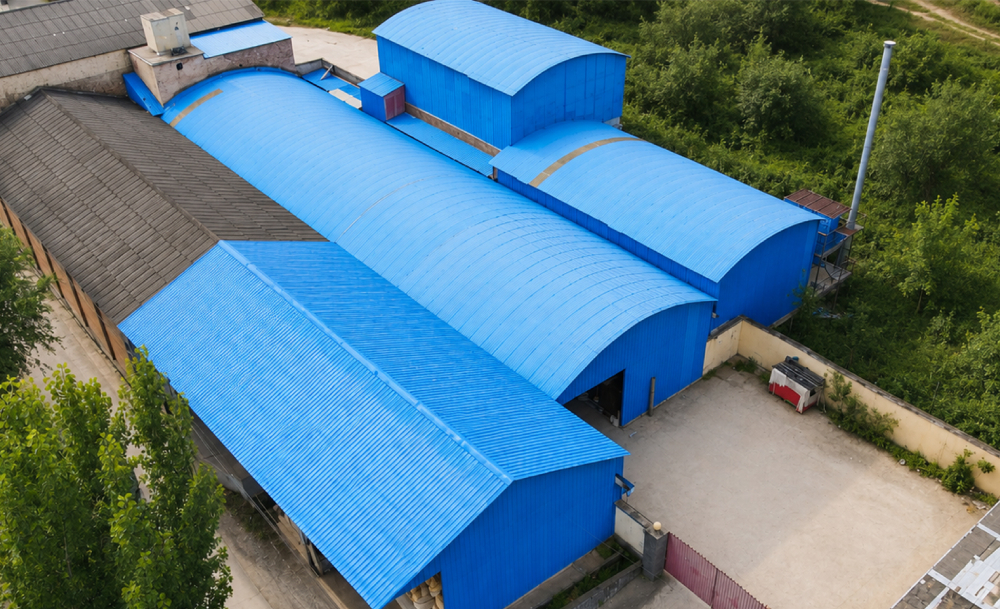
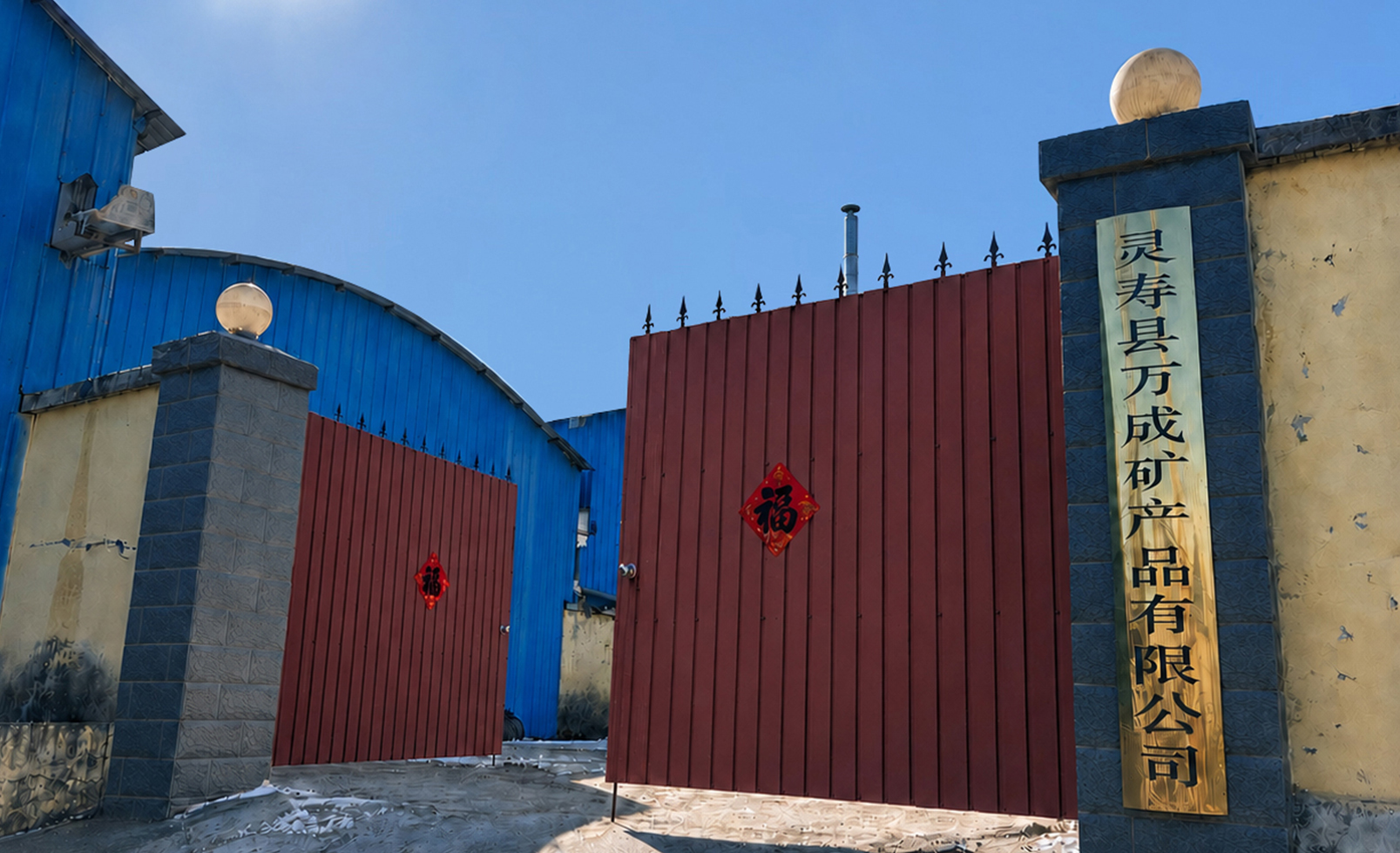
Lingshou County Wancheng Mineral Co., Ltd. Factory and Processing
Established in 2000

About Us: Professional Mineral Processing & Glass Bead Manufacturing

Lingshou County Wancheng Mineral Co., Ltd. is a professional manufacturer and supplier of non-metallic mineral products located in Lingshou County, Hebei Province, China.

Founded in 2000, the company was formerly known as Lingshou JingXi KuangChan Processing Factory. Since its establishment, we have focused on the processing, production, and supply of non-metallic mineral materials for industrial customers in China and international markets.

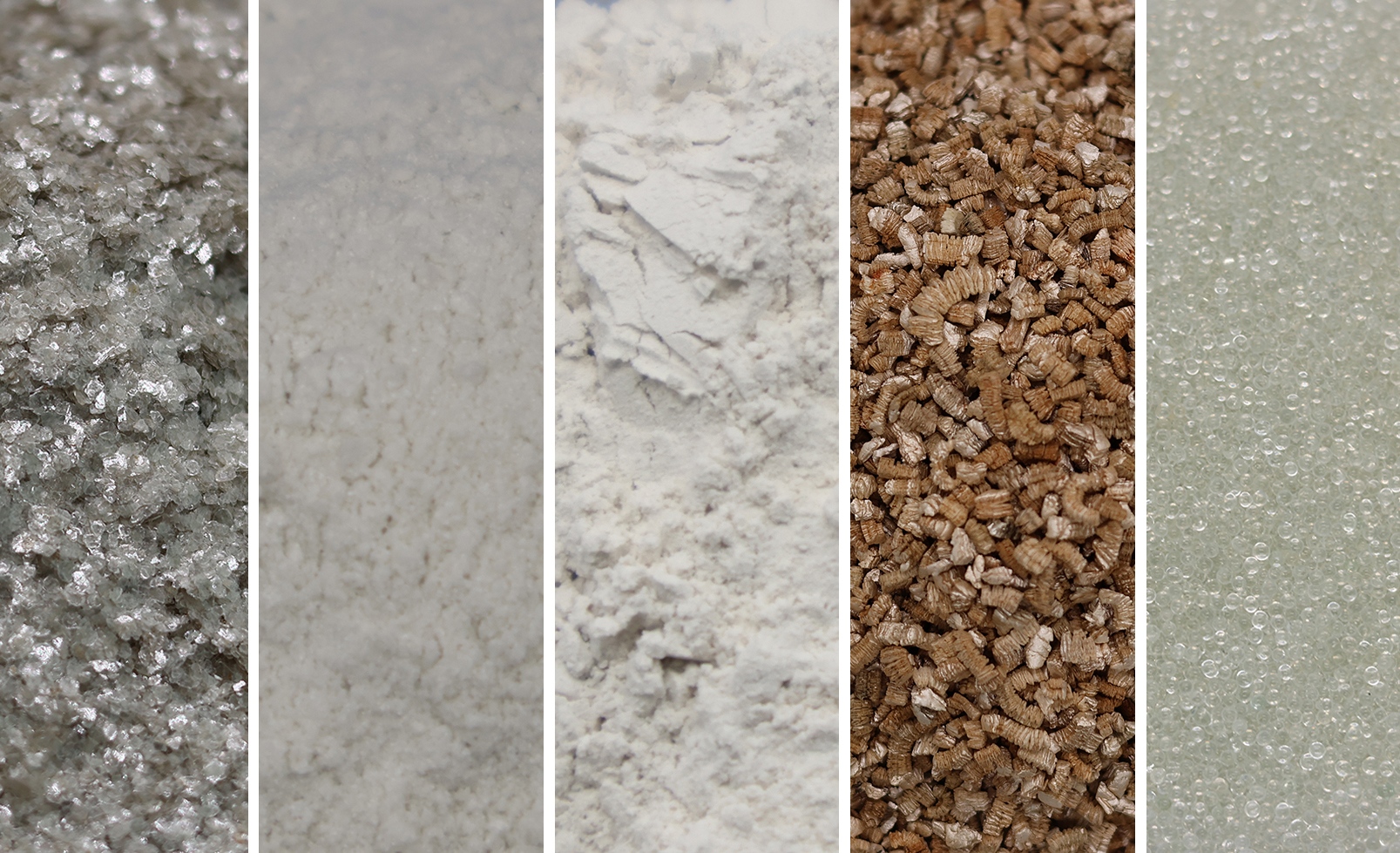
Our main products include mica, talc, vermiculite, bentonite, tourmaline, and glass beads. With years of experience in mineral processing and international trade, we are able to provide products in different grades, particle sizes, and packaging options according to customers’ specific requirements.

Comprehensive Non-Metallic Minerals and Glass Media Portfolio
Product Catalog

Our Products

Our main product categories include:

  • Mica – High aspect ratio dielectric and filler grades
  • Talc – Ultra-fine cosmetic, industrial, and coating powders
  • Vermiculite – Exfoliated and raw expansion mineral flakes
  • Bentonite – Premium sodium and calcium bentonite for sealing & drilling
  • Tourmaline – Negative ion and far-infrared ceramic mineral media
  • Glass Beads and Glass Microspheres – Precision spherical filtration and blasting media

Our products are widely used in coatings, construction materials, thermal insulation, plastics, rubber, ceramics, filtration, decorative materials, road marking, and other industrial applications.

Strict Quality Inspection and Optical Sorting
Quality Assurance

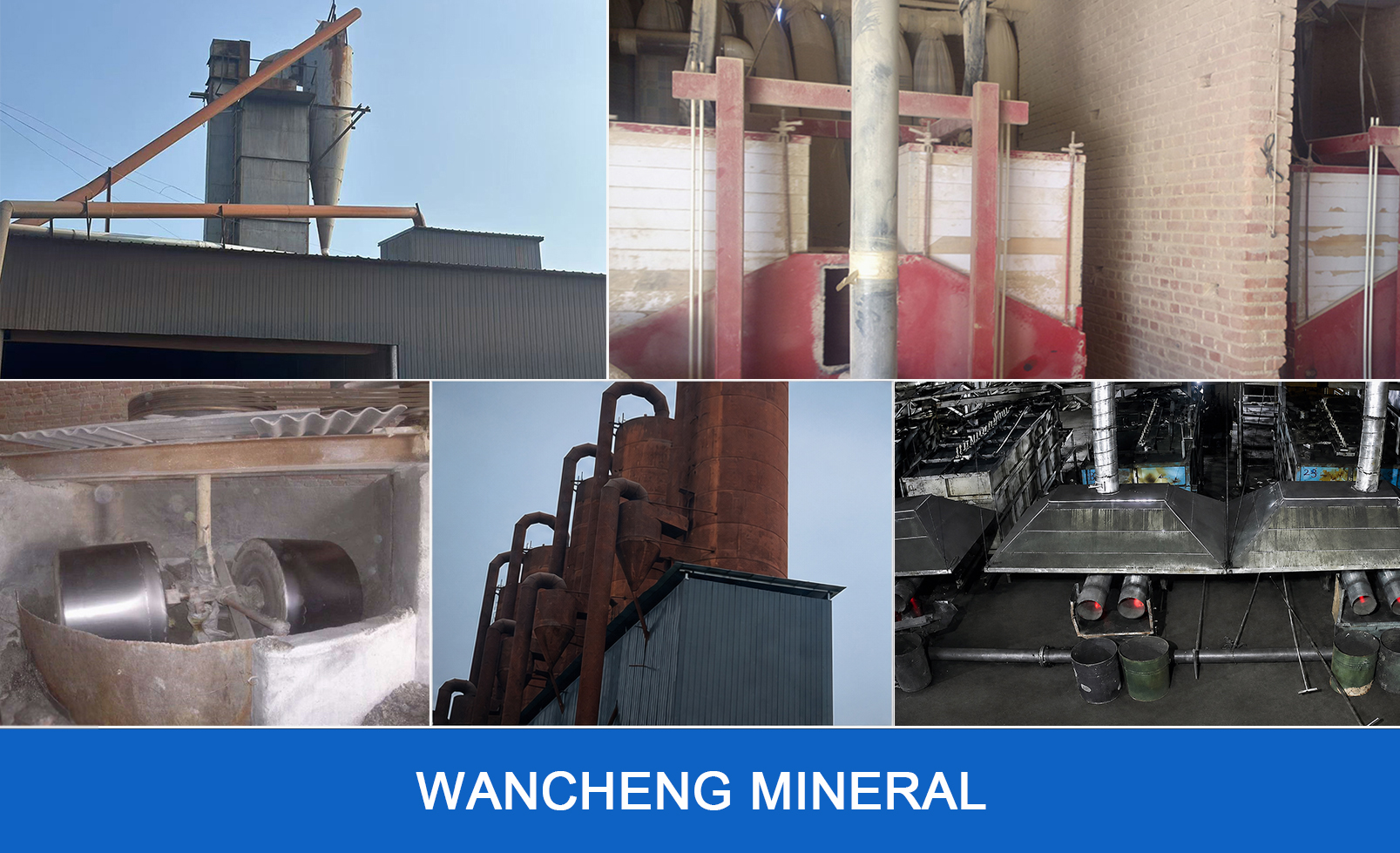
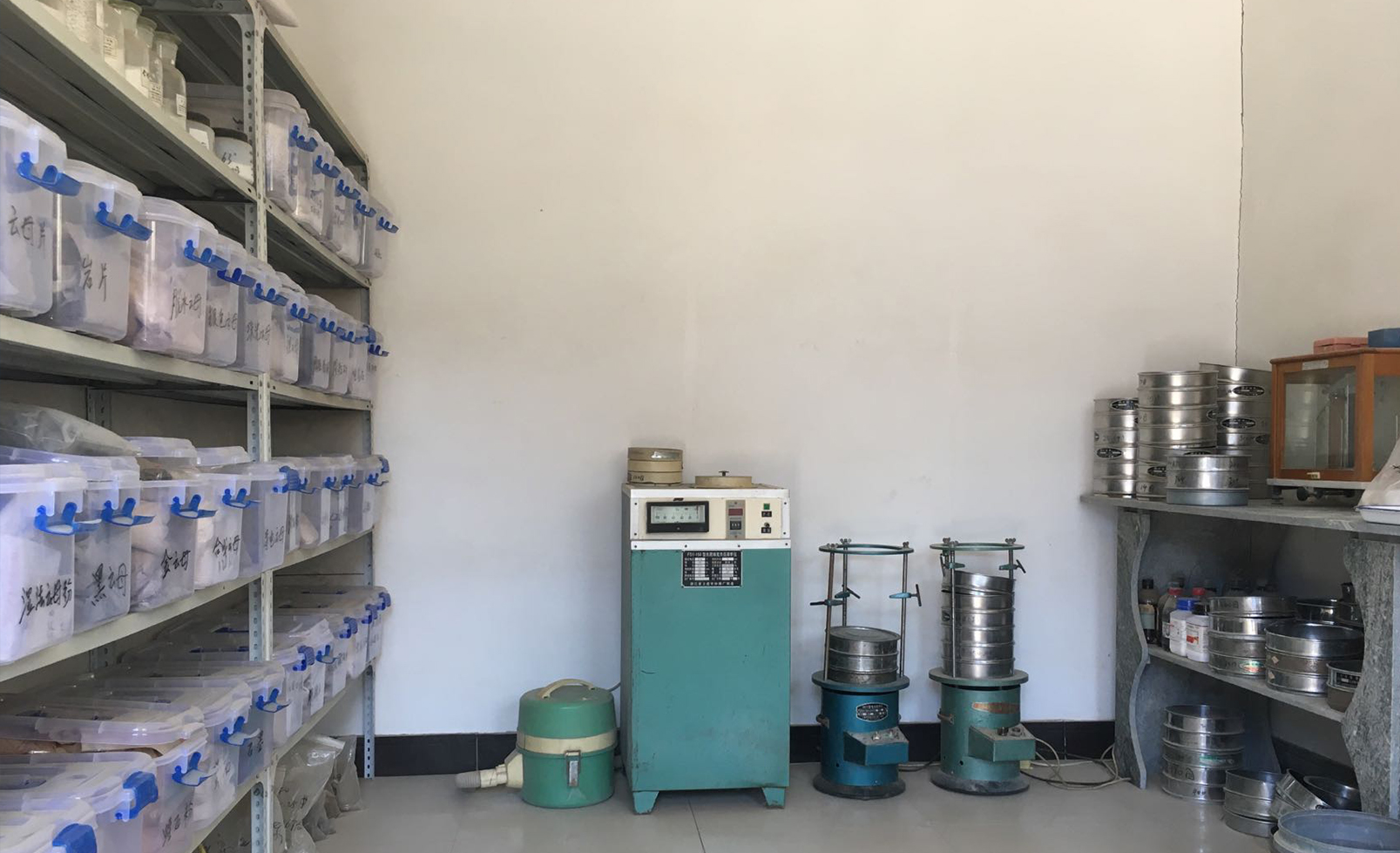
Production and Quality Control

We pay close attention to every stage of production, including raw material selection, processing, inspection, packaging, and delivery.

Our goal is to provide customers with consistent product quality, reliable supply, and suitable mineral solutions for different applications. Various specifications, particle sizes, grades, and packaging methods are available according to customer requirements.

Product samples, technical specifications, and relevant information can be provided for evaluation before bulk orders.

  • Laser diffraction particle size analysis ensuring tight sizing curves
  • Optical roundness sorting ensuring >85% true spherical glass spheres
  • Hydrophobic and anti-caking coatings available for high-humidity environments
Worldwide Export Network and Logistics
Worldwide Distribution

Global Markets

Our products are exported to Europe, North America, Japan, South Korea, and other international markets.

Through years of export experience, we have developed a practical understanding of international customer requirements, packaging standards, export documentation, and shipping arrangements.

We serve manufacturers, distributors, importers, wholesalers, and industrial users around the world, ensuring punctual shipping and seamless port-to-door delivery schedules.

Customer Support and Mineral Customization Services
End-to-End Service

Our Services

We provide customers with comprehensive solutions across the entire procurement lifecycle:

  • Product selection support and hydrodynamic sizing consulting
  • Customized particle sizes, sieve grading, and tailored bulk densities
  • Complimentary product samples for laboratory pilot validation
  • Customized packaging (25kg bags, jumbo ton bags, shrink-wrapped pallets)
  • Export documentation assistance (COA, MSDS, Certificate of Origin, Form E)
  • Stable year-round production capacity and fast container dispatch
  • Professional pre-sales technical consultation and reliable after-sales service

Our team is committed to responding efficiently to customer inquiries and providing suitable products according to different technical and commercial requirements.

Commitment to Quality and Industrial Partnerships
Core Values

Our Commitment

Since 2000, we have maintained a strong focus on product quality, reliable service, and long-term cooperation.

Lingshou County Wancheng Mineral Co., Ltd. is committed to supplying dependable non-metallic mineral products and building stable business relationships with customers worldwide.

We welcome manufacturers, distributors, importers, and industrial users to contact us for product specifications, samples, quotations, and cooperation opportunities.

Company Name: Lingshou County Wancheng Mineral Co., Ltd.

Address: Nan'an Village, Nanyanchuan Township, Lingshou County, Shijiazhuang, Hebei Province, China

Website: www.jxkc.com

Frequently Asked Questions

Technical Guidance: Glass Beads in Water Treatment

Expert answers regarding media replacement intervals, grain sizing calculations, hydraulic fluidization, and sandblasting surface passivation.

How do blasting glass beads compare to standard quartz sand in sand filter retrofits?

Glass beads offer a 15-20% lower bulk density than quartz sand, allowing for a 15% weight reduction while filling the same volumetric filter chamber. Furthermore, due to their spherical shape and zero open porosity, they resist bio-mineral crusting, decrease head loss by up to 35%, and reduce backwash volumes significantly.

What mesh sizes of glass beads are recommended for potable water vs wastewater?

For drinking water and RO pre-treatment polishing, fine mesh sizes ranging from 0.4 mm to 0.8 mm (20-40 mesh) or 0.2 mm to 0.4 mm (40-70 mesh) are standard. For coarse primary effluent settling, heavy industrial cooling loops, or bottom support gravel layers, 1.0 mm to 3.0 mm beads deliver optimal hydraulic throughput without clogging.

Can blasting glass beads be reused during the cleaning of water treatment machinery?

Yes. Our sandblasting glass beads exhibit superior fracture toughness and elastic modulus, enabling 4 to 8 impact cycles under standard pneumatic blasting pressures (40-70 PSI). They leave zero toxic residues, ferrous contamination, or dimensional distortion on stainless steel filter screens and impeller housings.

What certifications and testing guarantees accompany each glass bead batch?

Every production run undergoes strict quality control including sieve mesh distribution curve checks, sphericity index verification, acid resistance solubility checks (<0.5%), and heavy metal leachability tests to ensure complete safety and regulatory compliance in clean water applications.

Complete Product Lineup

Comprehensive Glass Bead & Industrial Mineral Solutions

Explore our full line of glass beads and functional non-metallic mineral media engineered for filtration, impact blasting, road marking, and composite compounding.