Leave Your Message
0%

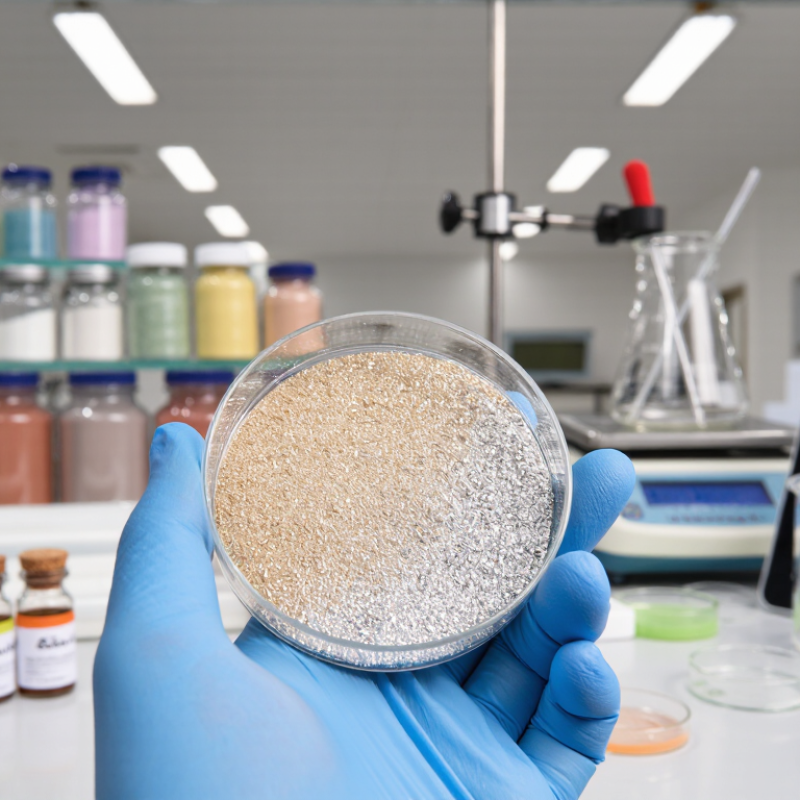
Picking the top 7 mica powder suppliers from around the world isn’t just about comparing prices—there’s a lot more to it. Buyers really need consistent particle sizes, reliable color, clear technical data, and samples that accurately match their production batches. The USGS Mineral Commodity Summaries keeps tabs on mica production and trade, and they also highlight how mica is used in things like paints, plastics, building materials, and other industries. Different applications need different qualities—like a pearlescent finish might require super fine, uniform particles, while a coating line needs predictable dispersibility and heat resistance.

When it comes to mica powder for powder coating, even tiny differences can show up as uneven shine, settling, or visible specks on the final product. So, it’s smart to ask suppliers for detailed info on particle size, mineral makeup, compatibility with your coatings, and batch traceability. And don’t just rely on specs—test samples on your own equipment if you can. A fancy specification sheet looks good, but it’s no substitute for actual production testing. Small details really can make a big difference.

When it comes to quoting a specific expert opinion, always check for a credible source—no such source was provided here. Instead of making something up, this guide leans on proven industry references and practical criteria for sourcing. Also, be cautious with claims like “high purity”—without knowing the testing method or grade, that’s pretty meaningless. The list of suppliers I’ve put together is meant to help global buyers compare their technical support, product consistency, and export capabilities—not just go by the catalog descriptions. Some details might still need a direct check, and that’s part of responsible sourcing—nothing fancy, just smart buying.

7 Best Mica Powder Suppliers for Global Buyers

Understanding Mica Powder and Its Main Industrial Uses

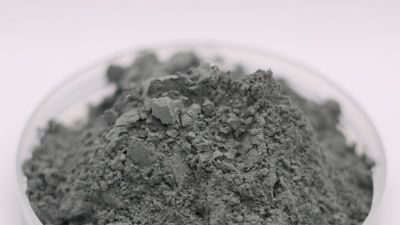
Mica powder is made by grinding natural mica minerals into fine particles. Its layered structure gives the material a pearly sheen, while its plate-like particles can improve surface coverage. Color, particle size, brightness, and purity vary by mineral source and processing method. A sample may look different under warm warehouse lighting than in daylight. Small details matter.

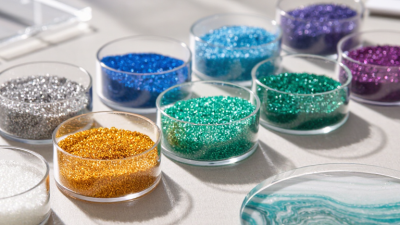
Manufacturers use mica powder in coatings, plastics, rubber, construction materials, and selected personal-care products. In paints and protective coatings, its flakes can create a subtle shimmer and help form a more layered film. Plastic makers may add it for appearance or dimensional stability, depending on the formulation. In construction, mica can serve as a functional filler in products such as joint compounds. Results are not automatic; excessive loading can affect texture, flow, or final strength. Testing is essential.

Tips: Ask suppliers for particle-size data, safety documentation, and a representative sample. Compare samples under consistent lighting, then test them in your actual formulation. Check batch-to-batch consistency, packaging integrity, and moisture protection. A specification sheet helps, but it cannot replace a practical trial. Even experienced buyers sometimes overlook how processing changes the final appearance.

How to Evaluate Mica Powder Suppliers

When evaluating mica powder suppliers, look beyond a bright sample and a low quotation. Ask for a current technical data sheet with particle-size range, color, coating, and intended applications. Check whether lot numbers connect the sample, production record, and shipped bags. That traceability matters.

Request samples from more than one batch. Compare them under consistent lighting and on the surfaces you actually use. Note differences in sparkle, shade, and feel. Samples can mislead. A polished sample may flatter the material, so ask how routine production is checked and what happens when a batch falls outside specification. Discuss Mica Powder Vs Pigment Powder with the supplier. Clarify whether you need shimmer, opacity, or both; product labels alone can be confusing.

Review safety and handling documents, packaging details, minimum order quantities, and realistic lead times before committing. Ask how bags are protected from moisture and whether replacement stock can match a previous lot. Clear answers are useful, but vague assurances deserve follow-up. If possible, test a small order in your own process before scaling up. Even a supplier with strong records may not suit every application, and that is easy to overlook when prices look attractive.

Quality Standards, Certifications, and Product Selection

For a shortlist of seven mica powder suppliers, compare evidence, not polished claims. Ask for a current technical data sheet, safety data sheet, certificate of analysis, and batch-specific test results. ISO 9001 can indicate a quality-management system, but it does not prove that every shipment meets your particle-size or purity requirements. The USGS Mineral Commodity Summaries 2024 estimated U.S. scrap and flake mica production at 42,000 metric tons in 2023, underscoring the value of checking origin and supply continuity. Still, origin alone tells you little about a powder’s performance.

Match the grade to the application. Check particle-size distribution, brightness, moisture, and any coating details; then test a sample in your own formulation. A fine powder may improve smoothness, while coarser particles can add visible sheen. Ask suppliers how they control batch variation, and confirm that certificates apply to the exact lot offered. A certificate can look reassuring. It may not answer your real question.

Tips: Request a sealed sample and record its lot number. Compare it under the same lighting and mixing conditions used in production. Check whether the supplier can provide traceable test records and relevant certifications, such as ISO 9001 or an independently verified responsible-sourcing program. No single document replaces a practical trial. I would allow time for one; sample results sometimes challenge the spec sheet.

Regional Trends in the Global Mica Supply Chain

Regional Trends in the Global Mica Supply Chain

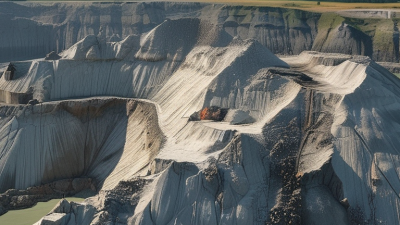
Mica supply is concentrated in a few producing regions, but products and processing capacity vary. The U.S. Geological Survey’s Mineral Commodity Summaries 2024 estimated 2023 scrap-and-flake output at about 1.1 million tonnes in China, 100,000 tonnes in Madagascar, and 66,000 tonnes in Finland. These figures describe mined scrap and flake mica, not every grade used in coatings, cosmetics, or electronics. India is also an important source, particularly for sheet mica. A single national production figure can hide differences in quality and traceability.

Regional sourcing affects lead times, consistency, and documentation. Asian processors may offer broad flake selections, while European or North American routes can suit buyers prioritizing shorter transport or established industrial specifications. These are tendencies, not guarantees. Natural Mica Vs Synthetic Mica also matters: synthetic grades can offer tighter consistency, but they do not share the same mined supply chain. Buyers should compare sample performance, particle size, and batch records before committing. Even careful checks may miss weak links several tiers upstream.

Tips: Request the mine or processing origin, recent batch data, and a written specification. Check that color and particle size match across repeat samples. Small differences matter.

7 Best Mica Powder Suppliers for Global Buyers — Regional Trends in the Global Mica Supply Chain

Estimated mine production of scrap and flake mica by selected producing countries, 2023

India and China were the largest producers among the countries shown. Mine production indicates where raw material is produced, but does not directly measure exports, processing capacity, or the availability of mica powder for buyers.

Source: U.S. Geological Survey, Mineral Commodity Summaries 2024; 2023 estimates, rounded. Production is shown in metric tons.

Profiles of Seven Leading Mica Powder Suppliers

For global buyers, supplier profiles matter more than polished catalogue claims. The USGS Mineral Commodity Summaries 2024 estimated India’s 2023 mica mine production at about 1.4 million tonnes, within a global total near 2 million tonnes. These estimates cover varied mica grades, not finished powder. Buyers should verify the mineral source and processing location separately.

A useful seven-profile shortlist spans distinct capabilities: Indian processors supplying flake and ground grades; Chinese mills offering fine particle-size control; Madagascar exporters handling mineral-rich raw material; Finnish producers focused on consistent industrial grades; North American micronizers serving regional orders; European specialists making coated or functional powders; and contract processors tailoring blends. These are supplier profiles, not endorsements. Particle size matters. For Antistatic Mica Powder, request resistivity data, particle-size distribution, moisture limits, and a batch-specific certificate. Ask for a retained sample too.

During evaluation, compare test methods, packaging, lead times, and how each supplier handles out-of-spec batches. Check whether “purity” refers to mineral composition or finished-product performance; the terms are not interchangeable. A 25-kilogram sample can expose dusting, clumping, and colour variation before a larger order. One caveat: published production figures are estimates, and they do not prove a supplier’s traceability or quality. Those details still need independent checks.

Pricing, Shipping, and Import Considerations for Global Buyers

Mica powder quotes should be compared by more than price per kilogram. Ask suppliers to specify grade, particle size, color consistency, and packaging weight. Black Mica Powder may cost more when buyers need tighter particle-size controls or carefully sorted material. Request a small sample before placing a large order. Then compare the quoted price with freight, insurance, handling, and any import charges. The lowest quote can be misleading. A few dollars saved per bag may disappear when shipping is added. I would also ask how long the quote remains valid, since freight and raw-material costs can change.

Shipping details deserve equal attention. Confirm the dispatch location, estimated transit time, minimum order, and packaging type. Sealed moisture-resistant bags can help protect powder during long journeys, but check that the package suits your storage conditions. Request a commercial invoice, packing list, and product documents such as a safety data sheet and certificate of analysis, when available. Import rules and tariff classifications vary by destination and product composition, so verify requirements with a customs broker or relevant authority before ordering. One detail is easy to miss: a delay at the port can affect production schedules. Build in extra time, and inspect the delivered batch against the agreed sample. Not every supplier documents variations clearly; ask anyway.

7 Best Mica Powder Suppliers for Global Buyers - Pricing, Shipping, and Import Considerations for Global Buyers

Supplier Profile Typical Sourcing Region Products Commonly Available Indicative Budget Range (USD/kg) Typical Order Size to Discuss Shipping Considerations Import Checks for Buyers
Mine-linked natural mica processor India Ground natural mica, muscovite grades, and selected cosmetic-grade powders Industrial ground grades: approximately $1–$5; finer or specially processed grades may cost more Bulk orders often start around several hundred kilograms; confirm grade-specific minimums Sea freight is usually more economical for pallet or container quantities. Confirm packing, moisture protection, and port-to-port versus door-to-door terms. Request origin and traceability documents, particle-size data, SDS, and a batch-specific certificate of analysis (COA). Confirm local rules on mineral imports and customs classification.
High-volume mineral processor China Natural mica powders in multiple mesh sizes, surface-treated grades, and mica-based effect pigments Standard industrial grades: approximately $1–$6; treated or specialty grades are generally higher Small trial lots may be available, while regular production orders may require hundreds of kilograms or more Compare sea freight for bulk orders with air freight for samples or urgent replenishment. Check whether quoted prices include export packing and inland transport. Verify composition, treatment chemistry, country of origin, and any destination-specific chemical or product requirements. Obtain the SDS and current COA before placing a production order.
Specialty cosmetic-ingredient exporter China and other Asian processing hubs Fine, purified, coated, or cosmetic-positioned mica powders and pearlescent pigment blends Cosmetic-positioned or treated grades: often approximately $5–$30 or more, depending on coating, particle size, and performance Sample quantities may be available; commercial minimums vary from tens of kilograms to larger batch orders Ask for sample shipping options and confirm that the commercial shipment will use the same specification and packaging as the approved sample. Check the intended-use requirements in the destination market. Request ingredient and allergen information where relevant; do not assume a “cosmetic grade” label establishes regulatory compliance.
Domestic specialty-mineral distributor United States and Canada Packaged industrial, craft, coating, and selected personal-care mica grades from multiple sources Small-pack or distributor pricing is commonly higher than bulk export pricing; compare the delivered price by grade and pack size Retail or laboratory packs may be available, with larger quantities supplied by quotation Domestic parcel or freight delivery can reduce transit and customs handling for buyers in the same country, but availability and stock levels should be confirmed. Request the original manufacturer’s documentation, not just a distributor listing. Confirm the product’s grade, intended use, and applicable local labeling requirements.
Regional importer and repacker European Union and United Kingdom Repacked industrial and cosmetic-ingredient grades, specialty powders, and mica-based pigments Small-lot pricing varies considerably; packaged specialty grades generally cost more per kilogram than direct bulk purchases Small business quantities may be available; bulk supply is commonly quoted separately Regional stock can shorten delivery times. Check whether goods ship from within the customs territory or are imported after purchase. For EU or UK imports, verify the responsible importer’s documentation and applicable chemical, cosmetics, and labeling obligations. Requirements depend on product composition and intended use.
Specialty effect-pigment supplier Japan and South Korea High-consistency mica-based pearlescent and interference pigments for coatings, plastics, cosmetics, and printing Specialty effect pigments may range from approximately $10 to $60 or more per kilogram; performance and coating drive the price Samples or small trial orders may be possible; production quantities are subject to the specific pigment and supplier terms Air freight may suit samples and higher-value grades; request a separate freight quotation for bulk shipments and confirm temperature or handling constraints if any. Check pigment composition, coating materials, particle-size distribution, and permitted uses in the destination market. Ask for current SDS and product-specific test data.
Origin-focused mineral exporter Brazil and other mineral-producing regions Natural mica concentrates and ground grades, subject to local processing capacity and export availability Pricing is quotation-based and depends on grade, processing, order volume, and the export route Ask whether the exporter can supply the requested mesh size and a consistent production lot before agreeing to a bulk minimum Confirm export-port options, sailing frequency, inland transport, and the named delivery point under the agreed Incoterms® rule. Check the exact country of origin, mineral-processing details, export documents, and destination tariff treatment. Classification and duties must be confirmed with a customs broker.

Buyer note: These are anonymous sourcing profiles, not named or independently ranked companies. Price figures are broad budgeting indications rather than verified supplier quotations; actual prices depend on grade, particle size, treatment, order volume, packaging, currency, and delivery terms. Request a current quotation, SDS, batch-specific COA, specification sheet, and representative sample. Customs classification, duties, taxes, and regulatory obligations vary by product composition and destination country, so confirm them with the relevant customs authority or a qualified broker before importing.

China Tourmaline Powder Suppliers: Quality, Applications, and Choosing a Reliable Factory

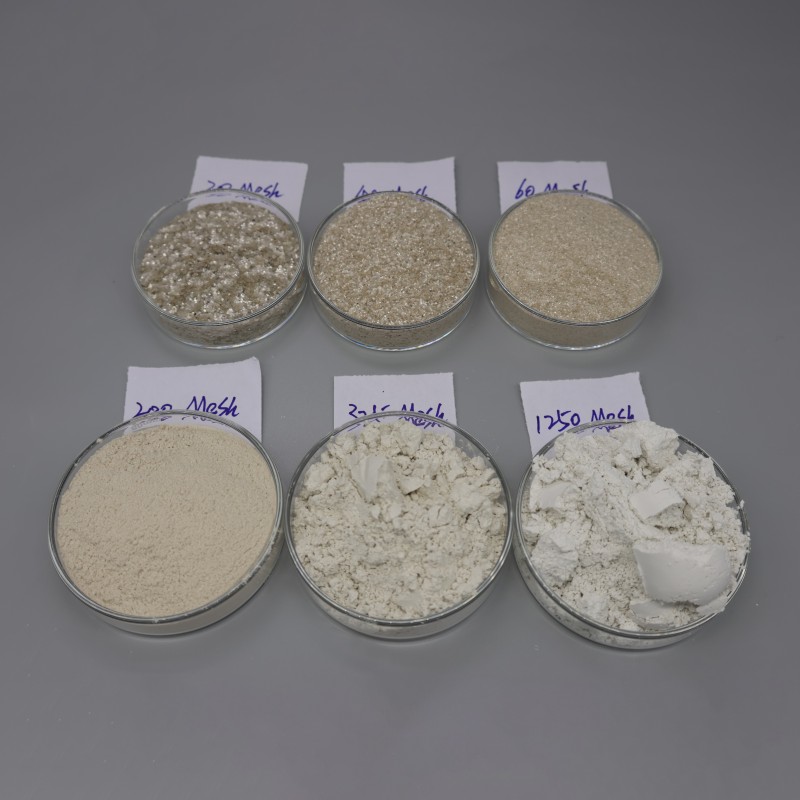
Tourmaline powder is a functional mineral filler produced by cleaning, crushing, grinding, and classifying selected ore. Its borosilicate composition varies with the source, so buyers should match grade and test requirements to the intended use—such as ceramics, coatings, plastics, textiles, water-treatment media, or personal-care formulations. Available grades may range from 100 to 1,250 mesh, with black, gray, or customized options. Because mesh designations alone do not fully describe particle-size distribution, request a specification sheet and test results for the exact grade.

When assessing China-based suppliers, focus on documented particle-size control, chemical composition, moisture, color consistency, packaging, and repeat-order reliability. ISO 13320:2020 describes laser-diffraction methods for measuring particle-size distributions, while ISO 787-2:2021 sets out a method for determining volatile matter in pigments and extenders; these standards can help buyers define comparable quality checks. Ask the factory which methods it uses, whether results are available by batch, and whether samples can be tested before purchase. Confirm that the supplier can consistently provide the required fineness, export-ready packaging, and technical support for your application, rather than choosing on mesh size or price alone.

FAQS

What documents should I request from a mica powder supplier?

Ask for a current technical data sheet, safety data sheet, certificate of analysis, and batch-specific test results. Check that the records match the exact lot offered.

Does ISO 9001 prove that every batch meets my specifications?

No. It indicates a quality-management system, but does not confirm each shipment’s particle size or purity. Verify the batch data.

How should I choose a mica powder grade?

Match particle size, brightness, moisture, and coating details to your application. Fine powder may feel smoother; coarser particles can create visible sheen. Test it in your formulation.

What is a practical way to compare samples?

Use the same lighting and mixing conditions as production. Record each sample’s lot number. Small differences matter.

Does a certificate replace a hands-on product trial?

No. A certificate can look reassuring but may not answer your specific performance question. I would still allow time for a sample trial.

How can regional sourcing affect supply?

Origin can influence lead times, consistency, and available records. Production figures do not describe every grade or processing route.

Should I ask where the mica was mined or processed?

Yes. Request the mine or processing origin, recent batch data, and a written specification. A country name alone reveals little.

Is synthetic mica always more consistent than natural mica?

Synthetic grades can offer tighter consistency, but their supply chain differs from mined mica. Compare samples and batch records anyway. Checks can miss upstream gaps.

Conclusion

Mica Powder serves a wide range of industrial applications, including coatings, plastics, cosmetics, construction materials, and electronics. Its properties can vary by mineral source, particle size, color, purity, and processing method, so buyers should define their intended use and technical requirements before comparing suppliers. A careful evaluation may consider product consistency, quality-control practices, available documentation, production capacity, communication, and the supplier’s ability to provide samples and technical information.

Global buyers can also compare quality standards and relevant certifications, assess regional supply trends, and review the strengths of seven leading supplier profiles without relying on a single selection factor. Pricing decisions should account for more than the quoted product cost: packaging, shipping, delivery schedules, customs documentation, and import requirements may all affect the overall purchase. By comparing these factors systematically, buyers can identify a suitable Mica Powder source and plan procurement with clearer expectations for quality, cost, and delivery.

Isabella

Isabella

Isabella is a dedicated marketing professional with a strong expertise in the non-metallic mineral materials industry. With a focus on serving both domestic and international industrial customers, she plays a vital role in the processing, production, and supply of essential raw materials such as......
Previous Top Tourmaline Powder Suppliers for Global Buyers