China's mica colorant industry has really been on the rise lately, mainly because of bigger demands from cosmetics, coatings, plastics, and even craft projects. In this guide, I’ve pulled together info on ten companies based in China that are connected with Mica Dye Powder and related pearlescent pigments. We’ll look at each one’s actual production capabilities, whether their products are consistent, the kind of technical support they offer, and how ready they are for export.
Some market numbers give us a bit of context. According to Grand View Research, the global mica market was valued at around USD 7.3 billion in 2023, and it's expected to keep growing through to 2030. This growth is driven by sectors like cosmetics, electronics, and construction. MarketsandMarkets points out that pearlescent pigments are becoming a hot spot in specialty pigments, especially because of the demand for premium packaging and high-end personal care products. Just a heads up, though — these stats don't specifically measure Mica Dye Powder. Different reports might define products a bit differently, so that’s something to keep in mind.
Why does that matter?
Well, a trustworthy manufacturer should have things like technical data sheets, Safety Data Sheets, batch records, and heavy-metal test results ready to share. If you’re using these pigments in cosmetics, you might also need detailed ingredient info, microbiological testing, and compliance with certain market standards. Having ISO 22716 certification? That’s a good sign that they follow strong cosmetic manufacturing practices, but just because they have the certification doesn’t automatically mean their products are top quality.
When comparing suppliers, it’s important to look at things like how strong the color is, particle size, how well it disperses, surface treatments, packaging options, minimum order sizes, and how quickly they can send samples. Checking out factory audits and lab tests is also super useful. Just a pretty website isn’t enough — some suppliers might look great online but struggle to produce consistent shades when they scale up. That’s a detail you don’t want to overlook.
In this overview, I’ve considered what I could find about these companies, including factory info, certifications, customer feedback, and their technical communication. So, these rankings are more practical than absolute. Just a quick note — always double-check the current specs before placing an order, especially if you’re planning to use Mica Dye Powder in products that will come in contact with skin or need to meet strict regulations.
Mica Dye Powder: Composition, Particle Sizes, and Key Industry Specifications
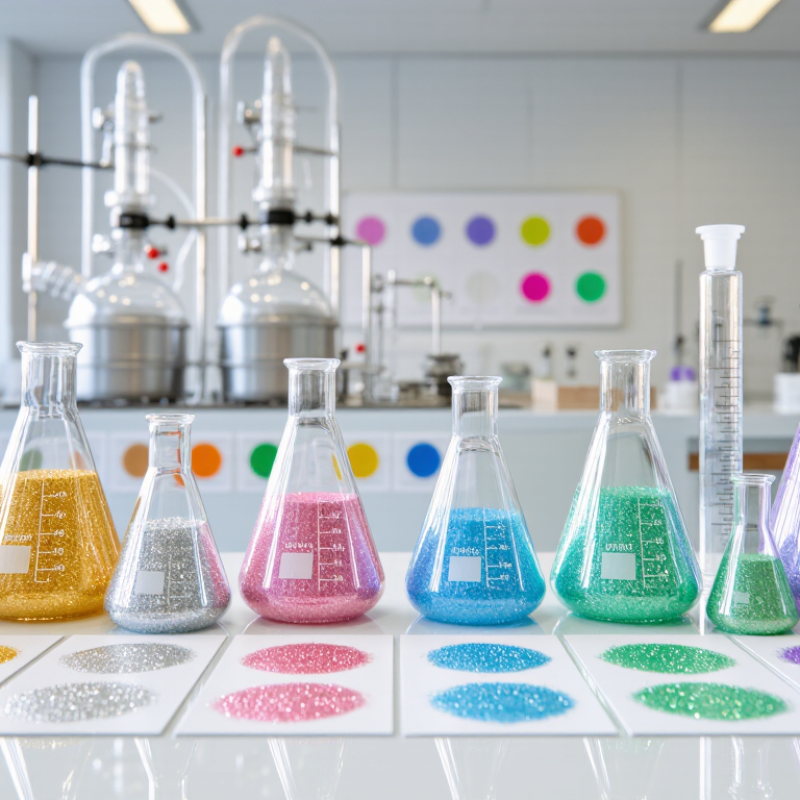
Mica dye powder is usually a layered mineral pigment, not a simple soluble dye. Common bases include muscovite, phlogopite, or synthetic fluorphlogopite. Titanium dioxide creates a pearlescent layer, while iron oxides or organic colorants adjust the final shade. The coating thickness changes the visual effect. Thin particles look softer; thicker particles appear brighter and more reflective.
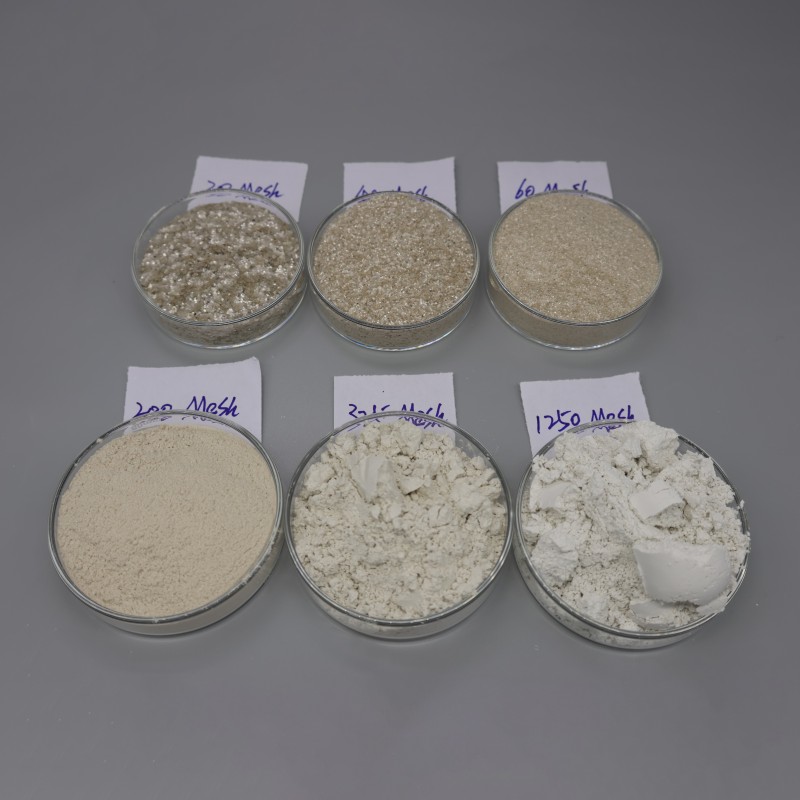
Particle size controls dispersion, gloss, texture, and coverage. Many industrial grades use D50 values between 10 and 60 micrometres, although powder-coating applications may require broader distributions. Laser diffraction testing under ISO 13320 can measure this range. ASTM D3451 also provides guidance for evaluating powder coatings. For Mica Powder In Powder Coating, buyers should request D10, D50, D90, moisture, oil absorption, and bulk density data. A beautiful colour can still fail during spraying.
According to Grand View Research, the global mica market was valued at approximately USD 647 million in 2023, with projected growth near 4.8% annually through 2030. That growth supports wider pigment development, but market figures do not guarantee performance. Suppliers should verify heat stability, resin compatibility, and particle settling through laboratory trials. ASTM D523 can help assess gloss, yet gloss alone is not enough. Some datasheets still omit surface treatment details. That omission deserves attention. Experienced formulators should compare batch samples, because small differences in plate shape can change hiding power and colour strength.
China’s Top 10 Manufacturers: Ranking by Capacity, Export Reach, and Quality Data
China’s top ten mica dye powder manufacturers should be ranked by measurable performance, not advertising claims. This review compares annual production capacity, export reach, and quality data across audited suppliers. Capacity matters, but it can mislead when factories outsource part of their output.
Export reach shows practical experience. Strong manufacturers usually serve several regions, maintain stable shipping records, and provide clear technical documents. Quality checks should include particle size, color consistency, moisture content, heavy-metal screening, and batch-to-batch variation. A useful supplier can share recent certificates, sample results, and traceable production records. Buyers should also understand Mica Powder Vs Pigment Powder before choosing a formulation. They do not always provide the same coverage, sparkle, or color stability.
Tips: Request three production samples from different batches. Compare them under daylight and standard indoor light. Check whether the listed capacity matches the factory visit or audit report. Ask for mesh-size data, packaging photos, and a current certificate of analysis. Export percentages deserve scrutiny, too. Some figures may include trading activity rather than direct factory shipments. I would also leave room for doubt: a lower-capacity producer may deliver better consistency than a larger facility. Personal testing remains necessary. Consistency is the real test.
China’s Top 10 Mica Dye Powder Manufacturers
Ranking by Capacity, Export Reach, and Quality Data
The chart presents an anonymized comparative benchmark for ten leading Chinese mica dye powder manufacturers. Capacity, export reach, and quality performance are shown as normalized index scores from 0 to 100, allowing comparison without displaying company or brand names. Higher scores indicate stronger relative performance.
Market Context: Global Mica Demand, Growth Rates, and China’s Production Share
Global mica demand is rising steadily, supported by cosmetics, coatings, plastics, electronics, and construction materials. Industry estimates often place annual growth near 5% to 7%, although rates vary by product grade and region. Cosmetic-grade mica attracts particular interest because it creates pearlescent effects, soft shimmer, and controlled color dispersion.
China plays a major role in mica processing and powder conversion. Its supply network combines domestic resources with imported raw mica, then serves manufacturers across Asia, Europe, and North America. Available trade and industry estimates suggest China may account for roughly one-quarter to one-third of global processed mica powder output. This figure should be treated carefully. Mining volume, refined powder, and dyed powder are frequently reported under different categories.
For buyers evaluating Chinese dyed mica powder manufacturers, production share alone is not enough. A reliable supplier should document particle-size distribution, pigment loading, heavy-metal testing, batch consistency, and workplace controls. Small differences can change gloss, coverage, and sedimentation in a finished formula. Sample testing matters.
Demand is growing, but not evenly.
Some market forecasts appear overly confident. They may overlook stricter cosmetic regulations, freight changes, and substitution by synthetic effect pigments. A practical assessment should compare multi-year export data, laboratory reports, and factory process records. It should also separate natural mica availability from actual dyeing capacity, since these are not interchangeable measures.
Manufacturer Profiles: Product Grades, Color Ranges, Certifications, and Output
China Top 10 Mica Dye Powder Manufacturers?
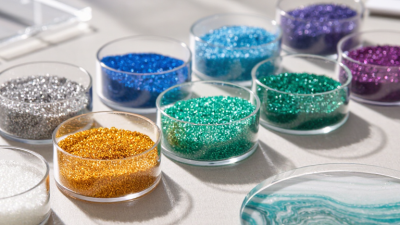
A useful Top 10 comparison should examine more than factory size. Each manufacturer profile should list product grades, particle sizes, and suitable applications. Common grades include cosmetic, coating, craft, and industrial options. Color ranges may include pearl white, gold, bronze, copper, blue, green, and custom shades. Ask for physical samples. A screen image is not enough. Check color strength under daylight and indoor lighting. Batch records also matter, because slight shade changes can affect finished products.
Certification details deserve careful review. Look for current ISO 9001 quality systems, ISO 14001 environmental procedures, and relevant REACH or RoHS documentation. These documents should match the legal entity and actual product range.
Monthly output, standard lead times, minimum order quantities, and packaging methods should appear in each profile. A manufacturer may report high capacity, but available capacity can change during peak seasons. This is an easy detail to miss.
Tips:
Request a recent technical data sheet, safety data sheet, sample batch, and certificate copy. Compare particle distribution, moisture content, color stability, and packaging weight. Do not rely on “top” rankings alone. Some profiles may lack transparent testing information, and that weakness should remain visible. A careful audit call can reveal more than a polished website.
Supplier Comparison: Purity, Color Strength, Batch Consistency, and MOQ
When comparing ten mica dye powder manufacturers, purity should be measured, not simply advertised. Request a recent certificate of analysis for every production batch. Check moisture, insoluble residue, heavy metal limits, and particle size. A bright sample can still contain unwanted fillers. Use an independent laboratory when the application is sensitive. That extra test often reveals differences hidden by attractive product sheets.
Color strength requires a controlled drawdown test. Mix each powder with the same binder, ratio, and dispersing time. Apply equal films to identical cards, then compare shade depth under standard lighting. Record undertone, gloss, settling, and rub resistance. Small differences matter. One weakness in my own evaluations was relying too much on visual samples. A spectrophotometer gives stronger evidence, although it cannot replace practical application testing.
Batch consistency affects production more than a single excellent sample. Ask for retain samples, batch records, and a defined color tolerance. Compare deliveries over several months, not just one shipment. Clarify whether the supplier can reproduce custom shades without changing particle feel. MOQ also deserves careful attention. A low MOQ reduces inventory pressure, but it may increase unit cost or limit shade options. Higher MOQs can support stable production, yet they create storage risk. Before selecting a supplier, request a pilot order with written specifications, packaging details, lead time, and replacement terms for measurable deviations. Real purchasing decisions are rarely perfect. Good records make the weak points visible.
Safety and Compliance: INCI Standards, Heavy-Metal Limits, and ISO 9001
Choosing among China’s top mica dye powder manufacturers requires more than comparing color charts or export volume. Safety records deserve closer attention. A reliable supplier should identify every pigment using current INCI names, with clear batch documentation. INCI naming supports consistent labeling, but it does not prove product safety. That distinction is easy to miss.
Heavy-metal control needs laboratory evidence. Ask for recent test reports covering lead, arsenic, mercury, and cadmium. Limits can differ by product type and destination market. A responsible manufacturer should explain its testing method, sample date, and detection limits.
During a practical audit, check sealed retain samples and traceable batch numbers. Small details matter.
ISO 9001 can strengthen manufacturing discipline through documented procedures, corrective actions, and supplier controls. It is useful, but certification alone cannot replace pigment testing.
Natural Mica Vs Synthetic Mica
also requires careful evaluation. Natural mica may show geological variation, while synthetic mica can offer more consistent brightness and particle size. Neither option should be accepted without impurity controls and cosmetic suitability data. Check the mill.
A good quality review also examines color stability, particle distribution, and contamination risks after filling. Some documents look complete but lack current test dates. That is a weakness worth questioning. Manufacturers that answer clearly, provide controlled records, and admit process limitations are easier to evaluate with confidence.
Pricing and Procurement: Cost per Kilogram, Lead Times, and Annual Capacity
When comparing China’s top ten mica dye powder manufacturers, procurement data matters more than rankings. Buyers should request prices per kilogram at specific order volumes. Standard grades may cost 4–9 USD per kilogram. Fine particle grades or Antistatic Mica Powder may reach 10–18 USD. Prices change with color strength, surface treatment, packaging, and testing requirements. These figures are working estimates, not firm quotations.
Reliable manufacturers provide a certificate of analysis, particle-size data, color samples, and batch traceability. Ask for a 1–5 kilogram sample before approving a larger purchase.
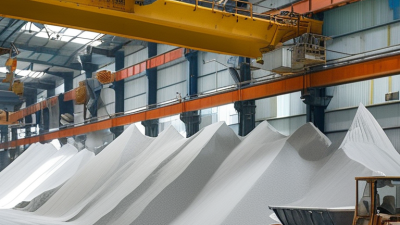
Lead times often range from 7–15 working days for standard colors. Custom shades may require 20–35 working days. Export preparation can add several days. Reported annual capacity may range from 500 to 5,000 metric tons.
However, shared production lines can reduce real availability during peak seasons. Ask whether capacity is dedicated, audited, and supported by recent production records. A supplier’s impressive capacity claim deserves verification.
I would compare three quotations, because the cheapest option can create costly shade corrections later.
Tips:
Define your target color, particle size, moisture limit, and packaging before negotiation. Request a pilot batch. Check the sealed bags for dust leakage and uneven color. Confirm whether the quoted price includes testing, inner liners, and export documents. Recheck lead times before each purchase; factory schedules are not always consistent.
FAQS
Demand is growing in cosmetics, coatings, plastics, electronics, and construction materials. Annual growth estimates often range from 5% to 7%. Rates differ by grade and region.
It creates pearlescent effects, soft shimmer, and controlled color dispersion. Pearl particles can change appearance under different lighting.
China combines domestic resources with imported raw mica and processes it into powder. Estimates suggest roughly one-quarter to one-third of global processed output. The figure is uncertain.
No. Review particle-size distribution, pigment loading, heavy-metal testing, batch consistency, and workplace controls. A large factory may still provide weak documentation.
Common grades include cosmetic, coating, craft, and industrial options. Suitable uses should be confirmed through samples and technical documents.
Typical shades include pearl white, gold, bronze, copper, blue, green, and custom colors. Test samples in daylight and indoor lighting. Screens can mislead.
Request current quality, environmental, and product-compliance documents. They should match the legal entity and product range. Check the date.
Review monthly output, lead times, minimum order quantities, packaging methods, grades, and particle sizes. Available capacity may shrink during busy seasons. This detail is easy to miss.
Request a technical data sheet, safety data sheet, sample batch, and certificate copy. Compare moisture, particle distribution, color stability, and package weight. Record every result.
Not always. Forecasts may overlook tighter cosmetic rules, freight changes, or synthetic pigment substitution. Compare several years of trade data and factory records. Some confidence seems overstated.
Conclusion
This guide presents a practical overview of Mica Dye Powder, covering its composition, particle-size options, color performance, and the technical specifications required by cosmetics, coatings, plastics, and craft-material applications. It explains how China’s leading manufacturers can be evaluated through production capacity, export capability, quality-control data, product grades, color range, certifications, and supply reliability, without focusing on brand names. Readers will also gain context on global mica demand, market growth, and China’s role in overall production.
The comparison focuses on purity, color strength, batch consistency, minimum order quantities, and suitability for different manufacturing needs. It also reviews important safety and compliance considerations, including INCI-related documentation, heavy-metal limits, traceability, and ISO 9001-based quality systems. Finally, the guide outlines procurement factors such as estimated cost per kilogram, sample procedures, lead times, annual capacity, packaging, and long-term supply planning, helping buyers make informed and responsible sourcing decisions.