Leave Your Message
0%

Choosing the right Vermiculite Plaster manufacturer isn't just about comparing prices, you know? There's a lot more to it. In this guide, we'll take a look at some of China's top suppliers and share practical, verifiable tips to help you make a smarter choice. We’ll consider things like how much experience they have in production, the quality of their technical docs, their quality control standards, and how reliable they are when it comes to exporting. A good manufacturer should be able to explain details like raw material grades, mixing ratios, density ranges, and recommended application thickness—stuff you really want to know before buying.

Honestly, the devil's in the details. A plaster that looks super smooth on a sample board might not perform the same on a huge wall. So, it’s important to check factory test reports, batch records, certifications, and even get references from past projects. Don’t hesitate to ask about how it sticks, insulates, resists fire, dries, and handles moisture. Clear, straightforward answers are everything.

This guide on “Top 10 Vermiculite Plaster Manufacturers in China” is mainly aimed at contractors, distributors, architects, and industrial buyers. It’s all about finding manufacturers with steady production capacity, quick technical support, and solid experience working with international clients. And let’s not forget packaging! Durable, moisture-resistant bags are key to keeping the powder safe during long shipments.

Now, keep in mind, no ranking is entirely perfect. Public info can often be incomplete or outdated. Some companies might boast great specs but have limited real-world project proof, while others might have excellent facilities but poor communication, especially with overseas clients. That’s why it’s so important to do your due diligence. Ask for current samples and verify their testing methods before ordering in bulk. Visiting the factory, watching videos, or even independent lab tests can give you a much clearer picture. Sometimes, it’s the small details that reveal more than glossy brochures. Ultimately, your choice should match your project’s substrate, climate conditions, fire safety needs, and installation method. This guide is here to help you compare intelligently—no blind leaps, just informed decisions.

China Top 10 Vermiculite Plaster Manufacturers?

What Is Vermiculite Plaster and Where Is It Used?

Vermiculite plaster is a lightweight coating made from expanded vermiculite and a mineral binder. The vermiculite particles contain many tiny air spaces. These spaces help reduce heat transfer and improve surface insulation. The plaster can also soften sound reflection in halls, ceilings, and service rooms. It is not ordinary cement render. Its performance depends on aggregate size, binder ratio, water content, and curing conditions. A small test panel is wise, because laboratory figures may not match every wall.

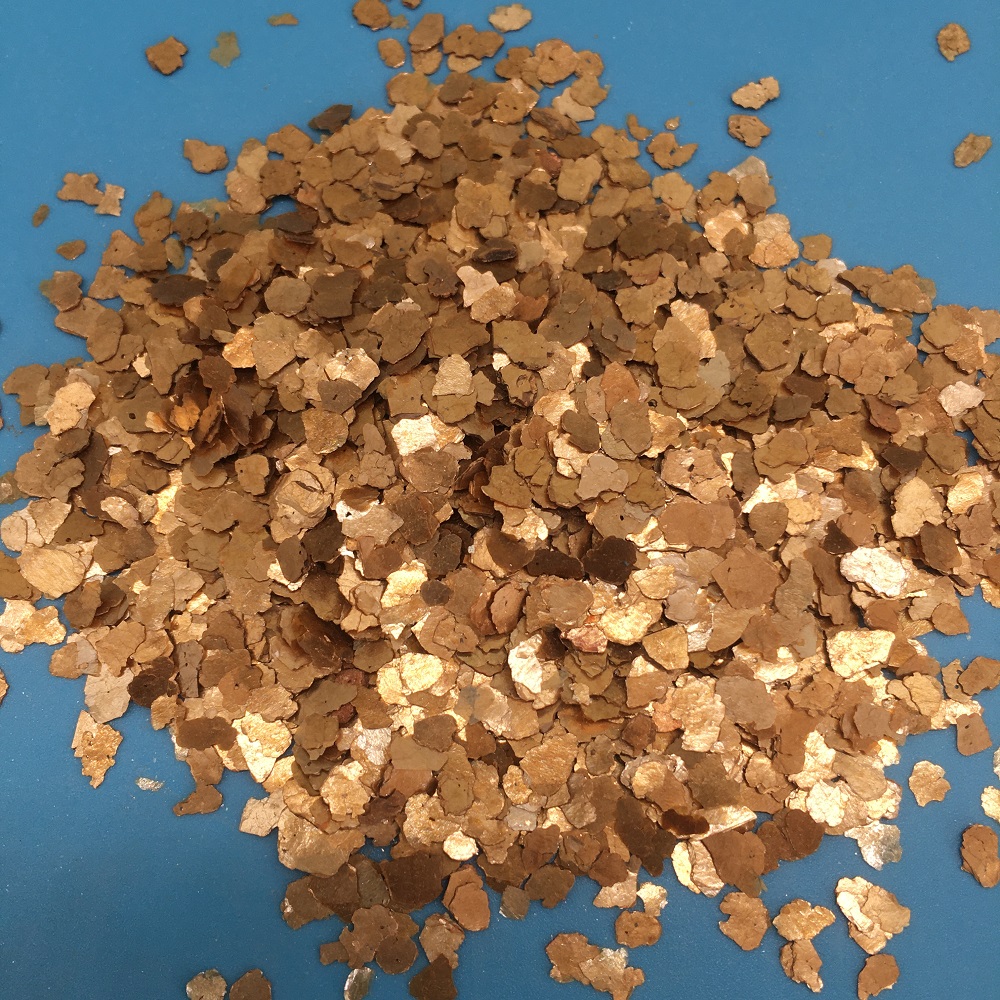
It is used on ceilings, interior walls, ducts, pipes, and selected fire-resistant construction systems. Skilled applicators adjust the mix for thickness, adhesion, and drying time. Excess water can cause cracking or weak surfaces. When comparing manufacturers in China, buyers should request technical data, safety documents, batch records, and independent test results. Consistent particle grading matters. So does clean packaging. Incubate Vermiculite( Hatching Vermiculite ) is a different material for egg incubation and should never be confused with plaster-grade vermiculite.

Tips: Prepare a dust-free, stable surface. Control moisture carefully. Apply in compatible layers. Check corners and joints for shrinkage. Wear suitable respiratory protection during dry mixing. A mistake here can be expensive. Do not rely on appearance alone; test adhesion, density, and drying behavior before larger application.

Why China Is a Major Vermiculite Plaster Manufacturing Hub

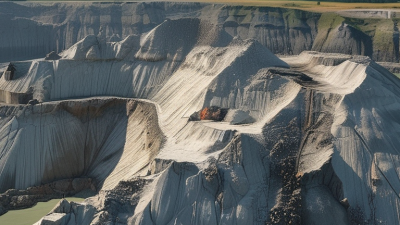
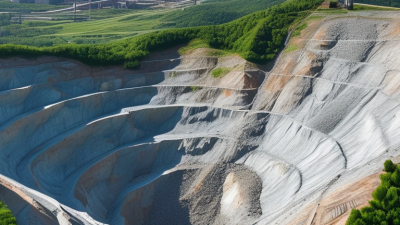
China has become a major vermiculite plaster manufacturing hub because it combines mineral supply, processing capacity, and a large construction market. The USGS Mineral Commodity Summaries 2024 lists China among the world’s important vermiculite producers. Global mine output was estimated at roughly 400,000 metric tons in 2023. This gives local manufacturers access to Chinese Vermiculite with shorter inland transport and more flexible production planning.

Demand also comes from China’s extensive building sector. According to China’s National Bureau of Statistics, the construction industry reported output of approximately 31.6 trillion yuan in 2023. Vermiculite plaster suits projects needing lightweight fire protection, thermal insulation, and textured finishes. Factories can adjust particle size, binder ratios, and spray density for tunnels, ceilings, and service shafts. Yet mineral quality can vary between deposits. That weakness deserves more attention.

Tips: Ask for particle-size analysis, moisture data, fire-test reports, and batch samples. Check application thickness on a small wall first. A cheap mix may shrink, crack, or lose adhesion after drying. Reliable suppliers should explain curing conditions, substrate preparation, and testing methods clearly. Buyers should also verify whether reports match the exact formulation, not a similar product.

How to Evaluate Vermiculite Plaster Manufacturers in China

How to Evaluate Vermiculite Plaster Manufacturers in China

Evaluating vermiculite plaster manufacturers in China requires more than comparing online prices. Check their production history, factory capacity, and experience with fire-resistant coating systems. Ask for recent project references, not only catalog photographs. A reliable supplier should explain raw material grading, binder selection, mixing control, and moisture protection clearly. Vague answers deserve caution.

Request a technical data sheet and an independent test report. Compare density, thermal conductivity, adhesion, drying time, and fire performance under the same test conditions. Sample panels can reveal cracking, sagging, uneven texture, or excessive dust. Inspect a sample at different thicknesses. Small details matter. Confirm whether the stated results apply to the final formulation, not an older product.

Factory communication also shows professional reliability. Observe how quickly engineers answer technical questions and whether they record batch numbers. Review packaging, storage instructions, quality inspection records, and export experience. A serious manufacturer should support application training and explain surface preparation in detail. Price alone can mislead. A cheaper mix may require thicker application, more repairs, or longer site labor. Still, no evaluation is perfect. Laboratory results may not predict every construction condition. Humidity, substrate movement, and worker technique can change performance. That limitation should be discussed openly, rather than hidden behind impressive claims.

Profiles of China’s Top 10 Vermiculite Plaster Manufacturers

China’s top ten vermiculite plaster manufacturers are best assessed through evidence, not advertising claims. This profile compares mineral sourcing, factory controls, fire-testing records, export experience, and project support. The broader fire-resistant coatings market was valued at about USD 1.1 billion in 2023, according to MarketsandMarkets, with continued growth expected through 2028. Vermiculite plaster remains a smaller, specialized segment within passive fire protection.

The leading profiles show different strengths. Several manufacturers operate near expanded-mineral processing centers, helping them control particle size and bulk density. Others focus on premixed plaster, where consistent water demand matters on site. Production audits should check mixing accuracy, moisture control, bag sealing, and batch traceability. Some factories report automated lines exceeding 10,000 tonnes annually. That figure needs independent verification. Product documents should also identify tested thickness, substrate type, drying conditions, and fire-rating method.

Technical credibility depends on more than a certificate. The USGS Mineral Commodity Summaries identifies China as an active vermiculite producer and processor, supporting its regional supply advantages. However, raw-material quality can vary between mines. The strongest manufacturers publish laboratory data for density, adhesion, thermal conductivity, and compressive strength. Site technicians should inspect a trial panel before ordering containers. A smooth sample can still hide poor sprayability. That is where many comparisons become incomplete. Price matters, but stable performance matters more.

Product Quality, Certifications, and Technical Capabilities

When comparing China’s top 10 vermiculite plaster manufacturers, quality should begin with measurable data. Expanded Vermiculite should have stable particle grading, low contamination, and controlled bulk density across batches. Ask for recent reports covering thermal conductivity, compressive strength, adhesion, and fire performance. Small differences matter. Coarse particles may improve insulation, while excessive fines can increase water demand and cracking.

Certifications can support trust, but they require careful checking. Look for ISO 9001 evidence, current factory audits, and product testing under relevant EN, ASTM, or GB methods. Fire classifications should match the intended building application, not merely appear in a sales brochure. Verify the certificate scope, testing laboratory, issue date, and tested formulation. A certificate without traceability is weak evidence.

Technical capability is visible in practical details. Experienced manufacturers can adjust mix ratios for spray or hand application, control moisture content, and provide batch records. They should explain curing conditions, substrate preparation, and expected coverage per bag. Factory trials with a small wall panel reveal more than a sample jar. Still, no supplier is flawless. Some technical sheets omit long-term cracking data or humidity exposure results. That gap deserves questions, not assumptions. Reliable evaluation combines factory experience, independent reports, site trials, and transparent communication.

Pricing, Customization, Export Services, and Delivery Comparison

China’s top vermiculite plaster manufacturers differ widely in pricing, customization, export support, and delivery control. Basic dry mixes usually cost less than formulations designed for high-temperature equipment or curved surfaces. Pricing also changes with vermiculite grade, binder type, package size, and order volume. A low quote is not always economical.

For Expanded Vermiculite Insulation, buyers should request a technical data sheet, test results, and a sample batch before placing a large order. Experienced suppliers can adjust density, thermal conductivity, setting time, color, and packaging. Some provide 20-kilogram bags, moisture barriers, or private labels. Custom work needs clear drawings and application temperatures. Otherwise, revisions become expensive.

Export service is another practical separator. Reliable manufacturers should prepare commercial invoices, packing lists, certificates of origin, and safe pallet loading. Delivery estimates should include production time, port handling, and sea transit. In many cases, standard products ship within several weeks, while customized formulas take longer. Confirm the agreed trade terms in writing. Small details matter.

I have seen delivery plans fail because cartons lacked inner liners during humid transport. That mistake looked minor. It was not. Buyers should compare replacement policies, inspection procedures, and communication speed, not only unit prices. Factory visits or independent inspections can improve confidence, although they add cost. Even strong suppliers may provide imperfect forecasts when raw material availability changes. That risk deserves an honest discussion.

China Top 10 Vermiculite Plaster Manufacturers? - Pricing, Customization, Export Services, and Delivery Comparison
Anonymized comparison of typical China-market supply profiles for vermiculite-based plaster and spray-applied fireproofing materials. Figures are indicative procurement ranges and should be confirmed by technical data sheets, test reports, and a formal quotation.
Anonymous Profile Typical Product Focus Dry Density Thermal Conductivity Fire-Test / Compliance Support Indicative FOB Price Customization Options Typical MOQ Export-Service Capability Production Lead Time Estimated Ocean Delivery to Main Ports
Anonymous Profile 01 Lightweight vermiculite plaster for thermal insulation and interior fire protection 280–420 kg/m³ 0.075–0.105 W/m·K TDS availableSDS availableThird-party testing on request US$190–320/metric ton Particle size, cement content, color, setting time, packaging artwork 1 metric ton Commercial invoice, packing list, CO, SDS, export packing 10–18 working days 18–35 days, route dependent
Anonymous Profile 02 Cementitious spray-applied vermiculite fireproofing mix 320–520 kg/m³ 0.085–0.125 W/m·K Mixing guideApplication dataProject testing support US$220–380/metric ton Dry-mix formula, pumpability, adhesion, thickness range, private-label bags 2 metric tons FOB/CFR quotations, container loading plans, document coordination 15–25 working days 20–40 days, route dependent
Anonymous Profile 03 Premixed vermiculite plaster for manual application and repair work 350–600 kg/m³ 0.090–0.140 W/m·K TDS availableSDS availableSample batch testing US$240–420/metric ton Ready-mix consistency, workability, color, moisture resistance, bag size 1–2 metric tons Sample dispatch, export labeling, palletization, customs documents 12–20 working days 18–38 days, route dependent
Anonymous Profile 04 High-temperature vermiculite refractory plaster and repair compound 400–750 kg/m³ 0.100–0.165 W/m·K Temperature-resistance dataSDS availableTechnical support US$300–560/metric ton Binder system, maximum service temperature, aggregate grading, curing schedule 2 metric tons Technical submittals, export packing, certificate coordination 18–30 working days 22–45 days, route dependent
Anonymous Profile 05 Low-density vermiculite insulation plaster for walls, ceilings, and ducts 220–360 kg/m³ 0.060–0.095 W/m·K TDS availableSDS availableThermal data on request US$180–300/metric ton Density, thermal performance, fiber reinforcement, color, moisture level 1 metric ton FOB quotations, pallet or bulk loading, standard export documentation 10–16 working days 18–35 days, route dependent
Anonymous Profile 06 Fiber-reinforced vermiculite plaster for improved crack resistance 350–560 kg/m³ 0.085–0.130 W/m·K Fiber specificationMixing instructionsBatch QC records US$260–460/metric ton Fiber type, fiber length, adhesion, flexural strength, open time, packaging 2 metric tons Pre-shipment inspection support, CO, SDS, invoice and packing list 15–25 working days 20–42 days, route dependent
Anonymous Profile 07 Decorative and acoustic vermiculite plaster for interior architectural use 300–500 kg/m³ 0.080–0.125 W/m·K Color samplesTDS availableVOC information on request US$280–520/metric ton Color matching, surface texture, aggregate size, acoustic additives, retail packaging 1–2 metric tons Sample kits, artwork review, carton labeling, export documentation 18–28 working days 22–45 days, route dependent
Anonymous Profile 08 Fast-setting vermiculite plaster for construction schedules with short application windows 350–580 kg/m³ 0.090–0.135 W/m·K Setting-time dataApplication guideSDS available US$250–430/metric ton Initial set, final set, water demand, sprayability, ambient-temperature adjustment 2 metric tons Container planning, export marks, technical document package 15–24 working days 20–42 days, route dependent
Anonymous Profile 09 Heavy-duty vermiculite plaster for industrial buildings and service areas 450–800 kg/m³ 0.110–0.175 W/m·K Mechanical dataFire-performance supportProject submittals US$320–620/metric ton Compressive strength, abrasion resistance, thickness, primer compatibility, color 3 metric tons Project-based quotation, inspection coordination, full export document set 20–32 working days 25–48 days, route dependent
Anonymous Profile 10 OEM/private-label vermiculite plaster supplied in customized bags or bulk packaging 280–650 kg/m³ 0.070–0.150 W/m·K Custom specification reviewSDS/TDS packageThird-party testing on request US$260–650/metric ton Formula development, branding-free packaging, bag artwork, pallet pattern, inspection standard 5 metric tons OEM coordination, container consolidation, export labeling, inspection support 25–40 working days 25–50 days, route dependent
Purchasing note: Pricing normally varies with vermiculite grade, binder system, density, additives, packaging, order volume, Incoterms, destination, and required fire-performance testing. Confirm application thickness, coverage rate, substrate compatibility, shelf life, and applicable local standards before purchase.

Expanded Vermiculite Powder: Benefits, Applications, Selection Tips, and Practical Use Guide

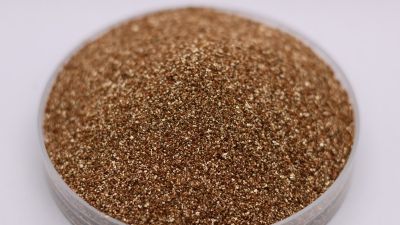
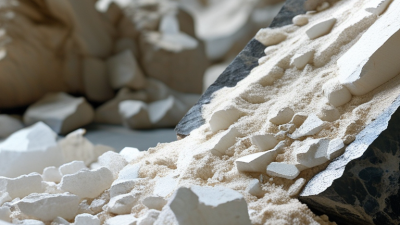
Expanded vermiculite powder is a lightweight mineral material made by heating natural vermiculite and then grinding or classifying the expanded layers. During heating, moisture between the mineral layers becomes steam, creating a porous, low-density structure. The resulting powder offers low thermal conductivity, sound absorption, fire resistance, moisture retention, and useful absorption capacity. Its fine particle size also provides better dispersibility than conventional expanded vermiculite granules, making it suitable for blends, coatings, fillers, and other formulations.

This versatile powder is used in lightweight construction materials, insulation systems, fire-resistant products, refractory mixtures, paints and coatings, friction materials, agriculture, horticulture, absorbents, and mineral carrier applications. In soil improvement, it can help retain moisture and increase aeration. In industrial formulations, it can reduce product weight, improve porosity, and contribute to thermal stability. Its natural mineral origin and relatively stable performance make it practical for applications that require a non-metallic functional filler.

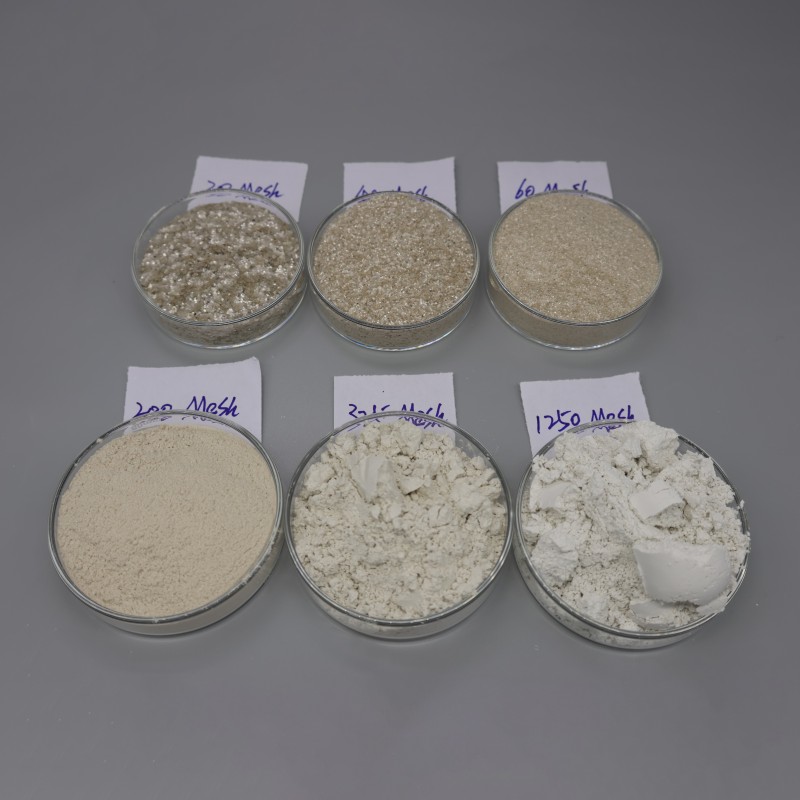
When selecting expanded vermiculite powder, buyers should consider particle size or mesh, bulk density, moisture content, color, packaging, and the required performance of the final product. Finer grades may disperse more easily, while coarser grades can provide greater porosity and absorption. Before placing a bulk order, application testing is recommended to confirm compatibility with the production process. Specifications can be adjusted according to insulation, agricultural, coating, refractory, or other technical requirements, with careful attention to consistent quality and transport-safe packaging.

FAQS

What is vermiculite plaster?

It is a lightweight coating made from expanded vermiculite and a mineral binder. Tiny air spaces reduce heat transfer. It can also soften reflected sound. It is not ordinary cement render.

Where is vermiculite plaster commonly used?

It can cover ceilings, interior walls, ducts, pipes, and selected fire-resistant systems. Typical areas include service rooms, halls, tunnels, and shafts. Application depends on the project design.

What affects vermiculite plaster performance?

Aggregate size, binder ratio, water content, thickness, and curing conditions all matter. Excess water may cause cracking or weak surfaces. Laboratory results may not match every wall.

Should buyers test the plaster before large application?

Yes. Apply a small test panel first. Check adhesion, density, drying behavior, and surface strength. A sample wall can reveal problems hidden by attractive appearance.

How should a surface be prepared?

The surface should be stable, clean, and dust-free. Apply compatible layers with controlled moisture. Inspect corners and joints for shrinkage. Preparation is easy to underestimate.

Why do Chinese manufacturers produce vermiculite plaster at scale?

China combines mineral resources, processing capacity, and a large construction market. Manufacturers can adjust particle size, density, binder ratios, and setting time. However, mineral quality may vary between deposits.

What documents should buyers request from a supplier?

Request technical data sheets, safety documents, batch records, particle-size analysis, and moisture data. Ask for fire-test reports and independent verification. Confirm that reports match the exact formulation.

How should buyers compare prices and delivery plans?

Compare material grade, binder type, package size, testing, customization, and order volume. A low unit price may hide cracking or replacement costs. Check invoices, packing lists, origin documents, and pallet protection.

What packaging problems can occur during transport?

Humid transport may damage bags without inner liners. Moisture can affect the dry mix before use. Confirm moisture barriers, inspection procedures, replacement terms, and delivery timing. Small details matter.

Conclusion

This guide introduces Vermiculite Plaster, a lightweight, heat-resistant, and sound-absorbing material commonly used for fire protection, insulation, acoustic improvement, and surface finishing in industrial, commercial, and residential construction. It explains why China has become a major manufacturing hub, supported by broad mineral resources, established production infrastructure, flexible processing capabilities, and efficient export networks.

The article also outlines how to evaluate Chinese manufacturers by reviewing product consistency, raw material quality, technical support, testing procedures, certifications, production capacity, and project experience. It presents a practical comparison of ten leading types of suppliers without focusing on specific brand names, covering their product strengths, customization options, pricing considerations, packaging, delivery schedules, and international service capabilities. Readers will gain a clear framework for selecting a reliable Vermiculite Plaster partner according to performance requirements, budget, application conditions, and project timelines.

Alexander

Alexander

Alexander is a dedicated professional with extensive expertise in the processing, production, and supply of non-metallic mineral materials. As a key member of our marketing team, he brings a wealth of knowledge about our diverse product range, which includes mica, talc, vermiculite, bentonite,......
Previous 2026 Best Fireproof Vermiculite for Global Buyers