In today’s super competitive market, finding a reliable talc powder supplier is more important than ever for businesses around the world. Talc powder is used in so many industries — think cosmetics, plastics, even pharmaceuticals. As demand for top-quality talc keeps growing, buyers are on the lookout for reputable manufacturers who actually care about quality and sustainability.
Figuring out which supplier to go with isn’t always straightforward, though. You’ve gotta consider stuff like production capacity, how pure the product is, and whether they source ethically. A lot of companies are out there vying for your attention, but not all of them can deliver consistent quality. Some manufacturers really stand out though, thanks to their advanced processing methods and strict adherence to international standards. Still, there are questions sometimes about transparency and whether you can build a long-term partnership.
It pays to do your homework—spend some time digging into reviews and testimonials. Talking to industry insiders can really help clear things up too. And while some manufacturers promise big results, consistency can be a real concern. Don’t forget, exploring options like mica powder manufacturers might give you some extra benefits down the line. At the end of the day, making an informed choice can lead to solid supply chain relationships that last.
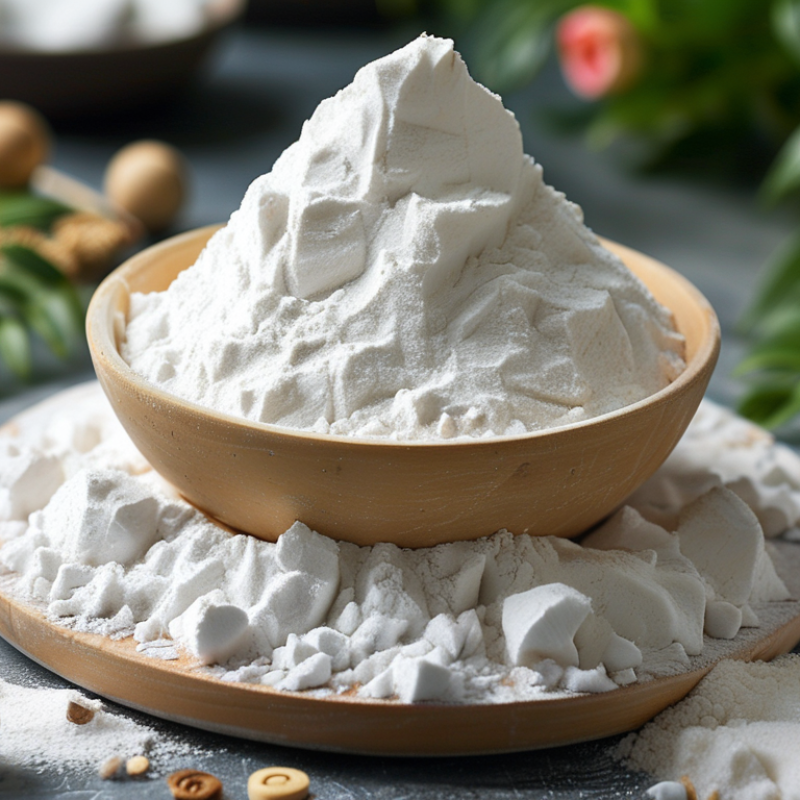
Overview of Talc Powder and Its Applications
Talc powder is a versatile mineral used across industries. It is primarily composed of magnesium, silicon, and oxygen. This composition leads to unique properties that make talc ideal for various applications. In the cosmetics sector, talc powder acts as a filler and anti-caking agent. The global talc market size exceeded USD 4 billion in 2022 and is projected to grow significantly. The demand in the personal care sector reflects a trend toward natural ingredients, driving the supply from top manufacturers.
In addition to cosmetics, talc powder is essential in plastics, rubber, and ceramics. Over 30% of the talc produced is used in plastics, enhancing strength and stiffness. The construction industry also relies on talc for its ability to improve the texture and workability of materials. However, sourcing talc responsibly is crucial, as quality can vary significantly. Reports indicate that the purity and origin of talc affect its application efficacy. Thus, a reputable
Vermiculite Manufacturer
is essential for ensuring high-quality products.
While talc offers many advantages, its use requires careful consideration. There are lingering concerns about impurities linked to certain suppliers. It is vital for industries to prioritize transparency in sourcing. This can help maintain quality while addressing safety concerns. As global demand rises, the focus on responsible mining practices must also grow, ensuring sustainability aligns with industry needs.
Key Characteristics of High-Quality Talc Powder
When evaluating high-quality talc powder, several key characteristics emerge. Purity is paramount. The best talc is over 90% pure. Impurities can lead to quality issues. Some may even pose health risks. Buyers should request detailed purity reports from manufacturers.
Another significant aspect is the particle size distribution. High-quality talc powder has a fine and consistent particle size. This affects the powder's performance in various applications. A narrow particle size range can enhance the effectiveness of the talc in cosmetics or pharmaceuticals.
Additionally, the color and brightness of talc powder matter. Whiteness is often an indicator of quality. However, many buyers overlook this detail. Talc that appears bright may have better application properties. Not all manufacturers prioritize these qualities, leading to varying results in the market. Ensuring that these characteristics are met can significantly influence the final product's success.
Leading Manufacturers in the Global Talc Powder Market
The global talc powder market is expanding, driven by rising demand across various industries. Key players in this sector focus on product quality, innovation, and sustainable practices. They strive to meet specifications for cosmetics, pharmaceuticals, and industrial applications. Each manufacturer has unique strengths, often linked to regional advantages and access to raw materials.
It's essential to research leading manufacturers thoroughly. Look for companies with proven track records. Examine their production processes and commitment to quality control. Transparency in sourcing and sustainable practices adds to their reliability. Partnering with reputable suppliers can significantly affect your product's quality.
When exploring options, consider geographical proximity. Suppliers closer to your location may reduce shipping costs and time. However, this does not always equate to quality. Weighing price against quality is crucial. Some manufacturers may offer lower prices but compromise on quality. Thus, it's vital to maintain a balance between cost-efficiency and product reliability. Exploring various suppliers could yield surprising options.
Evaluation Criteria for Selecting a Talc Powder Manufacturer
When choosing a Talc Powder manufacturer, several factors play a vital role. Reputation is crucial. Look for manufacturers with a solid track record. Experience in the talc powder industry can provide insight into their reliability. Advanced technology in production processes is a positive sign. The quality of their talc powder should always meet industry standards.
Next, consider their sourcing practices. Responsible sourcing of raw materials ensures purity and safety. Transparency in operations builds trust. Communication is essential. Manufacturers who provide clear information about their products show professionalism. Check if they adhere to environmental regulations. This commitment indicates responsibility towards sustainable practices.
Finally, customer support matters. A manufacturer should be responsive and willing to address concerns. Look for reviews and testimonials. Feedback from previous clients can provide valuable information. It's not just about purchasing talc powder; it's about establishing a long-term partnership. Balancing quality, service, and ethical practices can be challenging but is incredibly worthwhile.
Talc Powder Manufacturer Evaluation Criteria
Sustainability Practices Among Top Talc Powder Producers
In recent years, sustainability has become a central focus for talc powder manufacturers worldwide. As consumers increasingly seek eco-friendly products, producers are reevaluating their practices. This shift is essential as talc mining can impact local ecosystems. By adopting greener practices, companies aim to reduce their carbon footprint.
Many top manufacturers are investing in eco-friendly mining techniques. They are also implementing waste management systems to minimize environmental damage. Sustainable packaging for Industrial Talc Powder has gained traction as well. There’s a push to use recyclable materials, making the product more appealing to conscientious buyers.
While progress is evident, challenges remain. Some companies still rely on traditional mining practices. This inconsistency can lead to concerns about transparency. The industry must ensure that sustainability is not just a marketing strategy but a core value they uphold. Balancing profitability and environmental responsibility is a complex endeavor. Each step toward sustainability can greatly influence the industry’s overall impact on the planet.
Market Trends Influencing Talc Powder Demand Worldwide
The talc powder market is influenced by various global trends. Growing awareness of health issues affects the demand for talc in cosmetics and personal care. Consumers are increasingly seeking safer alternatives. Companies are responding by reformulating products to enhance safety.
Sustainability is another driving factor. Eco-friendly practices are becoming essential for brands. Innovations in sourcing and production processes will likely reshape the market. Manufacturers are investing in sustainable practices. This reflects a broader shift towards environmentally conscious choices.
Demand dynamics vary across regions. In emerging markets, industrial applications are rising. Meanwhile, consumer preferences are changing in developed nations. There are ongoing debates about the use of talc in certain products. As regulatory scrutiny increases, companies are challenged to adapt. This evolving landscape requires constant attention.
Future Prospects for Talc Powder Manufacturing and Innovation
Talc powder manufacturing is evolving. Industry reports suggest that the global talc market is projected to reach $4.59 billion by 2027. This growth reflects rising demand across various sectors. The expanding personal care and cosmetics industries are major contributors. They seek high-quality, Micronized Talc Powder for smoother textures and improved product stability.
Innovation in talc processing is vital. Advanced techniques are being employed to enhance purity levels. This keeps products safe and effective. Companies are investing in research to create more sustainable practices. For instance, some are exploring alternatives to traditional mining. This effort reduces environmental impact while meeting consumer demands.
Challenges remain in the industry. Not all talc sources are equally reliable. Contamination risks must be addressed. Suppliers need to ensure consistent quality and compliance with safety standards. Consumers are increasingly savvy, seeking transparency in product sourcing. Engaging with these concerns will shape the future landscape of talc powder manufacturing and its applications.
Conclusion
Talc powder, known for its versatility, is widely used in various industries, including cosmetics, plastics, and pharmaceuticals. High-quality talc powder is characterized by its purity, particle size, and surface area, making it essential for buyers to select reliable talc powder manufacturers. Evaluating these manufacturers involves looking at their production practices, quality control measures, and sustainability initiatives, which are increasingly important as environmental concerns grow in the market.
The global talc powder market is influenced by several trends, including the rising demand for sustainable and eco-friendly products. As manufacturers innovate and adapt to changing market dynamics, future prospects for talc powder manufacturing seem promising. By focusing on sustainability and quality, top talc powder manufacturers are poised to meet the evolving needs of global buyers, ensuring a competitive edge in an expanding market.