When global buyers are looking at a Tourmaline Powder supplier, they need more than just a shiny, polished catalog — they really want to hear the full story. Things like traceability of the raw materials, consistent specs, and clear communication across different countries matter a lot. Because, honestly? Tourmaline Powder can vary quite a bit—think in terms of color, mineral makeup, particle size, moisture content, and how it’s processed. All these factors can make a difference whether you're using it in ceramics, coatings, plastics, filtration, or research.
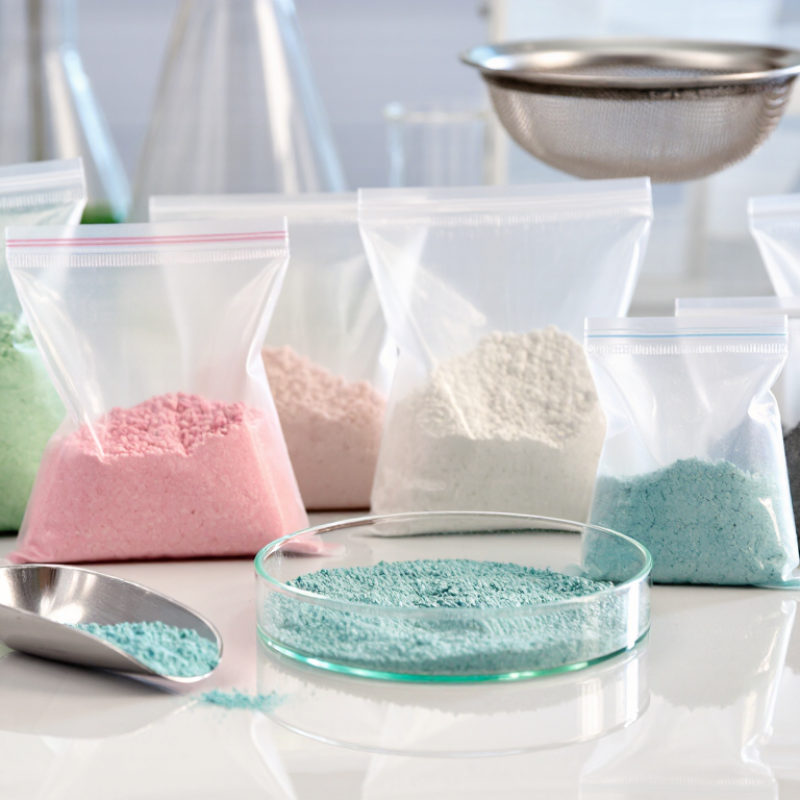
Dr. George R. Rossman, a mineralogist famous for his work on tourmaline, once called it “a very chemically complex mineral.” That complexity isn’t just fluff—it really counts. So, a good supplier should be able to share details about where the ore comes from, how it’s refined, the mesh size, chemical makeup, and any testing records they have. Things like Certificates of Analysis, X-ray diffraction reports, and particle-size distribution data help buyers compare products more fairly, instead of just guessing. Plus, packaging details matter — moisture-proof bags, batch labels, sealed liners — they all help prevent headaches during long shipments.
This guide walks you through some of the top Tourmaline Powder suppliers out there, especially if you're shopping globally. We look at how much they produce, how tight their quality control is, whether they offer customization, their experience with exporting, and how fast they respond to inquiries. Some suppliers might have impressive technical data but fall short on follow-up. Others might reply quick but only have limited batch info. Neither is perfect — so, it’s smart to ask specific questions and request samples before you commit to big orders. Sometimes, a sample might look great in a bright factory setting, but perform differently once in production. That’s a bit nerve-wracking, but it’s something worth paying attention to. In the end, reliable sourcing isn’t about chasing the cheapest Tourmaline Powder — it’s about making sure what you get really matches the specs, documents, and service promise that the supplier claims."
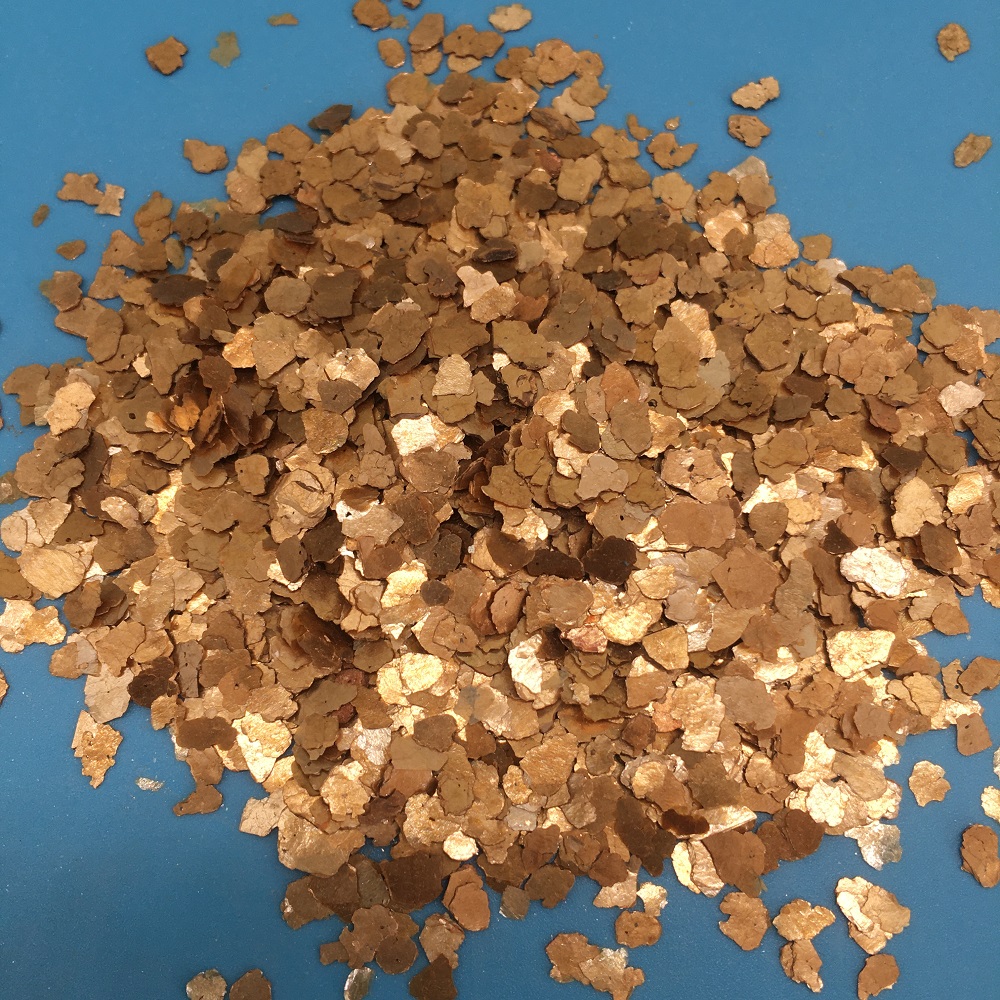
Tourmaline powder is a finely milled form of tourmaline, a complex boron-silicate mineral. Black Tourmaline Powder commonly comes from schorl, the most widely occurring black variety. Its composition may include sodium, iron, aluminum, lithium, magnesium, and other trace elements. The exact balance depends on the geological source.
Tourmaline generally measures about 7 to 7.5 on the Mohs hardness scale. It has a density near 3.0–3.3 g/cm³ and shows pyroelectric and piezoelectric behavior. These properties can interest manufacturers of ceramics, coatings, filters, and decorative materials. However, grinding changes particle size, surface area, color intensity, and handling performance. Fine powder may also contain impurities from processing equipment. This detail is easy to overlook.
Tips: Ask suppliers for X-ray diffraction, XRF, moisture, and particle-size reports. Check whether the stated size means D50, D90, or simple sieve retention. A reliable specification should also identify mineral grade, color, packaging, and batch number. Do not assume darker powder means higher purity. Testing is still necessary. Some claims about tourmaline performance remain application-dependent, so buyers should run small trials before larger orders.
Tourmaline Powder Uses extend across ceramics, polymers, coatings, textiles, and construction materials. In ceramic production, finely milled tourmaline can become part of tiles, glazes, and decorative surfaces. Its mineral structure may support functional or visual properties, depending on purity, particle size, and firing conditions. Small differences matter.
In polymer processing, manufacturers blend tourmaline powder into masterbatch, films, and molded components. Proper dispersion is essential. Poor mixing can create rough surfaces, weak spots, or uneven color. Coating producers may add the powder to architectural finishes, industrial paints, and specialty surfaces. Laboratory testing should confirm adhesion, durability, moisture resistance, and chemical stability before commercial use.
Textile producers also investigate tourmaline powder in fibers, nonwoven materials, and surface treatments. Construction companies may evaluate it for panels, cement-based products, and interior finishes. However, performance depends heavily on formulation and processing equipment. Wellness-related claims need careful review because evidence can vary between products and test methods. A responsible supplier should provide a recent test report, particle-size data, chemical composition, and safe handling guidance. Buyers should also request sample batches before placing large orders. The powder is not automatically effective. Its value appears only when technical specifications match the intended application.
Tourmaline powder is sold in several mineral types, and the color alone does not define its quality. Black tourmaline, often linked to schorl, is common in industrial formulations. Green, pink, and multicolored powders may contain elbaite-rich material. Brown tourmaline, usually associated with dravite, appears less frequently in commercial supply. Mineral composition can vary between deposits, even when two samples look similar. Buyers should request X-ray diffraction and elemental analysis before approving a shipment.
Grades usually differ by purity, particle size, moisture, and processing method. Coarse grades may suit ceramic bodies, while fine powders can disperse more evenly in coatings, plastics, and composite materials. Common specifications include mesh size, median particle diameter, iron content, and residue after sieving. A finer powder is not automatically better. It may agglomerate, absorb more moisture, or require additional processing. That detail is easy to miss.
In practical sourcing work, I would compare a technical data sheet with an independent test report. Check whether the powder is untreated, surface-modified, or blended with another mineral. Ask for a retained sample. Then test flow, color consistency, and dispersion under actual production conditions. Supplier reliability also depends on batch traceability, sealed packaging, and realistic lead times. Some claims sound impressive but lack measurable evidence. That deserves caution. Clear specifications protect both the buyer and the final product.
Top Tourmaline Powder Suppliers for Global Buyers
How to Evaluate Reliable Tourmaline Powder Suppliers
Reliable sourcing begins with verifiable technical information, not attractive product descriptions. Ask for a recent certificate of analysis from an independent laboratory. It should show purity, moisture, particle-size distribution, and heavy-metal test results. Request the exact mineral source and processing method. “Natural” alone proves very little.
Review the supplier’s understanding of Tourmaline Powder Properties. A professional supplier should explain differences in color, composition, hardness, and thermal stability. Ask whether the powder is untreated, surface-modified, or blended with other minerals. A small sample can reveal settling, odor, uneven texture, and packaging quality. Test it in your own process before ordering commercially.
Consistency matters most. Compare three batches, not one. Check whether the median particle size remains within the promised range. Packaging should protect the powder from moisture and contamination during ocean or air transport. Clear invoices, safety documents, export records, and realistic lead times also indicate stronger operational control. Very low prices deserve careful questioning. They may reflect weaker testing or inconsistent milling.
No supplier is perfect. Even experienced buyers can overlook batch variation. Keep written specifications, retain samples, and record every inspection result. A responsive supplier should answer technical questions directly and admit limitations. That honesty is often more valuable than polished sales language.
| Evaluation Dimension | What to Request | Reliable Supplier Signal | Warning Sign | Buyer Verification Step |
|---|---|---|---|---|
| Product identity and composition | Mineralogical identification, stated composition, and the analytical method used. | Provides a batch-linked test report and explains the scope and limits of each test. | Uses a generic certificate with no batch number or presents unsupported purity claims. | Compare the report with an independent laboratory analysis of a representative sample. |
| Particle-size distribution | D10, D50, and D90 values, the measurement method, and sample preparation details. | Confirms the measurement method, such as laser diffraction, and reports a distribution rather than only a single mesh value. | Lists a mesh size without explaining the test method or the proportion of particles meeting it. | Specify the required size distribution and method in the purchase specification; test a pre-shipment sample if critical. |
| Batch consistency | Recent certificates of analysis for multiple production lots and the supplier’s lot-identification system. | Can trace each shipment to a production lot and report agreed parameters consistently. | Cannot connect test results to shipped material or refuses to define acceptable variation. | Agree on measurable acceptance limits and a process for handling out-of-specification lots. |
| Contaminant control | Risk-based testing for relevant trace elements or other contaminants, based on the intended application and destination-market requirements. | Identifies the analytes, methods, reporting limits, and applicable requirements. | Claims that the material is “safe” or “non-toxic” without supporting test details. | Have a qualified laboratory or regulatory specialist define the tests and limits needed for your use case. |
| Quality-management system | Quality procedures, inspection records, and any relevant management-system certificates. | Provides verifiable certificate details and explains how incoming material, production, and final inspection are controlled. | Relies on certificate logos or claims without a valid scope, issuing body, or verification route. | Verify certificates with the issuing organization and confirm that their scope covers the relevant site and activities. |
| Sample and specification control | A representative sample, technical data sheet, and written product specification. | Labels samples and documents clearly and confirms which specification will govern production and acceptance. | Sample material differs from the quoted product, or key requirements remain verbal. | Approve a documented reference sample and attach the agreed specification to the purchase order. |
| Packaging and shipment protection | Packaging type, net weight, moisture protection, labeling, and handling instructions. | Matches packaging to the shipment route and provides clear lot, weight, and product identification. | Packaging details are omitted or unsuitable for protecting fine powder during storage and transport. | Confirm packaging, labeling, and storage requirements in writing before order confirmation. |
| Export and documentation readiness | Commercial invoice, packing list, transport documents, and any destination-specific declarations required for the transaction. | Confirms document responsibilities and can provide accurate, consistent shipment information. | Promises that all import requirements are covered without knowing the destination or product use. | Check current import, customs, and product requirements with your customs broker or relevant authority. |
| Commercial terms and capacity | Quotation validity, minimum order quantity, lead time, production capacity, payment terms, and Incoterms® rule. | Provides clear, internally consistent terms and communicates how schedule or capacity changes will be handled. | Uses vague delivery promises or leaves freight, insurance, and responsibility for costs undefined. | Compare like-for-like quotations using the same specification, shipment basis, and delivery term. |
| Communication and issue resolution | Named contact, response process, complaint procedure, and corrective-action records where relevant. | Answers technical questions directly and documents corrective actions and agreed resolutions. | Avoids written commitments or cannot explain how quality complaints are investigated. | Discuss a sample nonconformance scenario before placing a large order and record the agreed process. |

For global buyers, tourmaline powder quality starts with clear identification. The USGS Mineral Commodity Summaries 2024 reports gemstones in broad categories, without a dedicated tourmaline powder benchmark. Therefore, each supplier should provide a batch-specific Certificate of Analysis, not only a general product sheet. The document should state mineral species, particle-size distribution, moisture, chemical composition, and trace-metal results. Color alone proves very little.
A practical testing plan combines several methods. X-ray diffraction confirms the crystalline structure, while Raman spectroscopy supports rapid identity checks. X-ray fluorescence provides elemental screening, but it may not detect low-level contaminants reliably. For trace elements, ICP-OES or ICP-MS offers stronger sensitivity after validated sample preparation. Particle size should be measured by laser diffraction and checked with ASTM E11 sieve analysis. Moisture testing also matters, especially when powder is packed in humid conditions. ISO/IEC 17025-accredited laboratories improve confidence, although accreditation does not guarantee perfect sampling. That part is often overlooked.
Tips: Request three sealed samples from different production batches. Compare their median particle size, moisture, and major-element profile. Ask whether testing used a certified reference material. A low moisture result does not prove purity. Suppliers should also explain sampling depth and test dates. In my experience, unclear sampling creates more disputes than obvious laboratory errors. Buyers should keep retained samples for independent re-testing.
Global buyers should assess tourmaline powder suppliers through verified specifications, not attractive catalog images. Public trade databases rarely separate tourmaline powder from other semi-precious stones. UN Comtrade’s HS 7103 category combines many materials, limiting direct price comparisons. Ask for origin records, mineral composition, moisture content, particle-size distribution, and recent batch samples. A 325-mesh powder may behave differently from a 1,000-mesh grade. Small differences matter.
Pricing depends on color, purity, grinding energy, packaging, and order volume. Industrial buyers should request a price per kilogram under clearly stated Incoterms. Test whether the quote includes export documentation, palletization, inspection, and insurance. The U.S. Geological Survey does not publish a dedicated benchmark for tourmaline powder, which makes supplier-provided pricing harder to verify. That is a weakness worth acknowledging. A three-supplier comparison can expose unusual discounts or hidden processing charges.
Shipping needs practical planning. UNCTAD’s Review of Maritime Transport reports that ships carry over 80% of global merchandise trade by volume. Sea freight usually suits larger orders, while air freight protects urgent schedules but can sharply raise landed cost. Use moisture-resistant inner bags, sealed outer cartons, and batch labels. Confirm customs classification before dispatch. Powder can settle during transit, so verify net weight after packaging. Black Tourmaline Powder Uses may include ceramics, coatings, abrasives, and research applications, but performance claims require independent testing. Supplier audits should include traceability, laboratory methods, and corrective-action records. Mistakes happen; documented responses reveal more than polished sales language.
Indicative sourcing comparison by origin region, based on common commercial-grade tourmaline powder offers. Prices vary according to mesh size, purity, packaging, order volume, testing, and destination.
Asian origins generally provide lower ex-works pricing and shorter production lead times for bulk orders. Buyers should separately confirm ocean freight, import duties, compliance documents, moisture protection, and delivery terms such as FOB, CIF, or DDP before placing an order.
Top Tourmaline Powder Suppliers for Global Buyers
Comparing Tourmaline Powder Suppliers for Different Buyer Needs
Choosing a supplier starts with the intended application, not the lowest quoted price. Ceramic makers may need a stable particle-size range, while coating producers may prioritize moisture control and repeatable color. Ask for a current specification sheet, representative sample, and batch-level test data. Check whether reported values come from a defined method; numbers without test conditions can mislead. Small differences matter.
For ongoing production, compare minimum order quantities, lead times, packaging, and change-control practices. A supplier serving laboratory trials may offer flexible samples but lack capacity for steady bulk orders. Conversely, large-volume suppliers may not welcome frequent formulation adjustments. Review how material is sealed and labeled: a damp, poorly identified bag can complicate testing before the powder reaches your process. I would still verify claims independently. Supplier documents are useful, not a substitute for incoming inspection.
Tips: Request a sample from the same production grade you plan to buy. Test it using your own process, and record dispersion, residue, and handling behavior. Ask how the supplier manages out-of-specification batches and production changes. Compare landed cost, including freight and protective packaging, rather than unit price alone. If answers stay vague, pause. A clear limitation is more reassuring than an impressive promise.
Black powder is common in industrial formulations. Green, pink, and multicolored grades may contain different mineral compositions. Brown material appears less often. Color alone does not prove quality.
Compare purity, particle size, moisture, iron content, and sieve residue. Coarse powder may suit ceramic bodies. Fine powder can disperse better in coatings and plastics. Finer is not always better.
Request a recent independent test report and technical data sheet. Check mineral composition, moisture, particle-size distribution, and heavy-metal results. Ask for origin and processing details. “Natural” is not enough.
Yes. Test a retained sample in the actual production process. Observe flow, settling, odor, color consistency, and dispersion. A laboratory result may not predict factory behavior perfectly.
Compare samples from at least three batches. Measure median particle size and moisture each time. Review batch labels and traceability records. One good sample proves very little.
Use moisture-resistant inner bags and sealed outer cartons. Add clear batch labels and net-weight details. Powder may settle during transport. Recheck the delivered weight after packaging is removed.
Price depends on purity, color, grinding energy, packaging, and order volume. Ask for a kilogram price with clear shipping terms. Confirm inspection, insurance, export documents, and palletization costs.
Sea freight usually suits larger shipments. Air freight supports urgent schedules but increases landed cost sharply. Confirm customs classification before dispatch. I would not trust an unexplained low quote.
Tourmaline powder is a finely processed mineral material valued for its distinctive composition, durability, electrical characteristics, and potential functional properties. It is available in different grades, particle sizes, purity levels, and processing forms to meet the needs of industries such as ceramics, coatings, plastics, cosmetics, filtration, wellness products, and advanced material manufacturing. Understanding its mineral composition, color, treatment history, and performance characteristics is essential when selecting the right product for a specific application.
When evaluating a Tourmaline Powder Supplier, buyers should review product specifications, quality control procedures, testing capabilities, production consistency, packaging, and documentation. Important testing may include particle-size analysis, chemical composition, impurity screening, moisture measurement, and performance verification. Global buyers should also compare pricing, minimum order quantities, lead times, shipping options, export documentation, and communication efficiency. The most suitable supplier will offer a balance of reliable quality, transparent information, competitive costs, and dependable logistics tailored to the buyer’s technical and commercial requirements.