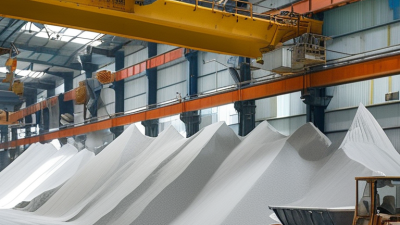
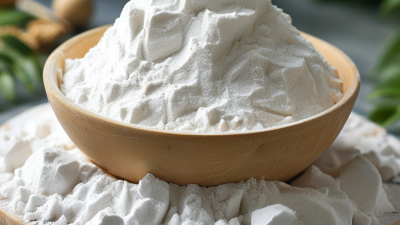
You might have heard of Bentonite Clay—it's gaining quite a buzz across different industries lately. According to a report from Market Research Future, the global market for bentonite is projected to hit around $1.5 billion by 2027, growing at an annual rate of about 5.6%. That’s pretty impressive, right? A lot of that growth is thanks to its use in construction, drilling, and even environmental projects. For example, in oil drilling, Bentonite Clay plays a key role in making the drilling fluids work more smoothly and, honestly, helps keep costs down.
What’s cool about Bentonite Clay is how naturally absorbent it is. It's a popular ingredient in personal care stuff like facial masks and deodorants. The folks over at the Cosmetic Ingredient Review have noted that it actually helps keep these products stable and effective. But, here’s the thing — sourcing good quality bentonite isn’t always straightforward. Sometimes, mineral content can vary, which can impact how well it performs. That’s why companies really need to focus on quality checks.
Getting a good handle on the different ways Bentonite Clay is used can really help everyone involved—manufacturers, buyers, and even consumers. Working with trustworthy suppliers is super important. Partnering with reputable companies means you’re more likely to get top-notch bentonite, which translates to better products overall. As the market grows and evolves, ongoing research and new innovations are bound to shape how this industry develops in the future. It’s an exciting space to keep an eye on!
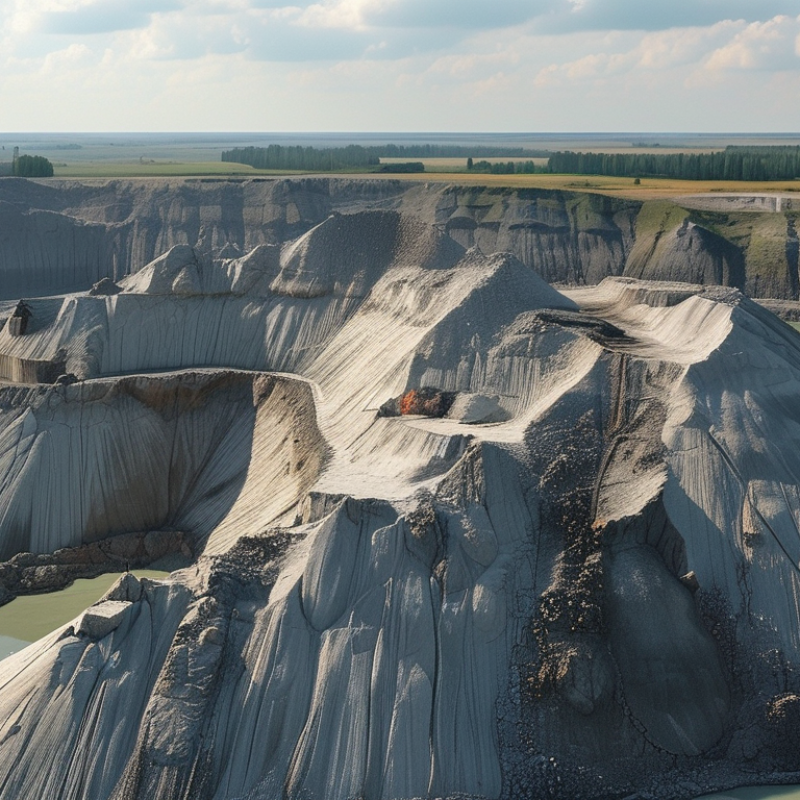
What is Bentonite Clay? An Overview for Global Buyers
Bentonite clay is a natural, absorbent material composed of aged volcanic ash. It is known for its unique properties and versatile applications. This clay forms a gel-like substance when mixed with water, which enhances its usability in various industries. One of the most notable features of bentonite clay is its ability to swell. This property allows it to seal areas, making it essential for construction and civil engineering projects. Its high absorbency also makes it suitable for use in cosmetics and personal care products.
Bentonite clay has a long history in gardening and agriculture. It improves soil quality by retaining moisture and providing essential minerals. Farmers often incorporate it into potting mixes to enhance plant growth. However, it’s crucial to test your soil before adding excess clay. Over-application can lead to compacted soil that hampers drainage.
For global buyers seeking Bentonite Clay Powder Bulk, quality is key. Look for reliable suppliers who provide samples for testing. Checking product certifications helps ensure safety and efficacy. Using bentonite clay can produce outstanding benefits, but always start with small amounts to avoid overwhelming your projects. This cautious approach allows you to assess its impact without unnecessary risks.
Key Properties and Benefits of Bentonite Clay
Bentonit地土以其独特的性质而闻名。它主要由蒙特莫里隆石组成,这是一种粘土矿物。这种成分赋予了它卓越的吸湿和膨胀特性。根据2022年国际粘土矿物学会的报告,膨润土的吸水能力可以达到其重量的20-30倍。这一特性在建筑和环境服务等多个行业中具有无价的价值。
膨润土的好处延伸至健康和保健。它含有丰富的矿物质,如钙、镁和铁,这些对皮肤健康都有益处。发表在《应用黏土科学杂志》上的一项研究表明,膨润土帮助降低了测试对象的皮肤刺激评分约40%。许多人在化妆品和护肤品中使用它,因其具有排毒特性。其吸附能力使其能够结合毒素和杂质,从而成为天然美容产品中受欢迎的成分。
然而,膨润土的所有用途并非没有挑战。纯度的变化可能导致结果不一致。此外,一些用户报告了皮肤敏感。因此,彻底测试和了解特定粘土批次至关重要。保持质量控制对于确保膨润土满足全球消费者的多样需求至关重要。
Industrial Uses of Bentonite Clay in Various Sectors
Bentonite clay has diverse industrial applications across various sectors. In construction, it is valued for its excellent binding properties. This clay is often used in drilling fluids for oil and gas extraction. Its ability to create a thick barrier makes it a reliable choice. Additionally, bentonite plays a crucial role in iron ore pelletizing. It enhances the pellets' shape and helps them withstand the rigorous process during production.
In the cosmetic industry, bentonite clay is a key ingredient in many personal care products. It absorbs excess oil and impurities, making it effective for skin treatments. Many people find Bentonite Clay Powder For Diaper Rash to be a beneficial remedy. However, it is essential to consider individual skin types before use. Not everyone may experience the same results.
The agricultural sector also benefits from bentonite clay. It improves soil quality by enhancing water retention. Farmers often use it to control erosion. Despite its advantages, relying solely on bentonite clay for agricultural needs can lead to imbalances. It is important to integrate it with other practices. These applications highlight the significance of bentonite clay in modern industries.
Health and Wellness Applications of Bentonite Clay
Bentonite clay has gained popularity in health and wellness applications due to its unique properties. This naturally occurring clay is renowned for its detoxifying capabilities. According to a report by Grand View Research, the global bentonite market is projected to reach USD 1.8 billion by 2025, indicating strong demand across various wellness sectors.
In skincare, bentonite clay is often used in facial masks and scrubs. Its ability to absorb excess oil and impurities makes it ideal for oily and acne-prone skin. Clinical studies reveal that applications containing bentonite can help reduce inflammation, promoting clearer skin. However, some individuals may experience dryness or irritation. It’s essential to conduct a patch test before full application to avoid adverse reactions.
Another intriguing use is in digestive health. Bentonite clay can act as a natural binder, helping to remove toxins from the gut. Some studies illustrate its potential in alleviating digestive issues, yet comprehensive research is still needed. Users should consult healthcare professionals before starting new wellness routines involving bentonite to ensure safety and efficacy. These considerations highlight the importance of a tailored approach to using this versatile clay.
Bentonite Clay in Agriculture and Soil Enhancement
Bentonite clay offers numerous benefits in agriculture. Its ability to enhance soil structure is particularly impressive. This natural clay absorbs water and nutrients, ensuring plants have access to vital resources. Farmers often use bentonite to improve soil texture, especially in sandy or clay-heavy areas. This can lead to healthier crops and increased yields.
When considering bentonite for soil enhancement, it’s important to choose the right type. Not all bentonite is the same; the composition varies. Testing soil before application helps determine the specific needs. This ensures optimal results while avoiding wasteful or ineffective practices.
Remember to apply the clay selectively. Overuse can lead to soil imbalances. A balanced approach will promote sustainable agriculture. Regular monitoring of soil health will reveal how well bentonite works in your specific conditions. Embracing this natural resource can foster resilience in farming systems.
Environmental and Cleanup Uses of Bentonite Clay
Bentonite clay is notable for its environmental and cleanup uses. This natural clay has powerful absorbent properties. It can capture and bind pollutants in soil and water. When applied to contaminated sites, it helps in remediation efforts. The clay effectively traps heavy metals and organic contaminants, preventing them from spreading.
In disaster cleanup, bentonite is a key player. Its thickening ability makes it useful for containing spills. The clay forms a solid barrier, reducing the spread of hazardous materials. This environmental function is vital for protecting ecosystems. In addition, Bentonite Clay Powder For Skin can be an alternative method in personal care, supporting a natural way to detoxify.
However, there are considerations to keep in mind. Not all applications of bentonite are foolproof. The effectiveness can depend on specific environmental conditions. Sometimes, more research is needed to understand its full potential. Users should be cautious and ensure proper application practices. The balance between effectiveness and environmental impact is crucial.
Guidelines for Purchasing and Using Bentonite Clay Effectively
When considering the purchase of Calcium Bentonite Clay Powder, purchasers must focus on sourcing quality supplies. According to a market research report, the global bentonite market is projected to reach $4 billion by 2027. This growth highlights the need for buyers to identify reliable suppliers as they seek effective uses for the clay.
Understanding the different types of bentonite is crucial. Sodium bentonite is popular in construction, while Calcium Bentonite Clay Powder is favored in alternative health practices. Quality testing is essential before making a bulk purchase. Buyers should request samples to ensure the product meets their specific requirements. The appearance, smell, and texture of bentonite should align with recognized standards to avoid inferior products.
Many buyers overlook the importance of proper storage. Bentonite clay should be kept dry and away from direct sunlight. Improper storage can lead to contamination and spoilage. While bentonite is often praised for its versatility in industries like agriculture and cosmetics, users should be aware of the potential for variability in quality. Each application may yield different results based on its purity and compositional integrity.
Exploring the Versatile Applications of Sodium Bentonite: Key Insights from Industry Reports and Market Trends
Sodium Bentonite, a naturally occurring clay mineral primarily made up of montmorillonite, serves as a cornerstone in various industries due to its remarkable properties. This versatile mineral is characterized by its excellent ability to swell, high viscosity, and strong water absorption capabilities. When mixed with water, sodium bentonite expands into a gel-like structure, which is crucial in applications ranging from drilling fluids and waterproofing systems to civil engineering and environmental protection. Its superior sealing performance is particularly beneficial in contexts requiring impermeability and binding strength, making it a preferred choice over calcium bentonite in many cases.
Moreover, the customization options available for sodium bentonite make it even more appealing to industrial users. It can be supplied in various forms such as powder, granules, or tailored particle sizes to meet specific application needs. This flexibility, combined with its enhanced colloidal behavior and viscosity development, ensures that sodium bentonite meets the stringent requirements of different sectors. With its established reputation for stability and reliability, sodium bentonite continues to play an integral role in numerous industrial applications, showcasing its importance in advancing technology and environmental solutions.
FAQS
: Bentonite clay is popular for detoxifying, skincare, and digestive health.
It absorbs oil and impurities, helping improve oily and acne-prone skin.
Yes, it may lead to dryness or irritation. A patch test is recommended.
It acts as a natural binder, potentially removing toxins from the gut.
More comprehensive studies are needed to confirm its health benefits.
Focus on quality, request samples, and understand the type of bentonite needed.
Keep it dry and away from sunlight to prevent contamination.
Yes, sodium and calcium bentonite serve different purposes in various industries.
Many overlook the importance of quality testing before making bulk purchases.
Variability in quality can impact results in different applications.
Conclusion
Bentonite clay is a versatile natural material known for its unique properties and wide-ranging applications across various industries. It is primarily composed of montmorillonite, a type of clay mineral that grants it exceptional swelling, adsorption, and ion-exchange capabilities. These properties make bentonite clay valuable in sectors such as construction, where it is used in sealing and stabilizing earthworks, and in the oil and gas industry for drilling fluid.
In addition to industrial uses, bentonite clay has gained popularity in health and wellness for its detoxifying properties, making it a common ingredient in personal care products and dietary supplements. Furthermore, it plays a significant role in agriculture by enhancing soil quality and nutrient availability. Its environmental applications include use in waste management and remediation efforts, highlighting its adaptability and effectiveness. When purchasing bentonite clay, buyers should consider the intended application and follow guidelines for effective use to maximize its benefits.