

This is a paragraph
This is a paragraph

Hot Products
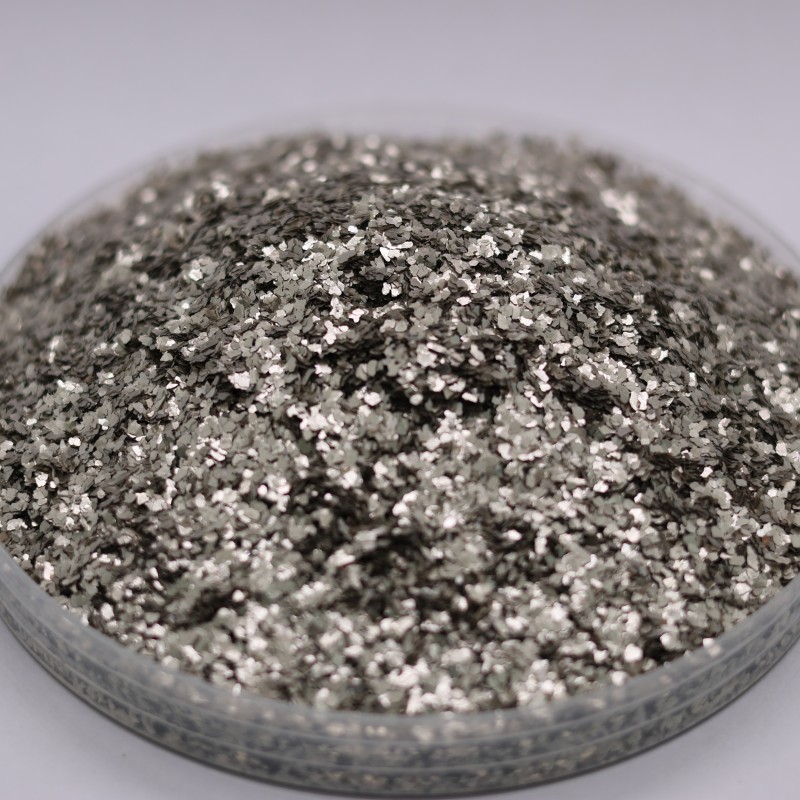
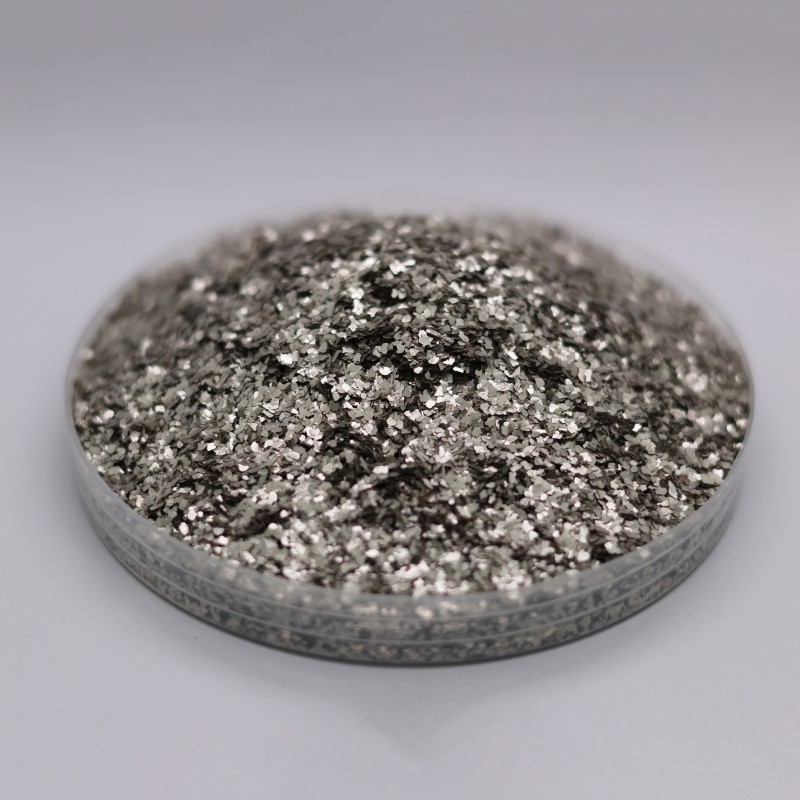
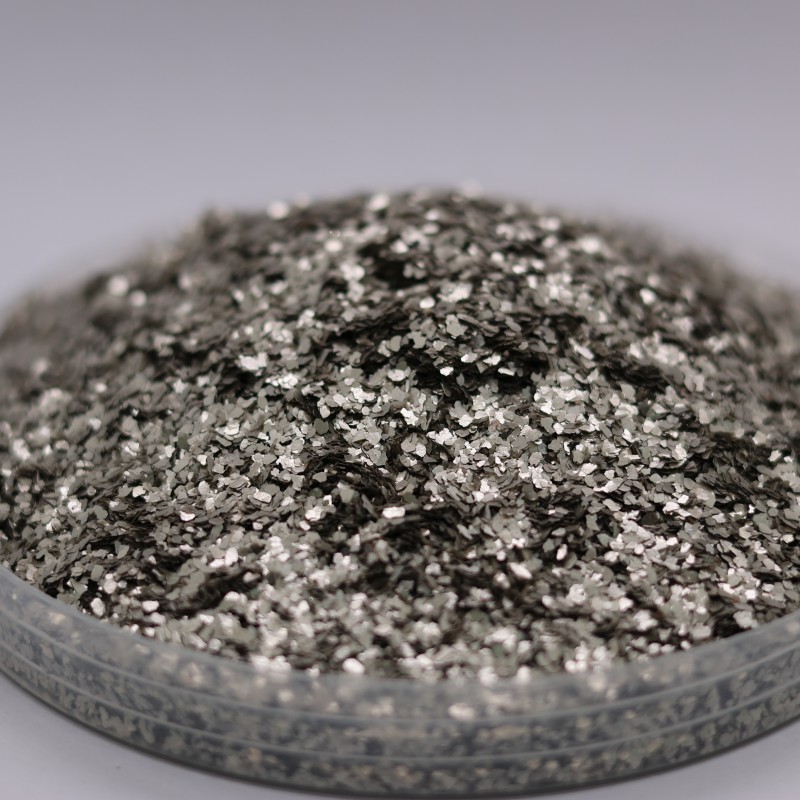
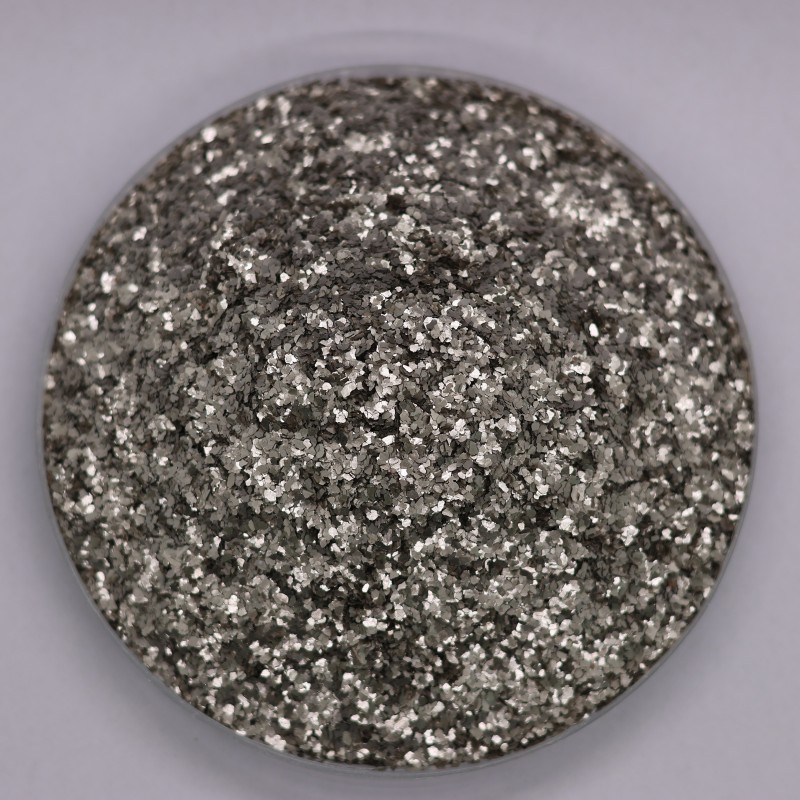
Calcined Silver Mica Powder from China Suppliers | Premium Factory-Processed Mica for Decorative Applications
| Chemical Component | Typical Content | Description |
|---|---|---|
| SiO₂ | 42% – 48% | Main silicate component |
| Al₂O₃ | 28% – 38% | Main alumina component |
| K₂O | 7% – 11% | Typical mica alkali component |
| Fe₂O₃ | 1% – 6% | Affects color and mineral characteristics |
| MgO | 0.5% – 3% | Minor component |
| CaO | ≤2% | Minor component |
| Na₂O | ≤1.5% | Minor alkali component |
| Loss on Ignition | Reduced after calcination | Depends on calcination process |
?
Frequently Asked Questions
Q
What are the predominant chemical components in this mineral material?
Silicon Dioxide (SiO₂ at 42% – 48%) and Aluminum Oxide (Al₂O₃ at 28% – 38%) serve as the primary silicate and alumina frameworks, providing superior mechanical strength, structural integrity, and chemical resistance.
Q
What role does Potassium Oxide (K₂O) play in this product?
Potassium Oxide (K₂O at 7% – 11%) represents a typical mica alkali element, confirming the natural layered phyllosilicate mineral structure and contributing to thermal and electrical insulation performance.
Q
How does the presence of Fe₂O₃ influence material performance?
Iron Oxide (Fe₂O₃ at 1% – 6%) primarily influences the optical properties, base hue, and specific mineral characteristics without compromising the core structural and insulating capabilities.
Q
Why is Loss on Ignition (LOI) reduced after calcination?
High-temperature calcination effectively eliminates bound water, organic impurities, and volatile contents, resulting in significantly lower LOI and enhanced volume stability under extreme heat.
Q
Are the minor components like MgO, CaO, and Na₂O controlled within standard ranges?
Yes. Minor components (MgO 0.5%–3%, CaO ≤2%, and Na₂O ≤1.5%) remain well within standard mineralogical limits, ensuring consistent compound formulation and high end-use compatibility.
Q
Can the chemical composition vary based on industrial processing requirements?
While natural raw mineral limits are maintained, processing techniques such as calcination and refined grading allow controlled adjustments to specific parameters like LOI to meet target manufacturing requirements.
This is a paragraph
This is a paragraph
This is a paragraph
This is a paragraph
This is a paragraph
This is a paragraph
This is a paragraph
This is a paragraph
This is a paragraph
This is a paragraph
This is a paragraph
-
This is a paragraph
-
This is a paragraph
-
This is a paragraph
-
This is a paragraph
-
This is a paragraph
-
This is a paragraph
-
This is a paragraph
-
This is a paragraph
This is a paragraph