
This is a paragraph
This is a paragraph

Hot Products
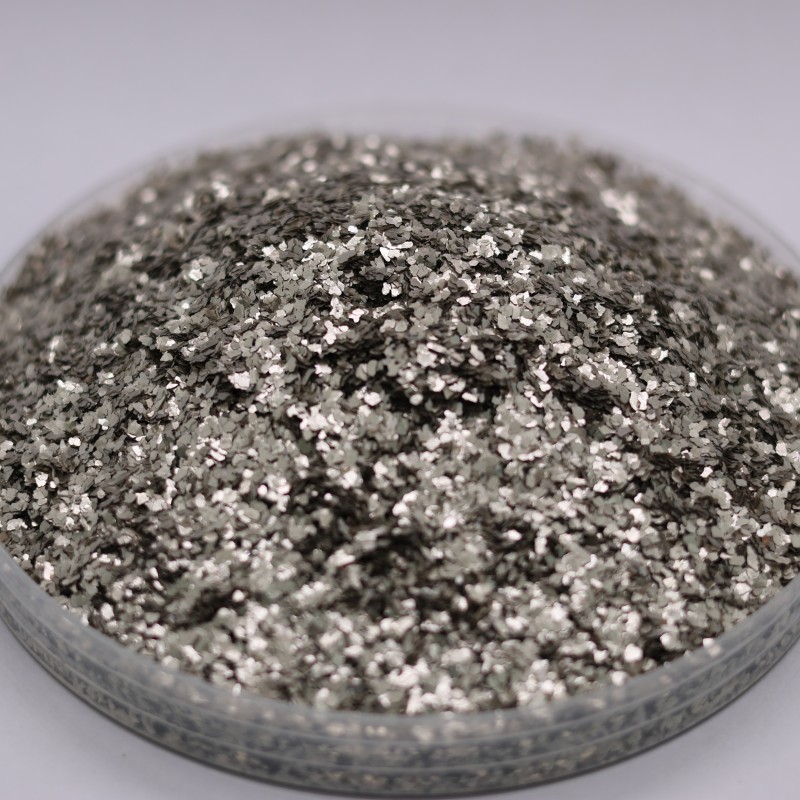
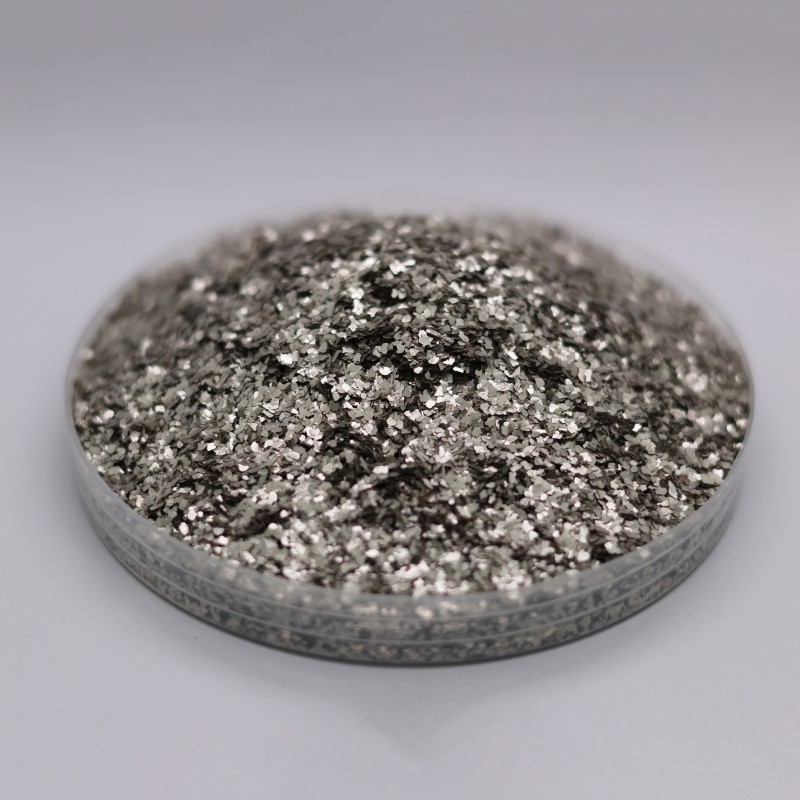
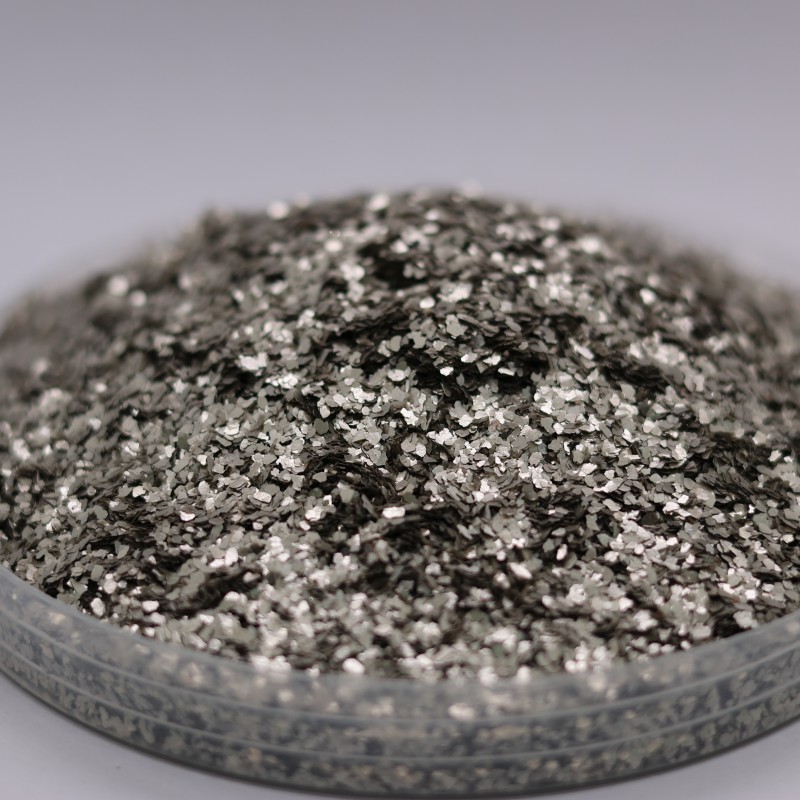
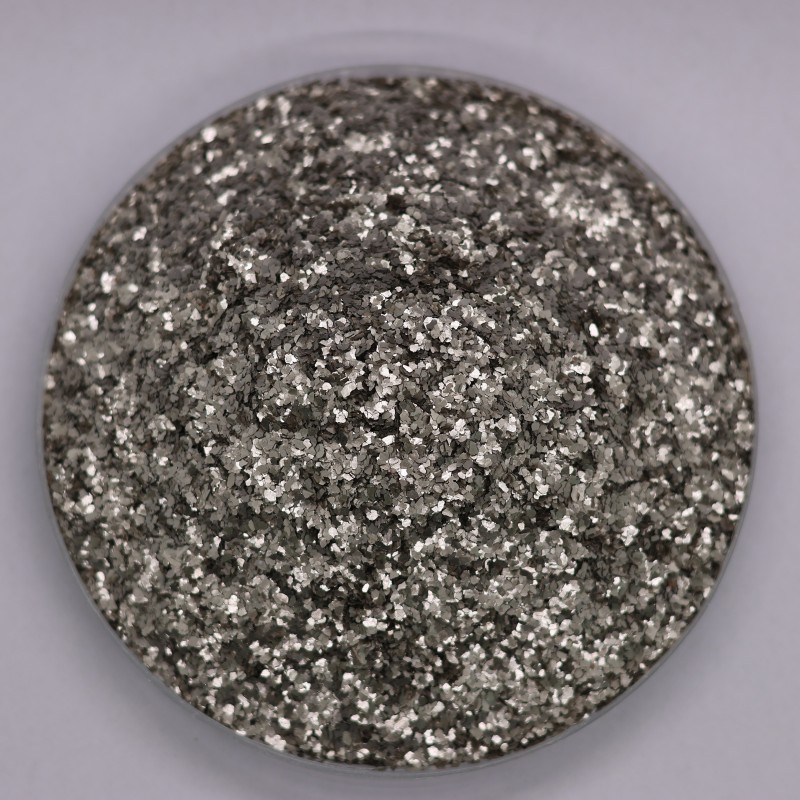
Calcined Silver Mica Powder Suppliers in China | Factory-Direct Decorative Mica for Industrial Applications
| Chemical Component | Typical Content | Description |
|---|---|---|
| SiO₂ | 42% – 48% | Main silicate component |
| Al₂O₃ | 28% – 38% | Main alumina component |
| K₂O | 7% – 11% | Typical mica alkali component |
| Fe₂O₃ | 1% – 6% | Affects color and mineral characteristics |
| MgO | 0.5% – 3% | Minor component |
| CaO | ≤ 2% | Minor component |
| Na₂O | ≤ 1.5% | Minor alkali component |
| Loss on Ignition | Reduced after calcination | Depends on calcination process |
Frequently Asked Questions (FAQ)
What are the main chemical constituents in this mineral material?
The predominant components are Silicon Dioxide (SiO₂) ranging from 42% to 48% and Aluminum Oxide (Al₂O₃) from 28% to 38%, which together form the structural silicate and alumina backbone.
How does the calcination process affect the material?
Calcination significantly reduces the Loss on Ignition (LOI) by releasing structurally bound water and volatile constituents, enhancing chemical stability and thermal resistance.
Why is Potassium Oxide (K₂O) an essential indicator?
Potassium Oxide (K₂O), typically between 7% and 11%, acts as an interlayer cation characteristic of mica group minerals, contributing to crystalline structure and electrical insulation performance.
How does the presence of Fe₂O₃ impact product performance?
Iron Oxide (Fe₂O₃) levels (1% – 6%) influence mineral coloration, optical clarity, and dielectric properties, making precise control necessary for specific industrial grades.
What are the typical thresholds for minor alkaline earth elements?
Minor elements such as Magnesium Oxide (MgO) remain between 0.5% – 3%, Calcium Oxide (CaO) is held at ≤ 2%, and Sodium Oxide (Na₂O) is strictly limited to ≤ 1.5%.
This is a paragraph
This is a paragraph
This is a paragraph
This is a paragraph
This is a paragraph
This is a paragraph
This is a paragraph
This is a paragraph
This is a paragraph
This is a paragraph
This is a paragraph
-
This is a paragraph
-
This is a paragraph
-
This is a paragraph
-
This is a paragraph
-
This is a paragraph
-
This is a paragraph
-
This is a paragraph
-
This is a paragraph
This is a paragraph