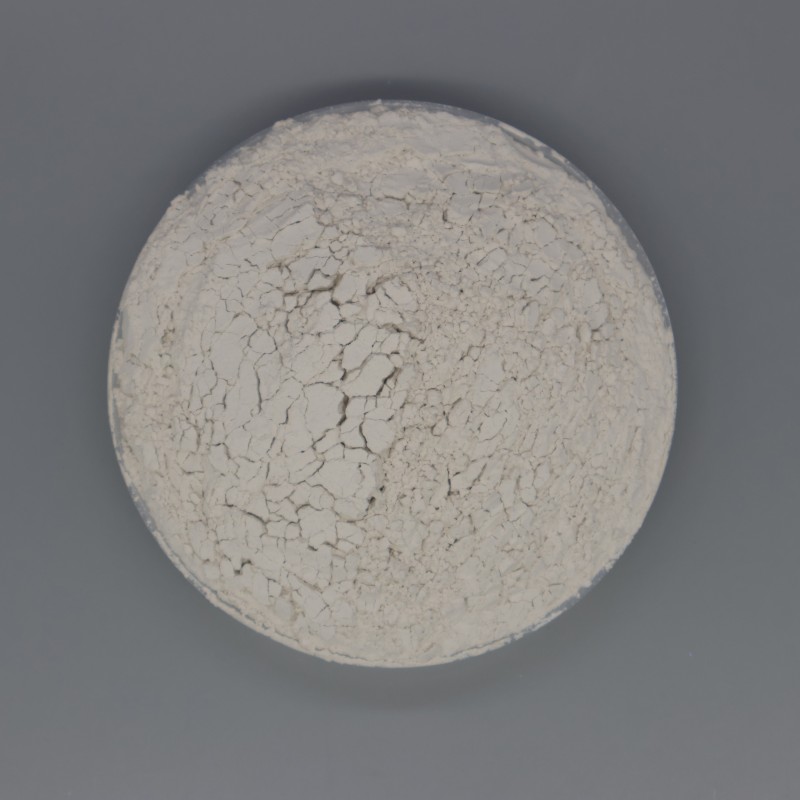
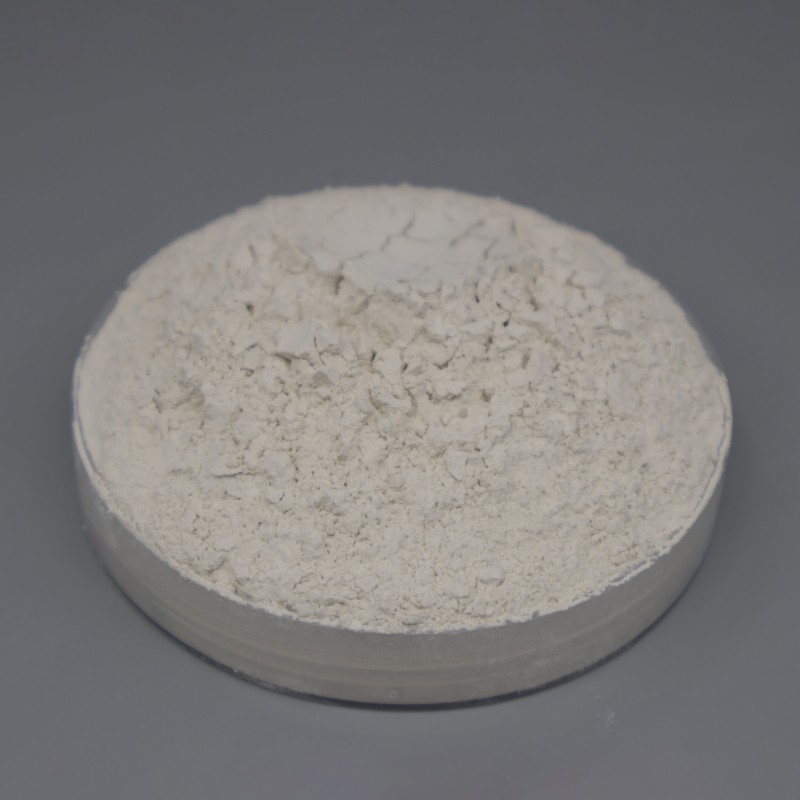
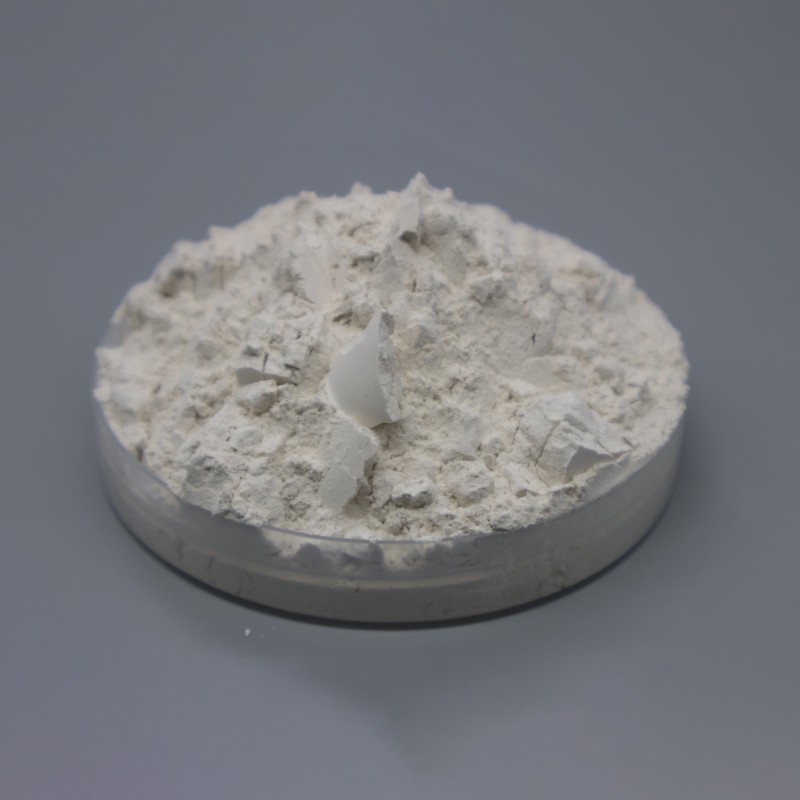
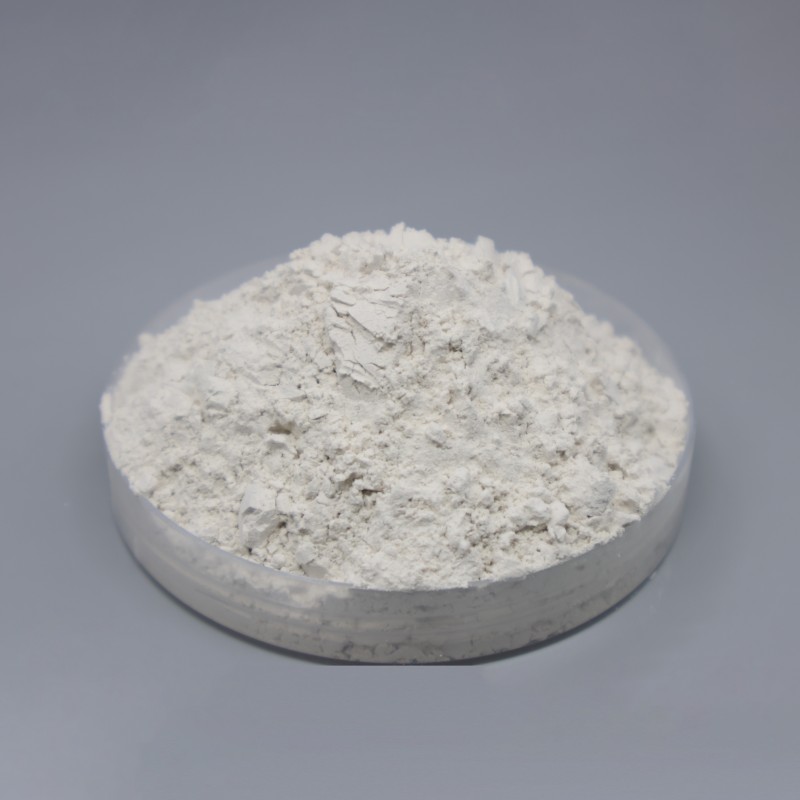
In the modern chemical processing and coatings industry, achieving precise rheological profiles while complying with stringent global volatile organic compound (VOC) regulations has emerged as a paramount challenge for formulators. Calcium bentonite—a naturally occurring smectite phyllosilicate clay predominantly characterized by hydrated calcium montmorillonite [Ca0.5(Al,Mg)2(Si4O10)(OH)2·nH2O]—has established itself as an indispensable multifunctional inorganic additive. Unlike synthetic associative thickeners that are susceptible to enzymatic degradation, solvent volatility, and shear breakdown, calcium bentonite delivers superior colloidal stability, robust pseudoplastic flow, and non-migrating physical reinforcement across complex waterborne and solvent-based matrices.
The global commercial demand for calcium bentonite in coating formulations is experiencing significant growth, accelerated by transitions toward environmentally benign architectural paints, eco-friendly water-reducible primers, high-build marine epoxy coatings, and fire-retardant intumescent systems. In industrial coatings, the mineral serves dual roles: acting not merely as a structural viscosity modifier, but fundamentally preventing pigment settling (hard-caking), minimizing syneresis during extended warehousing, and controlling film sagging during high-pressure airless spray applications on vertical structural steel substrates.
Key Formulation Insight: Calcium bentonite platelets form a responsive three-dimensional "house-of-cards" colloidal network under rest. Upon application of mechanical shear (brushing, rolling, or spraying), weak intermolecular electrostatic bonds quickly uncouple to ensure effortless atomization and leveling, followed by immediate thixotropic recovery to eliminate sag and drips.
Microstructural Chemistry: Why Calcium Montmorillonite Excels
The unique efficacy of calcium bentonite in coatings stems directly from its nanometer-scale lamellar geometry. Each individual platelet comprises an octahedral alumina sheet sandwiched between two inward-pointing tetrahedral silica sheets (a 2:1 layer phyllosilicate). Due to isomorphic substitution within the crystal lattice (such as Mg2+ substituting for Al3+ in octahedral positions), the faces of the platelets carry a permanent negative charge, whereas broken edges develop localized positive charges in acidic to neutral aqueous environments.
In calcium bentonite, divalent calcium cations (Ca2+) reside in the interlayer galleries to balance this negative charge. Because calcium has a higher charge density and lower hydration radius than monovalent sodium (Na+), calcium bentonite exhibits controlled, non-excessive swelling. This controlled swelling behavior is particularly prized in high-solids paints, dip coatings, and waterborne formulations where excessive hydration would otherwise consume free water and cause uncontrolled viscosity spikes or film embrittlement.
Anti-Settling & Suspension
Forms a durable low-shear yield stress barrier that permanently suspends high-density pigment particles like titanium dioxide, barytes, and zinc phosphate, preventing dense hard-packing during extended container storage.
Sag Control vs. Leveling
Provides an optimized balance between wet-edge leveling and rapid thixotropic rebuild, enabling high single-pass wet film thickness (WFT) without running, sagging, or edge-pulling on vertical architectural columns.
Barrier & Corrosion Resistance
The high aspect-ratio platelets create a tortuous pathway for moisture, oxygen, and corrosive chloride ions within cured primer matrices, drastically reducing substrate corrosion and blistering.
Deep Application Scenarios in Modern Coating Systems
1. Architectural Emulsion Paints & Decorative Finishes
In interior and exterior waterborne acrylic, styrene-acrylic, and vinyl acetate emulsion paints, calcium bentonite serves as an efficient inorganic rheology modifier and anti-splatter agent. When paint is applied via roller, high-shear forces cause immediate thinning, ensuring easy spreading; as soon as roller contact ceases, the clay platelets swiftly realign, preventing roller spattering and droplet misting. Furthermore, the mineral’s high cation-exchange capacity facilitates synergistic interaction with cellulosic ethers (HEC, HPMC) and associative polyurethane thickeners (HEUR), reducing formulation costs while maintaining rich, creamy in-can texture and superior brush drag.
2. Heavy-Duty Protective Primers & Marine Epoxy Coatings
Anti-corrosive primers for marine vessels, offshore oil platforms, and structural bridges rely on heavy loading of metallic zinc, iron oxide, or micaceous iron oxide (MIO) pigments. Due to their immense specific gravity, these active pigments rapidly settle into intractable cakes if uninhibited. Activated calcium bentonite and organically modified derivatives establish a permanent microscopic gel scaffold, keeping heavy particles homogeneously dispersed. During application, the lamellar plates orient parallel to the substrate, significantly enhancing the mechanical toughness, scratch resistance, and barrier impermeability of the dried epoxy film against saltwater ingress.
3. Textured Finishes, Plasters, and High-Build Stuccos
Exterior architectural wall coatings, such as elastomeric textured coatings and spray plasters, require extreme yield values to hold heavy aggregate patterns without slump before curing. Calcium bentonite provides the required wet adhesion, plasticity, and water-retention capacity. It prevents rapid flash-drying and shrinkage cracking when applied over porous mineral substrates such as concrete, brickwork, or calcium silicate boards.
4. Wood Stains, Furniture Sealers, and Dipping Enamels
For industrial wood coatings and dip-tank primers, maintaining continuous pigment suspension without increasing high-shear viscosity is vital. Calcium bentonite delivers an exceptional thixotropic index: under high-shear pumping or dipping, the coating flows smoothly into intricate wood grains and crevices; upon removal, instant viscosity recovery prevents dripping, tear-marking, and excessive edge run-off, yielding flawless finish uniformity.
Comparative Analysis: Calcium Bentonite vs. Alternative Mineral Modifiers
Formulators frequently evaluate various mineral rheology additives based on target polarity, cost-efficiency, and mechanical performance. The following matrix illustrates the comparative parameters between Calcium Bentonite, Sodium Bentonite, Talc, and Fumed Silica:
| Mineral Additive |
Dominant Mechanism |
Swelling & Hydration Rate |
Anti-Settling Efficiency |
Film Reinforcement |
Primary Coating Applications |
| Calcium Bentonite |
Controlled smectite gelation & mechanical platelet barrier |
Moderate & Stable (Non-gel jamming) |
Outstanding (High yield value) |
High (Tortuous barrier structure) |
Architectural paints, anticorrosion primers, dip coatings, industrial enamels |
| Sodium Bentonite |
Extreme osmotic swelling & macromolecular hydration |
High to Excessive (Forms thick gels) |
Very High (Can impact wet-scrub) |
Moderate |
Drilling fluids, foundry binders, civil waterproofing, high-yield slurry sealants |
| Micro-Talc Powder |
Lamellar physical spacer & matting extender |
None (Inert hydrophobic filler) |
Low (Prone to soft-settle) |
Very High (Chemical inertness) |
Undercoats, auto refinish primers, sandable fillers, matte topcoats |
| Hydrophilic Fumed Silica |
Hydrogen bonding network of nano-particles |
None (Surface silanol interaction) |
High (Sensitive to polar solvents) |
Moderate (Can introduce brittleness) |
Clear coats, coil coatings, high-end 2K polyurethanes, UV curables |
Dispersion Guidelines, Activation & Formulation Chemistry
To unlock the complete colloidal performance of calcium bentonite in coating manufacture, proper dispersion protocol is essential. Calcium montmorillonite exists naturally in agglomerated tactoids consisting of hundreds of stacked lamellae. Complete delamination requires adequate mechanical shear and chemical hydration:
-
Waterborne Pre-Gel Method: Prepare a 6% to 10% masterbatch pre-gel in water using a high-speed cowles disperser at peripheral speeds of 15–20 m/s for 20 to 30 minutes. Allowing the pre-gel to age for 4 to 8 hours ensures total hydration and maximum thixotropic development prior to paint let-down.
-
Direct Addition during Mill-Base Grinding: Calcium bentonite can be charged directly into the pigment grind stage alongside TiO2 and extenders. The high shear of bead milling or attritor grinding effortlessly delaminates the clay platelets, integrating them into the dispersion matrix simultaneously.
-
Polar Solvent Activation (for Organoclay conversions): When synthesized or blended into organophilic forms for solvent-based paints, the addition of small percentages of polar activators (such as 95/5 Ethanol/Water or Propylene Carbonate) facilitates complete interlayer expansion and gel scaffolding.
Future Outlook: Low-VOC, Bio-Based Coatings and Nanoclay Technology
As global environmental mandates push towards ultra-low VOC and completely bio-based architectural and industrial finishes, synthetic petroleum-derived rheology modifiers face increased regulatory and performance scrutiny. Calcium bentonite, being a 100% natural, non-toxic, non-flammable mineral resource, is positioned at the forefront of green coatings innovation. Contemporary research in polymer-clay nanocomposites (PCN) demonstrates that incorporating exfoliated calcium bentonite into waterborne polyurethane and epoxy resin systems significantly improves thermal stability, flame retardancy, and UV-degradation resistance, all while reducing dependence on fossil-fuel chemical additives.