Leave Your Message

China Bentonite for Drilling Mud - Reliable Suppliers and Factory for Quality Drilling Fluid Solutions

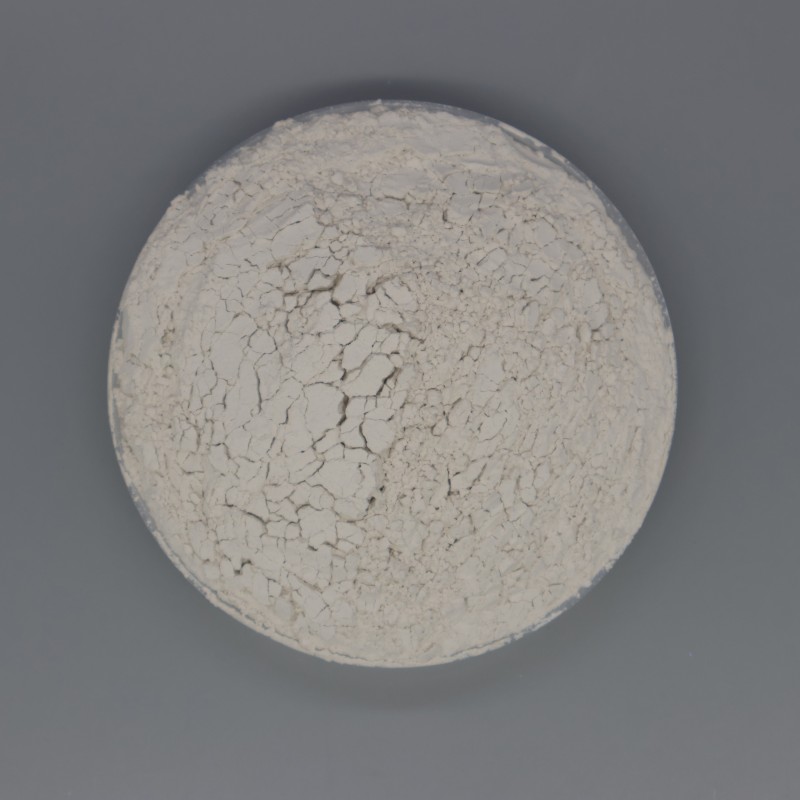
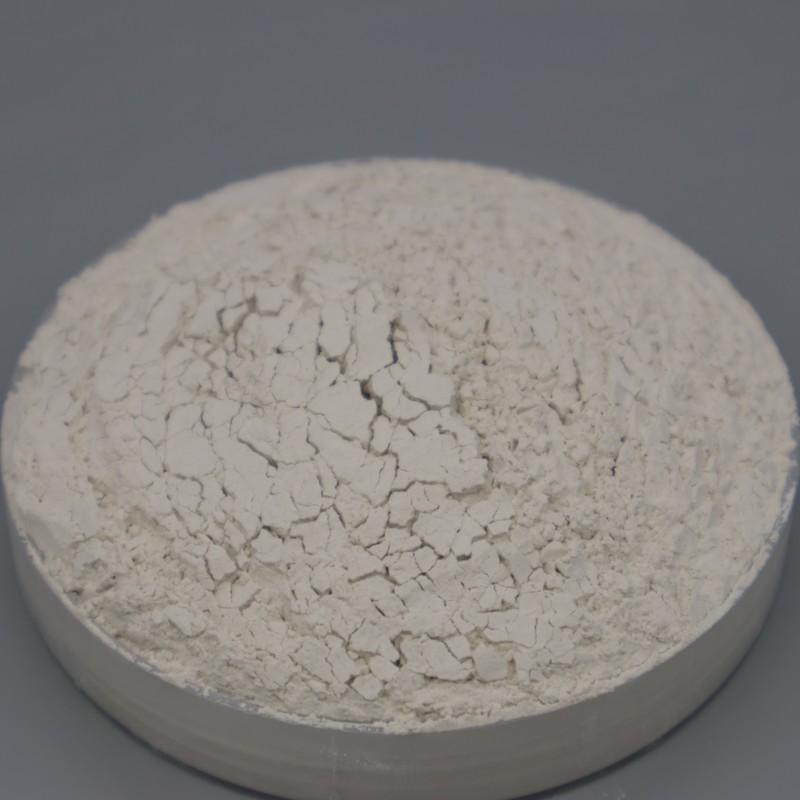
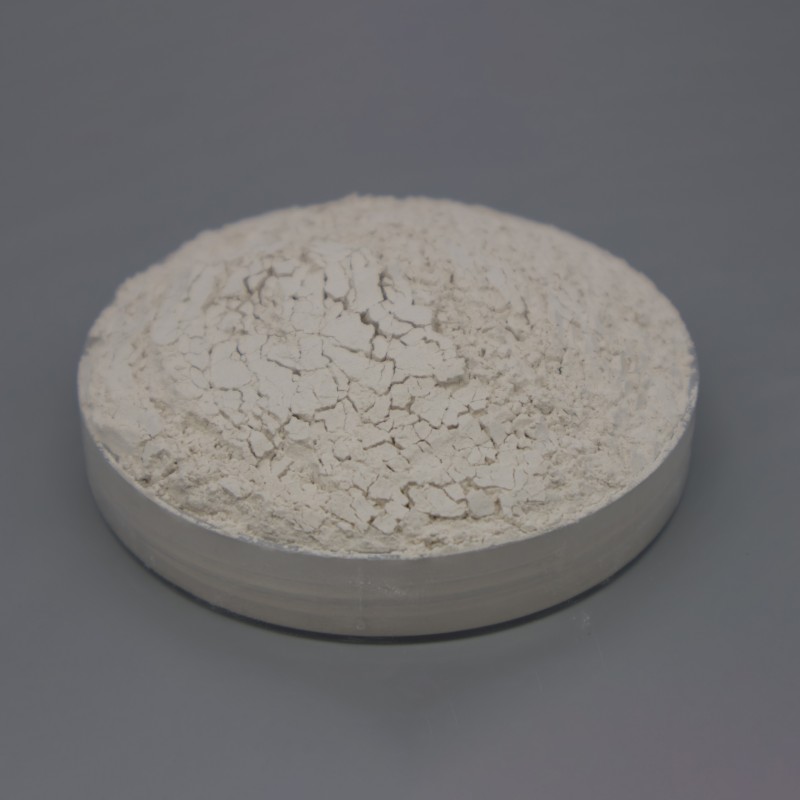
Bentonite for drilling mud is a specialized functional clay sourced from China, essential for creating water-based drilling fluids utilized in various applications such as oil drilling, gas exploration, water well drilling, mineral exploration, horizontal directional drilling, bored piling, diaphragm walls, trenchless construction, and other underground engineering projects. The primary mineral component of this bentonite is montmorillonite, a unique layered clay mineral that exhibits remarkable properties such as hydration, dispersion, swelling, and the ability to form a colloidal suspension when mixed with water. These characteristics ensure that drilling mud achieves optimal viscosity, carrying capacity, fluid loss control, and borehole wall stabilization.

In drilling operations, bentonite is not merely a filler; it serves as a crucial additive that enhances the performance of drilling fluids. A well-hydrated bentonite slurry efficiently suspends drill cuttings, transports them to the surface, cools and lubricates the drill bit, forms a thin filter cake on the borehole wall, minimizes fluid loss into permeable formations, and provides essential stability for the borehole. Without high-quality bentonite from reputable suppliers, drilling mud may suffer from inadequate viscosity, rapid sedimentation, excessive filtration loss, weak borehole protection, and overall unstable drilling performance.

WANCHENG MINERAL, a leading factory in China, supplies high-performance drilling grade bentonite products tailored for various drilling and civil engineering applications. We offer a range of bentonite options, including natural sodium bentonite, activated bentonite, and customized bentonite powders, all available in different viscosities, swelling capacities, particle sizes, moisture content, and packaging options. Our commitment is to provide our customers with stable quality, dependable bulk supply, and packaging ready for export.

Selecting the right bentonite for drilling mud is crucial and should be based on the drilling method, soil or formation conditions, water quality, slurry design, equipment type, and regional project standards. For oilfield drilling, clients often prioritize rheological behavior, filtration control, and compatibility with other additives. In water well drilling and HDD (Horizontal Directional Drilling) projects, our customers frequently require quick hydration, excellent viscosity, suspension capabilities, and borehole stabilization. For piling and civil engineering slurries, guaranteeing stable suspension and effective wall support is vital. At WANCHENG MINERAL, we discuss application specifics with our clients and recommend suitable grades of drilling bentonite for testing to ensure optimal results.

    This is a paragraph

    This is a paragraph

    This is a paragraph

    Chemical Component Typical Content Description
    SiO₂ 55% - 70% Main silicate component
    Al₂O₃ 12% - 20% Main alumina component
    Fe₂O₃ 2% - 6% Varies by ore source
    MgO 1% - 5% Typical clay mineral component
    CaO 0.5% - 4% Varies by bentonite type
    Na₂O 1% - 4% Important for sodium bentonite performance
    K₂O 0.5% - 2.5% Minor alkali component
    Loss on Ignition 6% - 12% Depends on moisture and clay structure

    Frequently Asked Questions (FAQ)

    What is the primary chemical compound found in bentonite clay?

    The main chemical component is Silicon Dioxide (SiO₂), which typically ranges between 55% and 70%, forming the core silicate crystal structure along with Aluminum Oxide (Al₂O₃).

    Why is the Na₂O content critical for bentonite performance?

    Sodium oxide (Na₂O) content directly dictates the swelling capacity, thermal stability, and rheological properties of sodium bentonite, making it vital for drilling mud and binding applications.

    What does "Loss on Ignition" (LOI) indicate in chemical analysis?

    Loss on Ignition (typically 6% - 12%) reflects the release of structural hydroxyl water, volatile matter, and organic residues when the mineral is heated to high temperatures.

    How does the presence of Fe₂O₃ impact industrial applications?

    Iron oxide (Fe₂O₃) ranges between 2% and 6% depending on the mine deposit; it influences the natural color of the clay and can be an important factor in ceramic and pigment manufacturing.

    Why do CaO and Na₂O levels vary among bentonite types?

    Differences in CaO (0.5% - 4%) and Na₂O (1% - 4%) define whether the material is naturally calcium-based or sodium-based, directly altering water absorption and dispersion efficiency.

    Are these chemical compositions consistent across all bentonite deposits?

    No, natural mineral deposits exhibit slight variations based on regional geology, mineral origin, and processing methods, though most commercial grades fall within these standard ranges.

    This is a paragraph

    This is a paragraph

    This is a paragraph

    This is a paragraph

    This is a paragraph

    This is a paragraph

    This is a paragraph

    This is a paragraph

    This is a paragraph

    This is a paragraph

    This is a paragraph

    This is a paragraph

    This is a paragraph

    This is a paragraph

    This is a paragraph

    Application Image Grid Placeholder

    FAQ

    • This is a paragraph

    • This is a paragraph

    • This is a paragraph

    • This is a paragraph

    • This is a paragraph

    • This is a paragraph

    • This is a paragraph

    • This is a paragraph

      This is a paragraph

    This is a paragraph

    This is a paragraph

    This is a paragraph
    This is a paragraph