Leave Your Message

China Calcined Mica Powder Factory - Leading Suppliers of High-Quality Mica Products for Industrial Applications

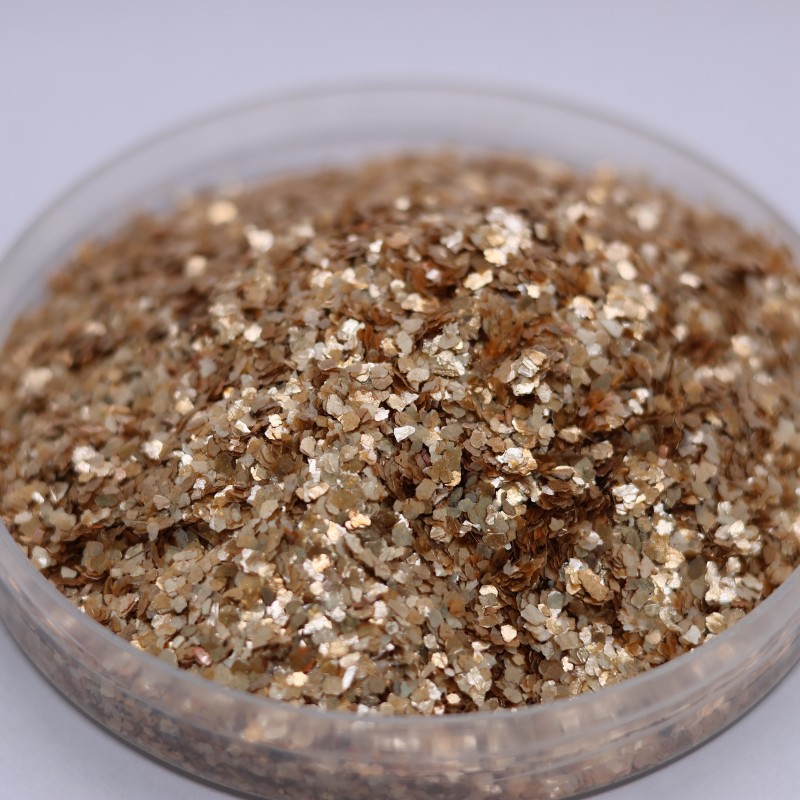
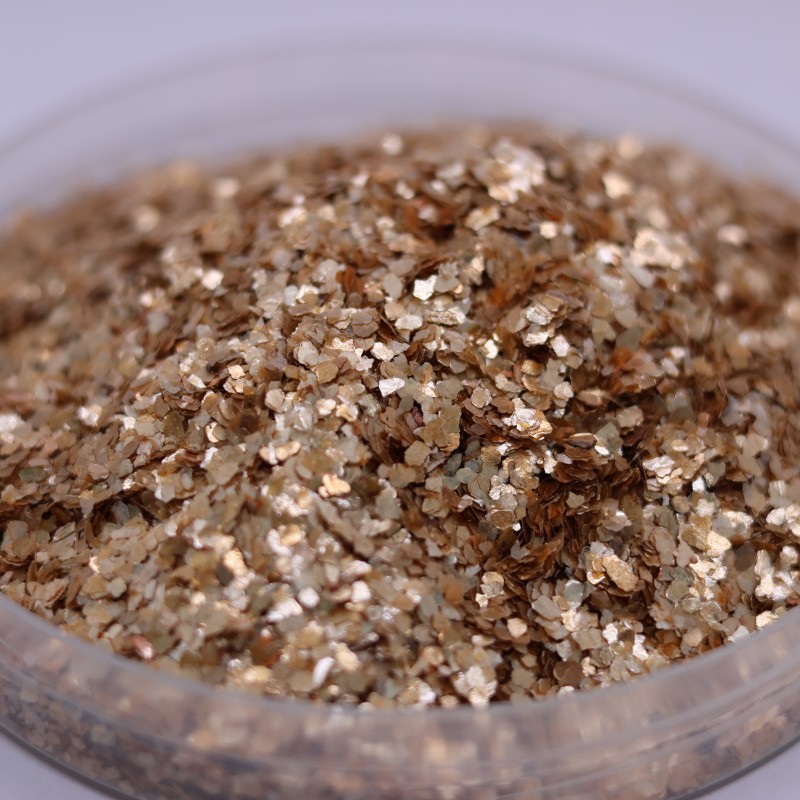
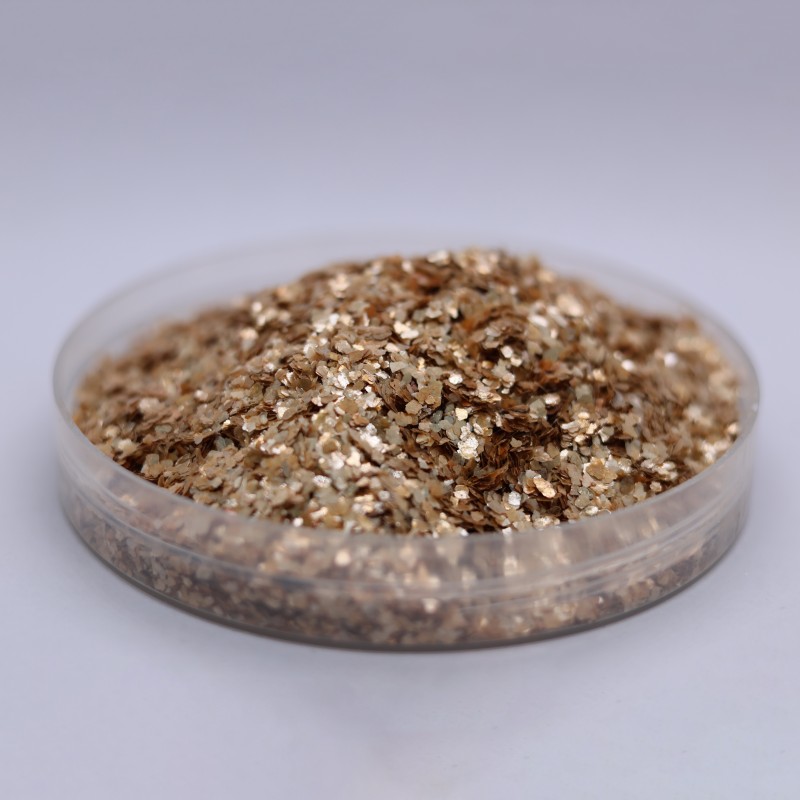
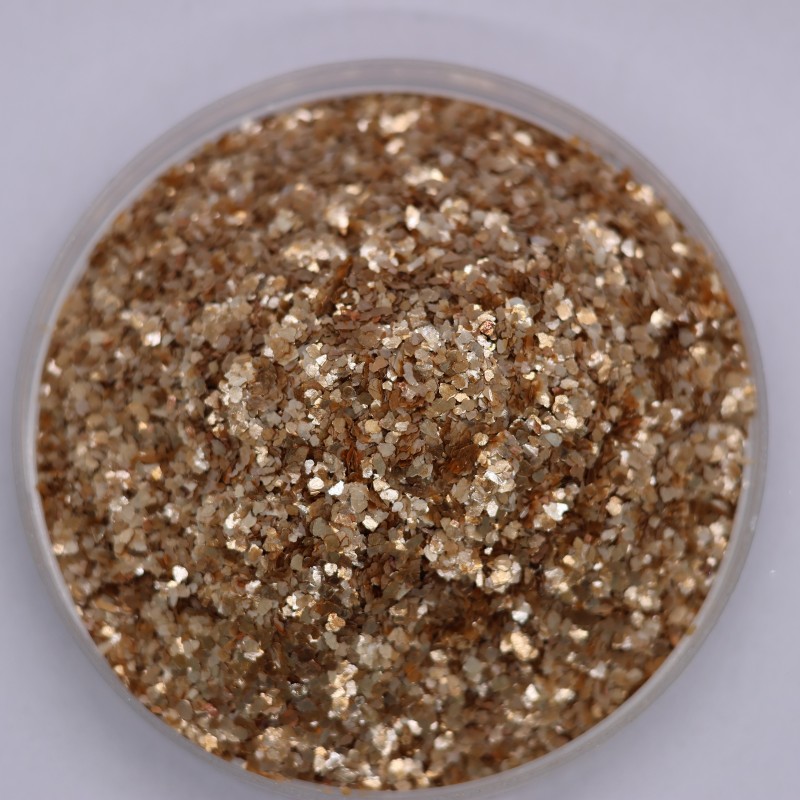
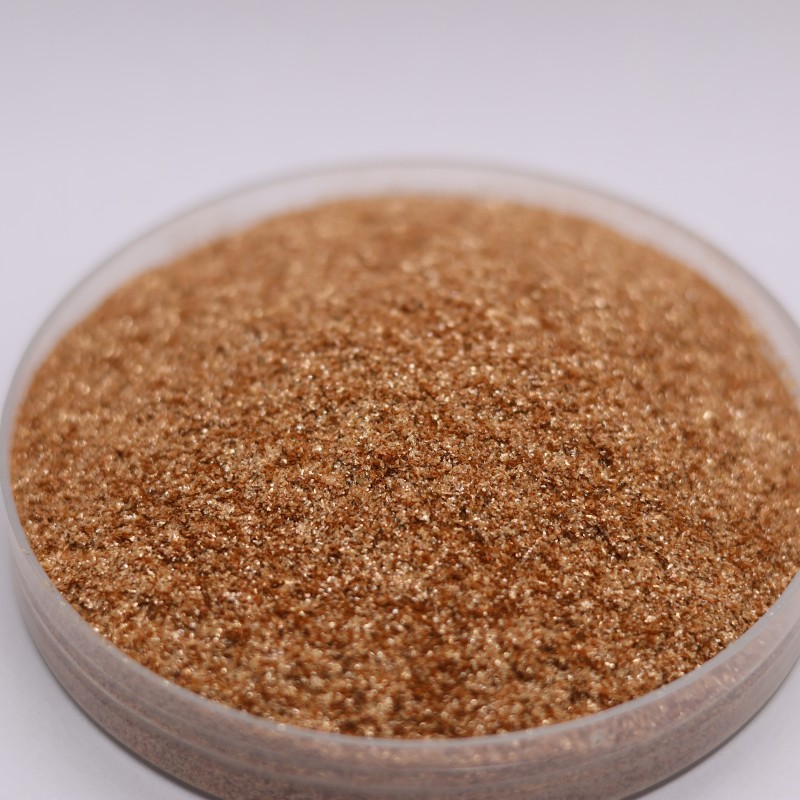
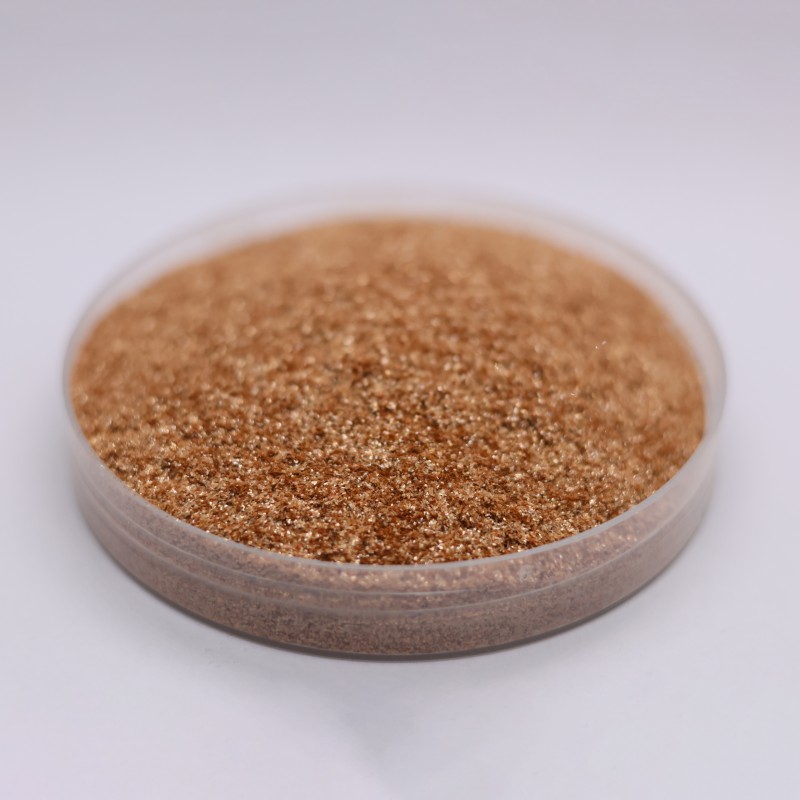
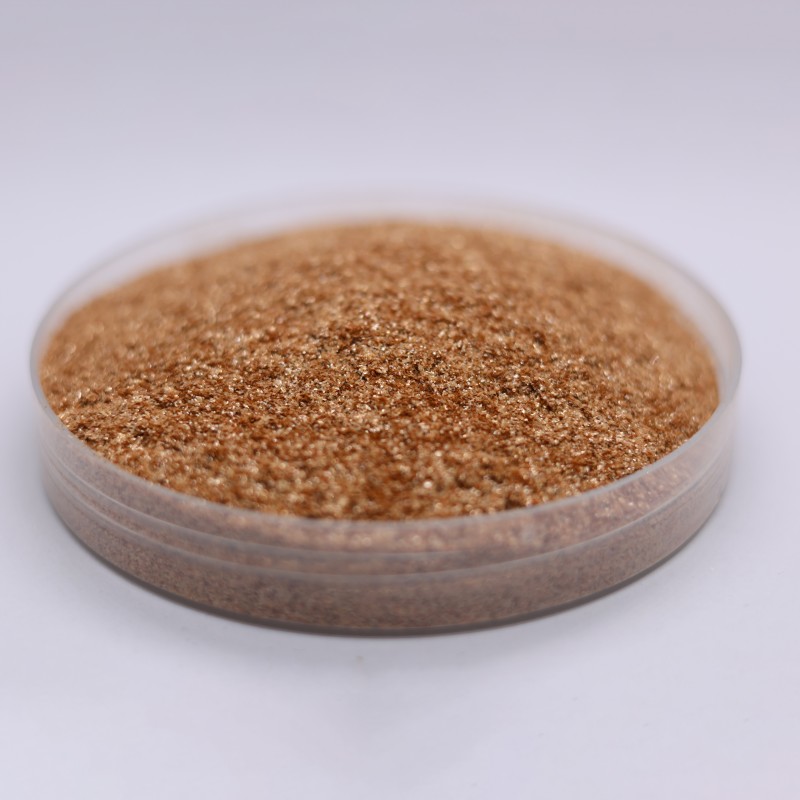
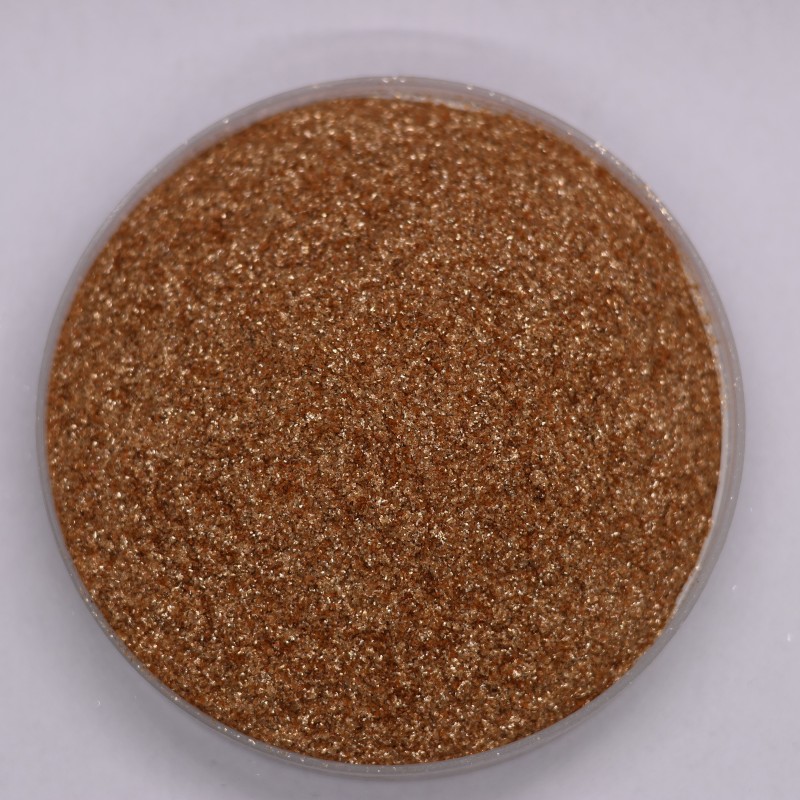
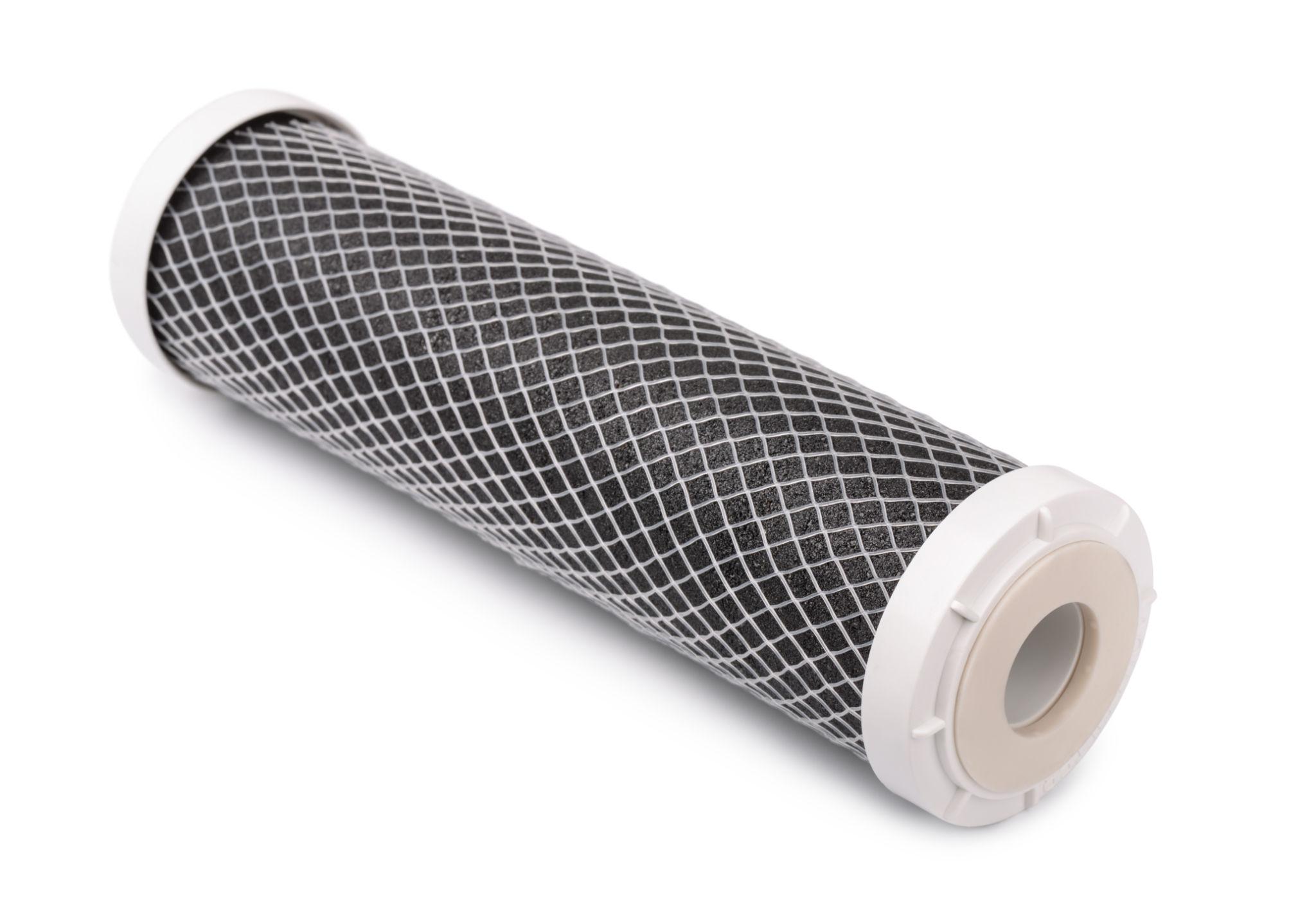
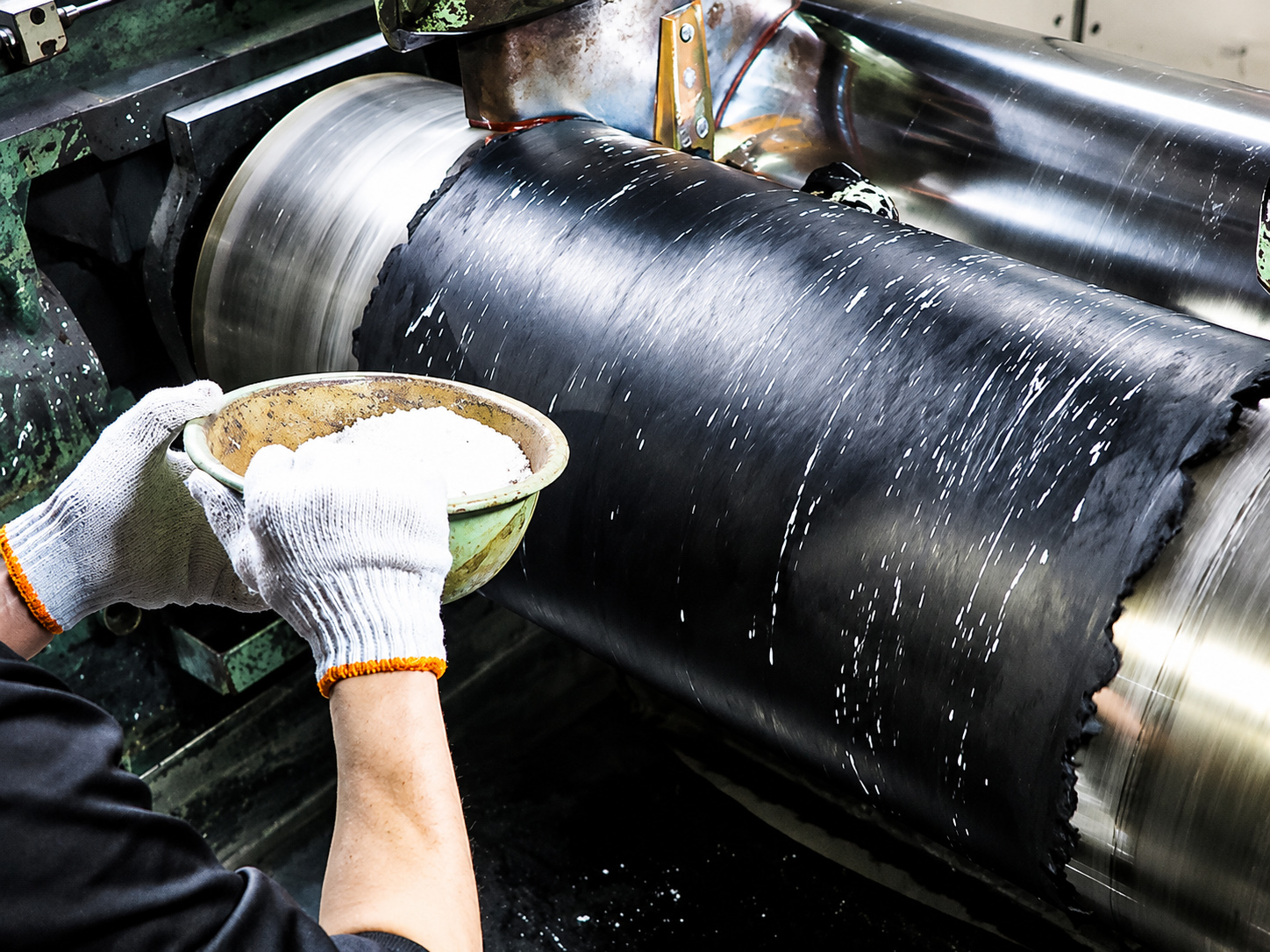
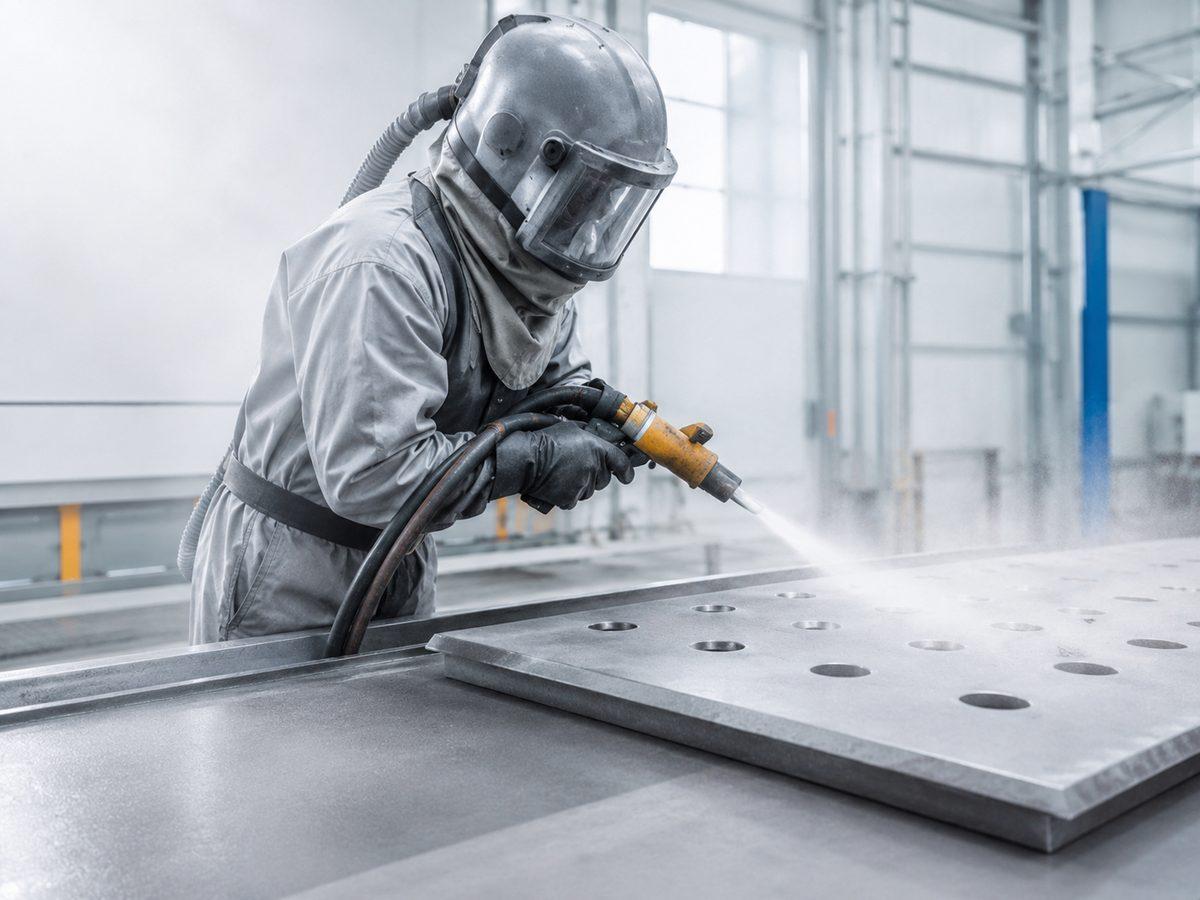
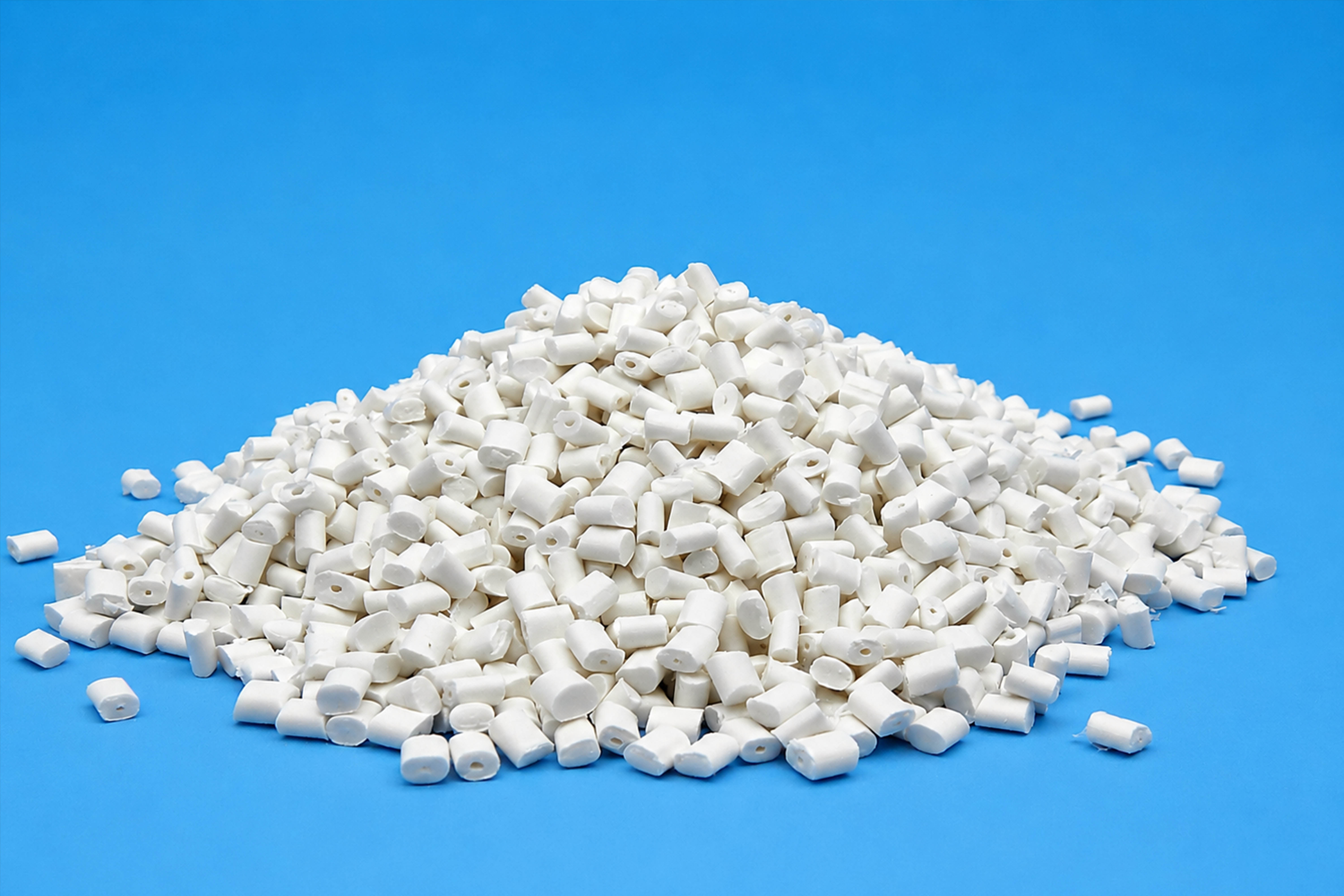
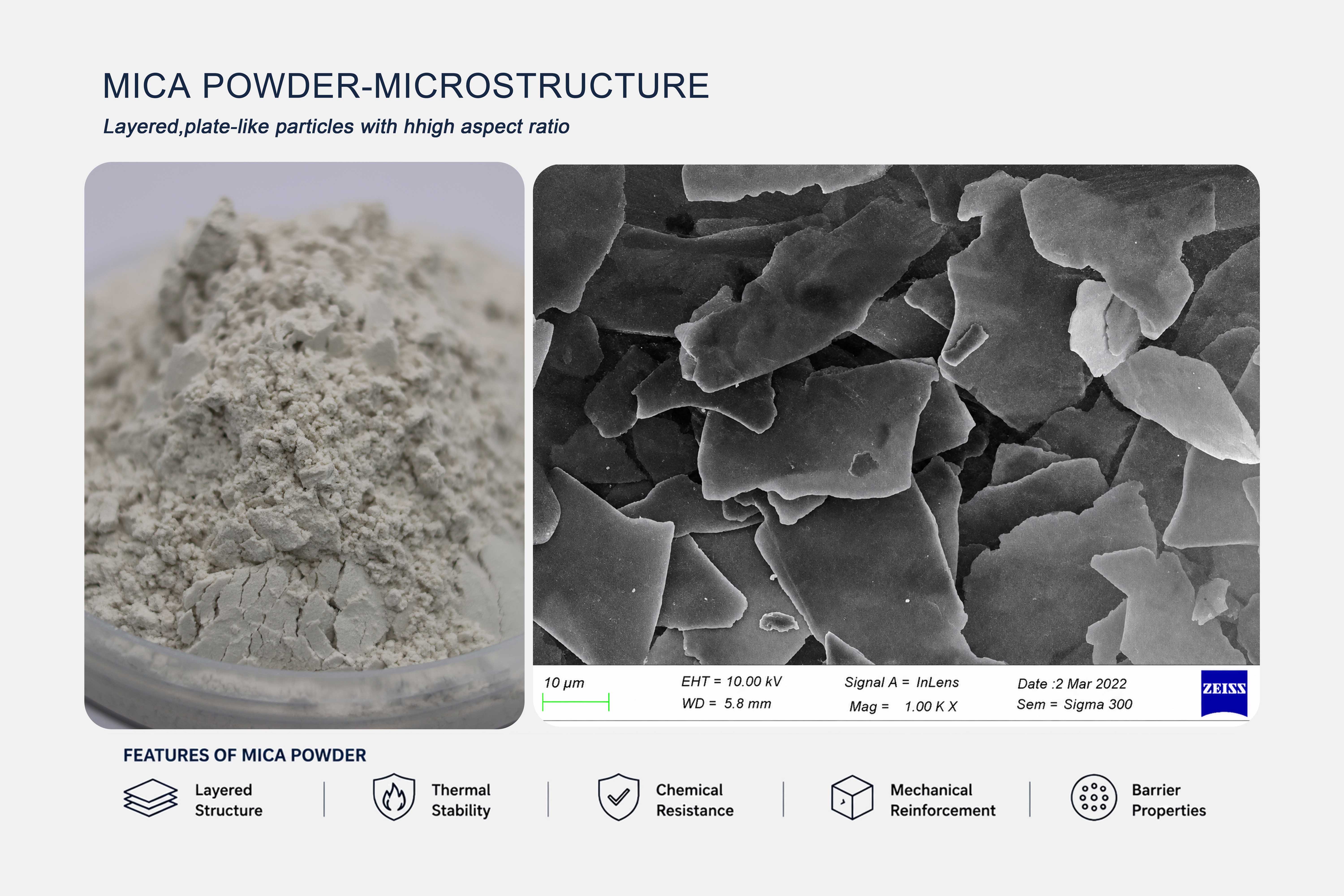
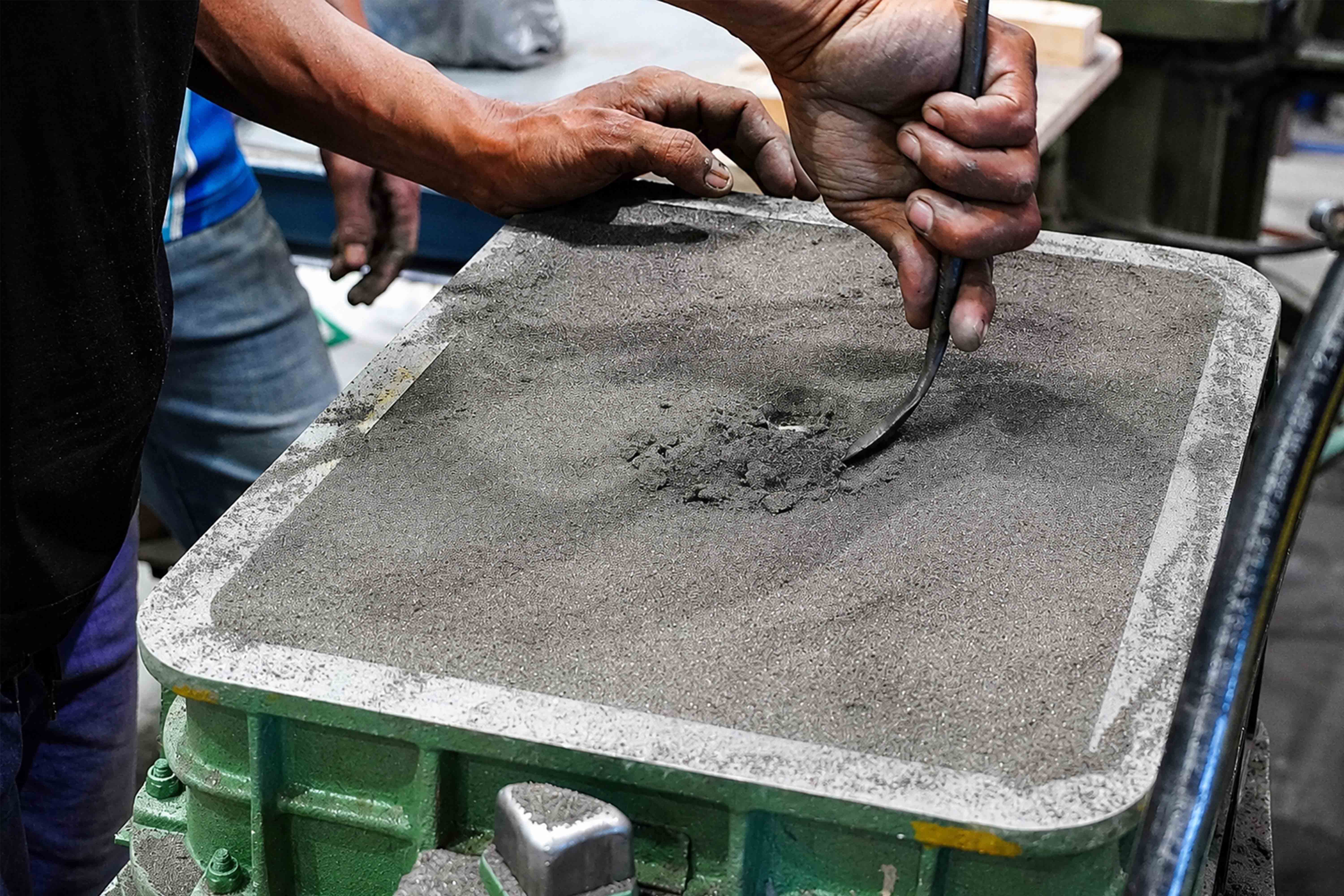
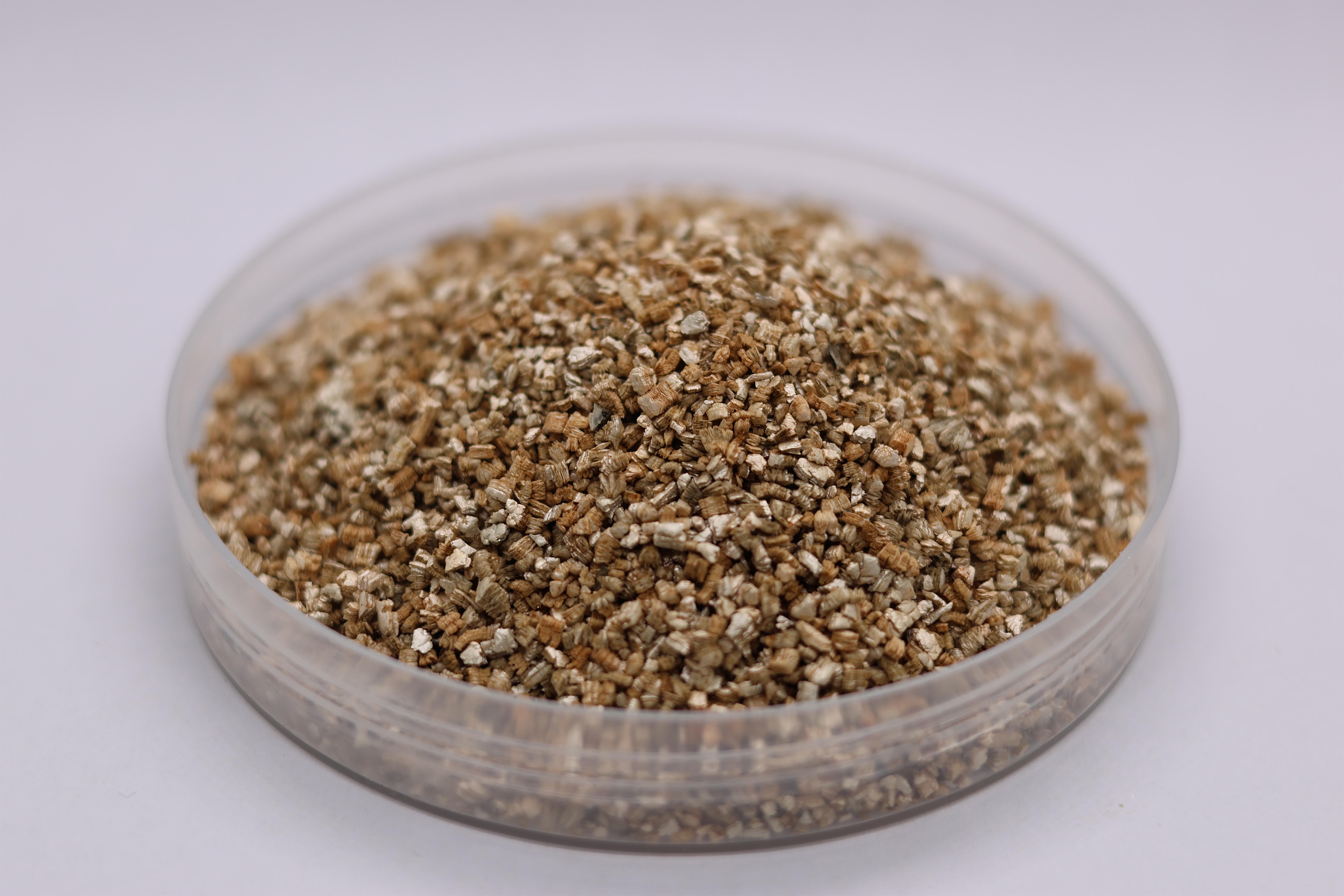
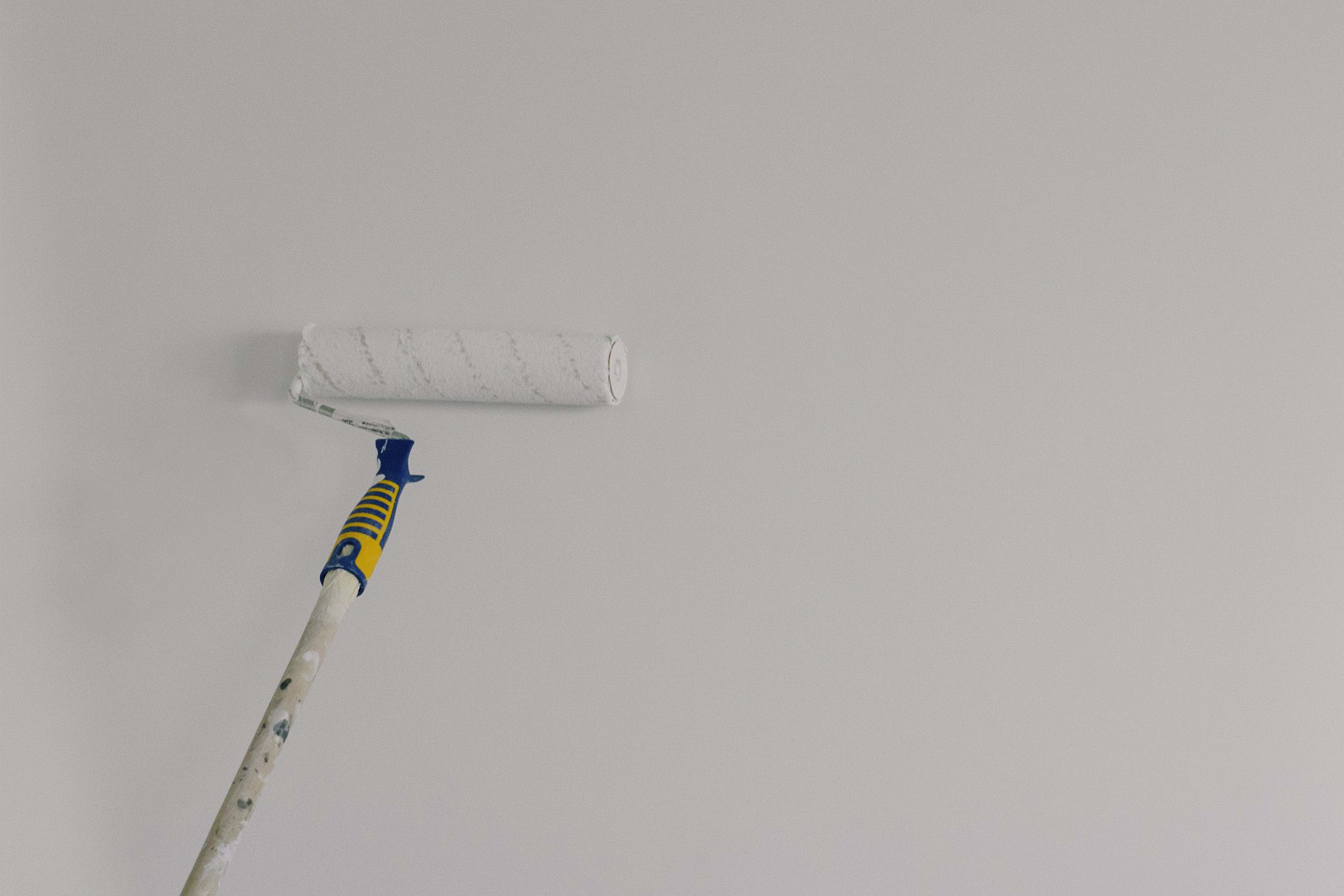
Calcined mica powder is an advanced mica material made by heating select natural mica in a controlled environment. This calcination process effectively reduces volatile substances and surface impurities while preserving the natural layered structure of mica. As a result, the product boasts improved cleanliness, enhanced thermal stability, consistent color, and superior performance in various industrial applications. Mica, being a natural silicate mineral with a distinctive plate-like structure, lends exceptional properties to calcined mica powder. It exhibits remarkable heat resistance, electrical insulation, chemical stability, flexibility, low thermal conductivity, and excellent barrier performance. These attributes make calcined mica a preferred choice for manufacturers in coatings, plastics, rubber, welding materials, insulation products, refractory materials, construction materials, decorative finishes, and composite formulations. When compared to standard natural mica powder, calcined mica powder features a cleaner aesthetic and enhanced heat stability. It serves as a functional mineral filler that significantly improves the durability of coatings, enhances surface texture, ensures dimensional stability, boosts anti-cracking properties, and elevates insulation and thermal resistance. In decorative uses, coarse calcined mica flakes offer a natural mineral texture and visually appealing flake effect. WANCHENG MINERAL, a reputable supplier and factory in China, provides high-quality calcined mica powder and flakes to customers worldwide. Alongside our standard calcined mica offerings, we proudly present a unique silver calcined mica grade. This special product showcases a striking silver appearance after calcination and is currently available in 10 mesh, 20 mesh, and 40 mesh sizes. It is tailored for customers seeking visible silver mica flakes, decorative mineral textures, or unique surface effects in coatings and building materials.

    This is a paragraph

    This is a paragraph

    This is a paragraph

    Chemical Component Typical Content Description
    SiO₂ 42% - 48% Main silicate component
    Al₂O₃ 28% - 38% Main alumina component
    K₂O 7% - 11% Typical mica alkali component
    Fe₂O₃ 1% - 6% Affects color and mineral characteristics
    MgO 0.5% - 3% Minor component
    CaO ≤ 2% Minor component
    Na₂O ≤ 1.5% Minor alkali component
    Loss on Ignition Reduced after calcination Depends on calcination process
    Frequently Asked Questions
    Q:What are the major chemical constituents in this composition?
    Silicon Dioxide (SiO₂) at 42%–48% and Aluminum Oxide (Al₂O₃) at 28%–38% form the primary silicate and alumina matrix of the material.
    Q:What role does Potassium Oxide (K₂O) play?
    Potassium Oxide (7%–11%) serves as the typical mica alkali component, crucial for characterizing mineral purity and layer stability.
    Q:How does Iron Oxide (Fe₂O₃) affect the mineral properties?
    Present at 1%–6%, Iron Oxide influences both the visual color intensity and specific mineral performance characteristics.
    Q:What are the minor components in the chemical profile?
    Magnesium Oxide (MgO: 0.5%–3%), Calcium Oxide (CaO: ≤2%), and Sodium Oxide (Na₂O: ≤1.5%) represent secondary components and alkali traces.
    Q:Why does Loss on Ignition decrease after calcination?
    Loss on Ignition is reduced during the high-temperature calcination process as volatile substances and bound moisture are driven off, stabilizing the mineral structure.

    This is a paragraph

    This is a paragraph

    This is a paragraph

    This is a paragraph

    This is a paragraph

    This is a paragraph

    This is a paragraph

    This is a paragraph

    This is a paragraph

    This is a paragraph

    This is a paragraph

    This is a paragraph

    This is a paragraph

    This is a paragraph

    This is a paragraph

    Application Image Grid Placeholder

    FAQ

    • This is a paragraph

    • This is a paragraph

    • This is a paragraph

    • This is a paragraph

    • This is a paragraph

    • This is a paragraph

    • This is a paragraph

    • This is a paragraph

      This is a paragraph

    This is a paragraph

    This is a paragraph

    This is a paragraph
    This is a paragraph