

This is a paragraph
This is a paragraph

Hot Products
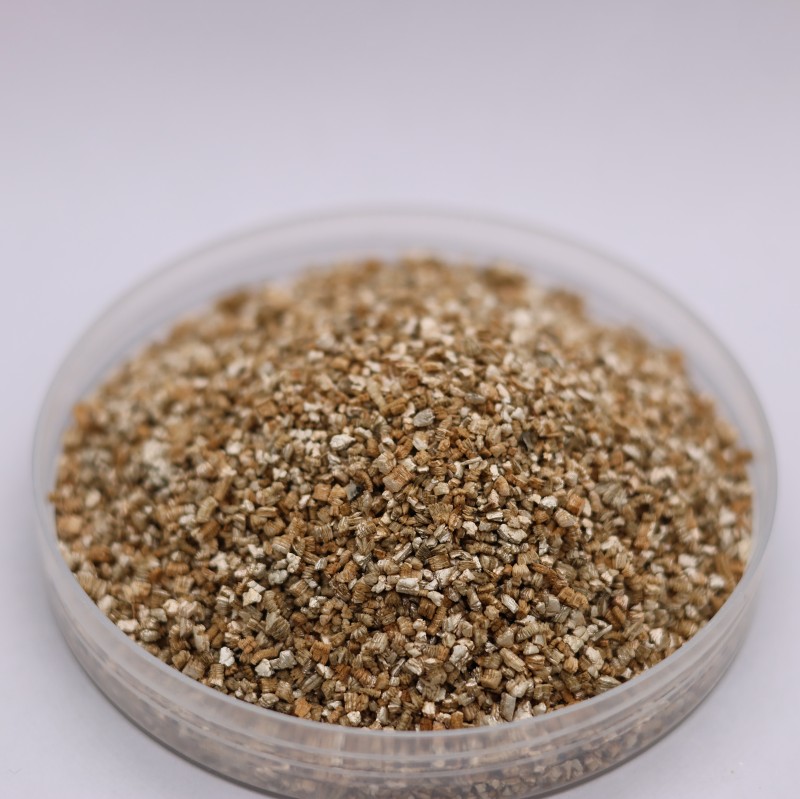
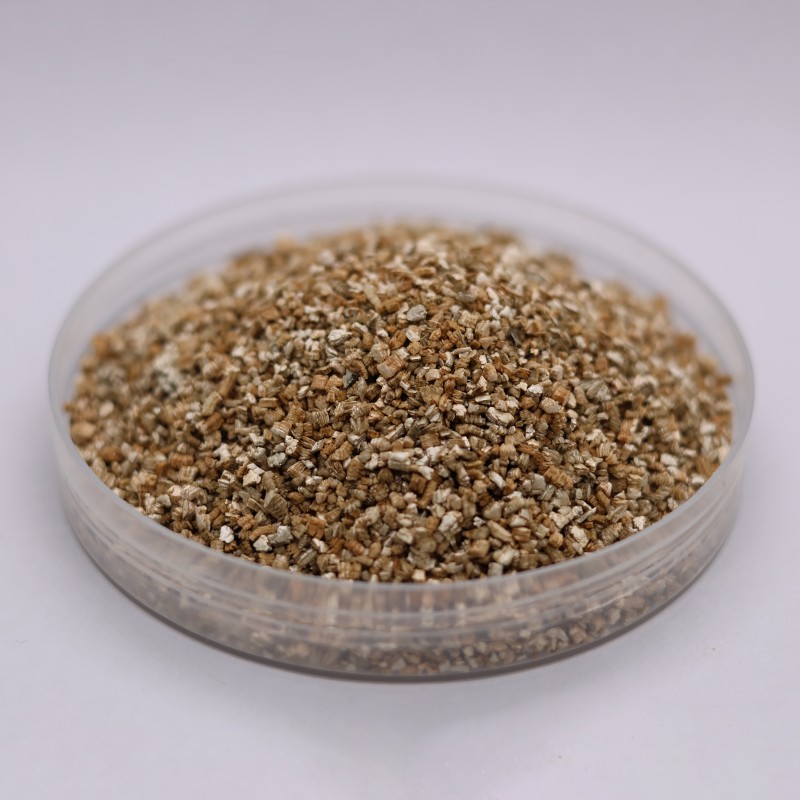
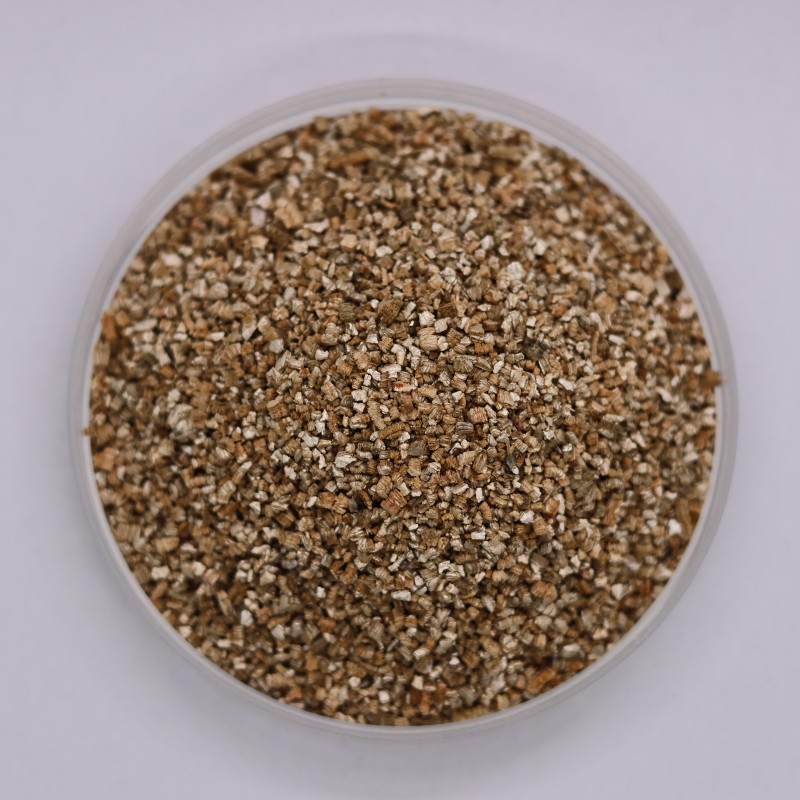
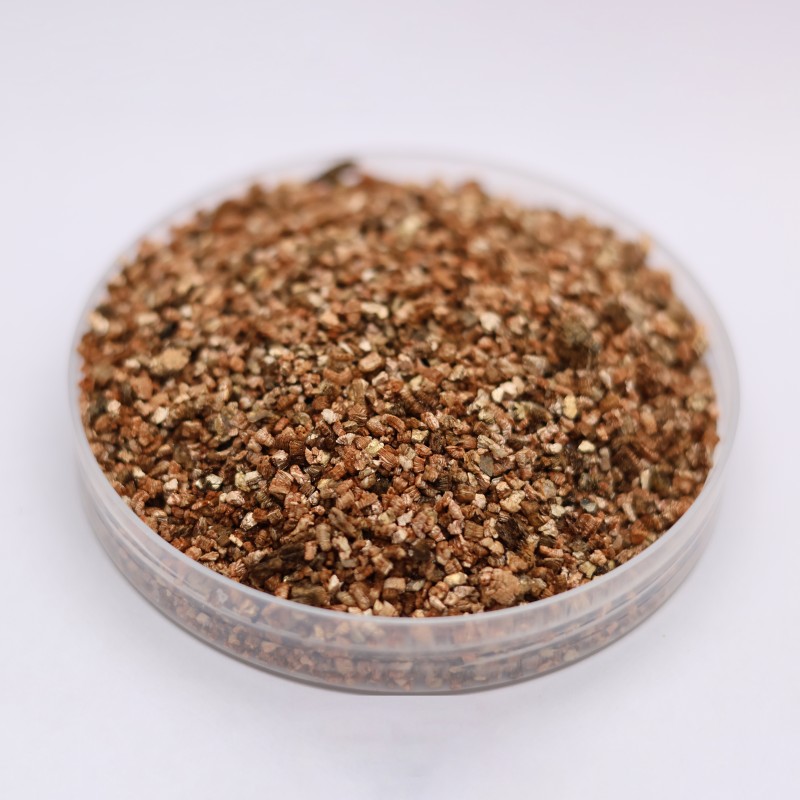
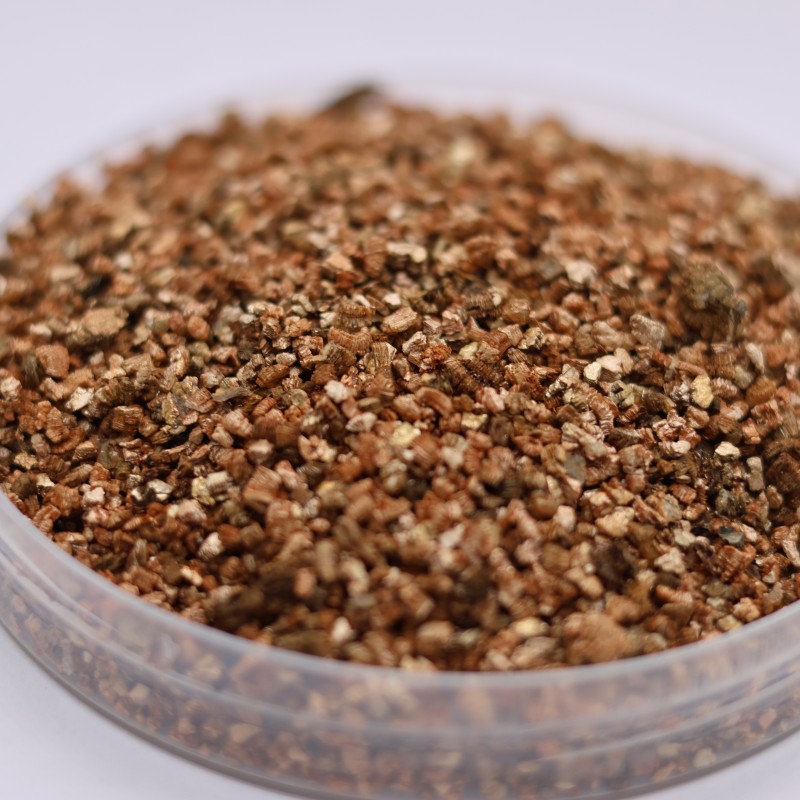
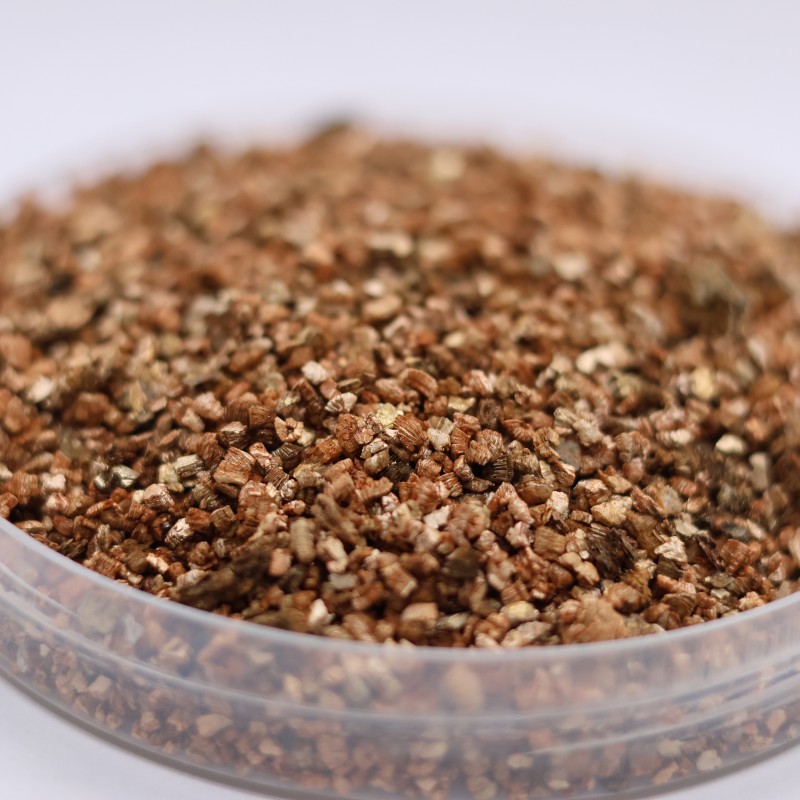
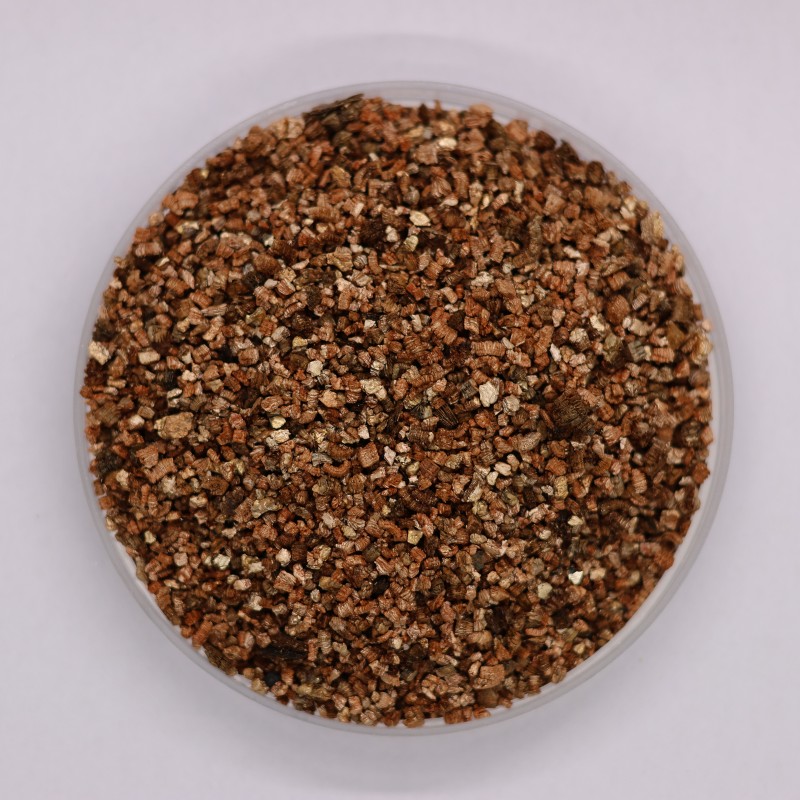
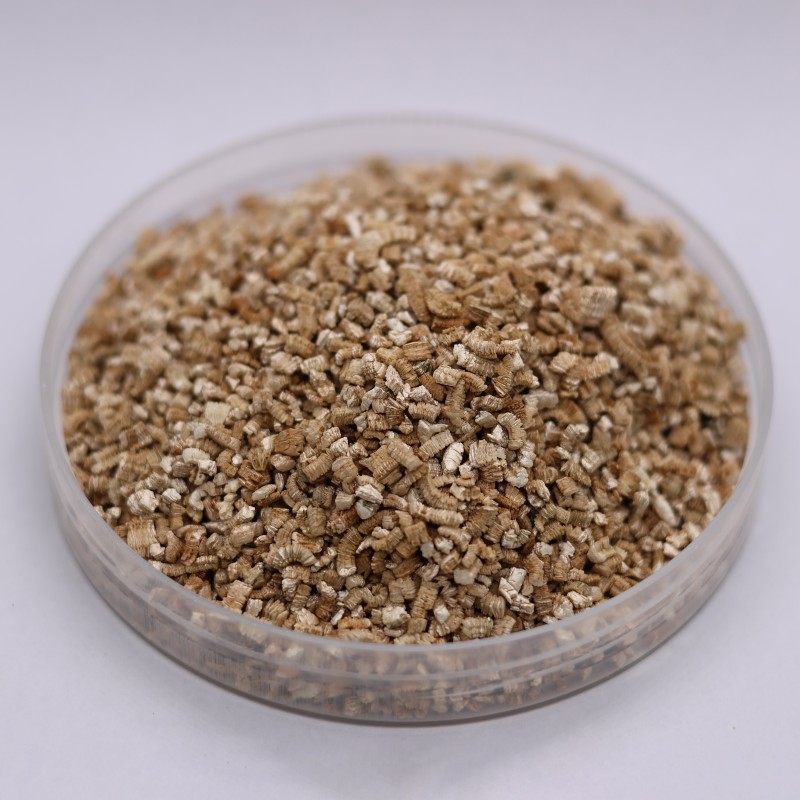
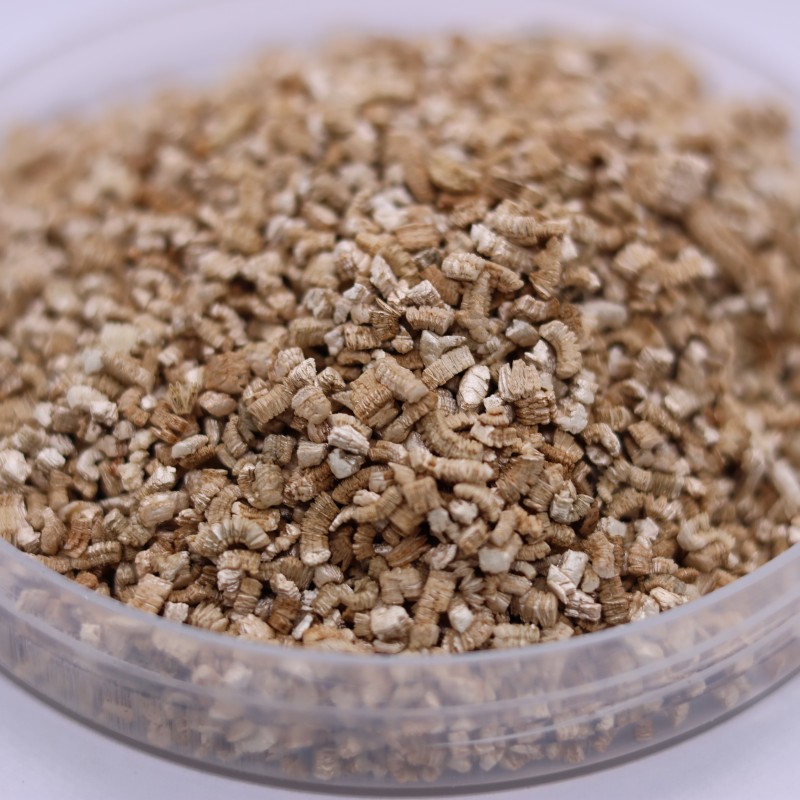
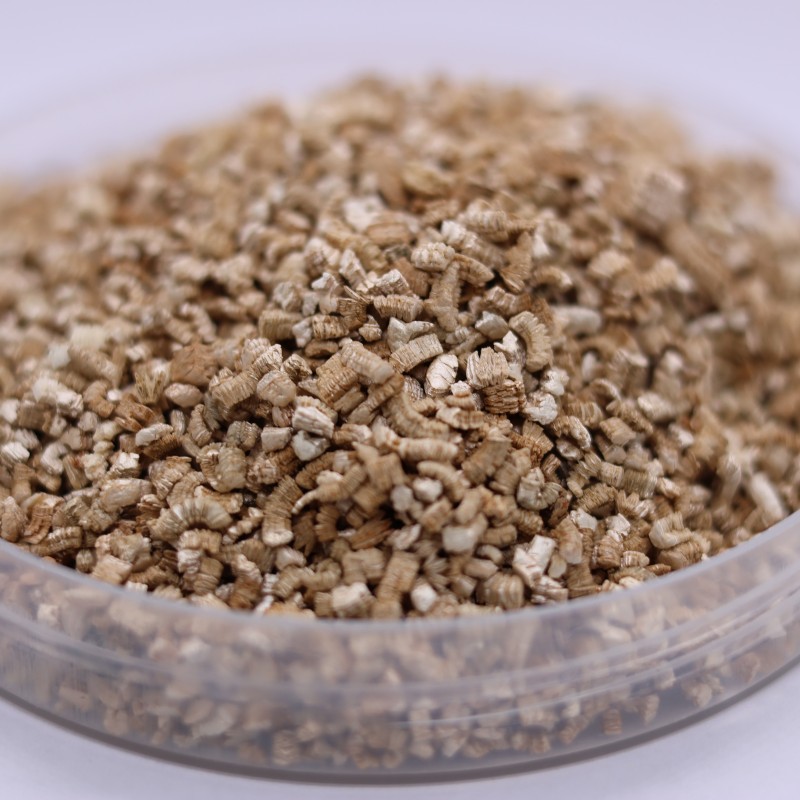
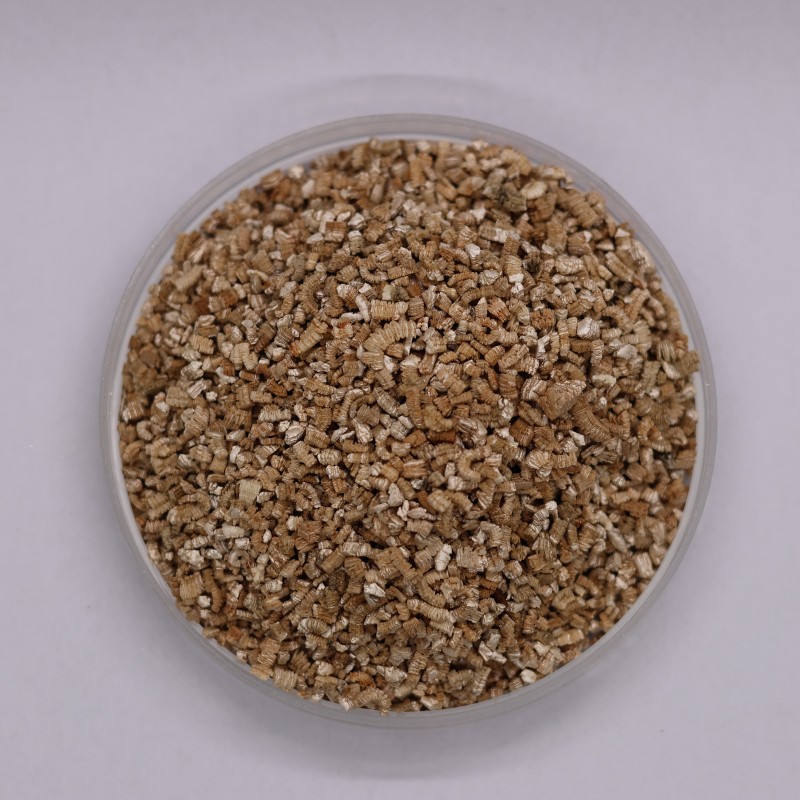
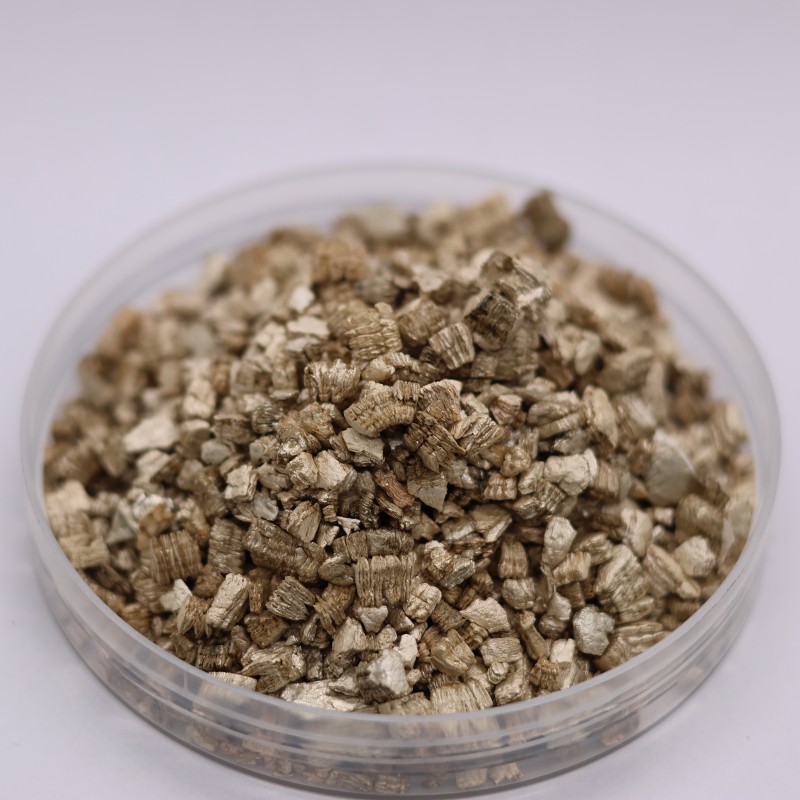
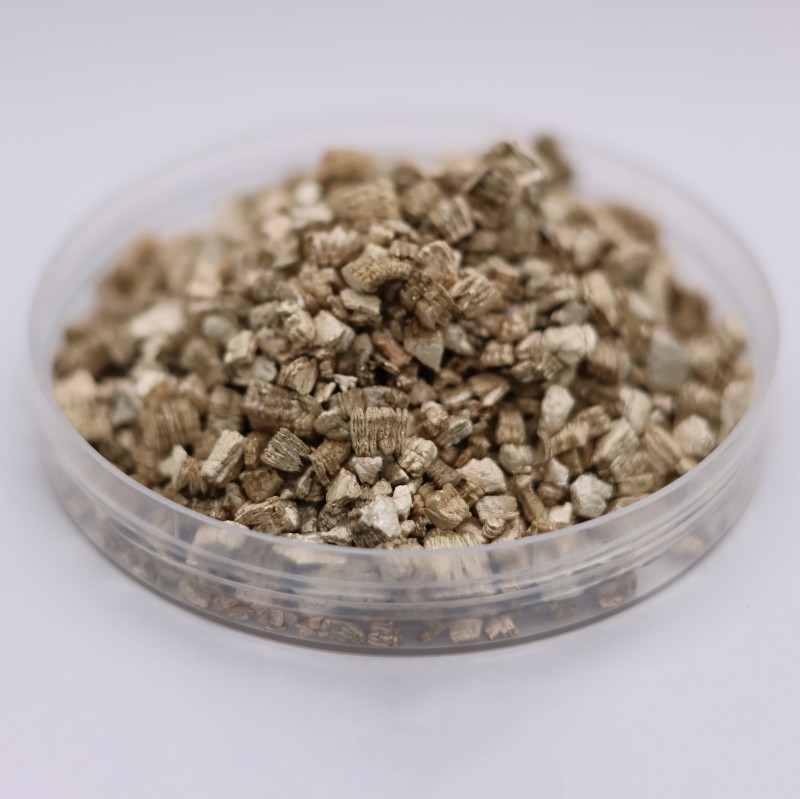
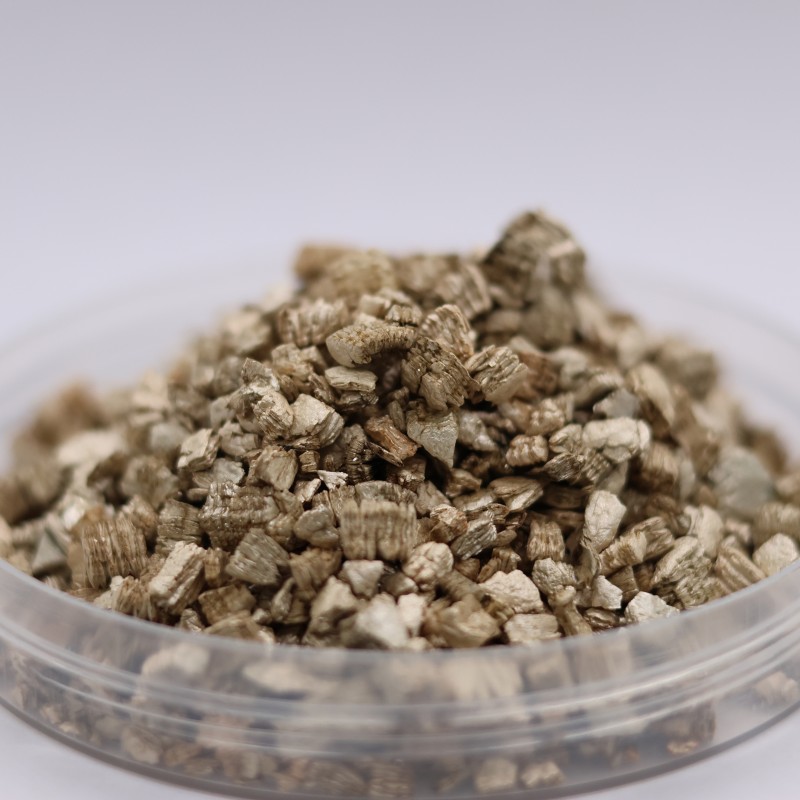
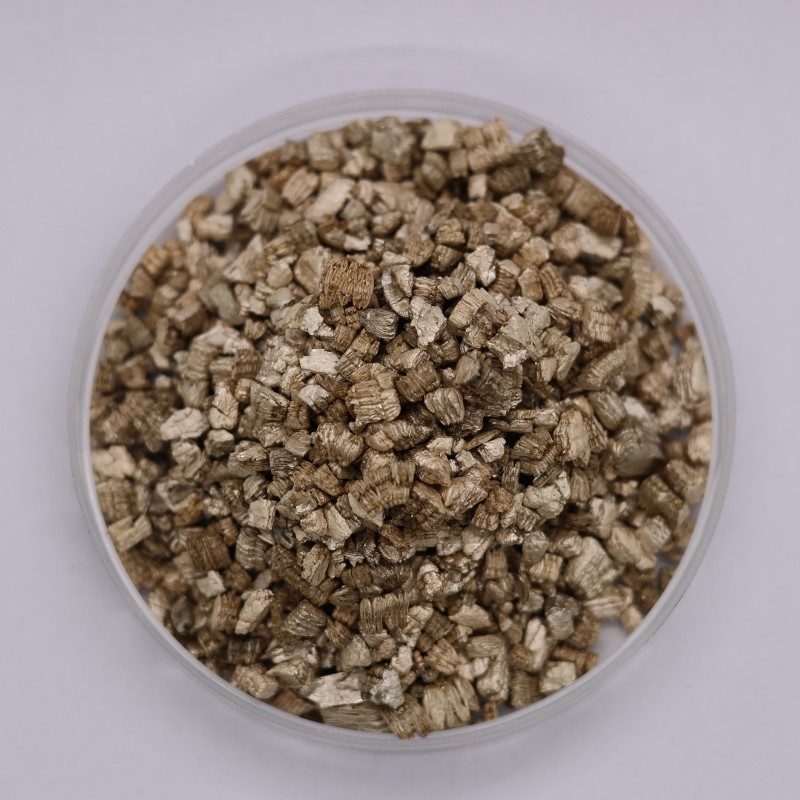
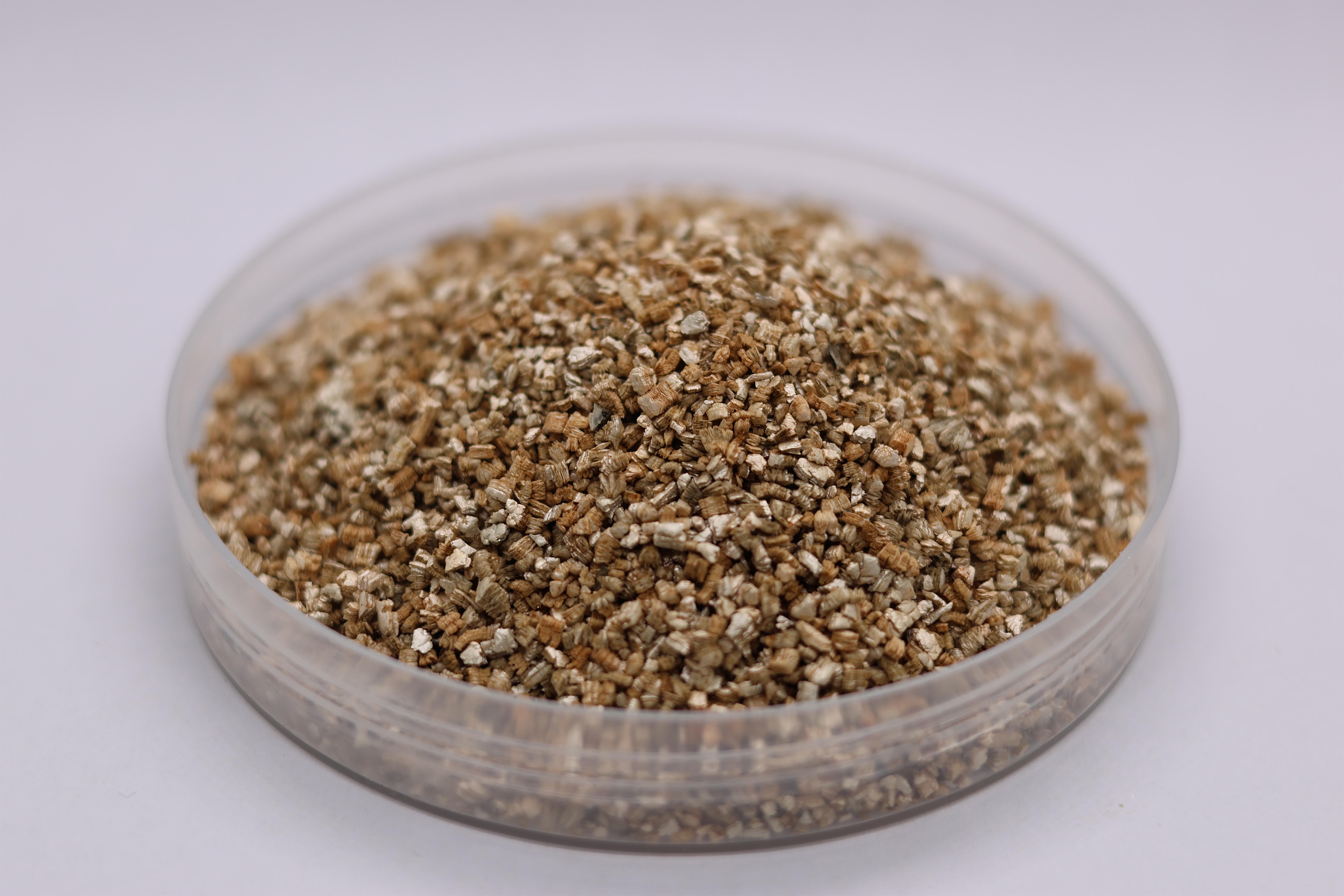
China Expanded Vermiculite Suppliers - Lightweight Mineral Material from a Trusted Factory for Horticulture and Construction
Chemical Composition Specification
| Chemical Component | Typical Content | Description |
|---|---|---|
| SiO2 | 35% - 45% | Main silicate component forming the fundamental mineral backbone |
| MgO | 20% - 30% | Typical vermiculite component providing structural stability |
| Al2O3 | 8% - 16% | Alumina component contributing to heat and chemical resistance |
| Fe2O3 | 5% - 12% | Affects color and specific mineral characteristics |
| K2O | 3% - 8% | Interlayer alkali component aiding mineral layering |
| CaO | 1% - 5% | Minor alkaline earth component |
| TiO2 | 0.5% - 2% | Trace component present in the natural ore matrix |
| Loss on Ignition | Varies by grade | Directly related to interlayer water content and thermal expansion behavior |
Frequently Asked Questions (FAQ)
What are the primary chemical components in this mineral composition?
The primary components are Silicon Dioxide (SiO2) at 35% - 45% and Magnesium Oxide (MgO) at 20% - 30%, which together constitute the essential silicate-magnesium mineral framework.
What is the role of Loss on Ignition (LOI) in mineral performance?
Loss on Ignition reflects the proportion of bound interlayer water and volatile matter. It serves as a key indicator of the mineral's expansion capacity and thermal exfoliating behavior when heated.
How does Iron Oxide (Fe2O3) affect product characteristics?
Iron Oxide (typically 5% - 12%) influences the natural coloration (ranging from golden to bronze or brown) and specific physical properties of the mineral.
Why is Aluminum Oxide (Al2O3) content important?
With a typical content between 8% and 16%, Al2O3 provides structural integrity, high thermal endurance, and enhanced chemical resistance for high-temperature and industrial applications.
Are trace elements such as TiO2 and CaO critical to performance?
TiO2 (0.5% - 2%) and CaO (1% - 5%) exist naturally in trace amounts without impairing key performance metrics, serving as typical mineralogical markers for ore grading.
Can the typical content percentages vary between production batches?
Yes. Because it is a natural mineral product, slight variations within the specified percentage ranges are normal and depend on the specific ore deposit grade and processing specifications.
This is a paragraph
This is a paragraph
This is a paragraph
This is a paragraph
This is a paragraph
This is a paragraph
This is a paragraph
This is a paragraph
This is a paragraph
This is a paragraph
This is a paragraph
-
This is a paragraph
-
This is a paragraph
-
This is a paragraph
-
This is a paragraph
-
This is a paragraph
-
This is a paragraph
-
This is a paragraph
-
This is a paragraph
This is a paragraph