Leave Your Message

China Expanded Vermiculite Suppliers - Lightweight Thermal Insulation Material from Reliable Factory

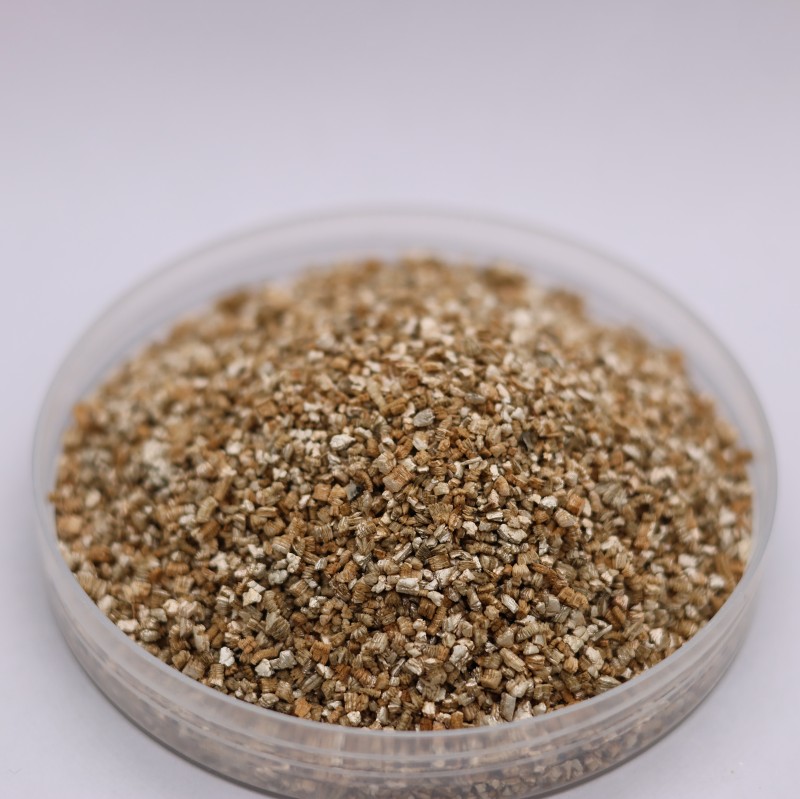
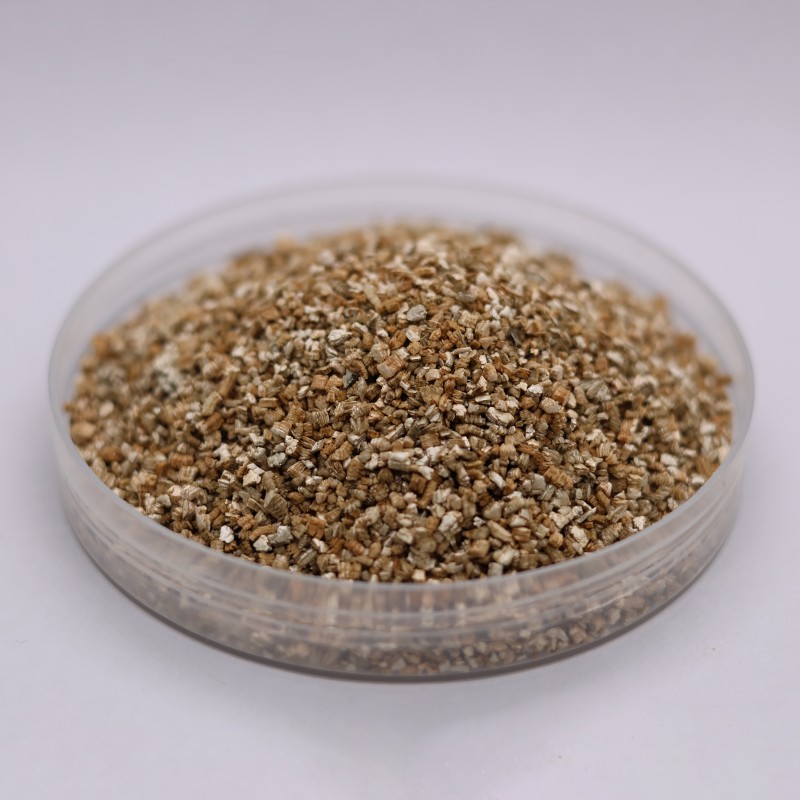
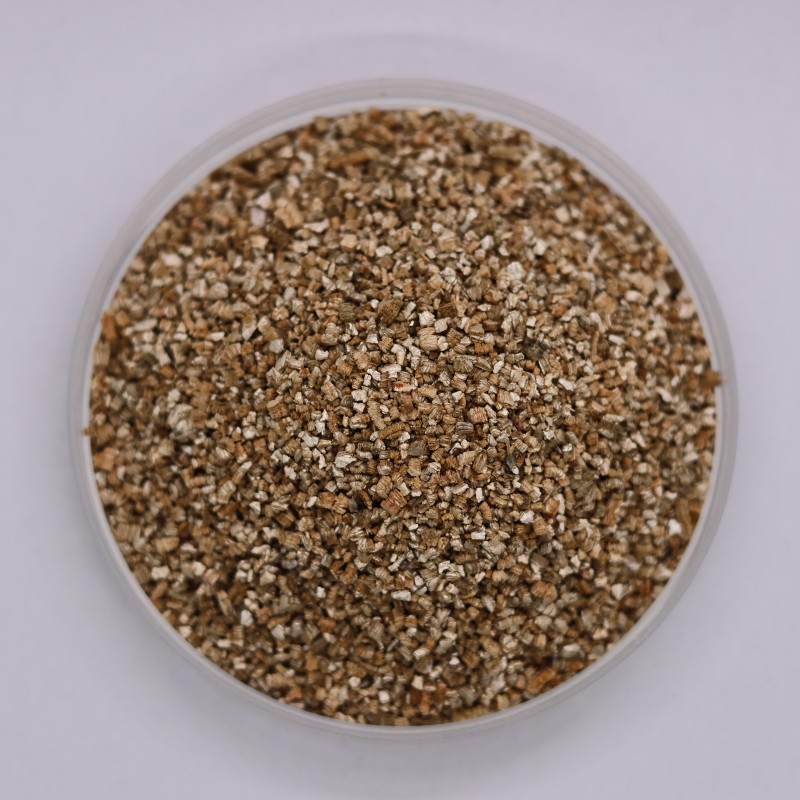
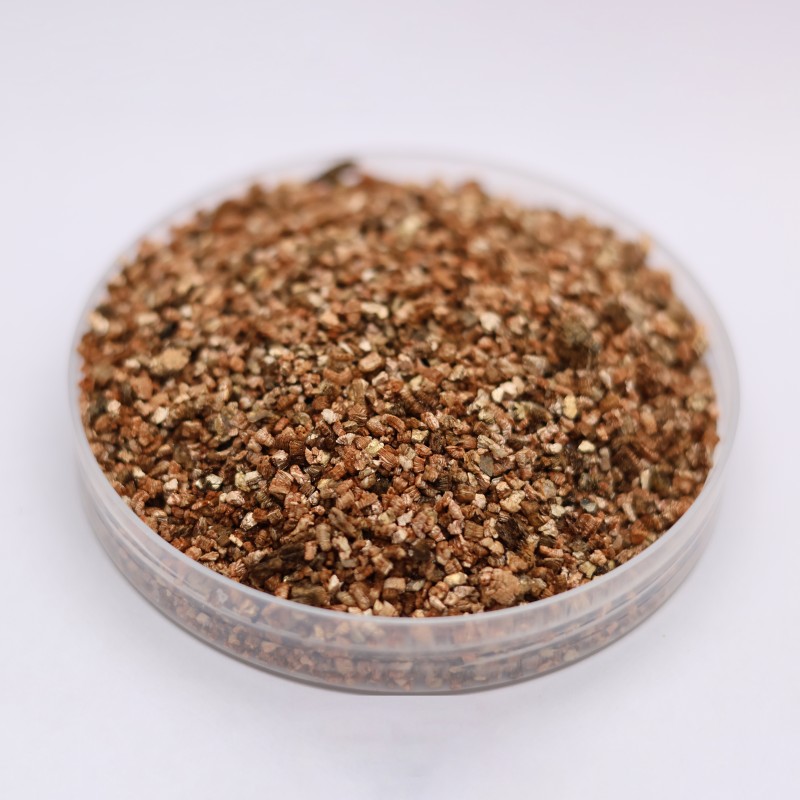
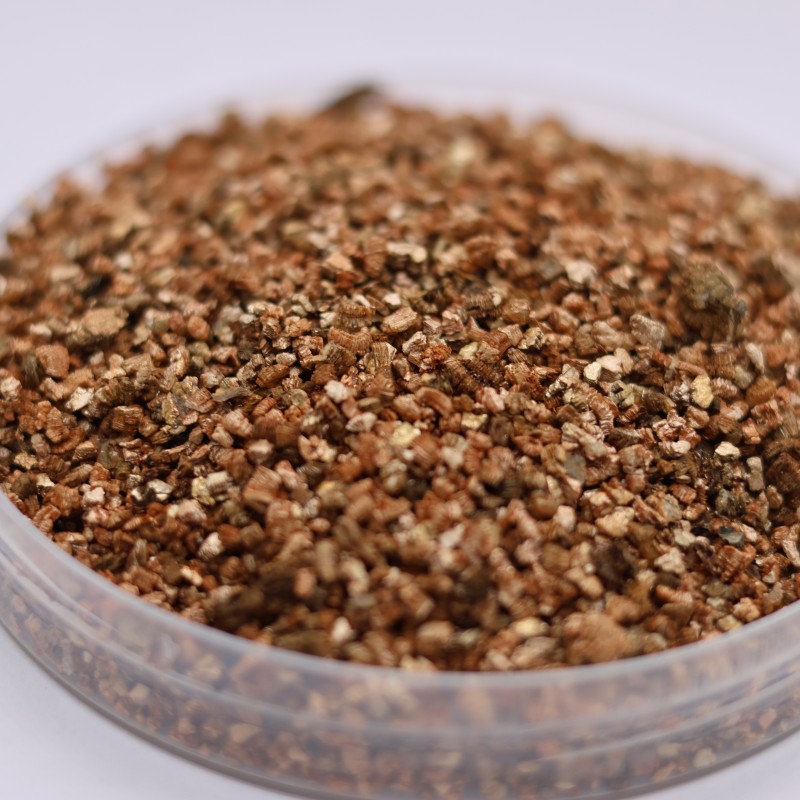
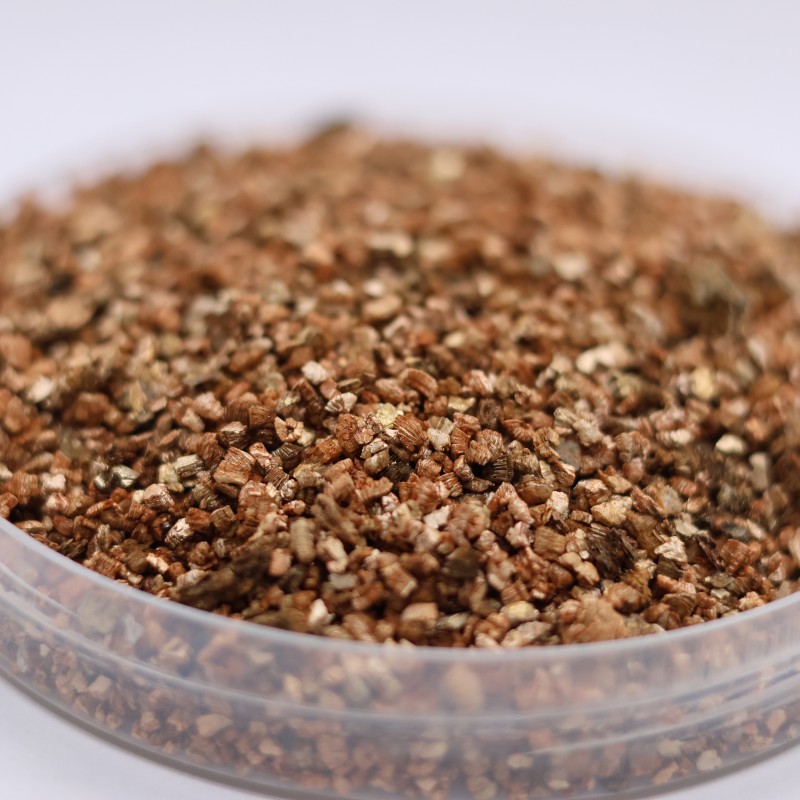
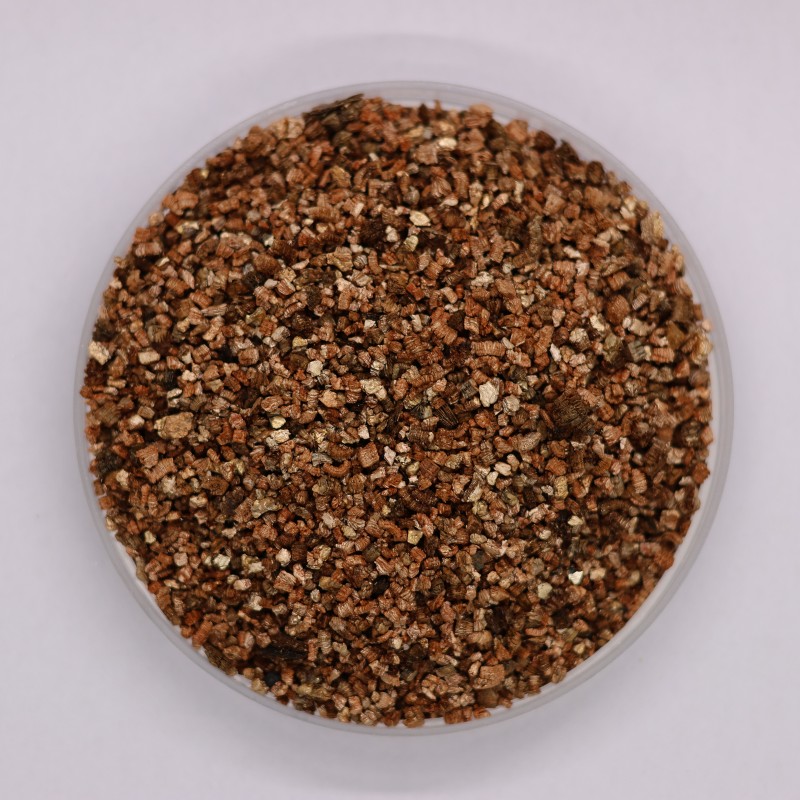
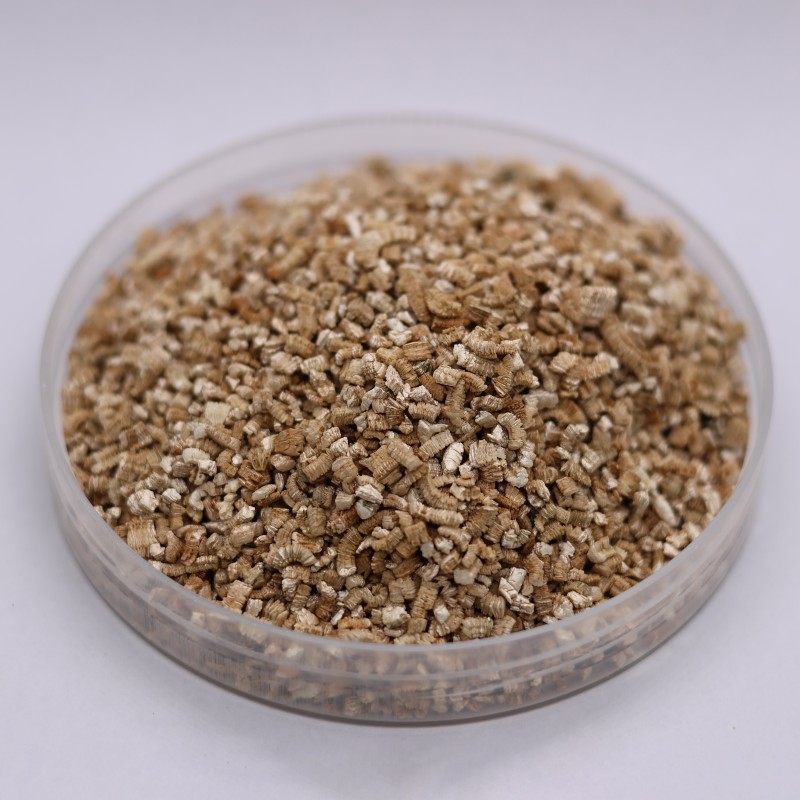
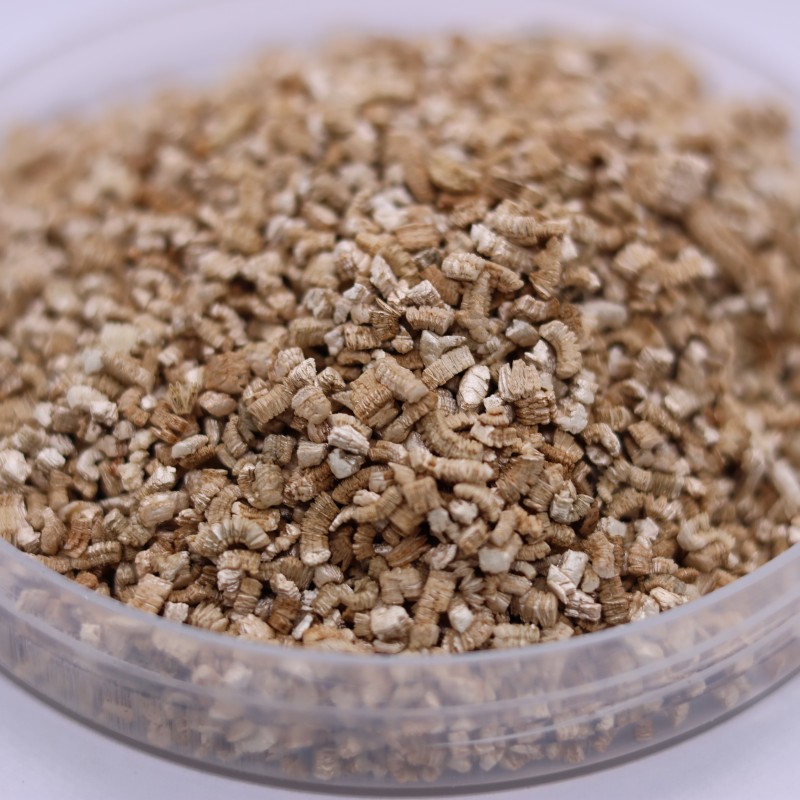
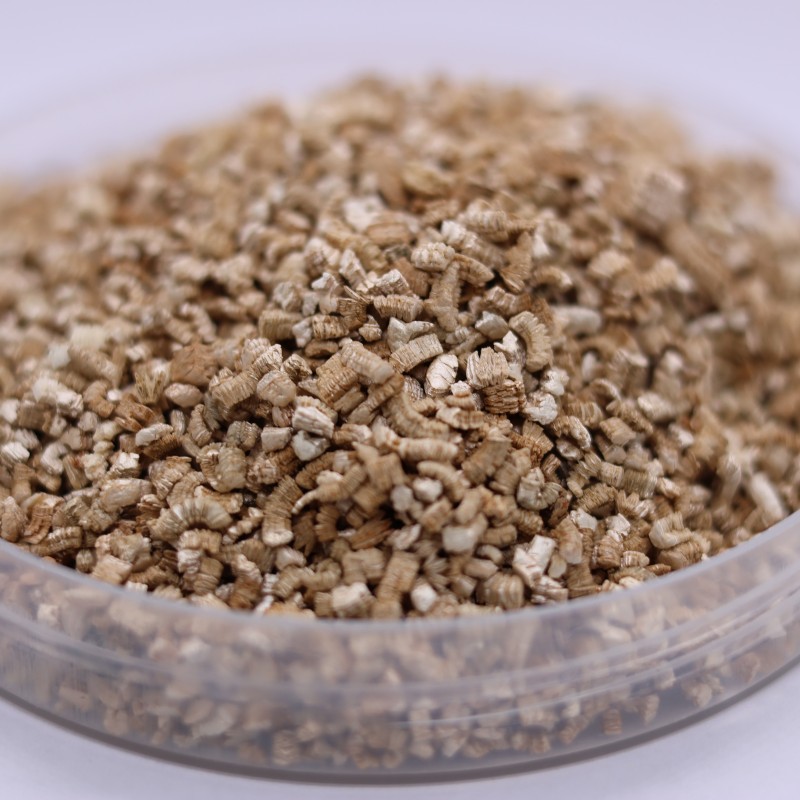
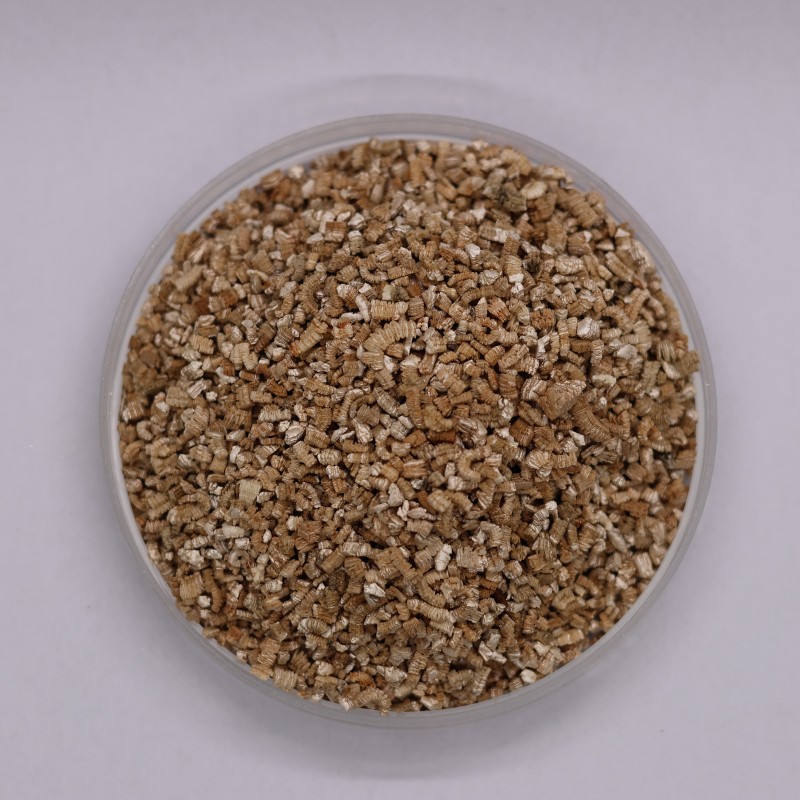
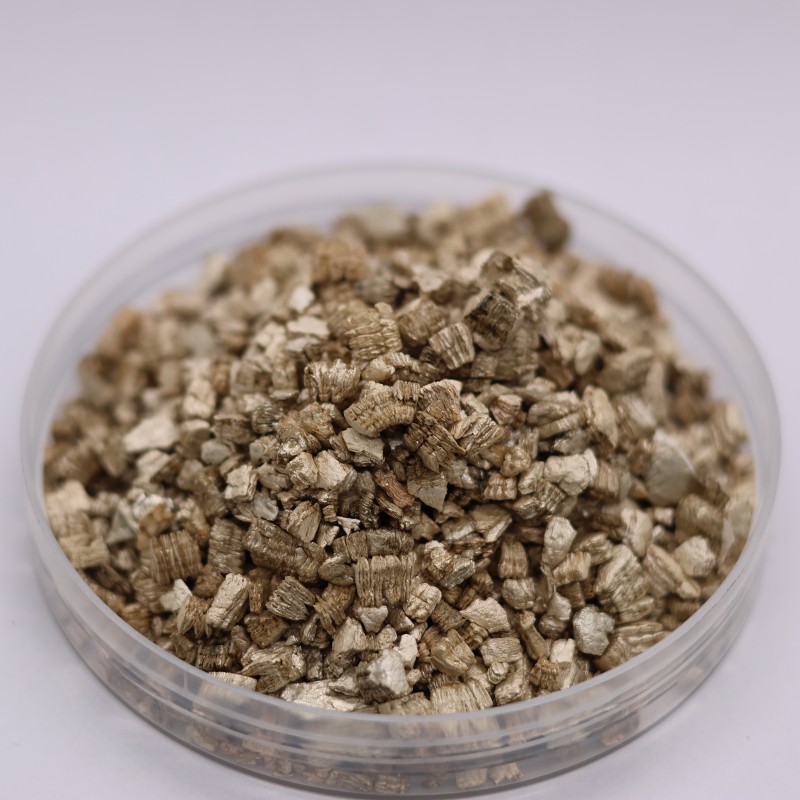
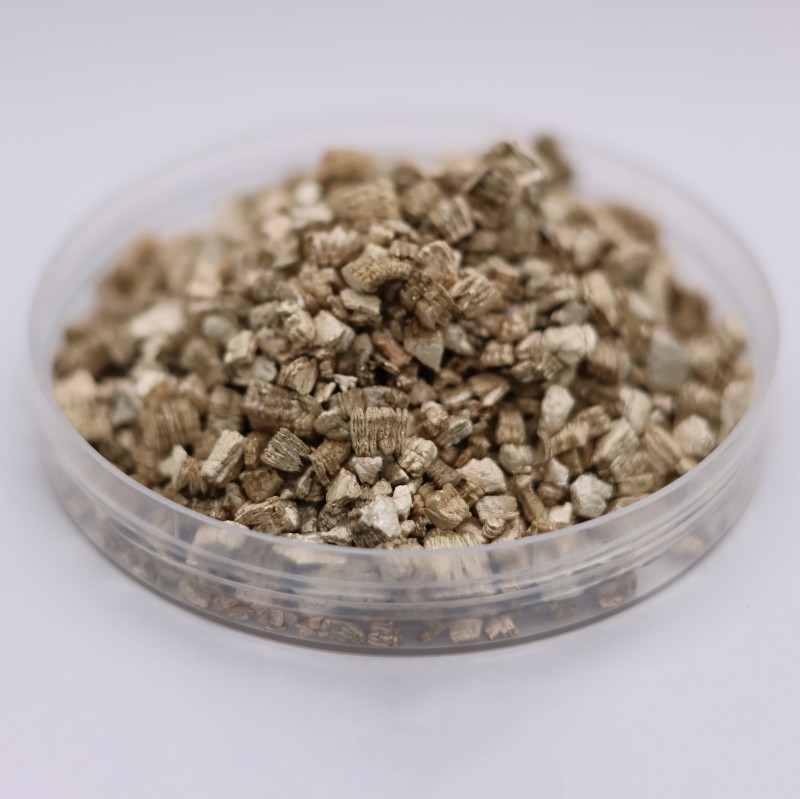
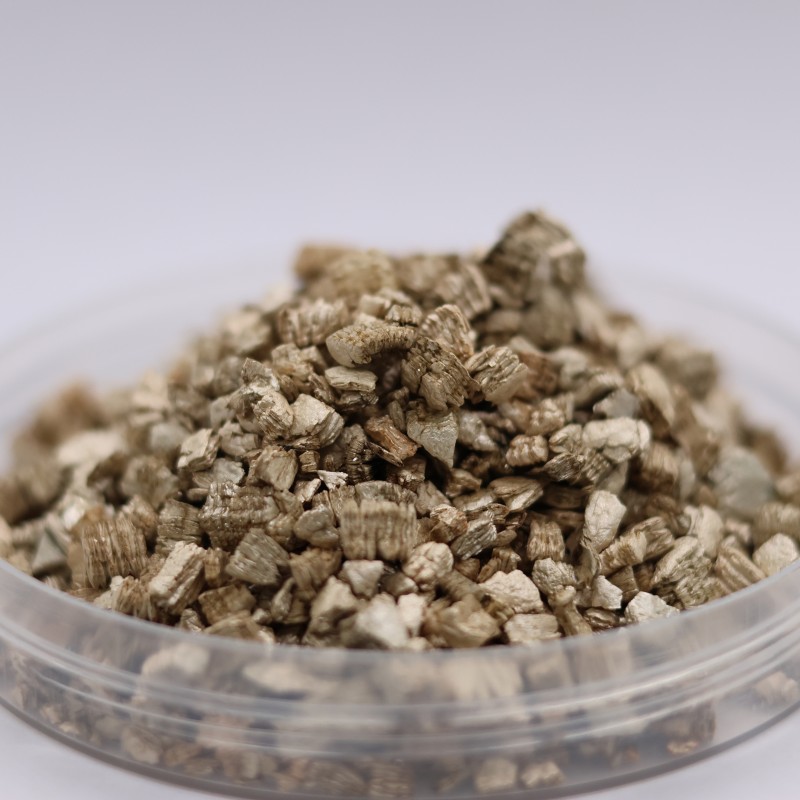
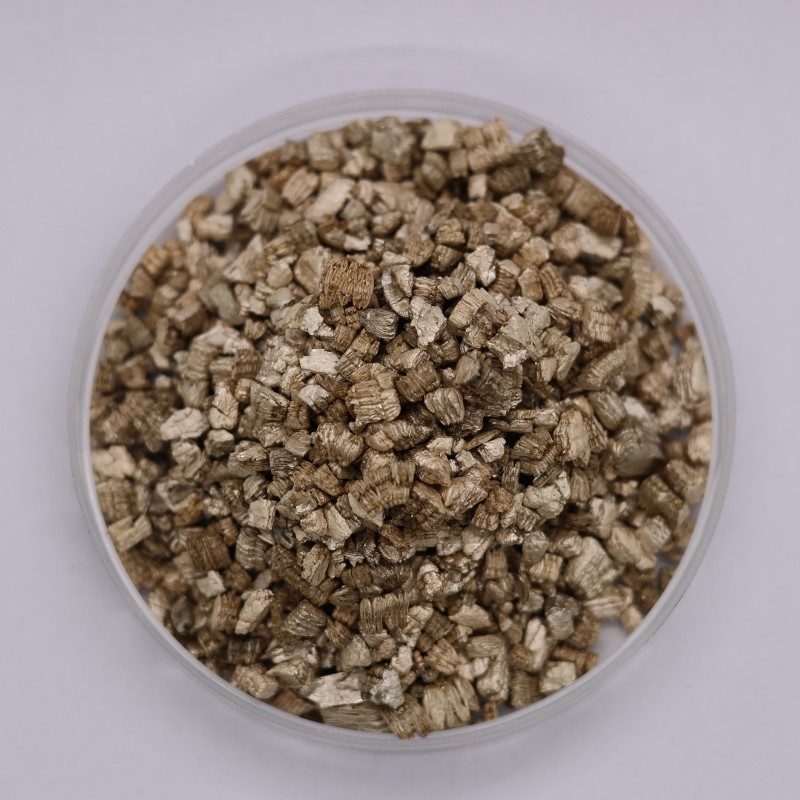
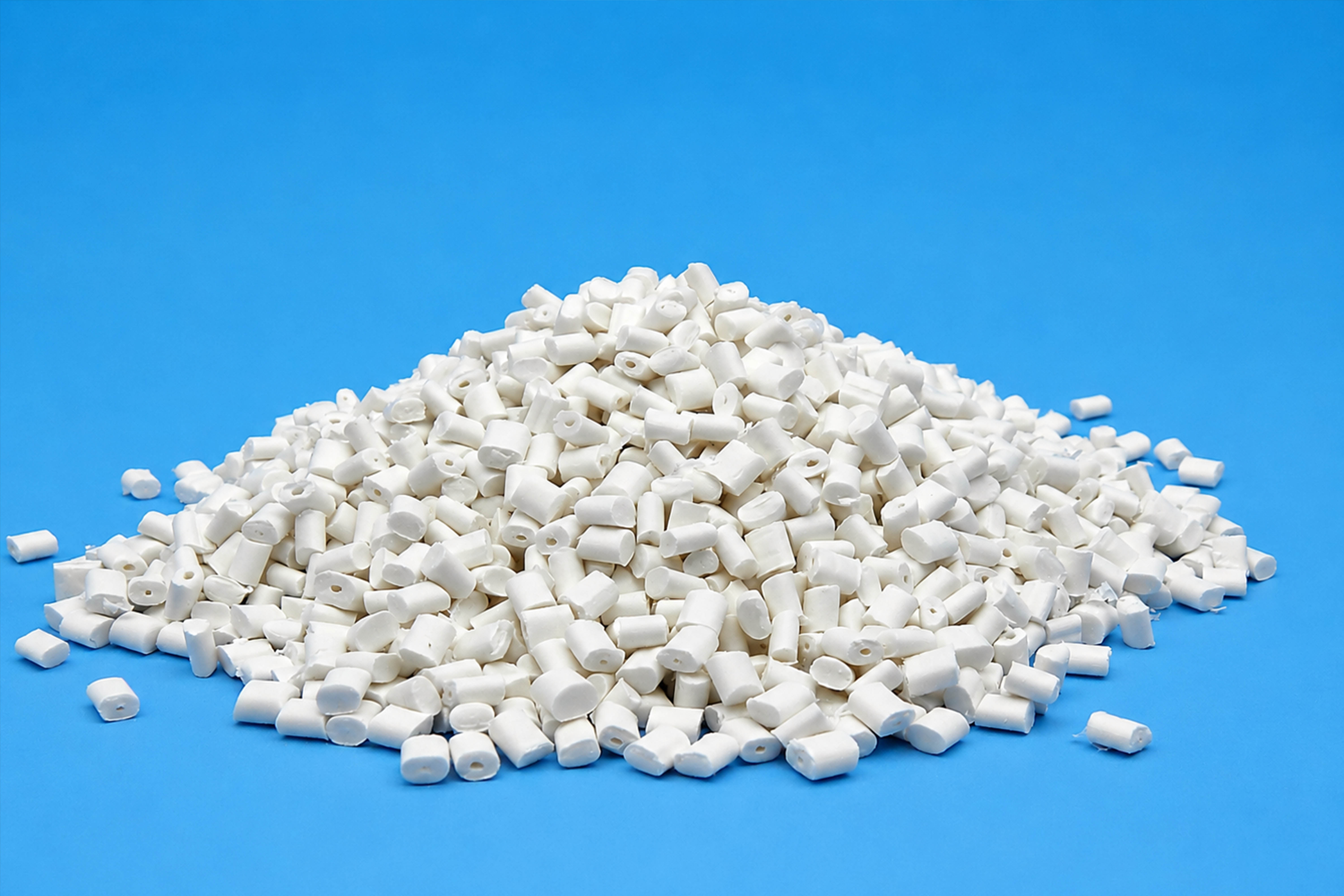
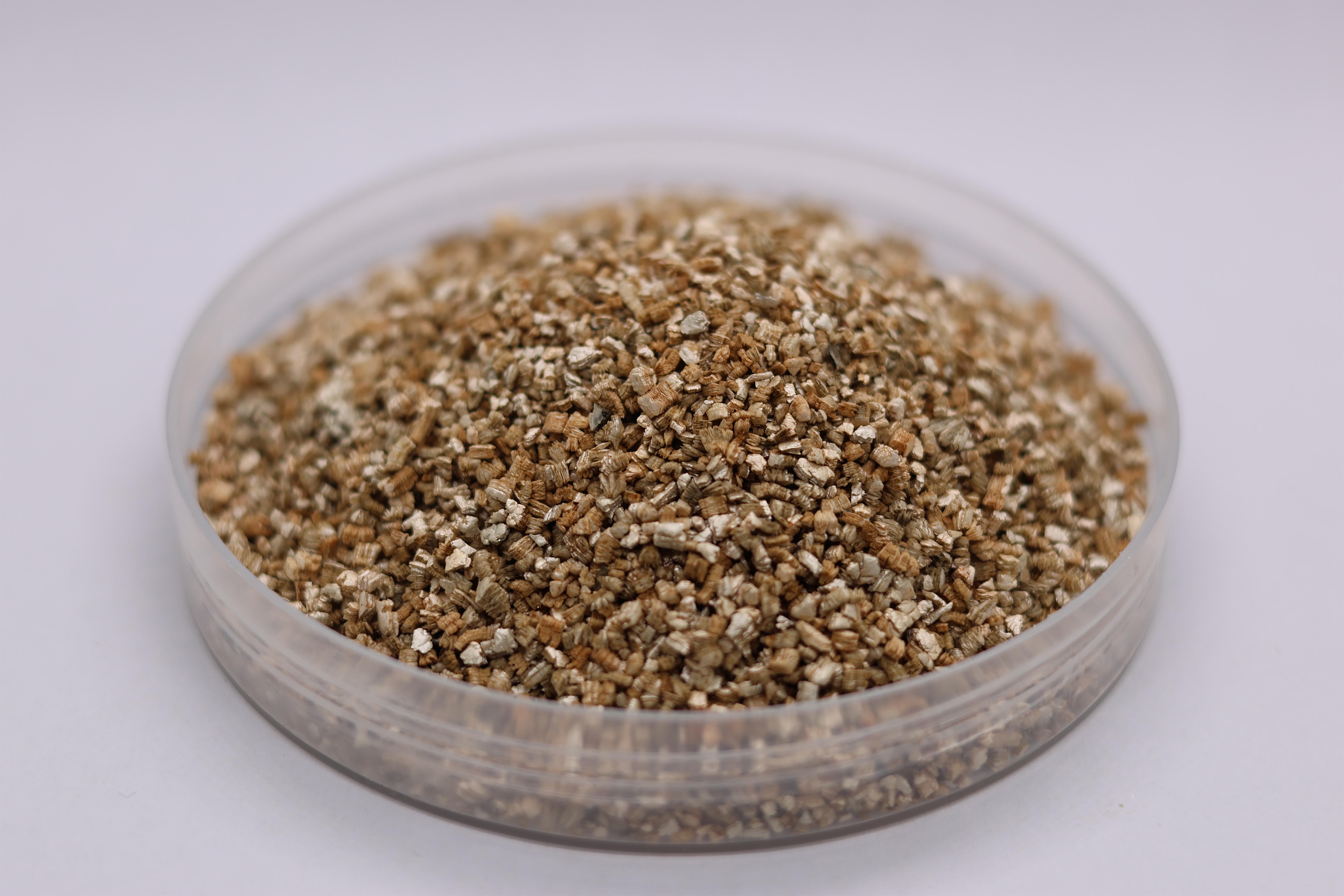
Expanded vermiculite is a lightweight mineral material produced by heating high-quality raw vermiculite ore at elevated temperatures in our state-of-the-art factory. This expansion process transforms the water within the vermiculite structure into steam, resulting in the creation of accordion-like particles that boast low bulk density, exceptional porosity, and outstanding thermal insulation properties. The final product is not only lightweight and non-metallic but also chemically stable and easily mixable with various materials.

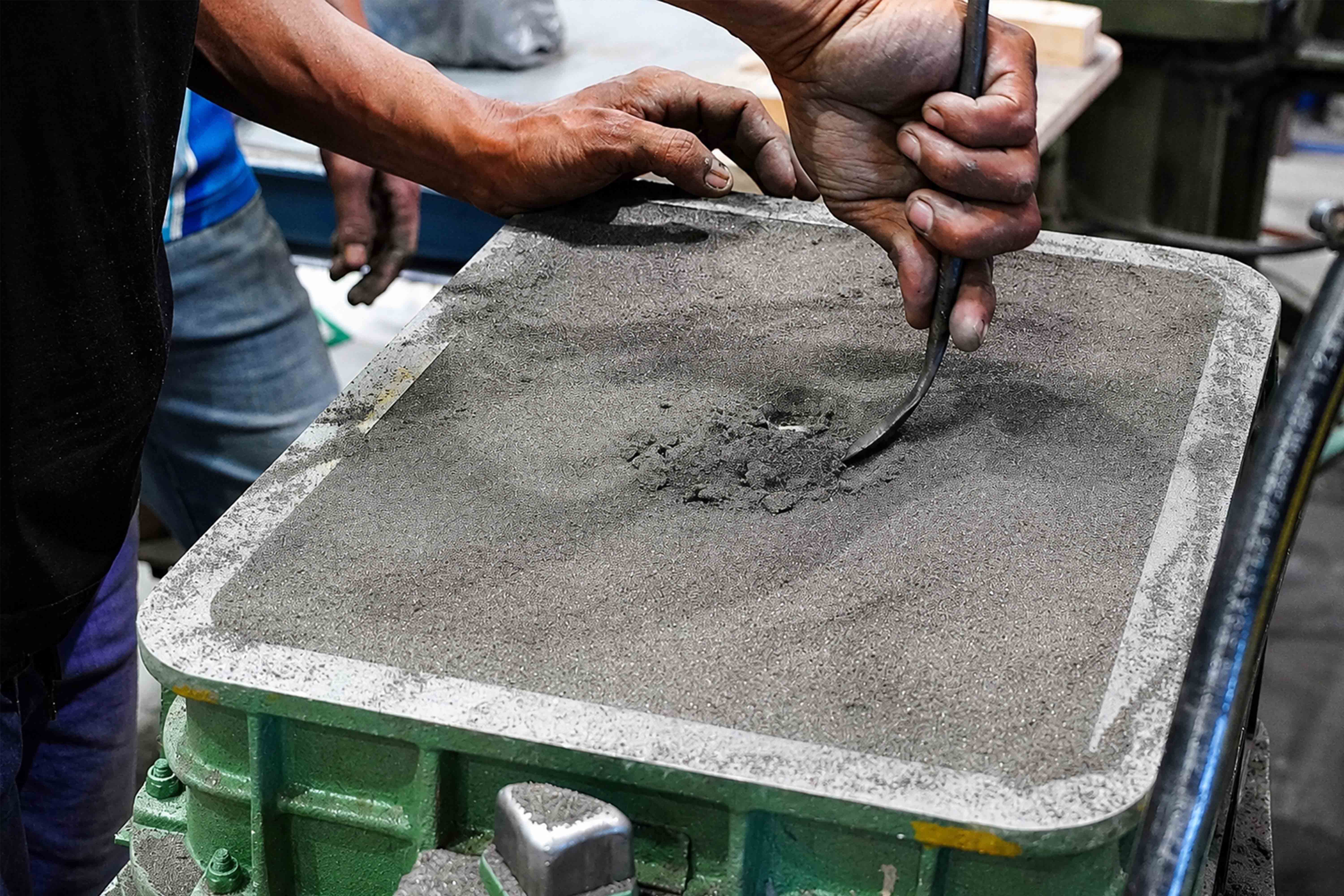
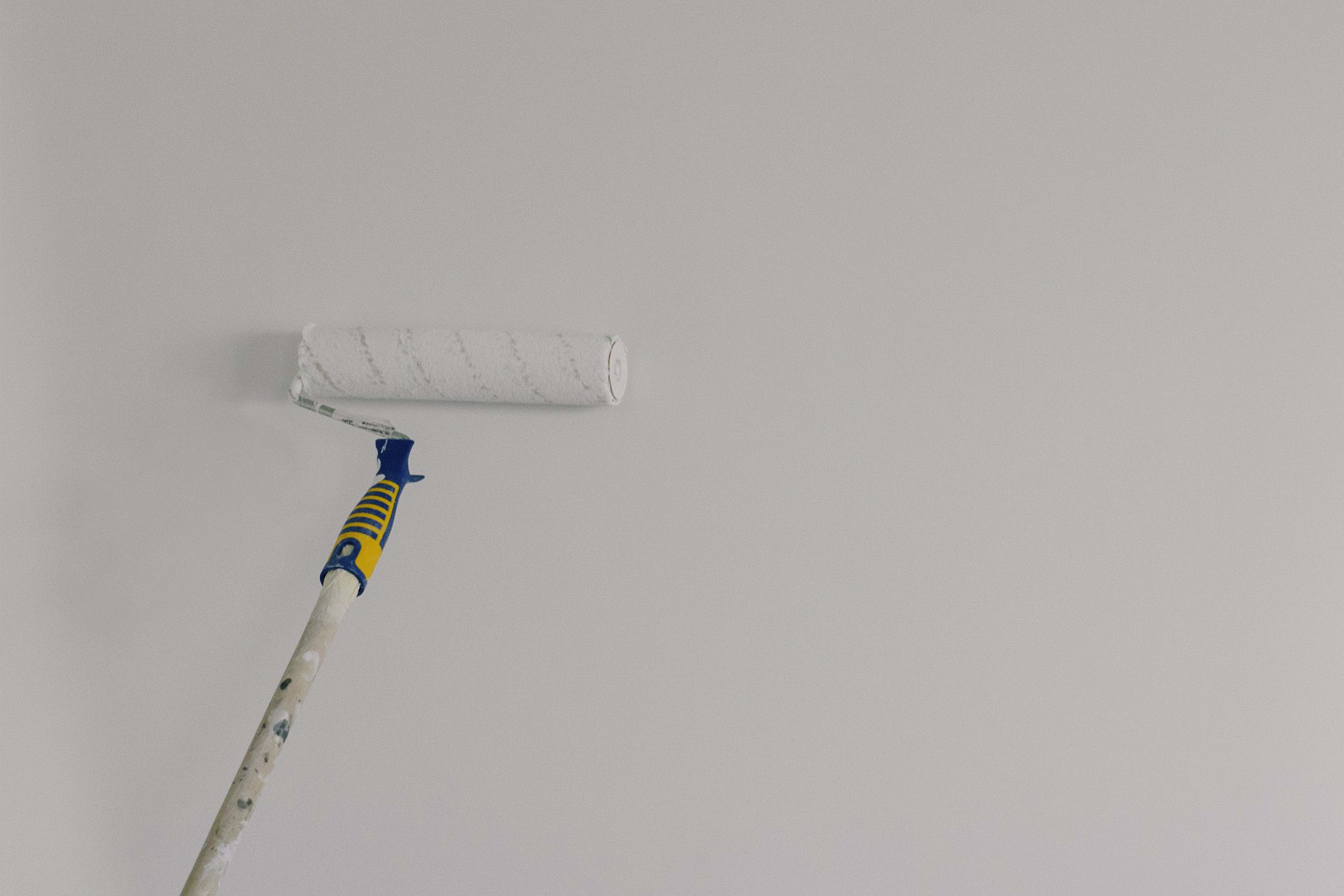
Thanks to its unique composition, expanded vermiculite is utilized in a wide array of applications, including horticulture, agriculture, thermal insulation, fire-resistant materials, lightweight concrete, dry mortar, refractory mixes, packaging, animal bedding, soil enhancement, seed germination, and industrial filler uses. In horticultural systems, it effectively retains water and nutrients while enhancing aeration and soil structure. For construction and insulation applications, it reduces weight, boosts thermal efficiency, and enhances fire resistance.

As a leading supplier in China, WANCHENG MINERAL provides expanded vermiculite in various particle sizes and grades tailored to customer needs. Our offerings include fine, medium, coarse, and super coarse particles, making them suitable for professional growers, potting soil manufacturers, construction material producers, fireproof board makers, refractory manufacturers, insulation contractors, and distributors. We support bulk supply, export packaging, sample provision, and customized particle size solutions to meet diverse market demands.

For international buyers, selecting the right grade of expanded vermiculite is crucial. Horticultural applications prioritize clean particles, water retention, aeration, and appropriate size distribution. Conversely, construction and insulation projects require lightweight density, stable thermal performance, and uniform particle sizes. Refractory applications may demand higher temperature stability and specific chemical compositions. At WANCHENG MINERAL, we assist customers in choosing the most suitable vermiculite grades based on their final application and market requirements.

    This is a paragraph

    This is a paragraph

    This is a paragraph

    Chemical Composition Specifications
    Chemical Component Typical Content Description
    SiO₂ 35% - 45% Main silicate component
    MgO 20% - 30% Typical vermiculite component
    Al₂O₃ 8% - 16% Alumina component
    Fe₂O₃ 5% - 12% Affects color and mineral characteristics
    K₂O 3% - 8% Interlayer alkali component
    CaO 1% - 5% Minor component
    TiO₂ 0.5% - 2% Trace component
    Loss on Ignition Varies by grade Related to water and expansion behavior
    Frequently Asked Questions
    Q What are the primary chemical components of this material?

    The predominant components are Silicon Dioxide (SiO₂) ranging from 35% to 45% and Magnesium Oxide (MgO) at 20% to 30%, which together constitute the primary structural foundation of the mineral.

    Q What role does Loss on Ignition (LOI) indicate?

    Loss on Ignition reflects the proportion of interlayer water and volatile matter released upon heating, which is a critical factor influencing expansion behavior and final exfoliation quality.

    Q How does Fe₂O₃ content impact the characteristics of the mineral?

    Iron Oxide (Fe₂O₃), typically ranging between 5% and 12%, directly influences the visual pigmentation, mineral tone, and baseline thermal resistance properties.

    Q Are these chemical values guaranteed for every commercial batch?

    The chemical parameters represent standard typical ranges. Exact values may vary within specified tolerances depending on the raw mineral source and target production grade.

    Q What is the function of the interlayer alkali components like K₂O and CaO?

    Potassium Oxide (K₂O) and Calcium Oxide (CaO) act as stabilizing interlayer cations, contributing to the layer binding and cation exchange capacity of the mineral structure.

    This is a paragraph

    This is a paragraph

    This is a paragraph

    This is a paragraph

    This is a paragraph

    This is a paragraph

    This is a paragraph

    This is a paragraph

    This is a paragraph

    This is a paragraph

    This is a paragraph

    This is a paragraph

    This is a paragraph

    This is a paragraph

    This is a paragraph

    Application Image Grid Placeholder

    FAQ

    • This is a paragraph

    • This is a paragraph

    • This is a paragraph

    • This is a paragraph

    • This is a paragraph

    • This is a paragraph

    • This is a paragraph

    • This is a paragraph

      This is a paragraph

    This is a paragraph

    This is a paragraph

    This is a paragraph
    This is a paragraph