
Leave Your Message

China Grinding Glass Beads - Reliable Suppliers and Factory for Quality Milling Media

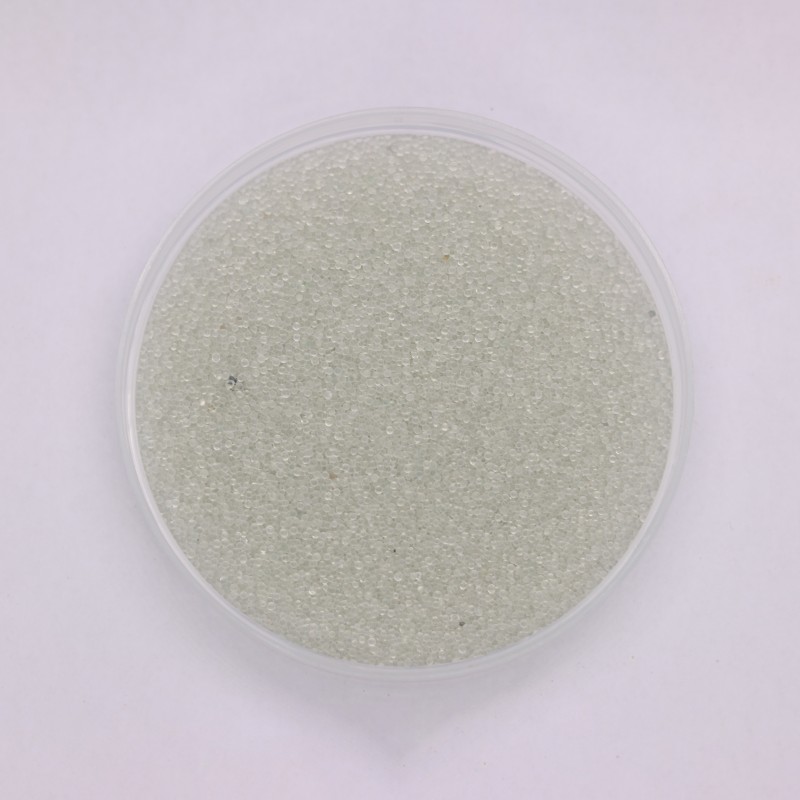
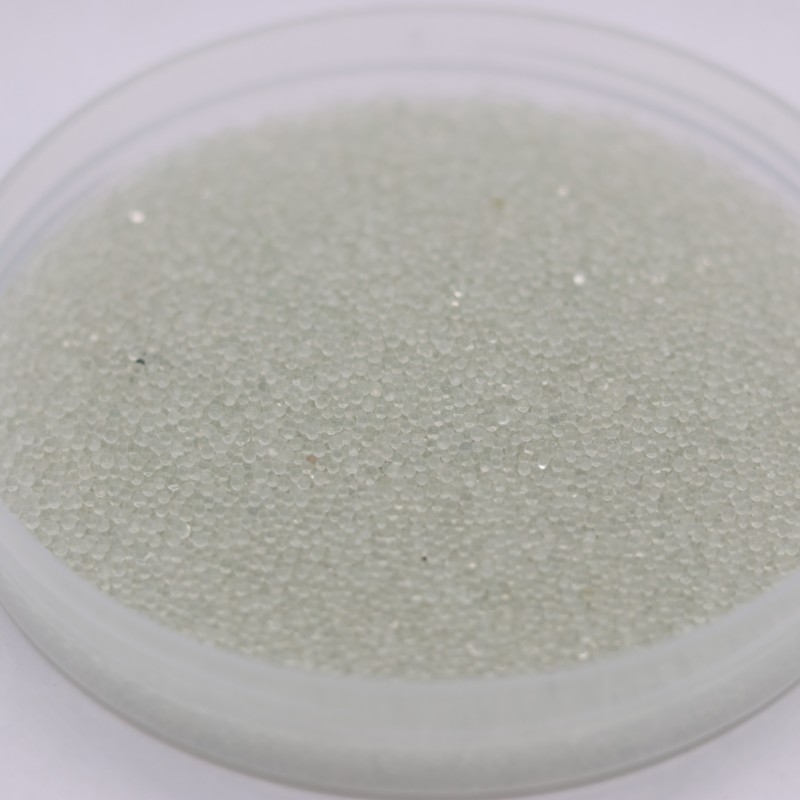
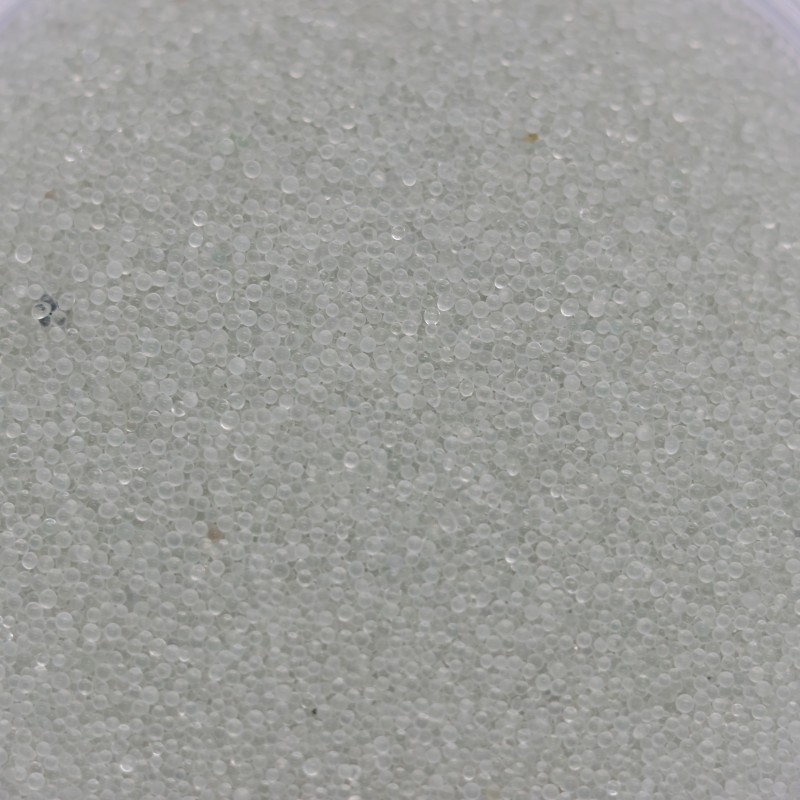
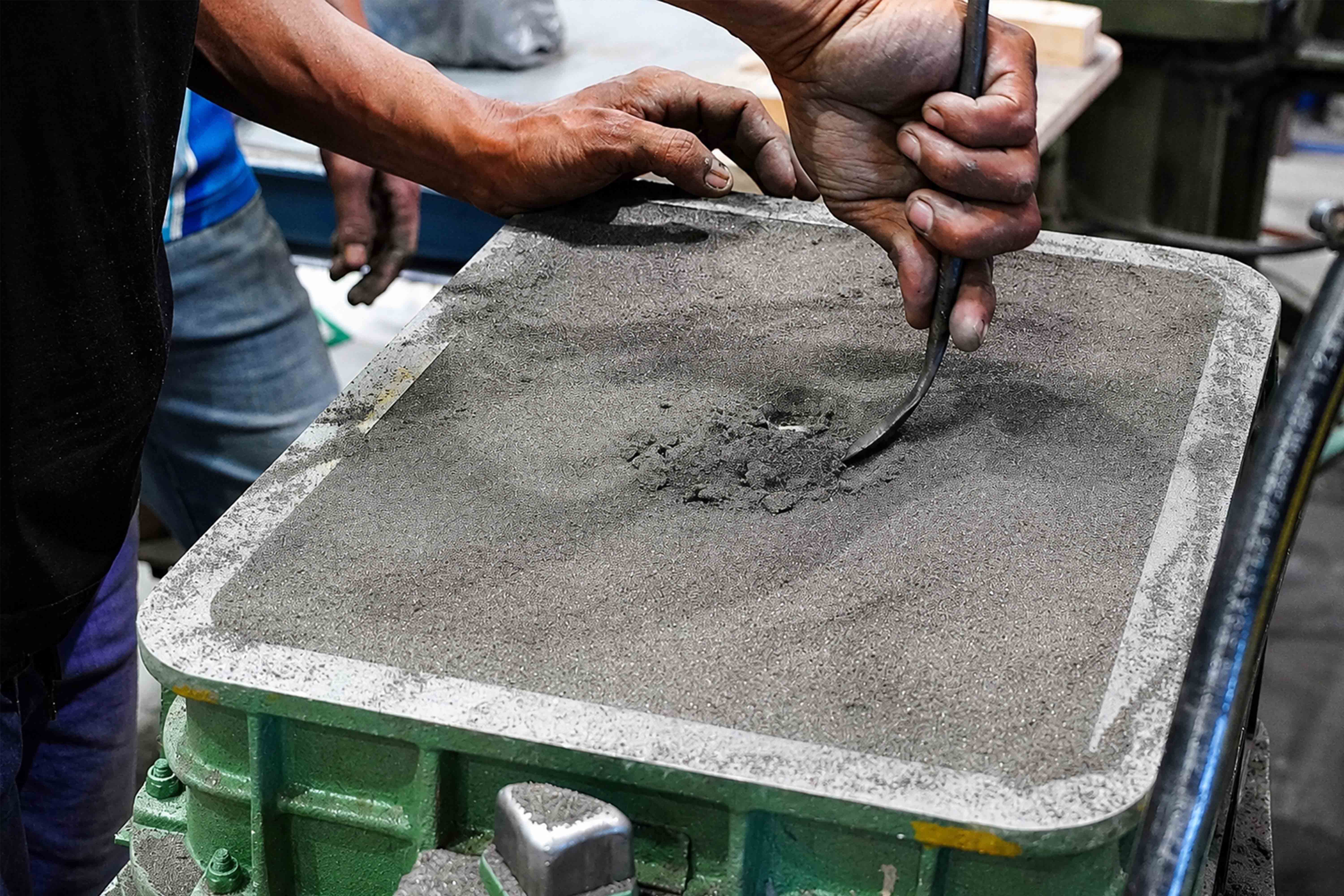
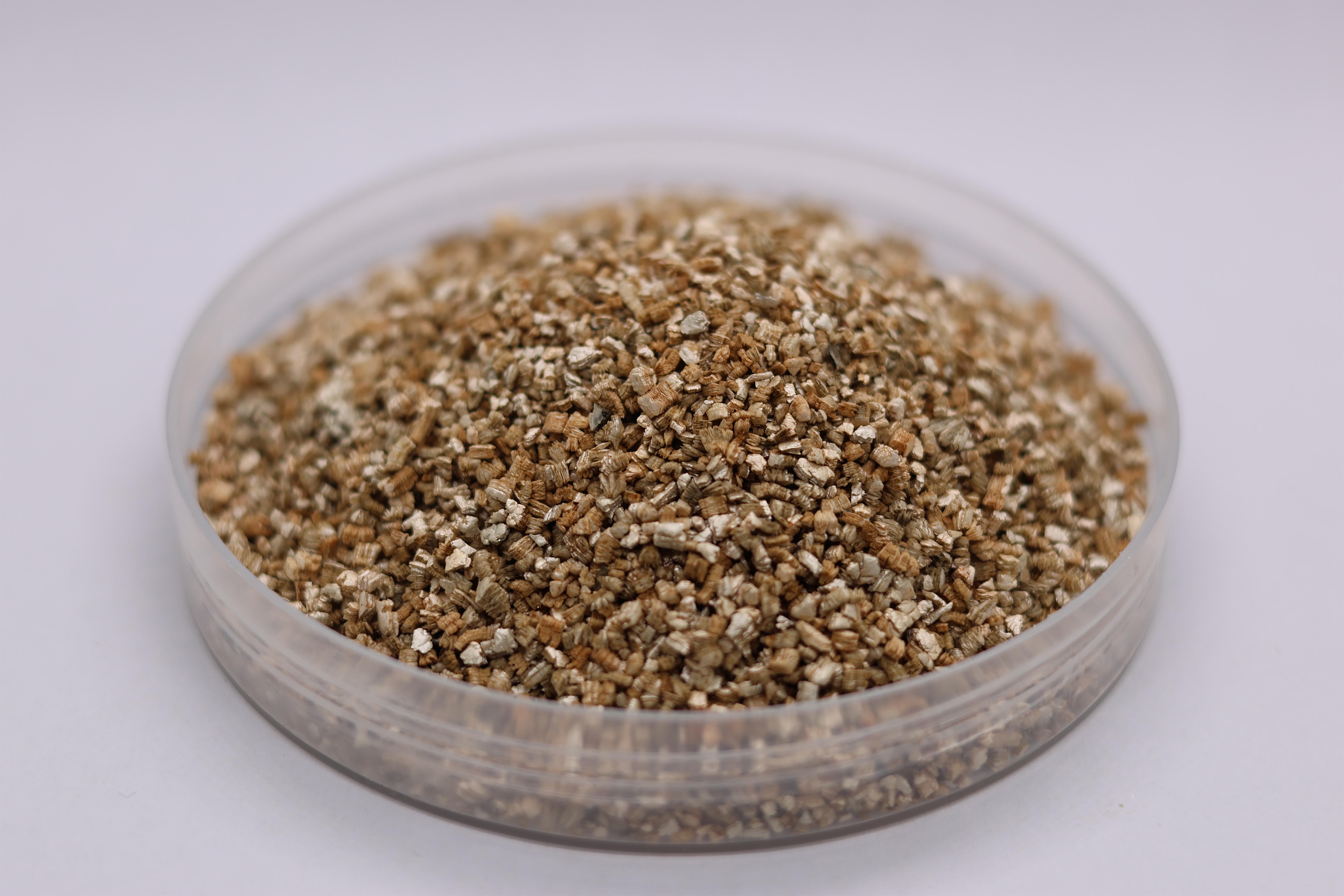
Grinding glass beads are high-quality spherical glass media produced by top suppliers in China, ideal for wet grinding, dispersion, mixing, and milling in various industrial applications. Our glass beads are extensively utilized in bead mills, sand mills, ball mills, and laboratory grinding equipment, effectively reducing particle size and enhancing dispersion to achieve exceptional product quality. Their uniform round shape, smooth surface, and precise particle sizes make them essential for industries such as paints, coatings, printing inks, pigments, dyes, ceramics, agrochemicals, minerals, fillers, and various chemical materials. Unlike irregular grinding media, our spherical glass beads ensure more consistent contact with materials during the milling process, minimizing dead zones within the grinding chamber. This results in improved material flow and superior dispersion outcomes. Glass beads are particularly well-suited for applications demanding moderate grinding strength, clean processing, and cost-effective media usage. WANCHENG MINERAL, a leading factory in China, offers a comprehensive range of grinding glass beads available in various particle sizes and packaging options for global industrial customers. Our products are crafted from high-quality soda-lime glass raw materials and undergo stringent screening processes to ensure consistent bead size distribution, excellent roundness, low dust, and dependable milling performance. We cater to both standard grades for general industrial use and customized particle size ranges tailored to specific equipment or formulations based on customer requirements. For manufacturers in the fields of paints, coatings, inks, pigments, and chemical dispersions, selecting the right grinding media is crucial for optimizing production efficiency and ensuring high-quality finished products. The appropriate bead size can significantly enhance grinding efficiency, reduce processing time, improve color development, and boost the stability of dispersed products. WANCHENG MINERAL stands ready to support customers with a stable supply, export packaging, and practical guidance on grade selection. Partner with us to achieve the best results for your production needs.

    This is a paragraph

    This is a paragraph

    This is a paragraph

    Chemical Component Typical Content Description
    SiO2 (Silicon Dioxide) 70% - 73% Main glass network component
    Na2O (Sodium Oxide) 12% - 15% Fluxing component
    CaO (Calcium Oxide) 7% - 10% Improves glass stability
    MgO (Magnesium Oxide) 2% - 4% Improves durability
    Al2O3 (Aluminum Oxide) 0.5% - 2.0% Improves chemical resistance
    K2O (Potassium Oxide) 0.5% - 1.5% Minor alkali component
    Fe2O3 (Iron Oxide) ≤ 0.5% Controlled impurity
    Frequently Asked Questions (FAQ)
    Q What is the primary chemical component in this glass composition?
    Silicon Dioxide (SiO2) is the primary glass former, making up 70% to 73% of the total formulation. It provides the core structural network and foundational rigidity.
    Q What is the function of Na2O (Sodium Oxide) as a fluxing agent?
    Sodium Oxide (Na2O) acts as a flux that lowers the melting temperature of silica, facilitating energy-efficient batch processing during glass manufacturing.
    Q Why are CaO and MgO essential in glass formulation?
    Calcium Oxide (CaO) and Magnesium Oxide (MgO) serve as stabilizing agents. They enhance the chemical stability, mechanical hardness, and overall durability of the glass against degradation.
    Q How does Al2O3 improve the chemical resistance of glass?
    Aluminum Oxide (Al2O3) strengthens the glass network against chemical attack and weathering, increasing resistance to water, acids, and atmospheric exposure.
    Q Why is the Fe2O3 (Iron Oxide) content strictly controlled under 0.5%?
    Iron Oxide is a controlled impurity because excess amounts cause undesirable green or brown tints, impacting optical clarity and light transmission.
    Q Can these chemical proportions vary across different production batches?
    Yes, slight variations within the designated percentage ranges occur based on raw material purity and tailored performance specifications for specialized applications.

    This is a paragraph

    This is a paragraph

    This is a paragraph

    This is a paragraph

    This is a paragraph

    This is a paragraph

    This is a paragraph

    This is a paragraph

    This is a paragraph

    This is a paragraph

    This is a paragraph

    This is a paragraph

    This is a paragraph

    This is a paragraph

    This is a paragraph

    Application Image Grid Placeholder

    FAQ

    • This is a paragraph

    • This is a paragraph

    • This is a paragraph

    • This is a paragraph

    • This is a paragraph

    • This is a paragraph

    • This is a paragraph

    • This is a paragraph

      This is a paragraph

    This is a paragraph

    This is a paragraph

    This is a paragraph
    This is a paragraph