
This is a paragraph
This is a paragraph

Hot Products
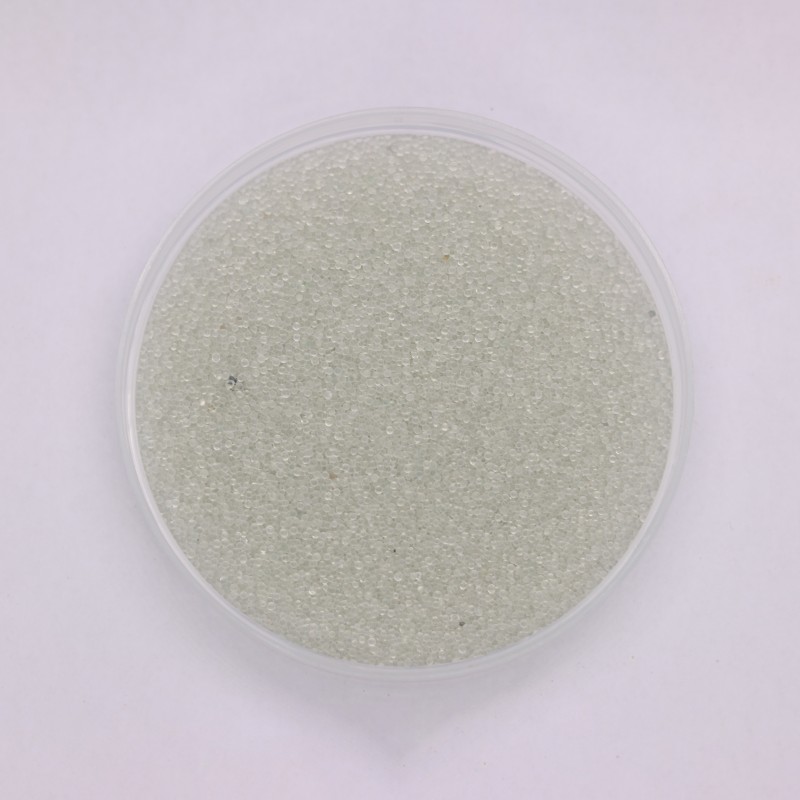
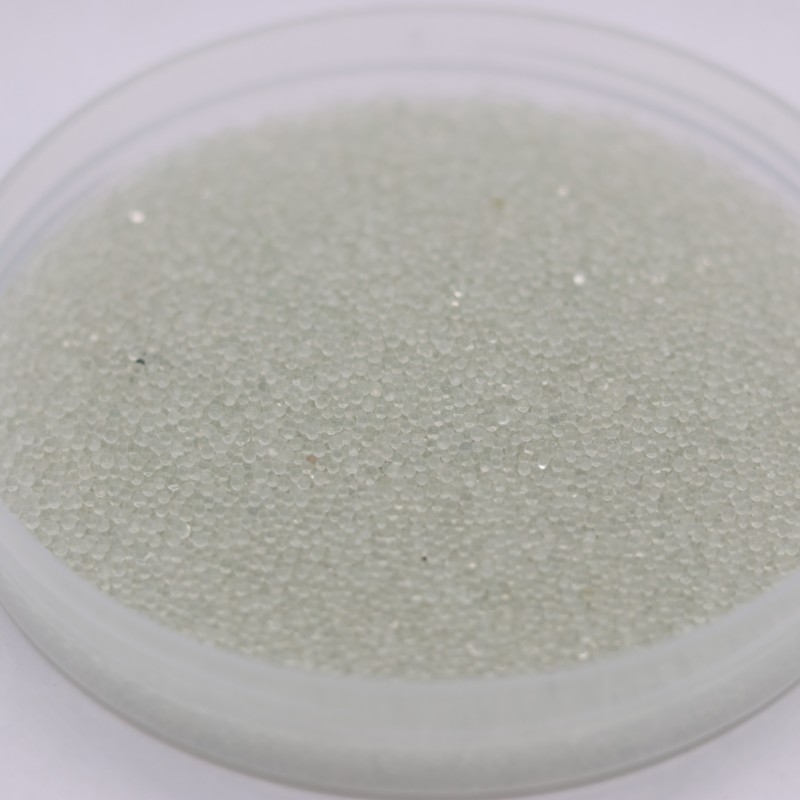
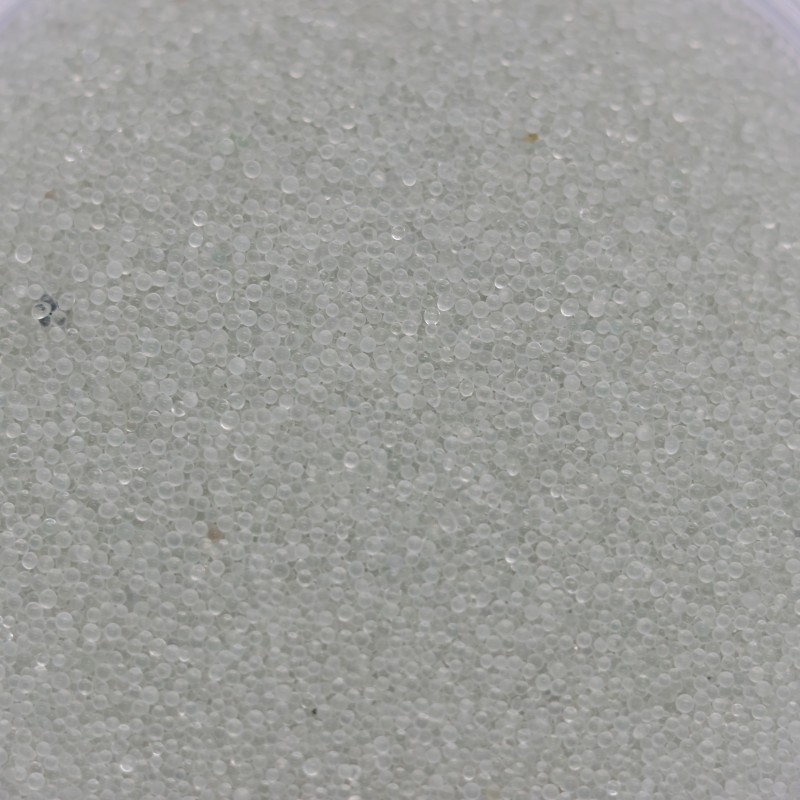
China Grinding Glass Beads Supplier | Quality Factory-Made Spherical Media for Efficient Industrial Milling
| Chemical Component | Typical Content | Description |
|---|---|---|
| SiO2 | 70% - 73% | Main glass network component |
| Na2O | 12% - 15% | Fluxing component |
| CaO | 7% - 10% | Improves glass stability |
| MgO | 2% - 4% | Improves durability |
| Al2O3 | 0.5% - 2.0% | Improves chemical resistance |
| K2O | 0.5% - 1.5% | Minor alkali component |
| Fe2O3 | ≤ 0.5% | Controlled impurity |
Frequently Asked Questions (FAQ)
What is the primary chemical component in this glass composition?
Silicon Dioxide (SiO2) is the main glass network component, accounting for 70% to 73% of the total typical content. It provides the primary structural framework for the glass.
What role does Sodium Oxide (Na2O) play in glass manufacturing?
Sodium Oxide (Na2O), present at 12% - 15%, functions as a fluxing agent. It lowers the melting temperature of the silica batch, making the glass melting and manufacturing process significantly more energy-efficient.
How do Calcium Oxide (CaO) and Magnesium Oxide (MgO) enhance glass properties?
Calcium Oxide (7% - 10%) improves overall chemical and structural stability, while Magnesium Oxide (2% - 4%) enhances physical durability and prevents glass devitrification during cooling.
Why is Aluminum Oxide (Al2O3) added to the mixture?
Aluminum Oxide (0.5% - 2.0%) improves the chemical resistance and mechanical strength of the glass, protecting it from corrosion by atmospheric moisture and chemical agents.
Why is Iron Oxide (Fe2O3) maintained at or below 0.5%?
Iron Oxide (Fe2O3) is treated as a controlled impurity (≤ 0.5%) because higher levels introduce unwanted greenish or brownish tints and affect optical clarity and light transmission.
What type of glass corresponds to this chemical composition?
This formulation represents standard soda-lime silicate glass, which is the most widely manufactured glass type used in window panes, glass containers, and everyday commercial glassware.
This is a paragraph
This is a paragraph
This is a paragraph
This is a paragraph
This is a paragraph
This is a paragraph
This is a paragraph
This is a paragraph
This is a paragraph
This is a paragraph
This is a paragraph
-
This is a paragraph
-
This is a paragraph
-
This is a paragraph
-
This is a paragraph
-
This is a paragraph
-
This is a paragraph
-
This is a paragraph
-
This is a paragraph
This is a paragraph