
This is a paragraph
This is a paragraph

Hot Products
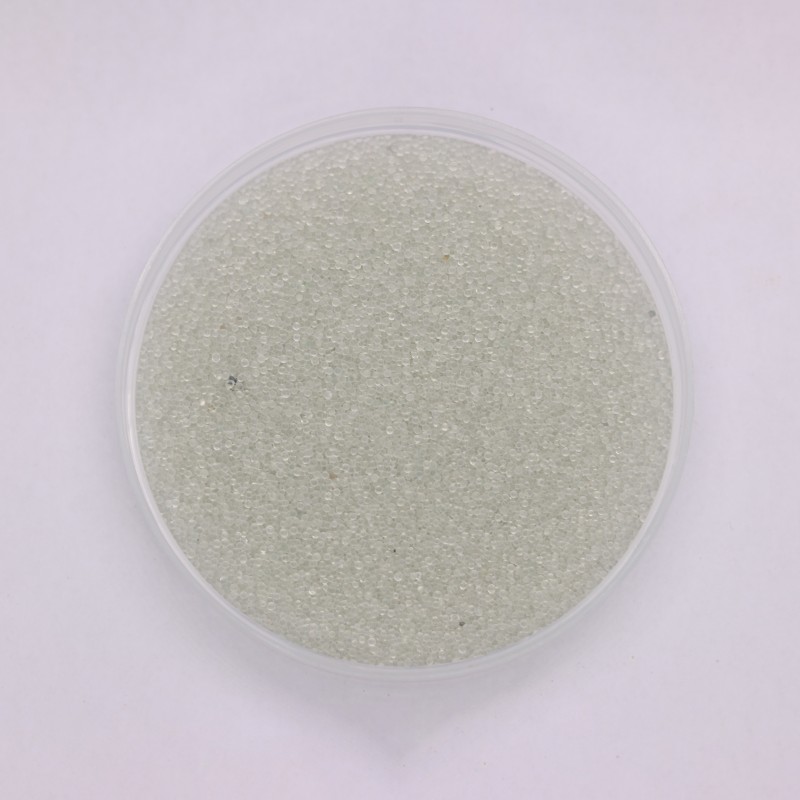
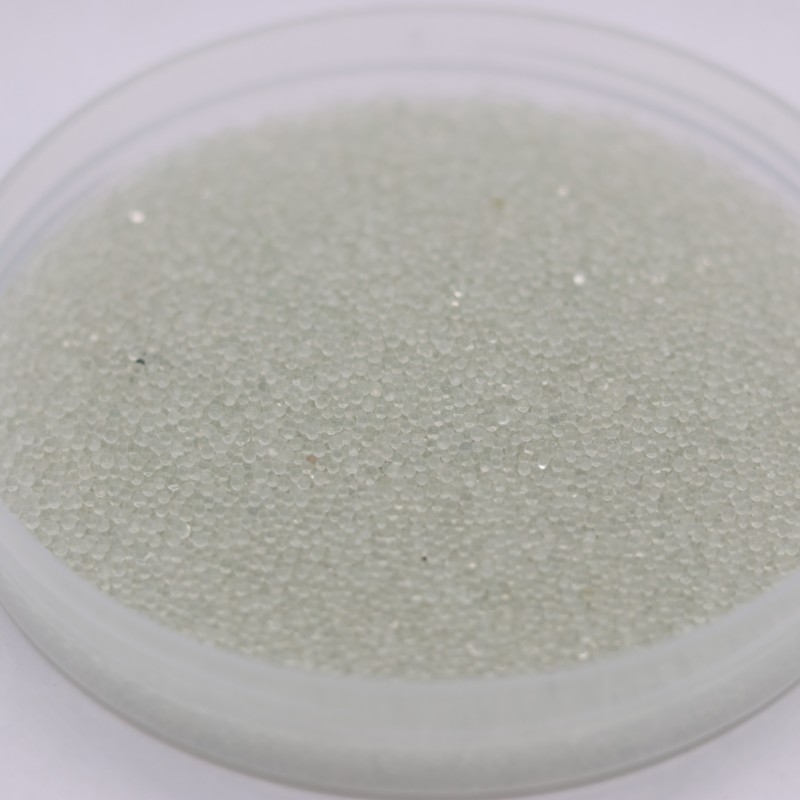
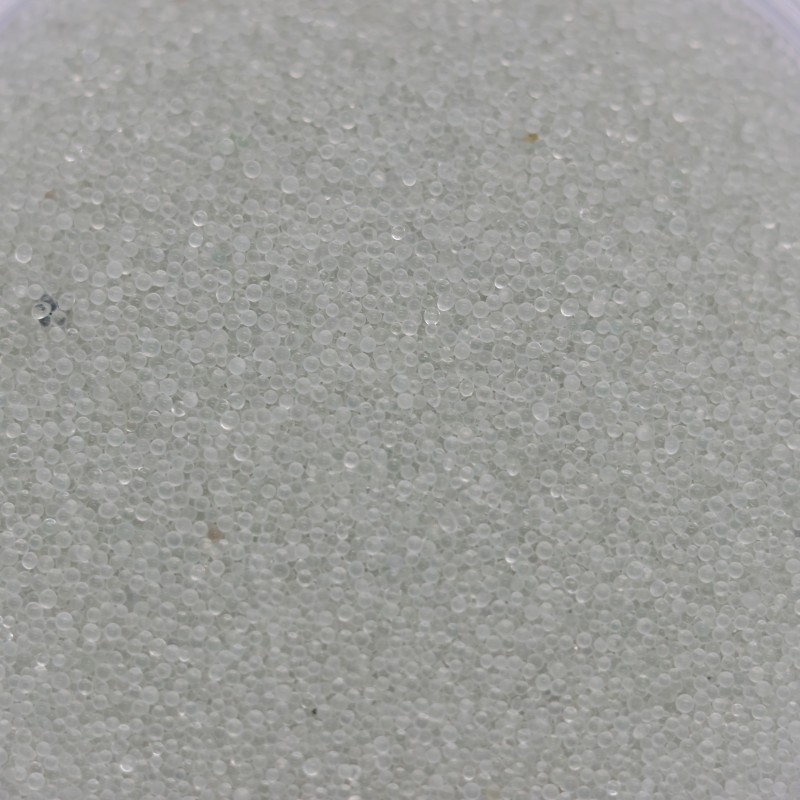
China Grinding Glass Beads Suppliers - High-Quality Milling Media from Leading Factory
Glass Chemical Composition Specification
| Chemical Component | Typical Content | Description |
|---|---|---|
| SiO2 | 70% - 73% | Main glass network component |
| Na2O | 12% - 15% | Fluxing component |
| CaO | 7% - 10% | Improves glass stability |
| MgO | 2% - 4% | Improves durability |
| Al2O3 | 0.5% - 2.0% | Improves chemical resistance |
| K2O | 0.5% - 1.5% | Minor alkali component |
| Fe2O3 | ≤ 0.5% | Controlled impurity |
Frequently Asked Questions (FAQ)
What is the primary network former in this glass composition?
Silicon dioxide (SiO2) is the principal component, comprising 70% to 73% of the total formulation. It serves as the primary network former responsible for the foundational strength, structural integrity, and thermal endurance of the glass matrix.
What role does Sodium Oxide (Na2O) play in the manufacturing process?
Sodium oxide (Na2O) acts as an essential fluxing agent (12% - 15%), significantly lowering the high melting point of pure silica. This facilitates lower furnace processing temperatures, optimizing production energy efficiency and workability.
How do Calcium Oxide (CaO) and Magnesium Oxide (MgO) enhance glass durability?
While alkali fluxes make silica melt easier, they also make glass water-soluble. Adding CaO (7% - 10%) and MgO (2% - 4%) restores chemical stability, improves moisture and atmospheric resistance, and inhibits devitrification during cooling.
Why is Aluminum Oxide (Al2O3) added in small quantities?
Aluminum oxide (0.5% - 2.0%) boosts the glass's chemical resistance against acids and environmental exposure while improving mechanical hardness, scratch resistance, and overall structural viscosity.
Why must Iron Oxide (Fe2O3) be controlled at or below 0.5%?
Iron oxide is a naturally occurring raw material impurity that absorbs light and imparts a greenish or brownish tint. Limiting Fe2O3 to ≤ 0.5% ensures maximum light transmittance and superior optical clarity in clear soda-lime glass.
What type of standard glass corresponds to this chemical composition?
This formula represents standard soda-lime-silica glass, the most prevalent glass type used worldwide for architectural flat glass, automotive glazing, windows, bottles, and food/beverage containers.
This is a paragraph
This is a paragraph
This is a paragraph
This is a paragraph
This is a paragraph
This is a paragraph
This is a paragraph
This is a paragraph
This is a paragraph
This is a paragraph
This is a paragraph
-
This is a paragraph
-
This is a paragraph
-
This is a paragraph
-
This is a paragraph
-
This is a paragraph
-
This is a paragraph
-
This is a paragraph
-
This is a paragraph
This is a paragraph