
This is a paragraph
This is a paragraph

Hot Products
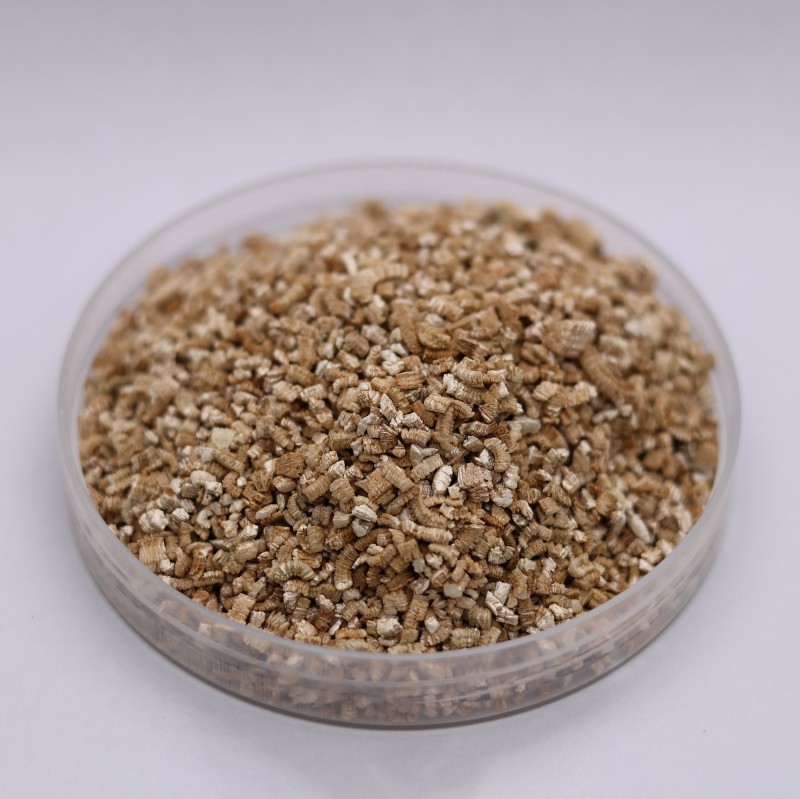
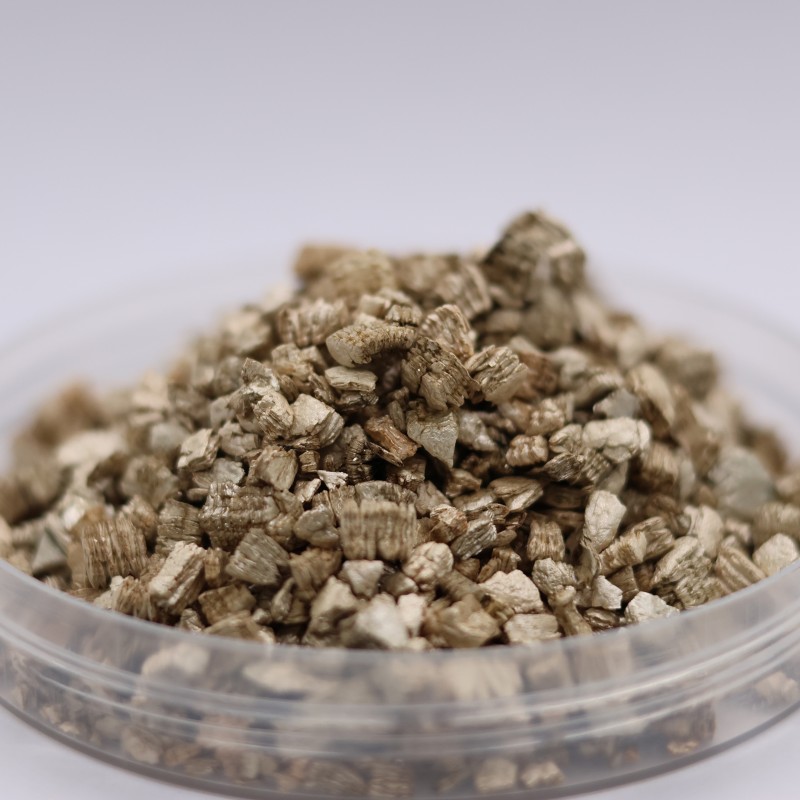
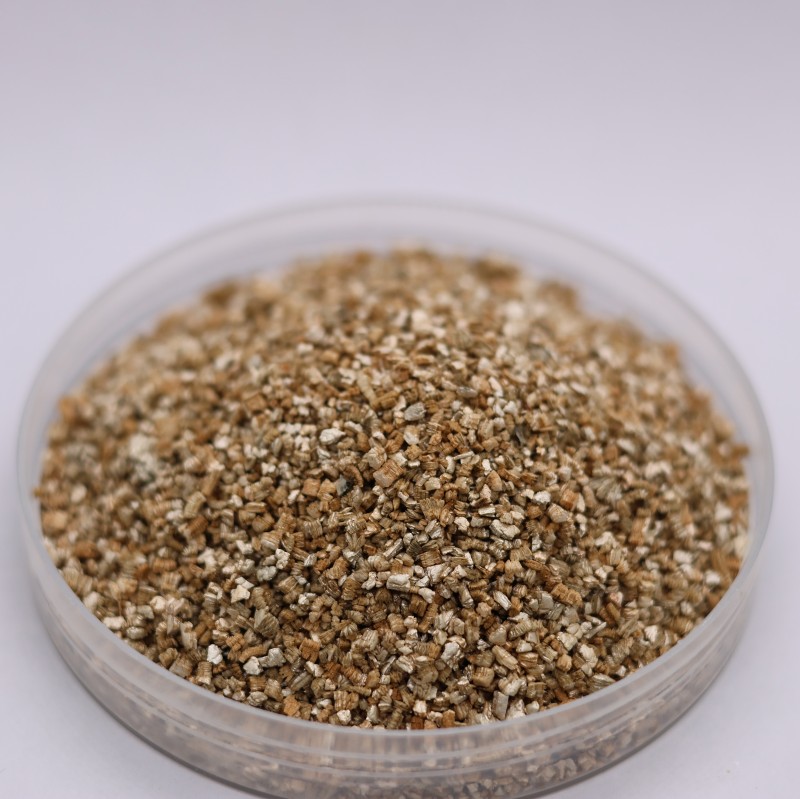
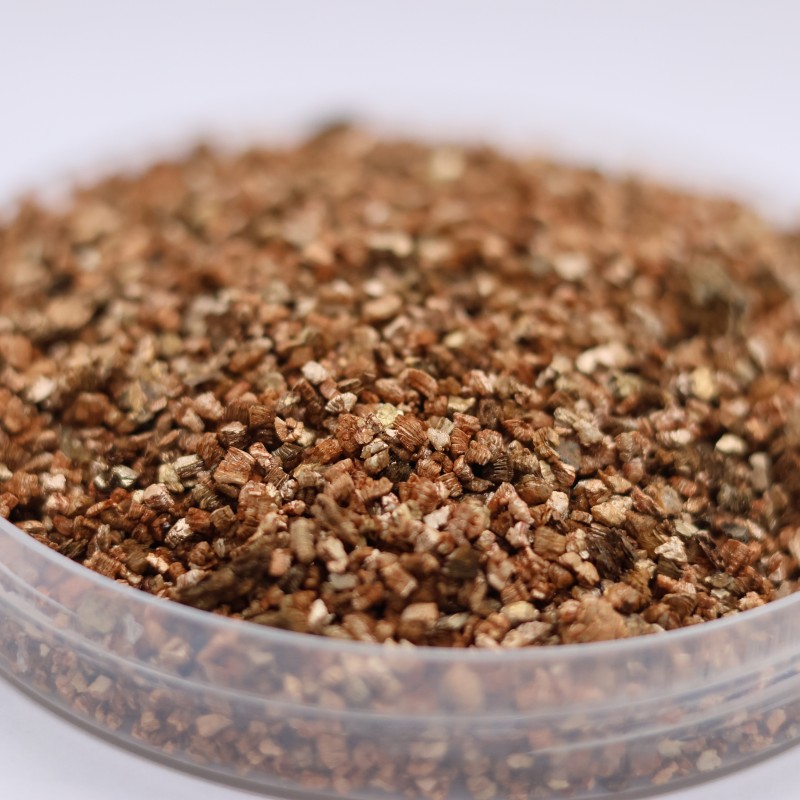
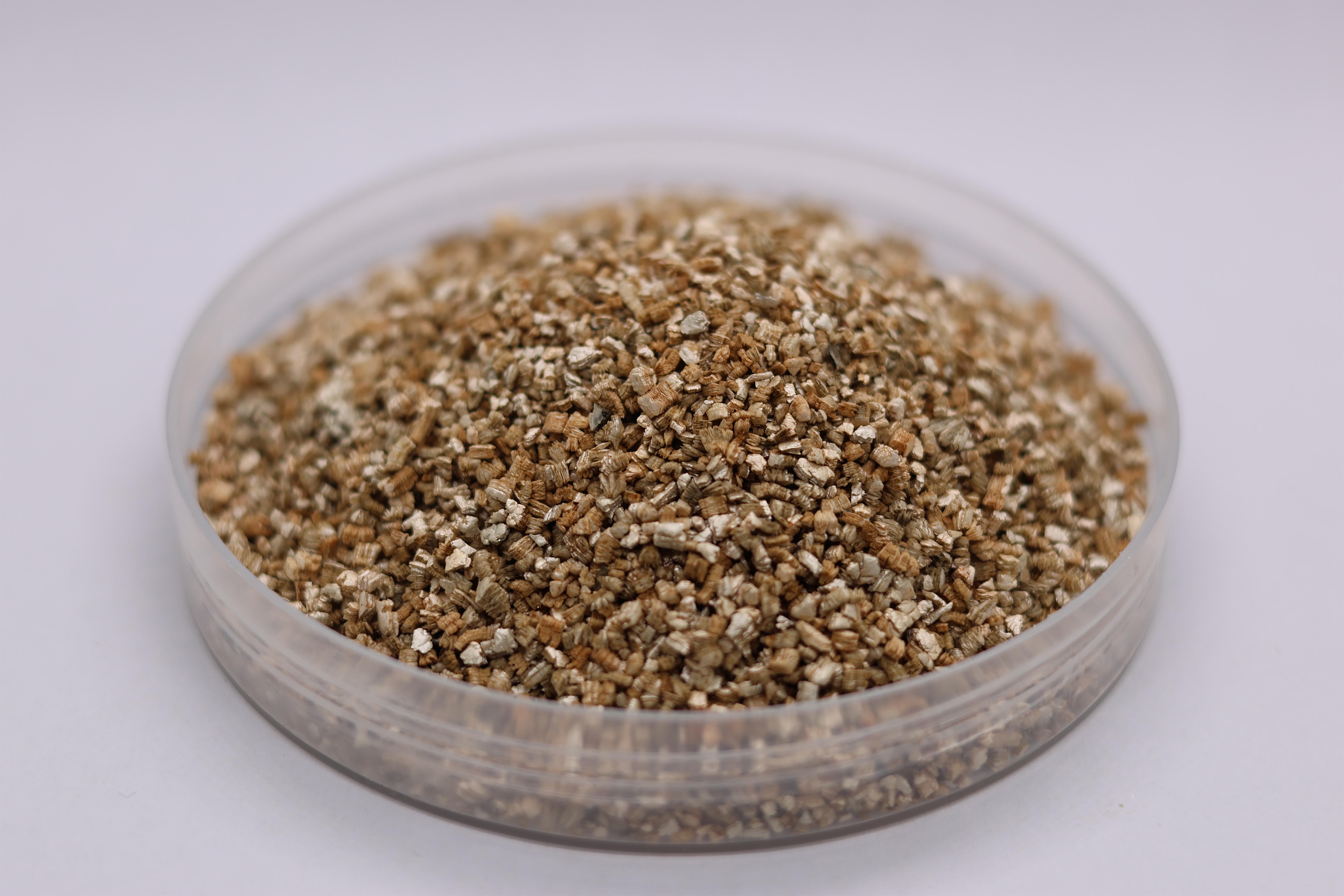
China Horticultural Vermiculite - Premium Quality from Trusted Suppliers and Reliable Factory
Chemical Composition & Specifications
| Chemical Component | Typical Content | Description |
|---|---|---|
| SiO₂ (Silicon Dioxide) | 35% - 45% | Main silicate component forming the base crystal structure |
| MgO (Magnesium Oxide) | 15% - 25% | Typical vermiculite component enhancing thermal stability |
| Al₂O₃ (Aluminum Oxide) | 8% - 15% | Aluminosilicate component contributing to structural strength |
| Fe₂O₃ (Iron Oxide) | 5% - 12% | Affects color, reflectivity, and mineral characteristics |
| K₂O (Potassium Oxide) | 3% - 8% | Interlayer potassium component providing cation exchange capacity |
| CaO (Calcium Oxide) | 1% - 4% | Minor naturally occurring component |
| TiO₂ (Titanium Dioxide) | Trace - 2% | Controlled trace impurity |
| Loss on Ignition | Low | Minimal residual moisture; depends on the expansion process |
Frequently Asked Questions (FAQ)
What is the primary chemical component of vermiculite?
The primary component is Silicon Dioxide (SiO₂), typically accounting for 35% to 45% of the total chemical makeup. It serves as the primary structural matrix for the mineral.
Why is Magnesium Oxide (MgO) significant in vermiculite?
Magnesium Oxide (MgO) comprises 15% to 25% of vermiculite. It plays an essential role in providing thermal resistance, chemical inertness, and structural resilience during high-temperature thermal expansion.
How does Iron Oxide (Fe₂O₃) affect vermiculite properties?
Iron Oxide (Fe₂O₃), ranging between 5% and 12%, directly influences the mineral's coloration (varying from golden brown to dark bronze) and plays a key role in its heat-reflective capabilities.
What does "Loss on Ignition" signify for expanded vermiculite?
Loss on Ignition (LOI) measures the release of bound volatile content and moisture when subjected to high temperatures. In expanded vermiculite, LOI is exceptionally low since interlayer water is already evaporated during the expansion process.
Does the chemical composition vary by grade or origin?
Yes, natural raw vermiculite composition can vary slightly depending on the geological deposit. However, high-quality industrial-grade vermiculite consistently stays within these standardized percentage ranges to ensure performance reliability.
Is this mineral composition safe and non-reactive?
Yes. Due to its balanced silicate and oxide composition, expanded vermiculite is chemically inert, non-toxic, odorless, and resistant to fungal growth, rot, and most chemical corrosives.
This is a paragraph
This is a paragraph
This is a paragraph
This is a paragraph
This is a paragraph
This is a paragraph
This is a paragraph
This is a paragraph
This is a paragraph
This is a paragraph
This is a paragraph
-
This is a paragraph
-
This is a paragraph
-
This is a paragraph
-
This is a paragraph
-
This is a paragraph
-
This is a paragraph
-
This is a paragraph
-
This is a paragraph
This is a paragraph