
Leave Your Message

China Industrial Grade Talc Powder Suppliers and Factory for Plastics, Coatings, Rubber, and More

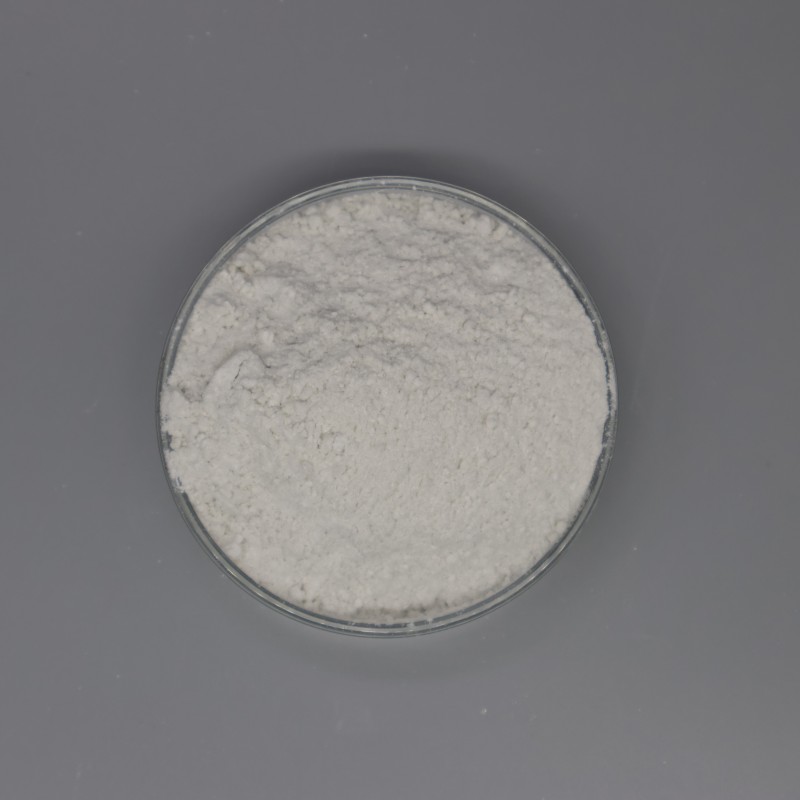
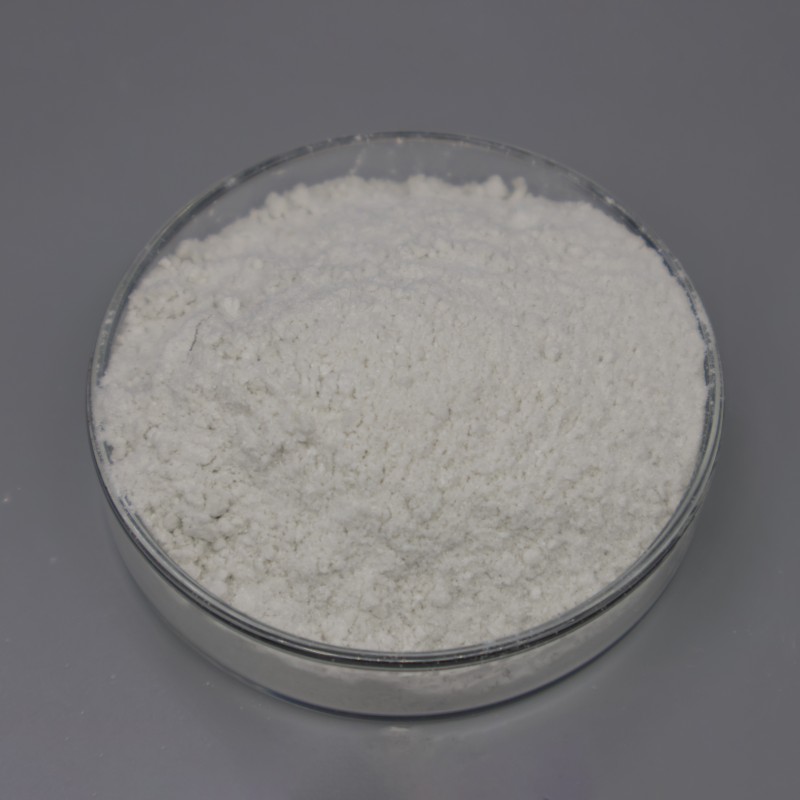
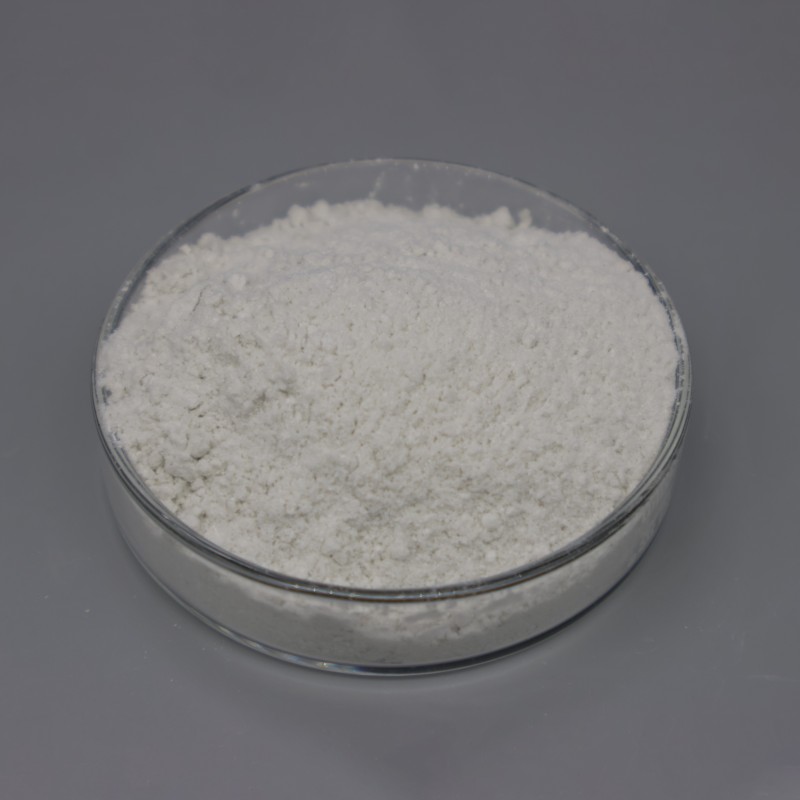
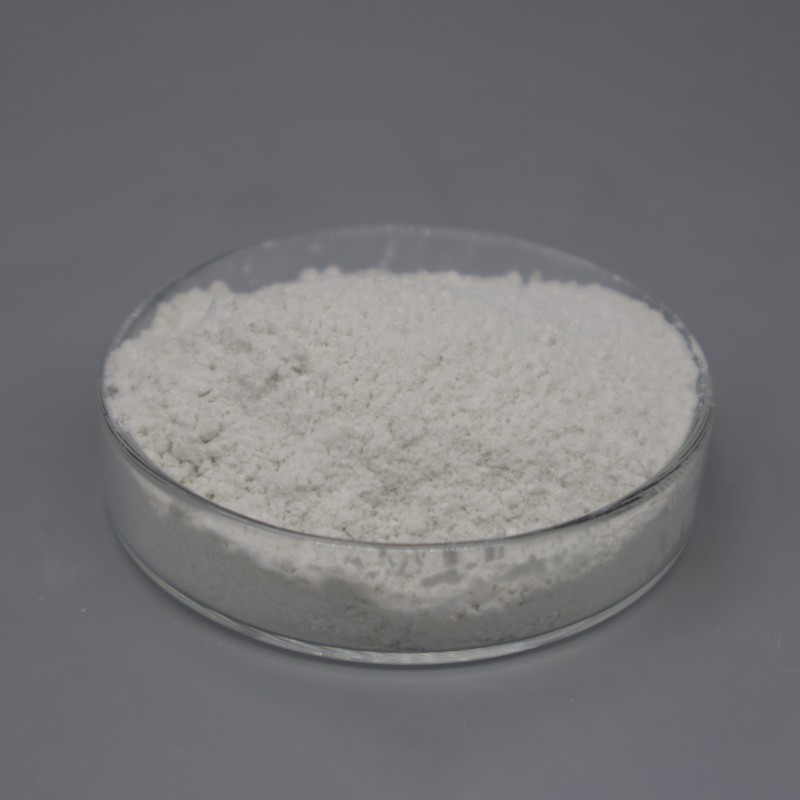
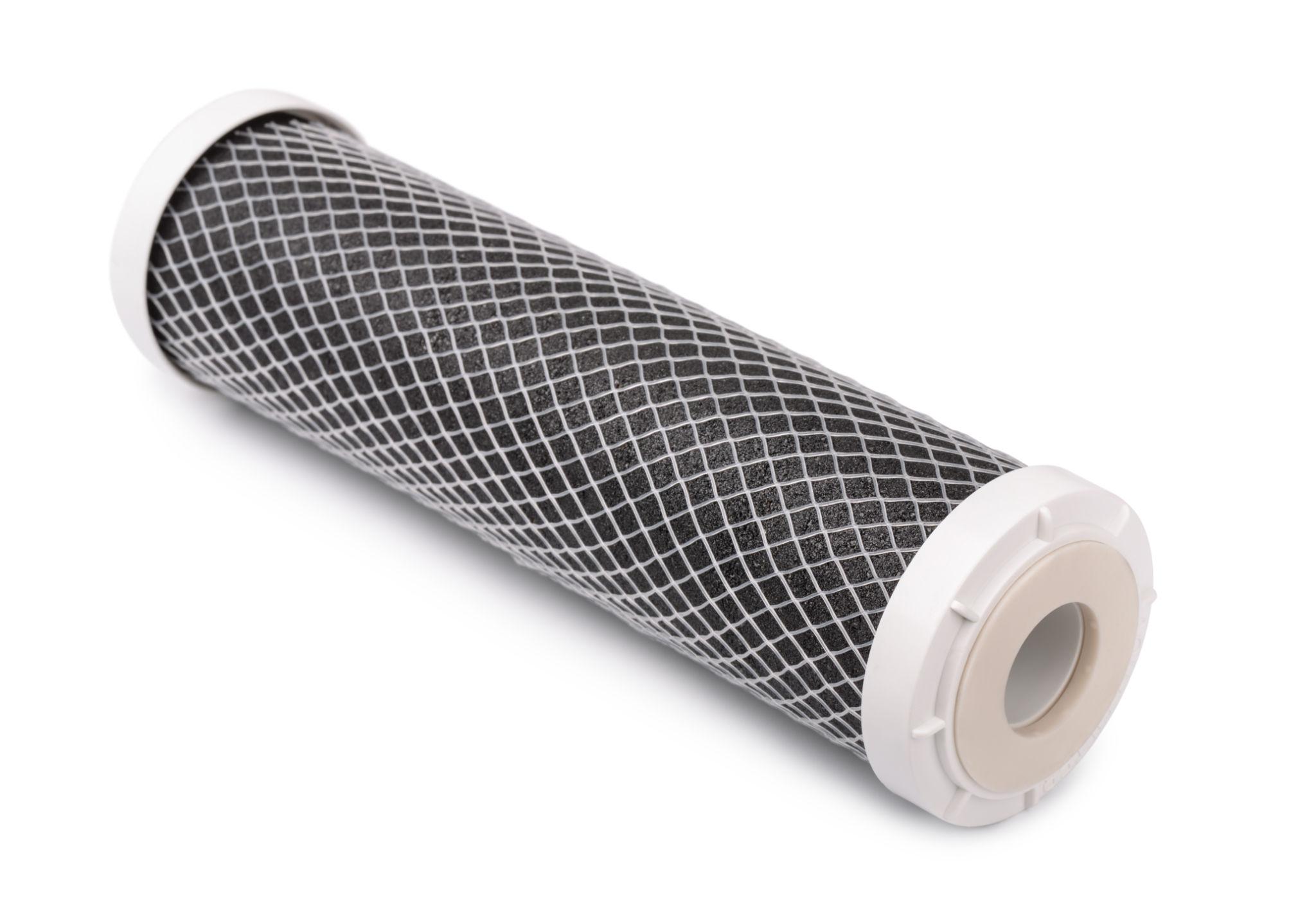
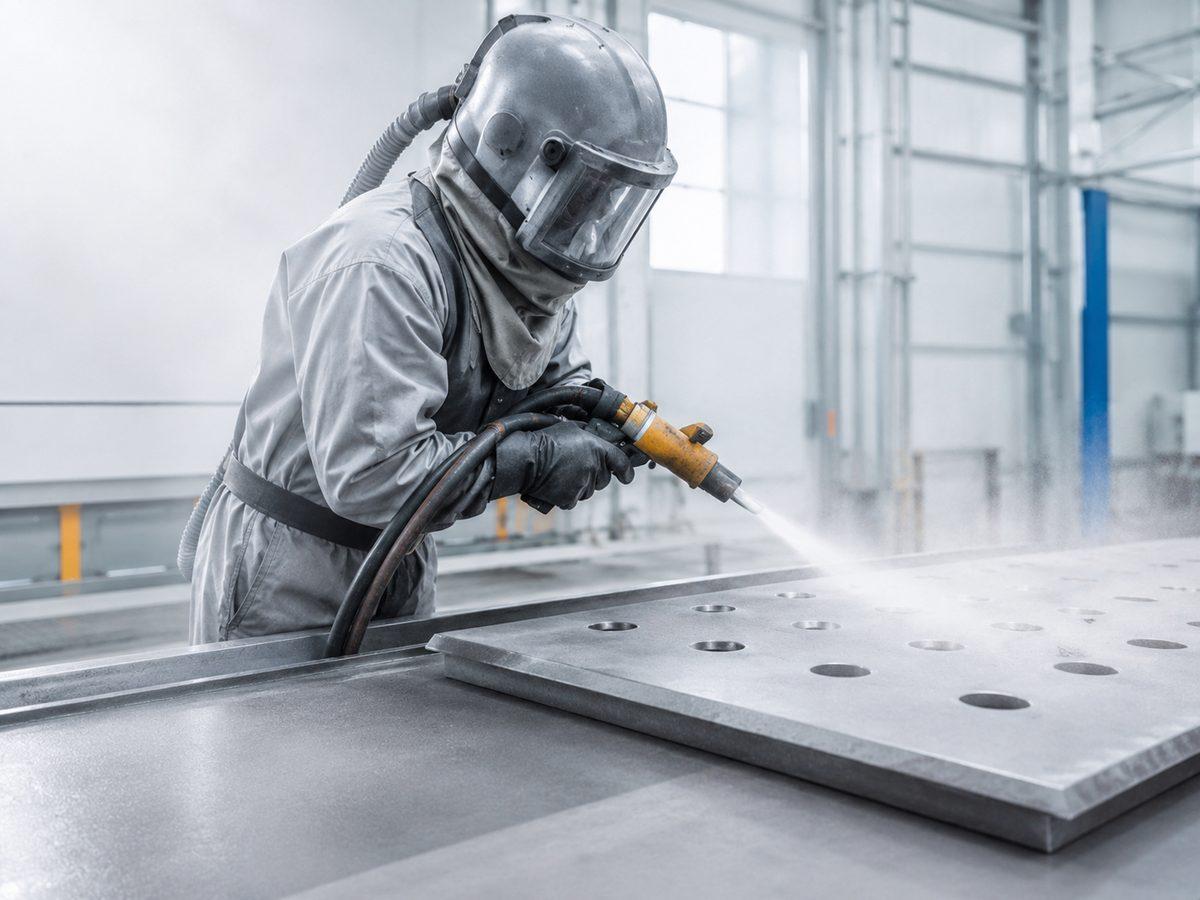
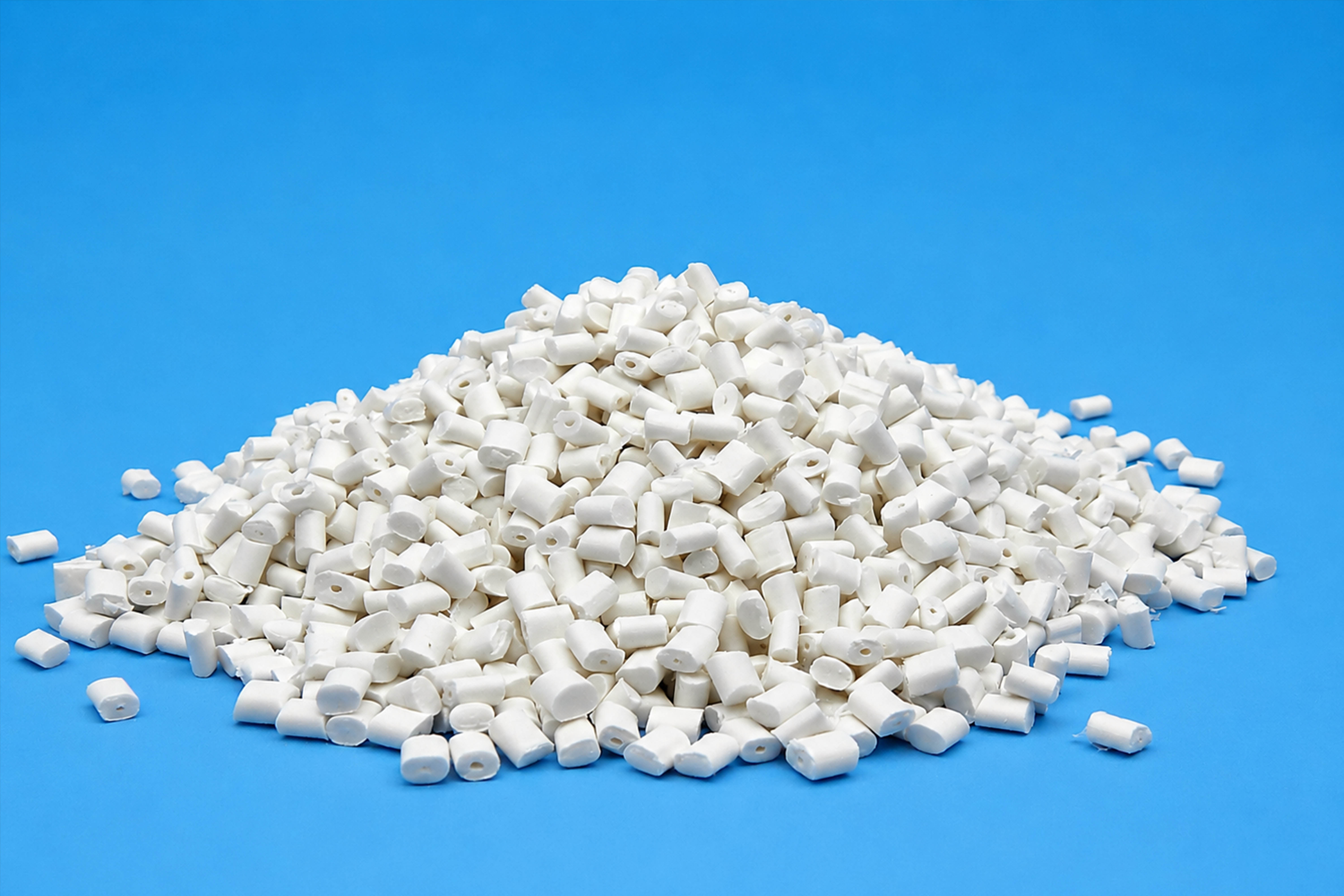
WANCHENG MINERAL is a leading China supplier and factory of industrial grade talc powder, a natural magnesium silicate mineral powder derived from high-quality talc ore through a meticulous process of crushing, grinding, classification, and rigorous quality control. Talc is renowned for its unique properties, including a soft texture, lamellar crystal structure, excellent whiteness, superior lubricity, low hardness, chemical stability, heat resistance, and hydrophobic surface characteristics. These attributes make talc powder an ideal functional mineral filler utilized across various industries, including plastics, coatings, paints, rubber, ceramics, paper, cables, adhesives, sealants, masterbatch, and other industrial formulations.

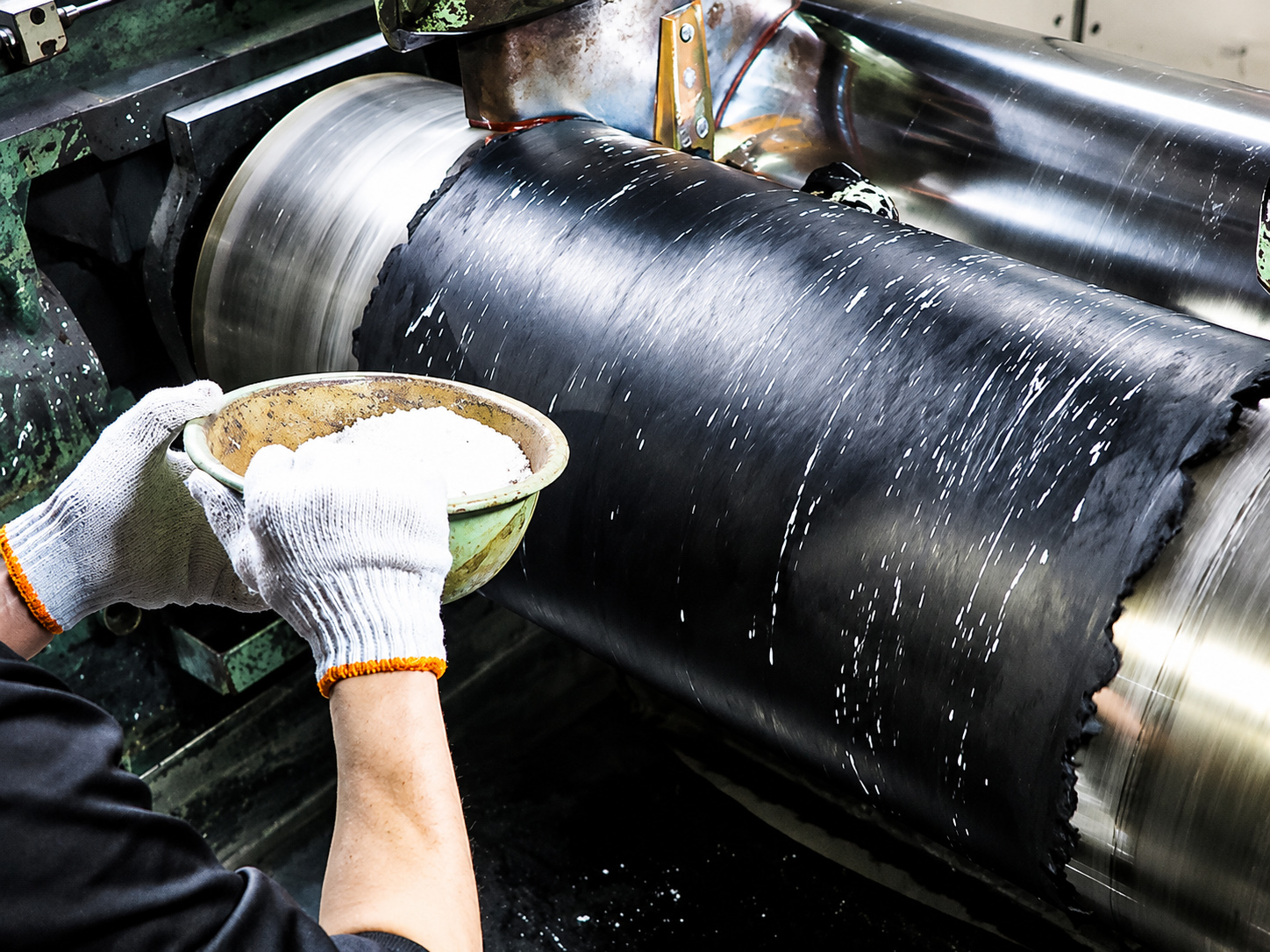
Unlike ordinary mineral fillers, talc powder from WANCHENG MINERAL offers a remarkable combination of reinforcement, processing enhancement, dimensional stability, surface smoothness, and cost-effectiveness. Its platy particle shape significantly improves barrier performance and rigidity in polymer systems. In coatings and paints, our talc enhances suspension stability, sanding performance, scrub resistance, matting effect, and overall formulation economy. In the rubber and adhesive industries, talc powder aids in processing, minimizes stickiness, and ensures a stable product texture.

We provide a variety of industrial-grade talc powder with different mesh sizes, whiteness levels, and customized specifications to meet diverse customer applications. Our talc is suitable for general industrial fillers, plastic modification, coating formulations, rubber processing, ceramic bodies, paper coating, cable compounds, and construction chemicals. As a trusted China supplier, we are committed to offering stable raw material supply, flexible packaging, sample evaluation, and comprehensive export services.

For international buyers, choosing the right talc grade is crucial, as factors such as particle size, whiteness, oil absorption, moisture content, purity, and impurity levels directly affect the quality of the final product. A talc grade designed for plastic reinforcement may differ significantly from one used in decorative paint or ceramic production. WANCHENG MINERAL is here to discuss your application needs and recommend the most suitable talc powder grades for various industries.

    This is a paragraph

    This is a paragraph

    This is a paragraph

    Chemical Component Typical Content Description
    SiO₂ 58% - 63% Main silicate component
    MgO 28% - 32% Main magnesium component
    Al₂O₃ 0.5% - 2.0% Controlled impurity
    Fe₂O₃ ≤ 1.0% Affects whiteness and color
    CaO ≤ 2.0% Minor component
    K₂O + Na₂O ≤ 1.0% Minor alkali components
    Loss on Ignition 4% - 7% Related to hydroxyl and mineral structure
    Frequently Asked Questions
    What are the main chemical components in this specification?

    The primary chemical constituents are Silicon Dioxide (SiO₂) with a typical content of 58% to 63%, and Magnesium Oxide (MgO) ranging from 28% to 32%, serving as the primary silicate and magnesium components respectively.

    How does the Fe₂O₃ content affect the quality of the product?

    Iron Oxide (Fe₂O₃) is maintained at ≤ 1.0% because it directly influences the whiteness and visual color profile of the mineral. Keeping it low prevents discoloration.

    What does Loss on Ignition (LOI) signify in this analysis?

    The Loss on Ignition value, specified at 4% to 7%, reflects the volatile substance loss at high temperatures, which is inherently tied to the structural hydroxyl groups and natural mineral formation.

    What are the limits for minor alkali components (K₂O + Na₂O)?

    Total alkali metal oxides (K₂O + Na₂O) are restricted to ≤ 1.0% to ensure chemical stability and minimal interference with industrial formulations.

    What role do Al₂O₃ and CaO play in the composition?

    Aluminum Oxide (Al₂O₃) is tightly regulated between 0.5% and 2.0% as a controlled impurity, while Calcium Oxide (CaO) is kept at ≤ 2.0% as a minor component to preserve purity standards.

    This is a paragraph

    This is a paragraph

    This is a paragraph

    This is a paragraph

    This is a paragraph

    This is a paragraph

    This is a paragraph

    This is a paragraph

    This is a paragraph

    This is a paragraph

    This is a paragraph

    This is a paragraph

    This is a paragraph

    This is a paragraph

    This is a paragraph

    Application Image Grid Placeholder

    FAQ

    • This is a paragraph

    • This is a paragraph

    • This is a paragraph

    • This is a paragraph

    • This is a paragraph

    • This is a paragraph

    • This is a paragraph

    • This is a paragraph

      This is a paragraph

    This is a paragraph

    This is a paragraph

    This is a paragraph
    This is a paragraph