
Leave Your Message

China Mica Scrap Suppliers - High-Quality Mica Factory Products for Insulation, Coatings, and Decorative Applications

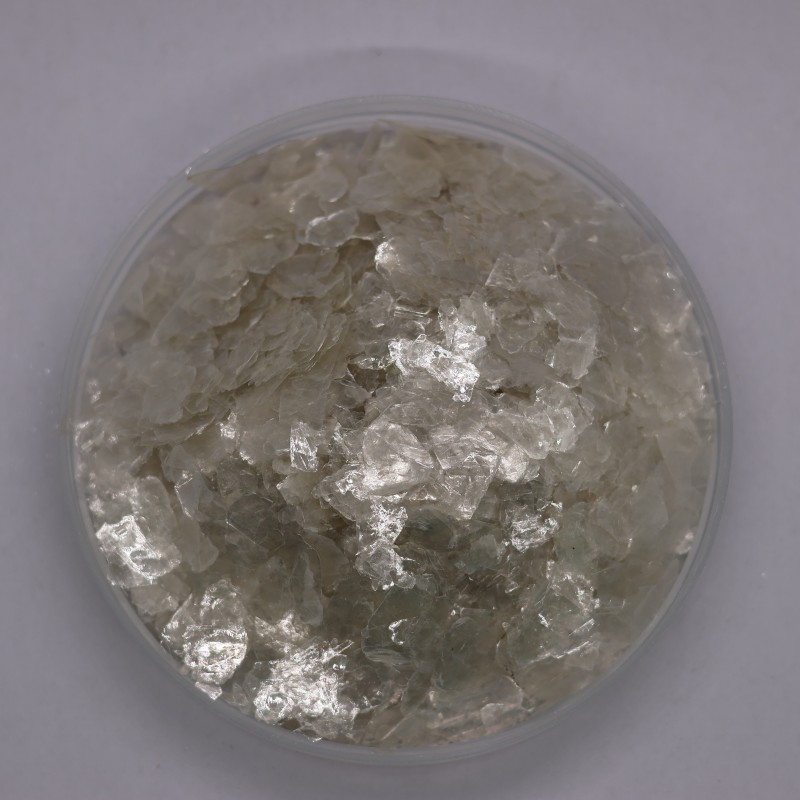
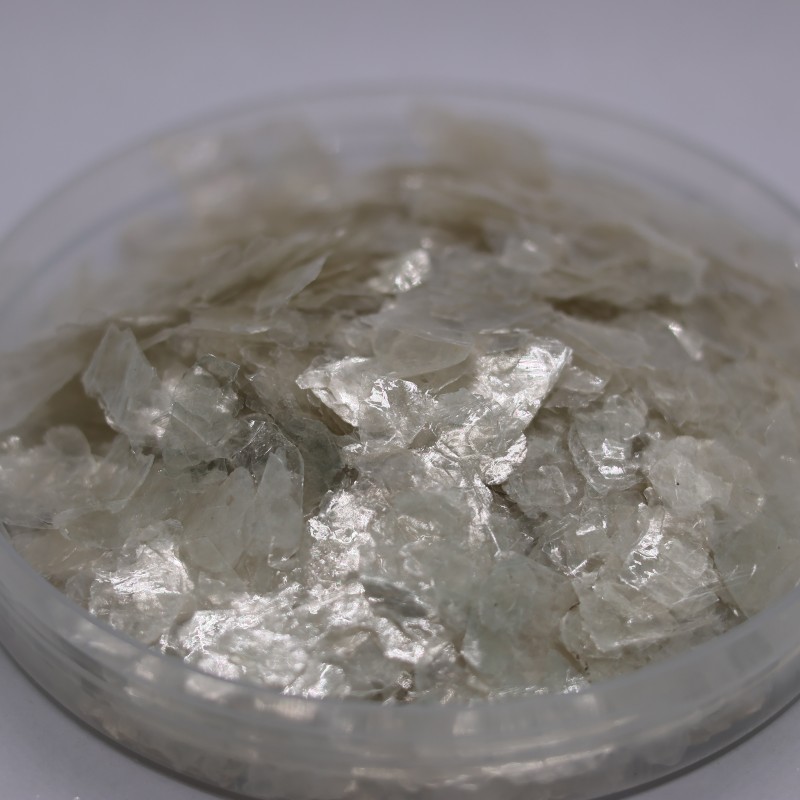
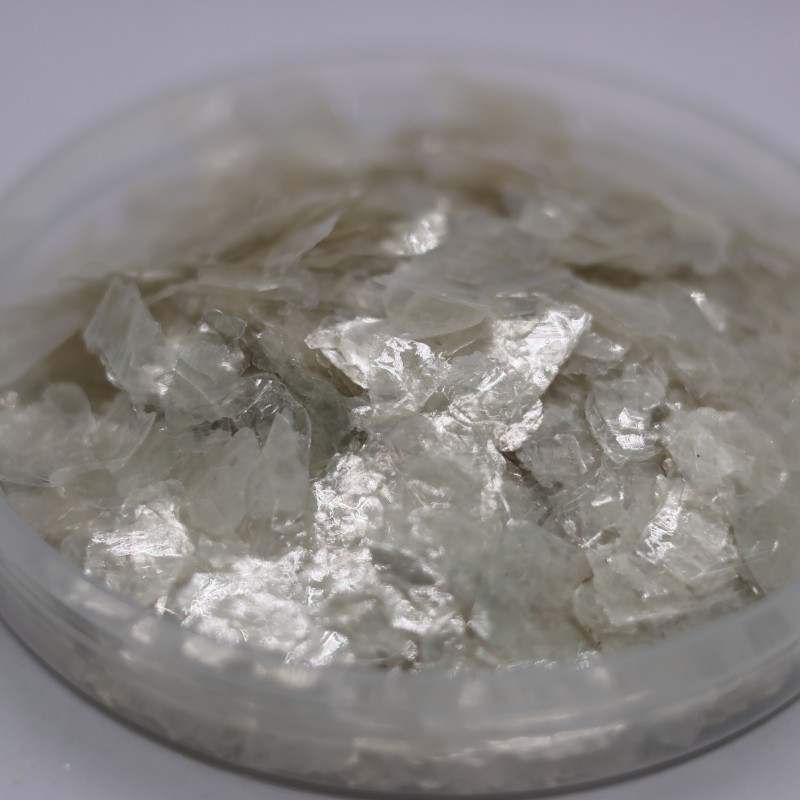
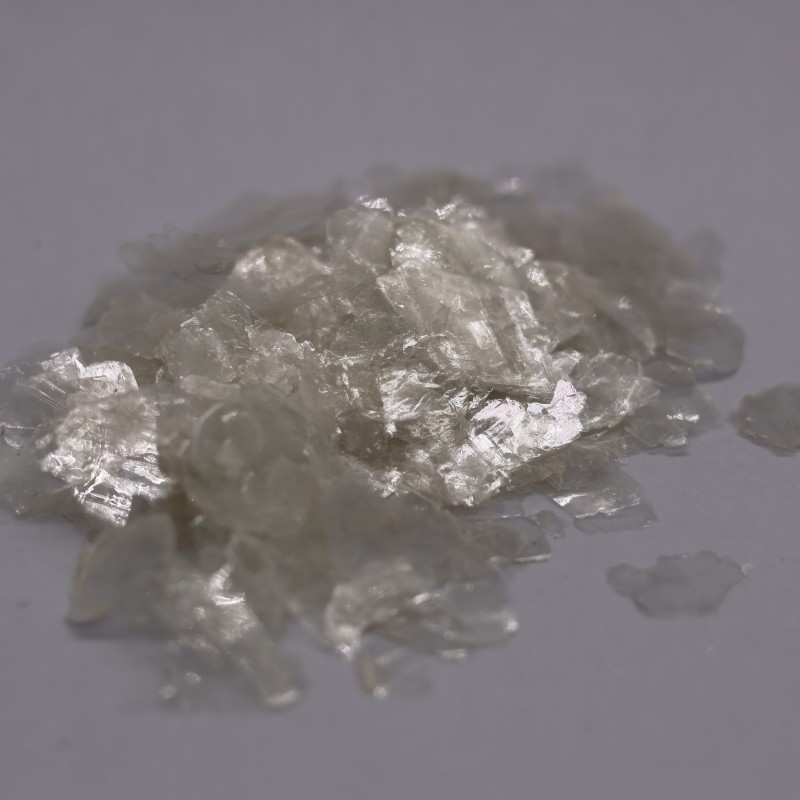
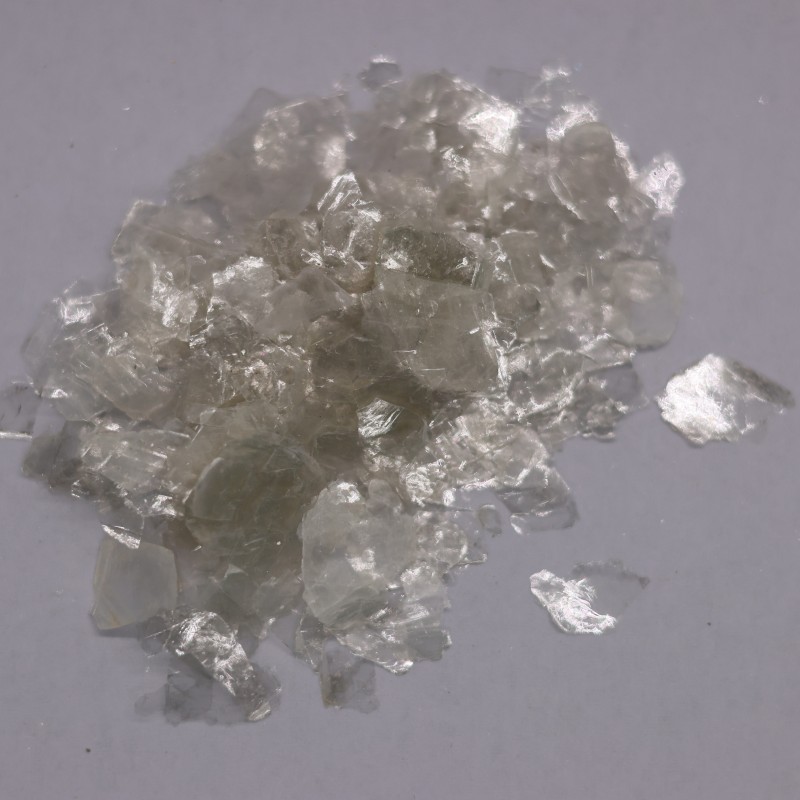
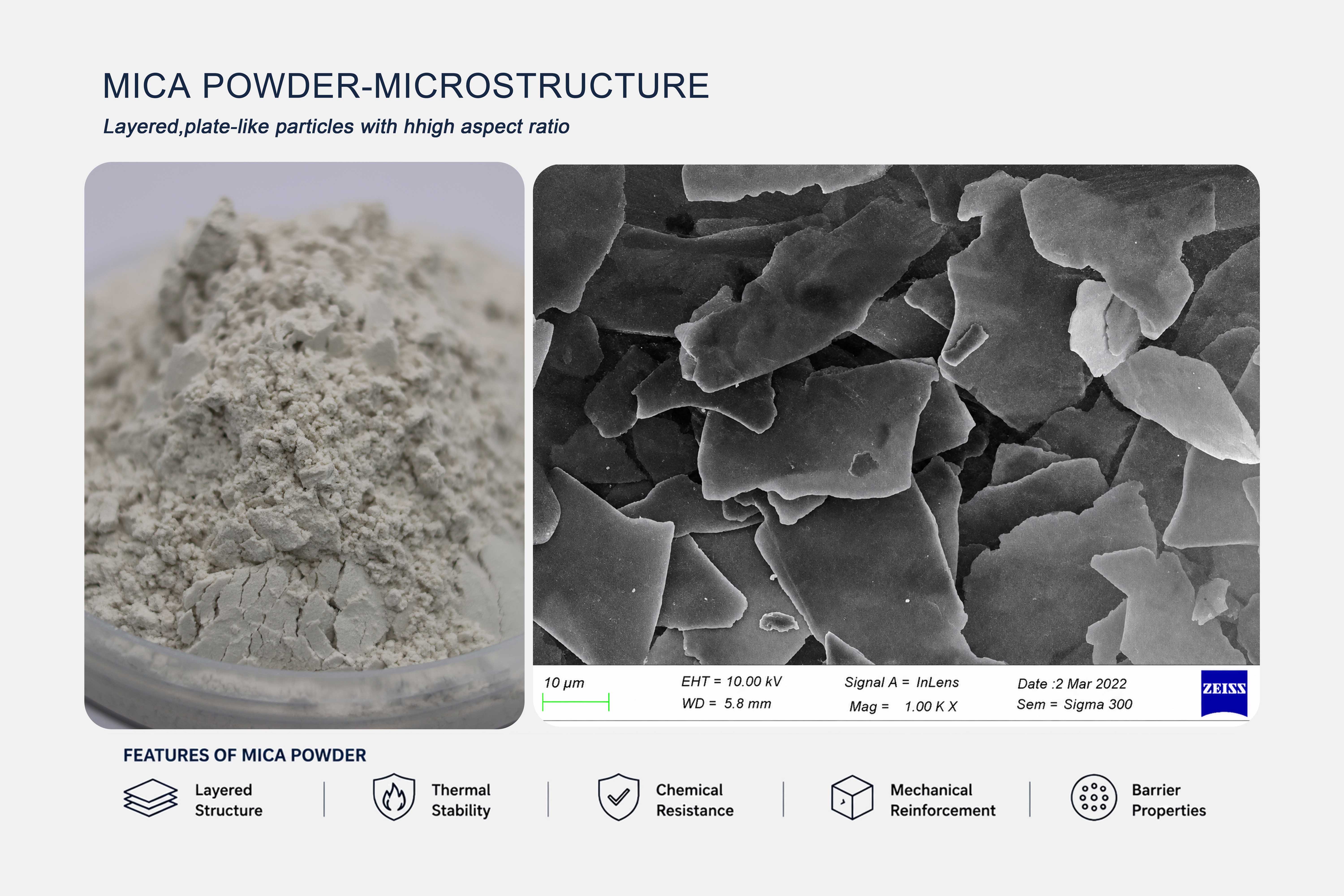
Mica scrap is a valuable raw material sourced from high-quality mica minerals, consisting of natural fragments, flakes, chips, or irregular pieces. These materials undergo thorough processes including cleaning, sorting, crushing, screening, and grading, all while maintaining their natural layered structure. At our factory in China, we offer mica scrap in various particle sizes to meet specific customer requirements. Our range includes muscovite mica scrap, phlogopite mica scrap, and mixed industrial mica fragments. Due to its exceptional properties such as heat resistance, electrical insulation, flexibility, chemical stability, and distinctive flake structure, mica scrap is extensively utilized across multiple industries. It serves as a vital ingredient in mica paper, mica sheets, mica boards, insulation materials, coatings, construction materials, decorative aggregates, and functional fillers. Unlike fine mica powder, our mica scrap is provided as a coarse material, making it ideal for applications that require visible mica flakes or raw material for further grinding. Customers can choose mica scrap based on color, particle size, purity, mineral type, and specific application needs. Larger mica flakes are perfect for decorative applications and insulation processes, whereas smaller flakes can serve as feedstock for mica powder production or be integrated into filler systems. As trusted suppliers from China, WANCHENG MINERAL specializes in providing high-quality mica scrap products to industrial customers, processors, distributors, and manufacturers globally. Our expertise ensures consistent particle sizes, meticulously clean material selection, and stable supply, all complemented by export-friendly packaging. We cater to diverse industries, including electrical insulation, refractory materials, construction, coatings, rubber, plastics, and mineral processing. Let WANCHENG MINERAL assist you in selecting the most suitable grades for your final applications, whether it be for mica paper production, mica board manufacturing, powder grinding, decorative textures, or filler uses.

    This is a paragraph

    This is a paragraph

    This is a paragraph

    Chemical Composition & Typical Analysis

    Chemical Component Typical Content Description
    SiO2 42% - 48% Main silicate component
    Al2O3 28% - 38% Main alumina component
    K2O 7% - 11% Typical mica alkali component
    Fe2O3 1% - 8% Varies by mica type and source
    MgO 0.5% - 8% Higher in phlogopite sources
    CaO ≤ 2% Minor component
    Na2O ≤ 1.5% Minor alkali component
    Loss on Ignition 1% - 5% Depends on source and moisture

    Frequently Asked Questions (FAQ)

    What are the primary chemical components in this material?
    The main chemical components are Silicon Dioxide (SiO2) at 42% - 48% and Aluminum Oxide (Al2O3) at 28% - 38%, which together form the foundational aluminosilicate mineral matrix.
    Why does the Iron Oxide (Fe2O3) content range from 1% to 8%?
    Fe2O3 content varies based on the specific mica mineral group and geological source origin. Lower iron levels are common in standard muscovite, while higher concentrations are typical in dark or biotite-rich grades.
    Which grade exhibits a higher Magnesium Oxide (MgO) concentration?
    MgO ranges from 0.5% up to 8%, with the upper concentration ranges consistently found in phlogopite sources (magnesium mica).
    What role do Potassium Oxide (K2O) and Sodium Oxide (Na2O) play?
    K2O (7% - 11%) serves as the primary interlayer alkali component characteristic of potassium mica, whereas Na2O is a trace or minor alkali component limited to ≤ 1.5%.
    What does Loss on Ignition (LOI) represent in the analysis?
    Loss on Ignition (1% - 5%) measures the release of structural hydroxyl water, volatile content, and surface moisture during high-temperature thermal exposure.
    Are Calcium Oxide (CaO) and Sodium Oxide (Na2O) major elements?
    No, both are minor components in the mineral profile, with Calcium Oxide (CaO) maintaining ≤ 2% and Sodium Oxide (Na2O) maintaining ≤ 1.5%.

    This is a paragraph

    This is a paragraph

    This is a paragraph

    This is a paragraph

    This is a paragraph

    This is a paragraph

    This is a paragraph

    This is a paragraph

    This is a paragraph

    This is a paragraph

    This is a paragraph

    This is a paragraph

    This is a paragraph

    This is a paragraph

    This is a paragraph

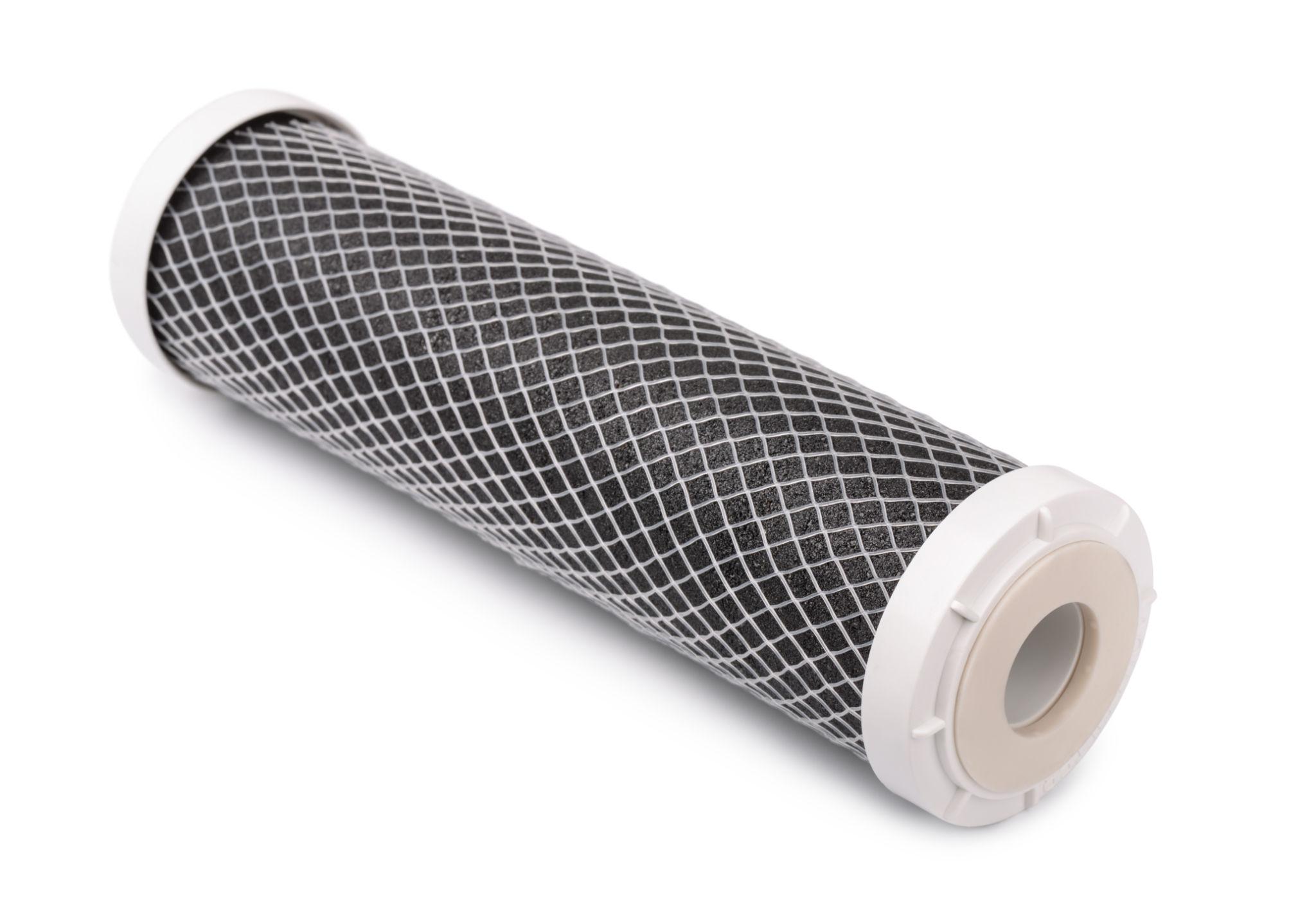
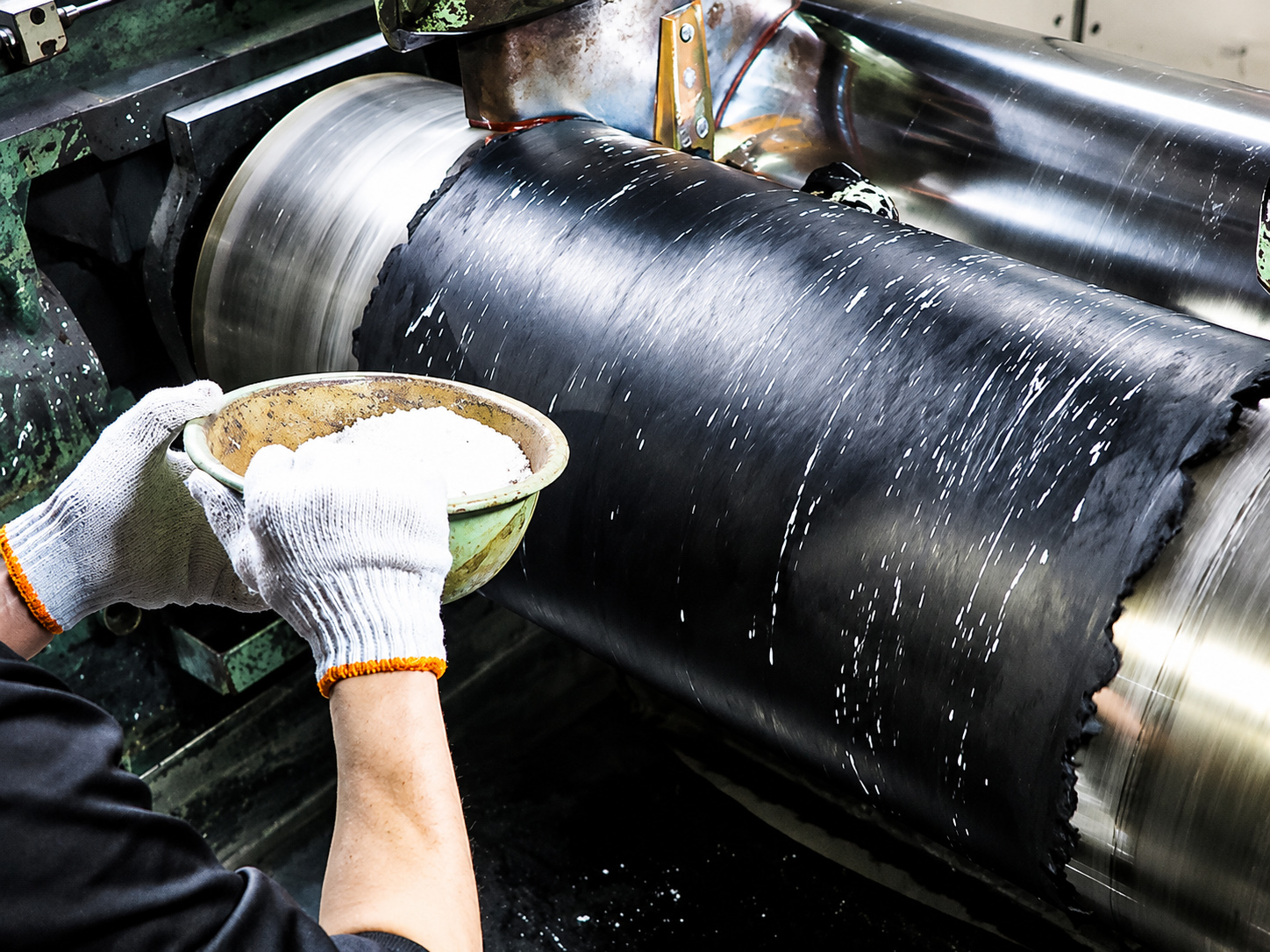
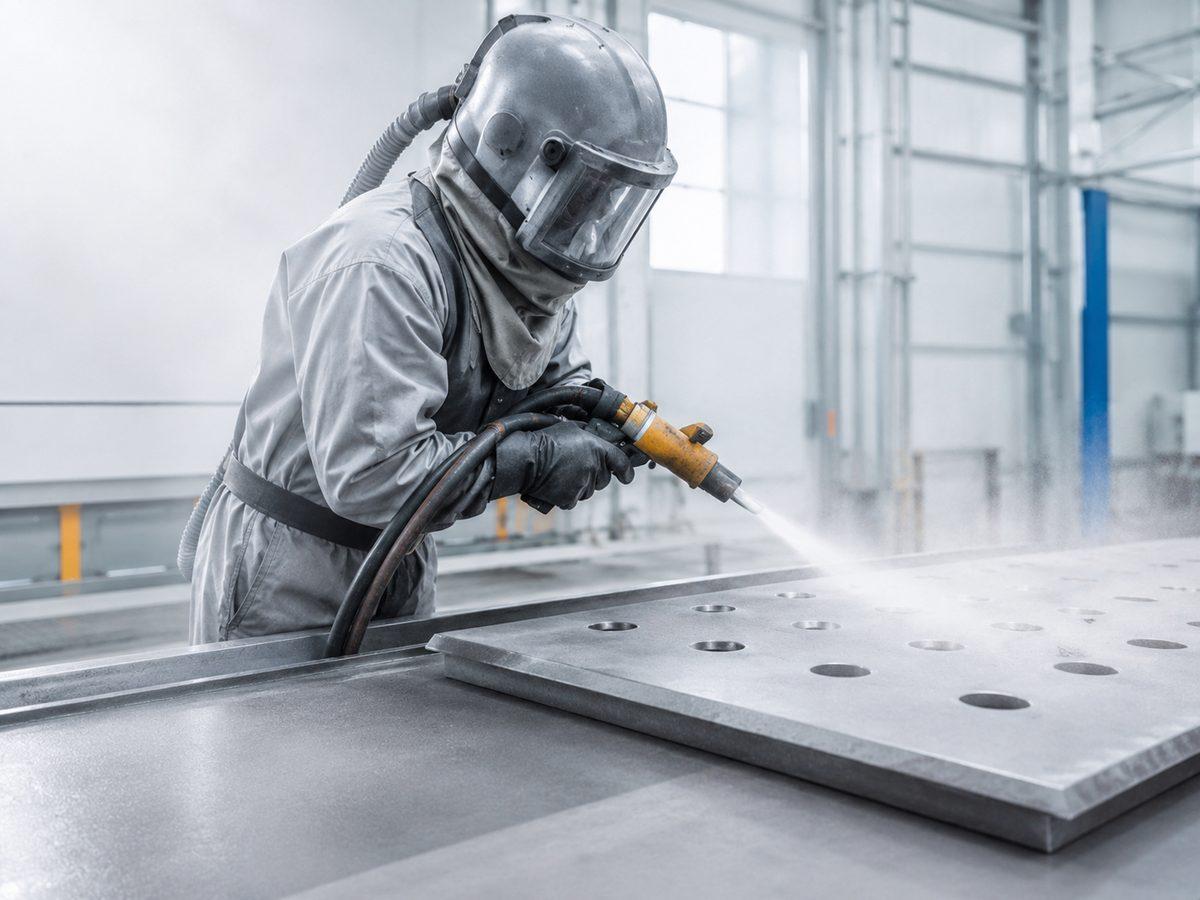
    Application Image Grid Placeholder

    FAQ

    • This is a paragraph

    • This is a paragraph

    • This is a paragraph

    • This is a paragraph

    • This is a paragraph

    • This is a paragraph

    • This is a paragraph

    • This is a paragraph

      This is a paragraph

    This is a paragraph

    This is a paragraph

    This is a paragraph
    This is a paragraph