Leave Your Message

China Negative Ion Powder - High-Quality Suppliers and Factory Direct from WANCHENG MINERAL for Functional Applications

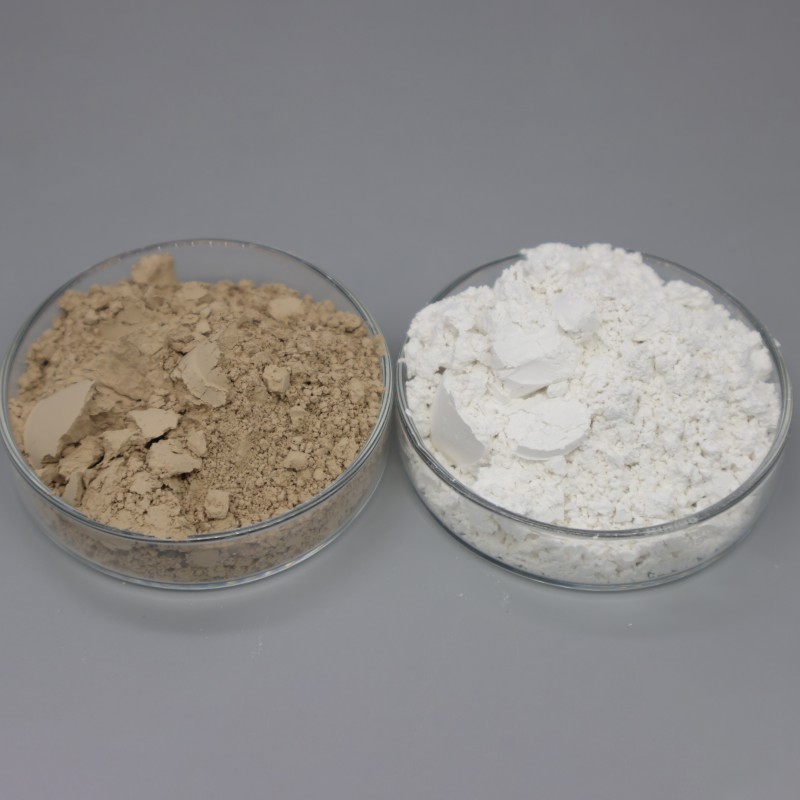
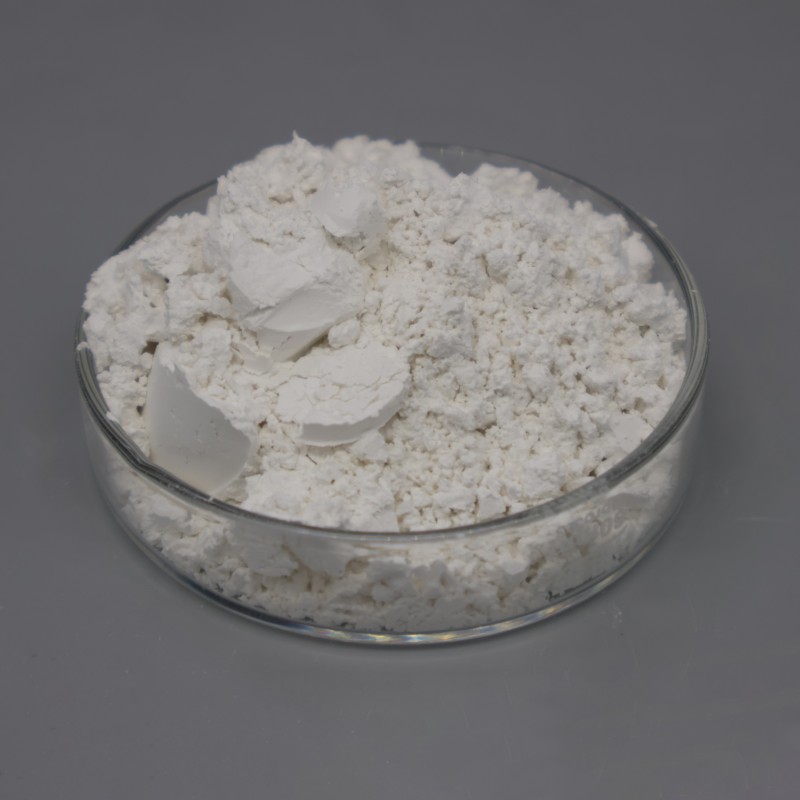
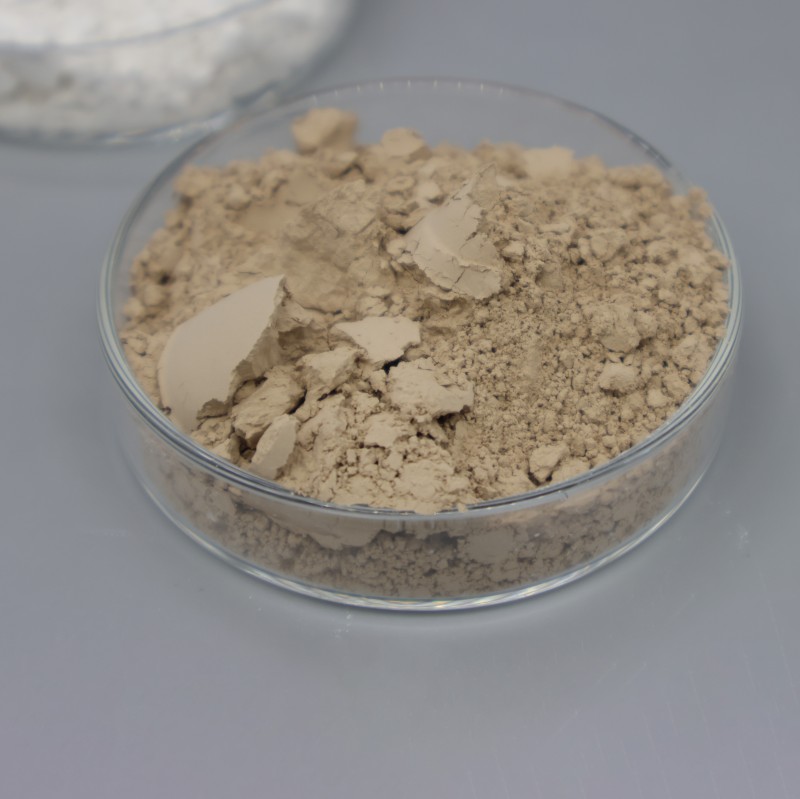
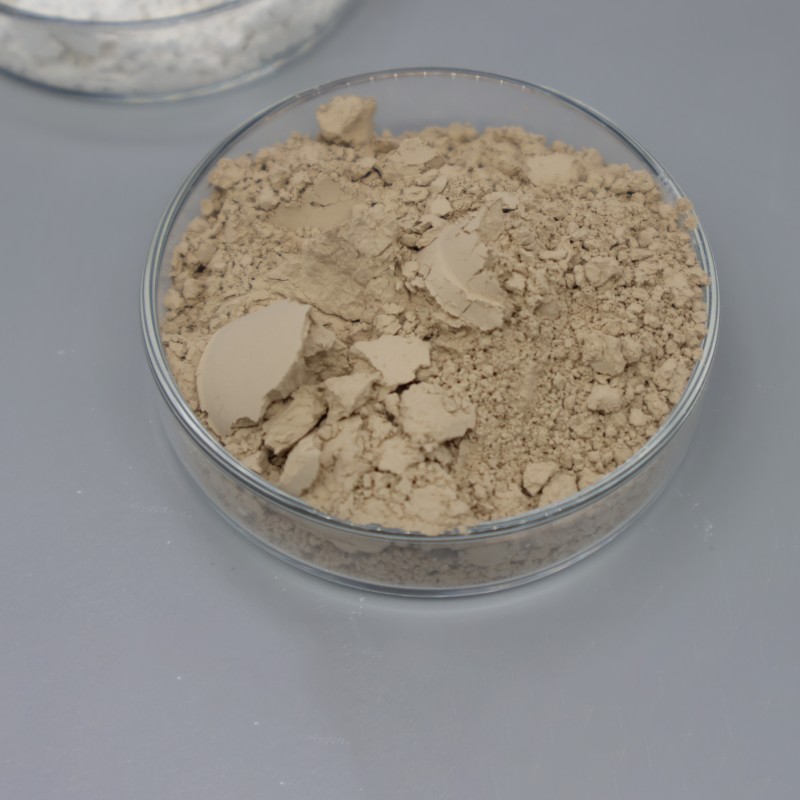
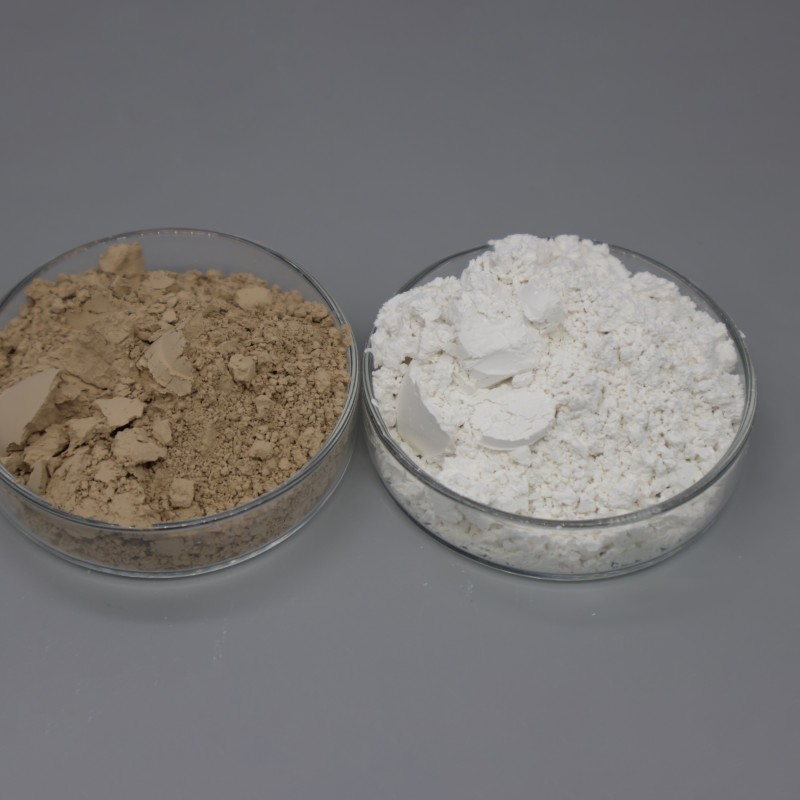
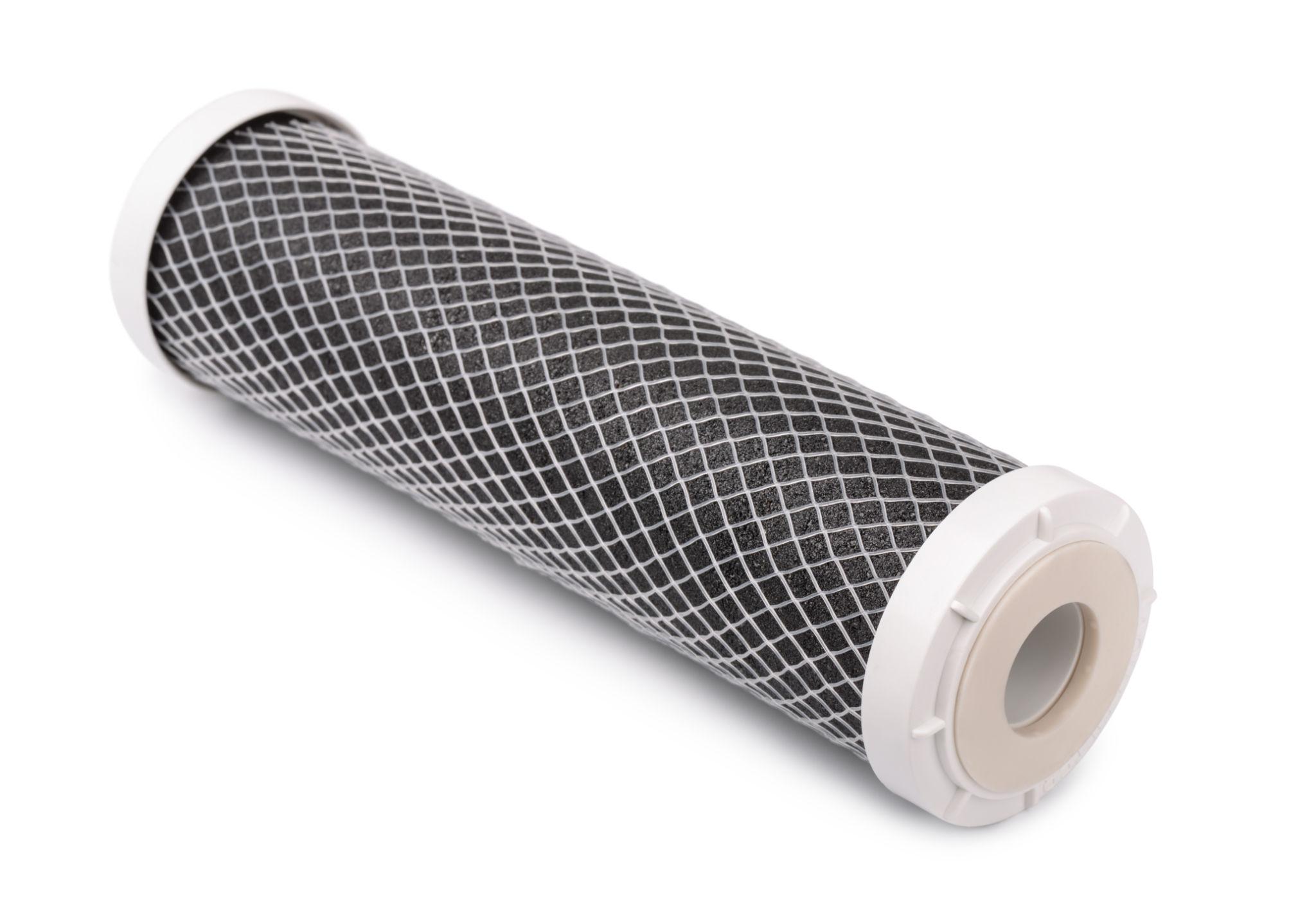
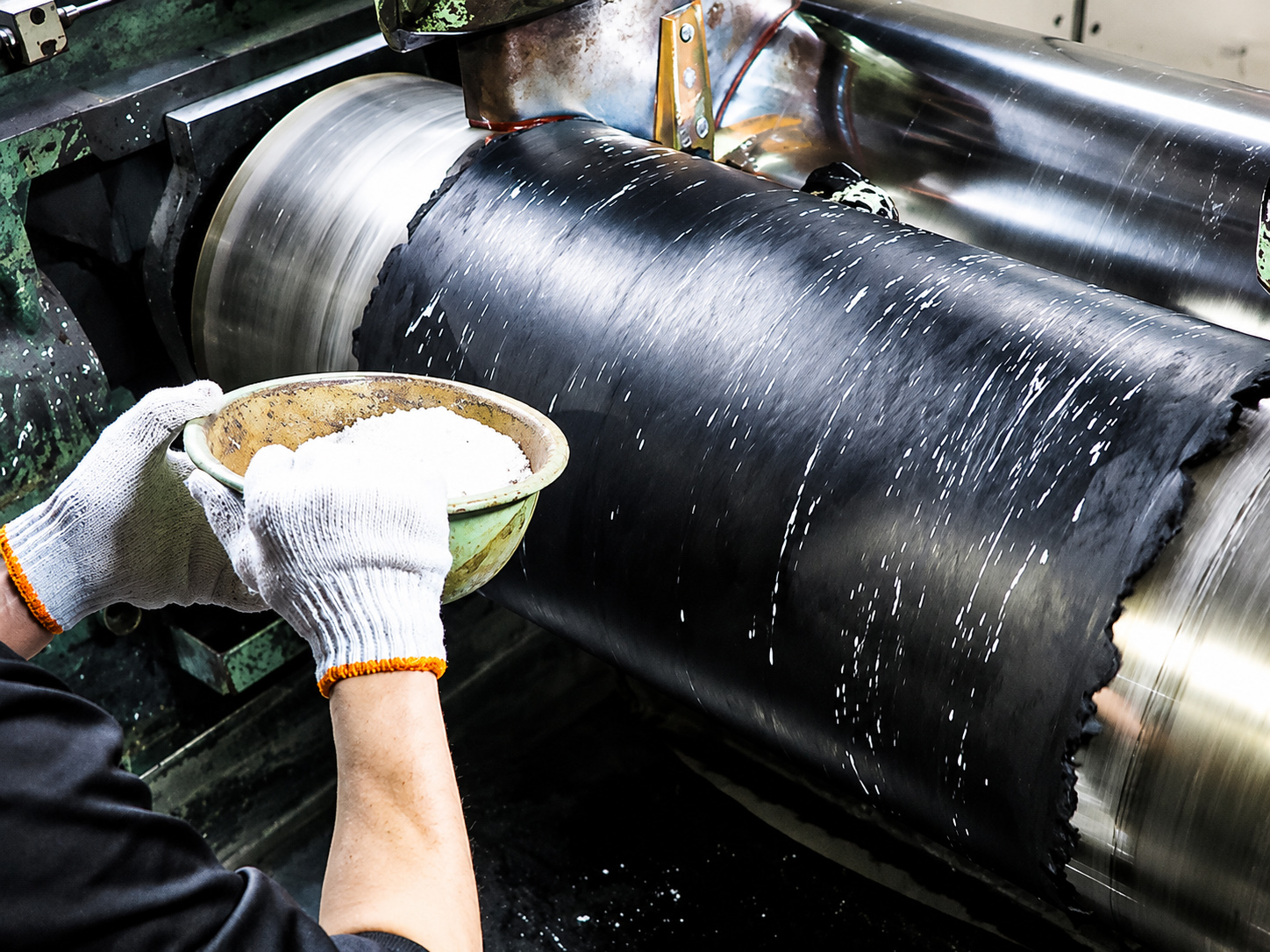
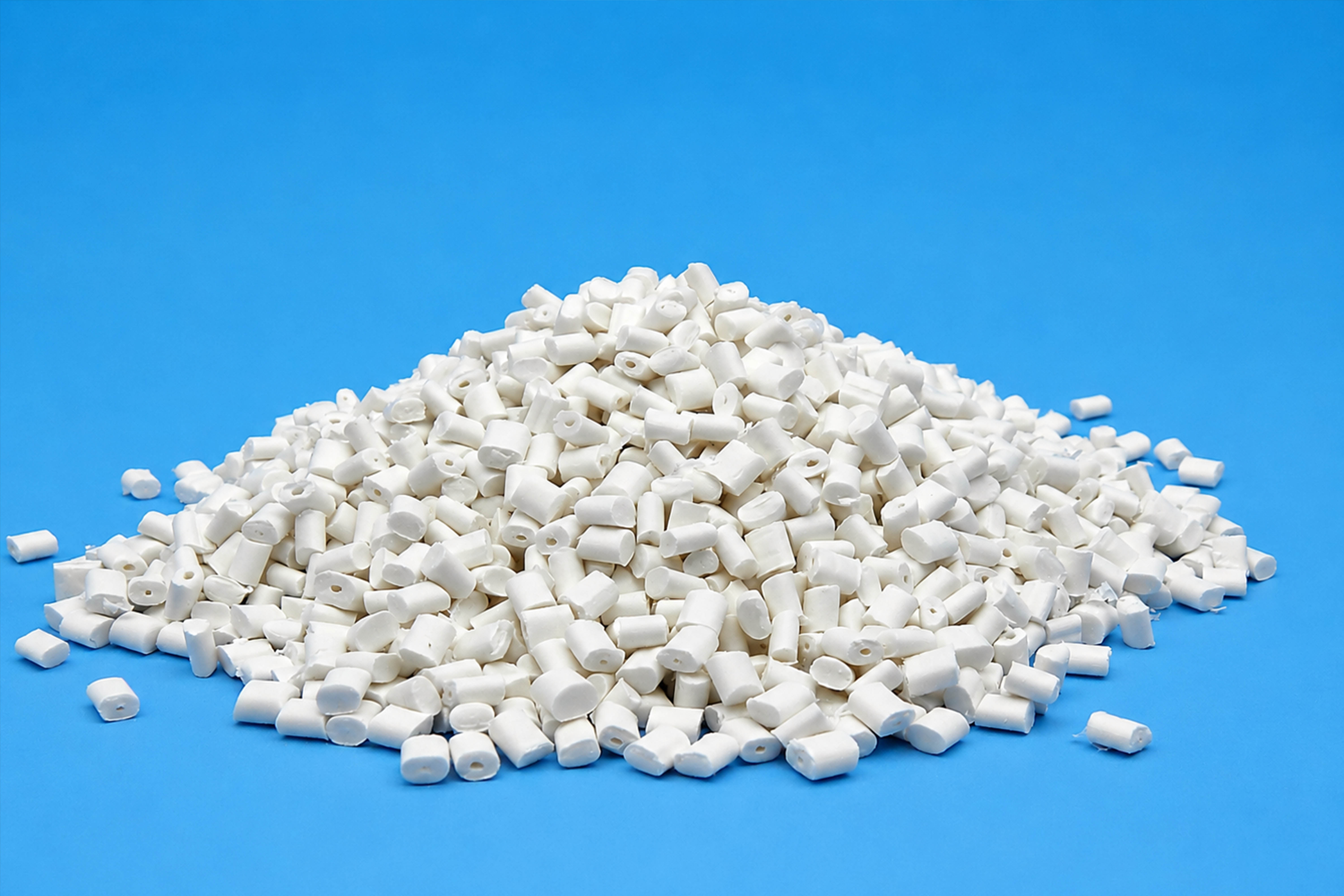
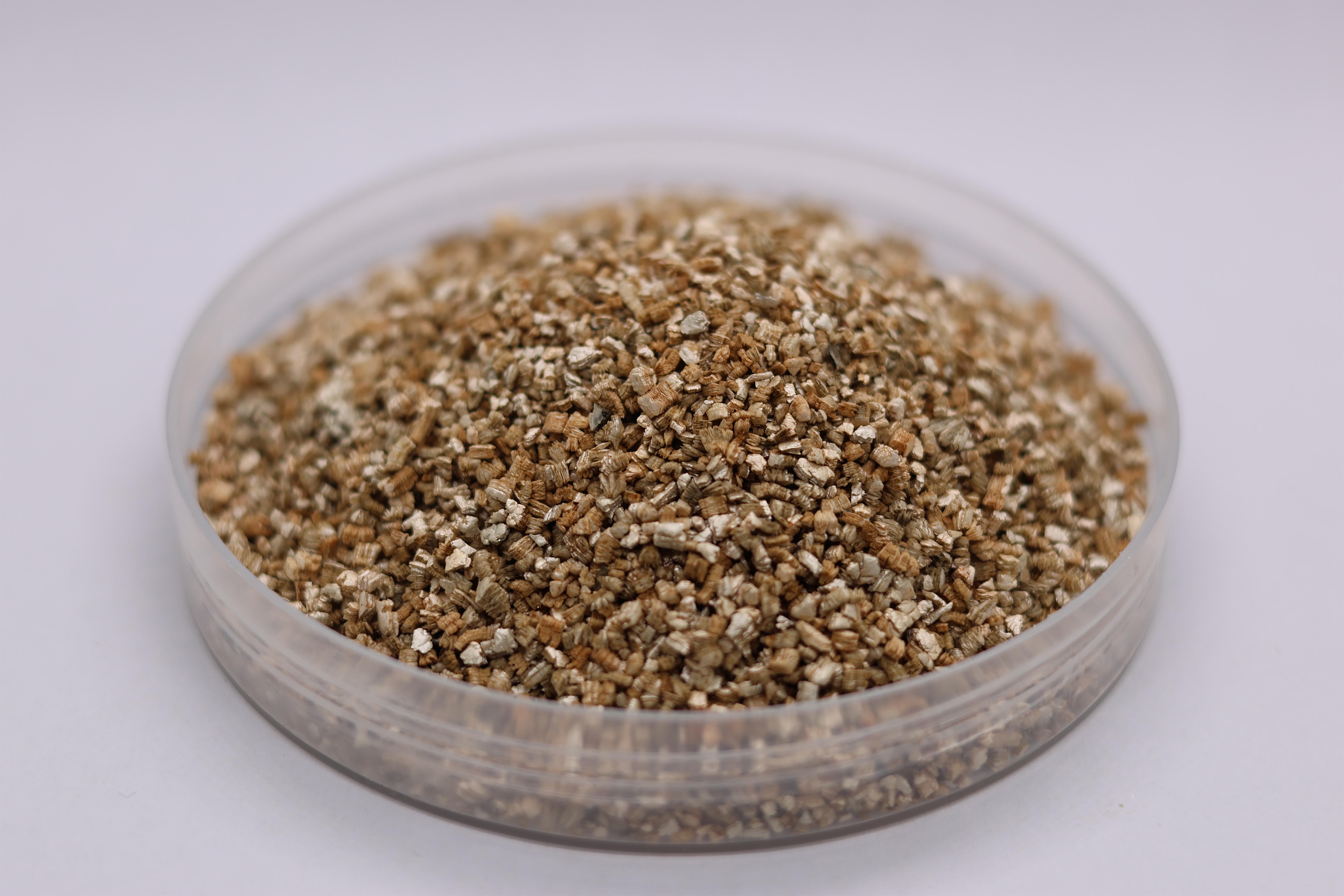
Negative ion powder is a high-performance functional mineral powder sourced from premium natural minerals, including tourmaline-based and ceramic minerals. Produced in our China factory, this advanced powder undergoes processes such as crushing, grinding, purification, and surface treatment to meet specific application needs. It serves as a versatile mineral additive ideal for coatings, plastics, ceramics, textiles, rubber, building materials, water treatment media, and other functional products.

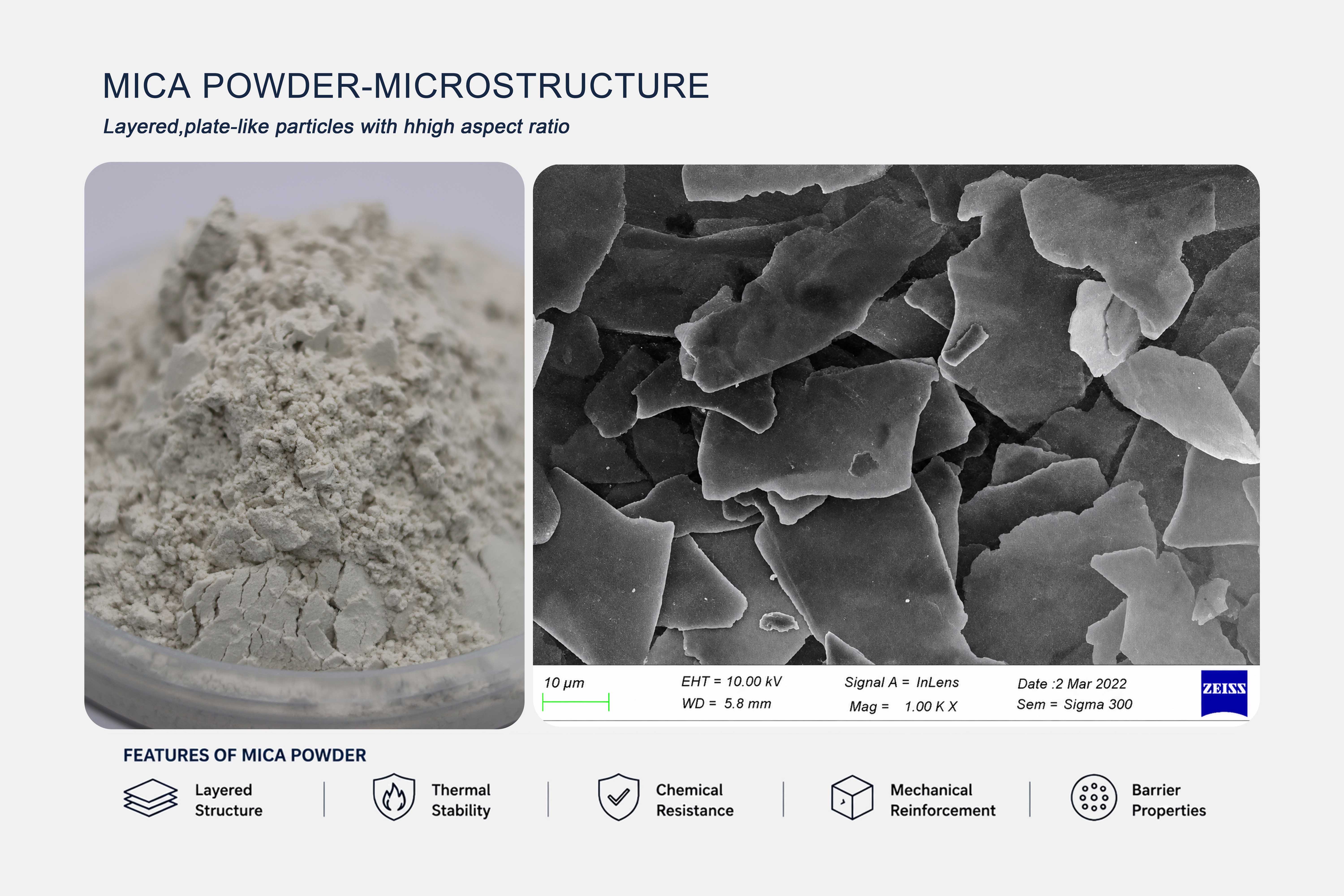
Unlike conventional mineral fillers, our negative ion powder is sought after for its unique functional mineral properties. It is specially formulated for use in products designed to deliver mineral functionality, far infrared reference performance, and negative ion reference performance. This enhances the product's appeal and market differentiation. Typically, it is combined with tourmaline powder, far infrared powder, ceramic powder, calcium carbonate, talc powder, mica powder, and various other industrial mineral fillers.

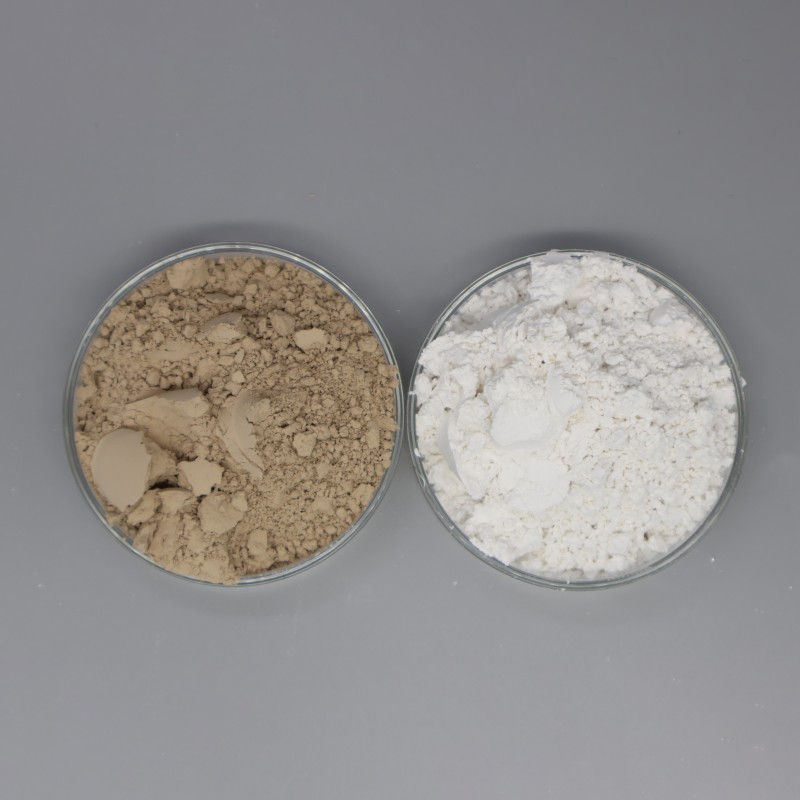
WANCHENG MINERAL, a leading China supplier, offers negative ion powder in various fineness levels, colors, and custom formulations tailored to your specific applications. Our product offerings include fine powder, ultra-fine powder, and specialized functional mineral powder blends. The particle size can be adjusted to suit different processing systems such as water-based coatings, solvent-based coatings, plastic masterbatch, ceramic glaze, textile finishing slurry, rubber compounds, and composite materials.

For international buyers, it is crucial to select negative ion powder based on intended end-use, required fineness, color specifications, formula compatibility, dosage levels, dispersion performance, packaging, and testing methods. As varying markets have different regulations regarding functional and wellness claims, WANCHENG MINERAL recommends customers conduct third-party performance testing and use compliant marketing language that meets local market standards.

As a professional mineral supplier, WANCHENG MINERAL is committed to maintaining high-quality standards in raw material selection, controlled grinding, particle size classification, batch inspection, clean packaging, and robust export support. Our aim is to assist customers in sourcing negative ion powder that combines consistent quality with practical industrial usability.

    This is a paragraph

    This is a paragraph

    This is a paragraph

    Chemical Component Typical Content Description
    SiO2 35% - 55% Main silicate component, varies by mineral formula
    Al2O3 15% - 35% Common aluminosilicate component
    B2O3 0% - 8% May be present in tourmaline-based grades
    Fe2O3 1% - 10% Affects color and mineral characteristics
    MgO 1% - 8% Depends on mineral source
    CaO 0.5% - 8% May come from ceramic or mineral components
    Na2O + K2O 0.5% - 5% Alkali components
    TiO2 Trace - 3% Controlled impurity or functional component
    Trace Elements Customized Depends on functional mineral formulation
    Frequently Asked Questions
    Q: What is the primary chemical component in this material?
    Silicon Dioxide (SiO2) is the main silicate component, typically comprising between 35% and 55% of the total formulation depending on the mineral formula.
    Q: What role does Al2O3 play in the formulation?
    Aluminum Oxide (Al2O3) functions as a key aluminosilicate component, representing approximately 15% to 35% of the chemical structure.
    Q: Why is B2O3 present only in certain grades?
    Boron Trioxide (B2O3) content ranges from 0% to 8% and is specifically present in formulations that incorporate tourmaline-based mineral grades.
    Q: How does Fe2O3 content influence the material?
    Iron Oxide (Fe2O3), present between 1% and 10%, directly influences the optical color profile and distinct mineralogical characteristics of the finished product.
    Q: What are the alkali components in this composition?
    The alkali fraction consists of Sodium Oxide and Potassium Oxide (Na2O + K2O), typically accounting for 0.5% to 5% of the total composition.
    Q: Can the trace elements be customized for specific applications?
    Yes, trace element levels are fully customizable and can be tailored to meet specific requirements depending on the intended functional mineral formulation.

    This is a paragraph

    This is a paragraph

    This is a paragraph

    This is a paragraph

    This is a paragraph

    This is a paragraph

    This is a paragraph

    This is a paragraph

    This is a paragraph

    This is a paragraph

    This is a paragraph

    This is a paragraph

    This is a paragraph

    This is a paragraph

    This is a paragraph

    Application Image Grid Placeholder

    FAQ

    • This is a paragraph

    • This is a paragraph

    • This is a paragraph

    • This is a paragraph

    • This is a paragraph

    • This is a paragraph

    • This is a paragraph

    • This is a paragraph

      This is a paragraph

    This is a paragraph

    This is a paragraph

    This is a paragraph
    This is a paragraph