
Leave Your Message

China Tourmaline Balls - Functional Mineral Ceramic Balls Supplier & Factory for Water Treatment Applications

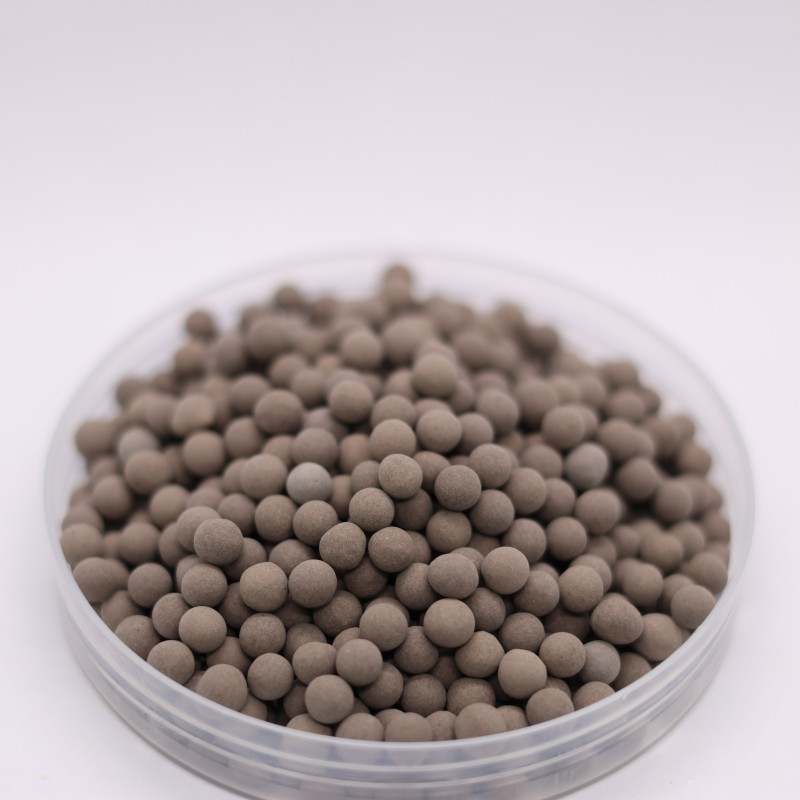
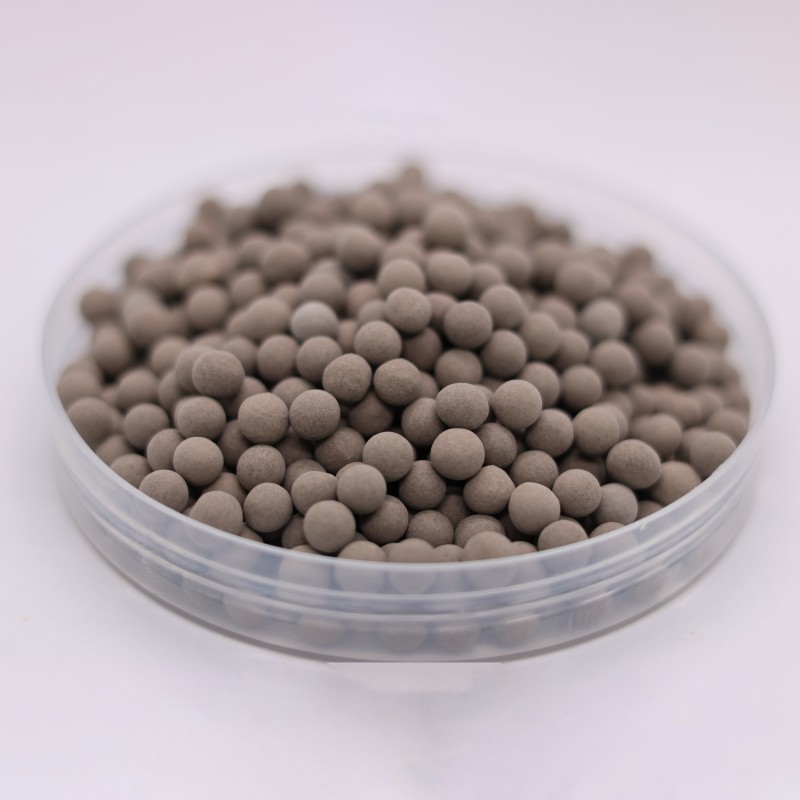
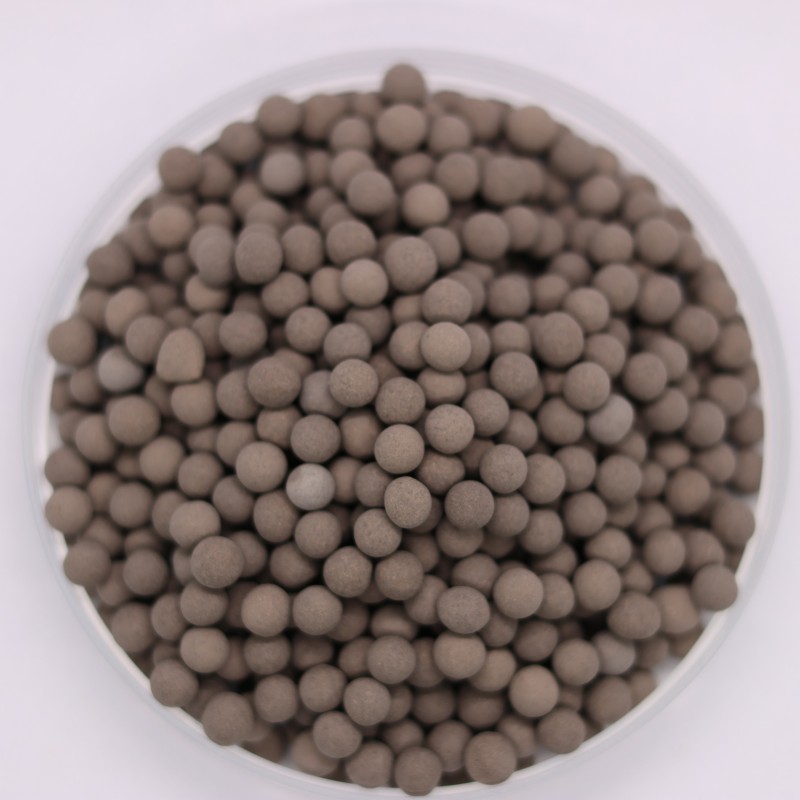
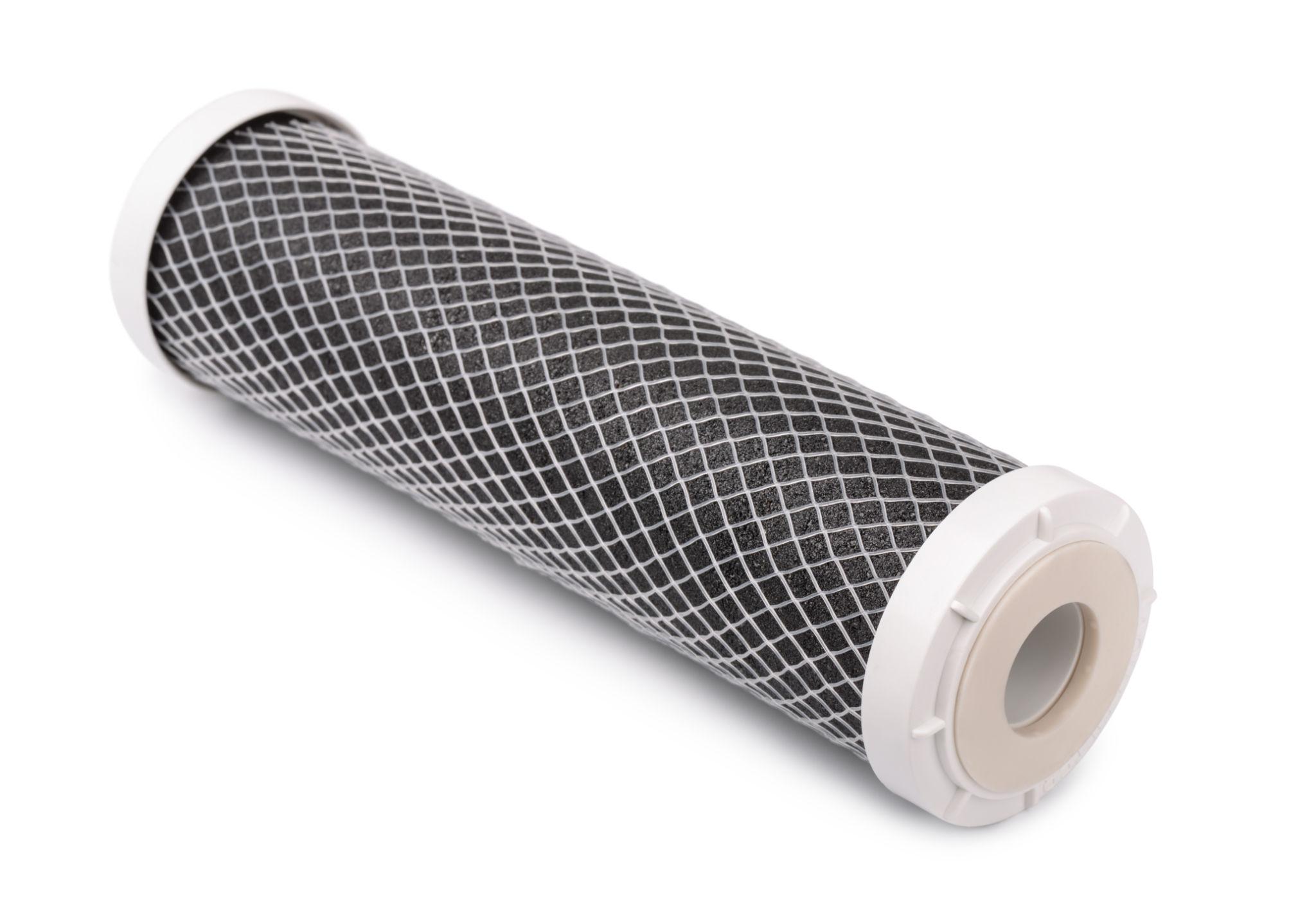
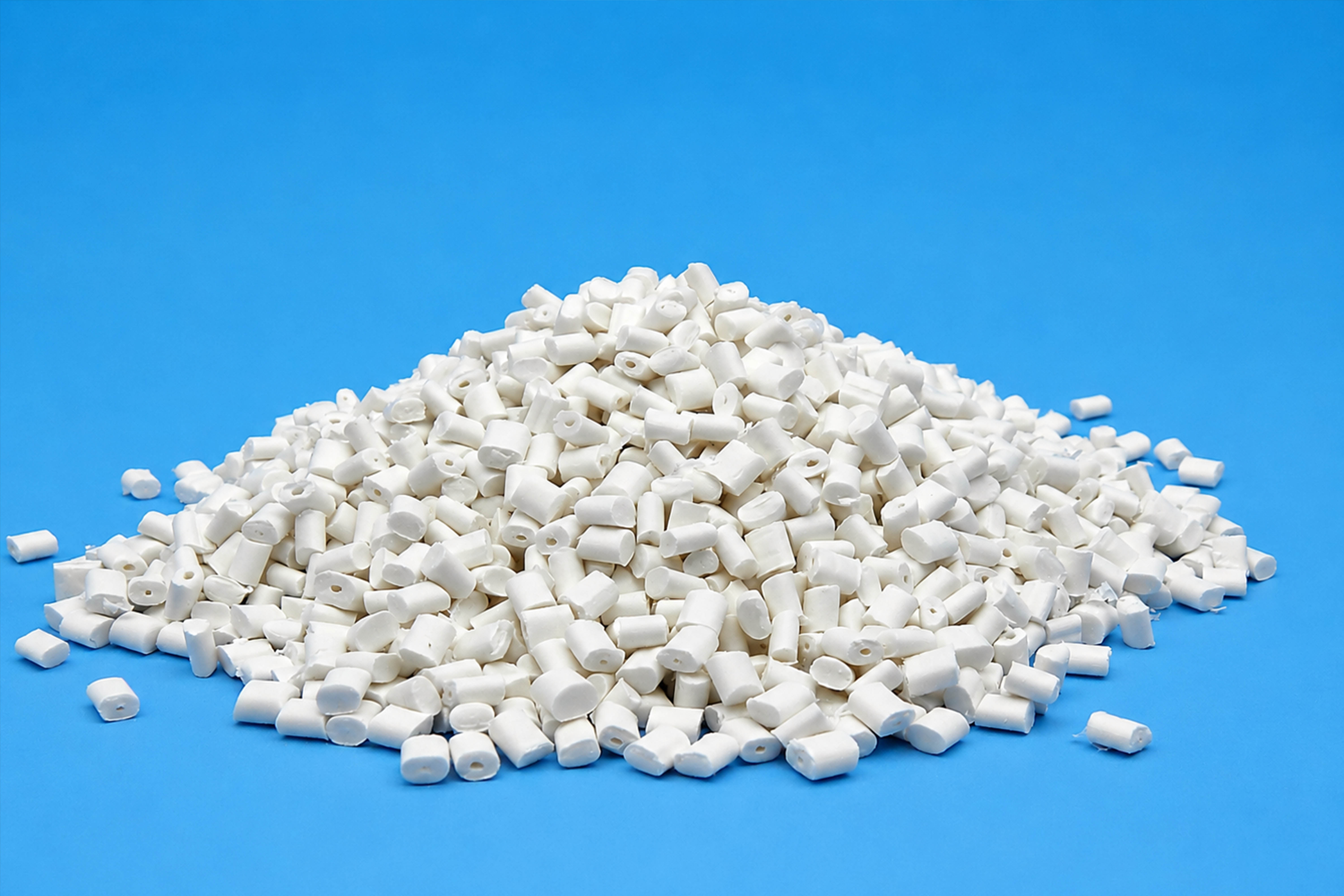
WANCHENG MINERAL, a leading factory in China, specializes in the production of high-quality tourmaline balls. These functional mineral ceramic balls are created by blending carefully selected tourmaline mineral powder with ceramic binders and other minerals through a meticulous process of mixing, granulation, molding, drying, and high-temperature sintering. The result is a robust spherical product with excellent mechanical strength and superior water contact performance, making it ideal for use in filtration cartridges, water treatment systems, and various industrial applications.

Our tourmaline balls are derived from a complex borosilicate mineral group that contains essential elements like silicon, aluminum, boron, iron, magnesium, sodium, potassium, calcium, and lithium, ensuring their rich functionality. Thanks to their unique mineral structure, tourmaline is widely valued in diverse applications such as water treatment media, far infrared materials, negative ion generators, and household products. By transforming fine tourmaline powder into a more durable granular form, our balls are tailored for efficient usage within water flow systems and packed media solutions.

As prominent suppliers in the industry, WANCHENG MINERAL offers tourmaline balls in various diameters, colors, and formulations to meet specific customer requirements. These versatile products can be utilized alone or in conjunction with other mineral ceramic balls, including far infrared ceramic balls, negative ion balls, alkaline ceramic balls, maifan stone balls, antibacterial ceramic balls, and activated carbon products. Perfect for manufacturers of filter cartridges, shower filters, water pitchers, mineral water systems, aquaculture media, and wellness product accessories, our tourmaline balls present a convenient choice for functional mineral materials.

It's essential to recognize that tourmaline balls are industrial-grade functional mineral materials. Their performance should be assessed based on individual applications, water conditions, contact duration, dosage, equipment design, and testing methodologies. As an experienced factory in China, WANCHENG MINERAL is committed to providing samples for customer testing and is open to discussing customized formulas tailored to specific applications.

    This is a paragraph

    This is a paragraph

    This is a paragraph

    Chemical Composition Specifications
    Chemical Component Typical Content Description
    SiO2 35% - 45% Main silicate component
    Al2O3 25% - 35% Main alumina component
    B2O3 5% - 10% Typical tourmaline component
    Fe2O3 2% - 8% Varies by tourmaline type
    MgO 2% - 8% Varies by formula
    Na2O + K2O 1% - 5% Alkali components
    CaO 1% - 6% May come from ceramic binder
    Other Minerals Customized Depends on ceramic formula
    Frequently Asked Questions
    What is the primary role of SiO2 and Al2O3 in the ceramic composition?
    SiO2 (35% - 45%) and Al2O3 (25% - 35%) serve as the core silicate and alumina matrix. They provide essential structural integrity, high mechanical strength, and exceptional thermal resistance to the ceramic body.
    Why is B2O3 an essential component in this formula?
    B2O3 (5% - 10%) is a characteristic mineral marker of tourmaline. It is vital for activating the inherent pyroelectric and piezoelectric properties responsible for negative ion emission and far-infrared radiation.
    What causes the variation in Fe2O3 and MgO content?
    Fe2O3 (2% - 8%) and MgO (2% - 8%) levels depend on the natural grade of raw tourmaline (such as schorl or dravite) and can be adjusted according to specific application demands.
    What function do CaO and alkali components (Na2O + K2O) perform?
    CaO (1% - 6%) and Na2O + K2O (1% - 5%) mainly originate from ceramic binders and flux agents. They help reduce the sintering temperature and improve the overall density and durability of the finished product.
    Can the "Other Minerals" composition be customized?
    Yes, additional mineral additives can be tailored based on exact performance requirements, such as enhanced water activation, specialized pH adjustment, or targeted catalytic effects.

    This is a paragraph

    This is a paragraph

    This is a paragraph

    This is a paragraph

    This is a paragraph

    This is a paragraph

    This is a paragraph

    This is a paragraph

    This is a paragraph

    This is a paragraph

    This is a paragraph

    This is a paragraph

    This is a paragraph

    This is a paragraph

    This is a paragraph

    Application Image Grid Placeholder

    FAQ

    • This is a paragraph

    • This is a paragraph

    • This is a paragraph

    • This is a paragraph

    • This is a paragraph

    • This is a paragraph

    • This is a paragraph

    • This is a paragraph

      This is a paragraph

    This is a paragraph

    This is a paragraph

    This is a paragraph
    This is a paragraph