Leave Your Message

China Tourmaline Lumps Suppliers - High-Quality Factory Direct Mineral Stones for Various Applications

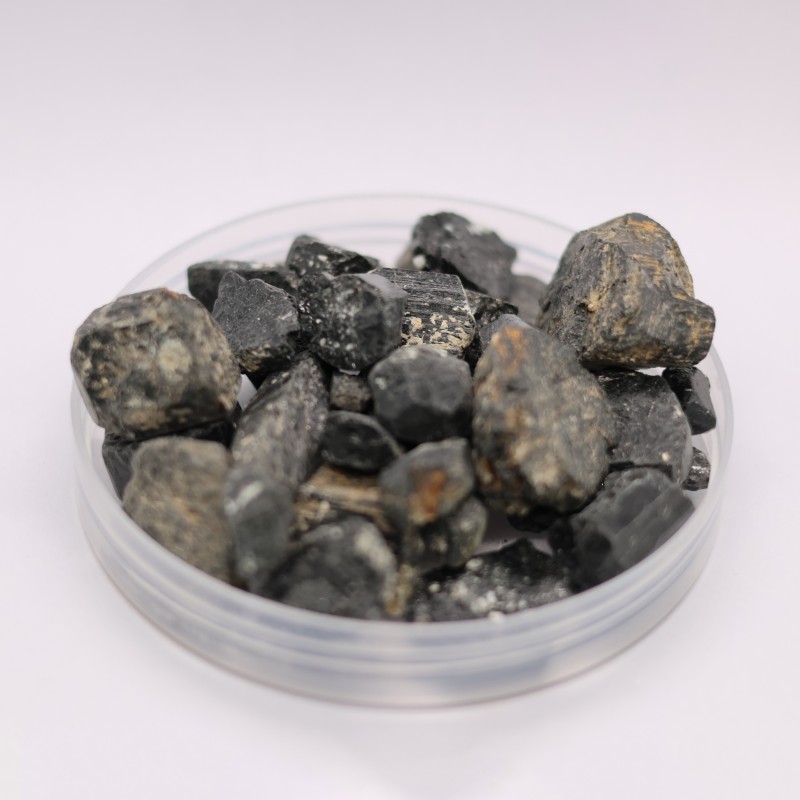
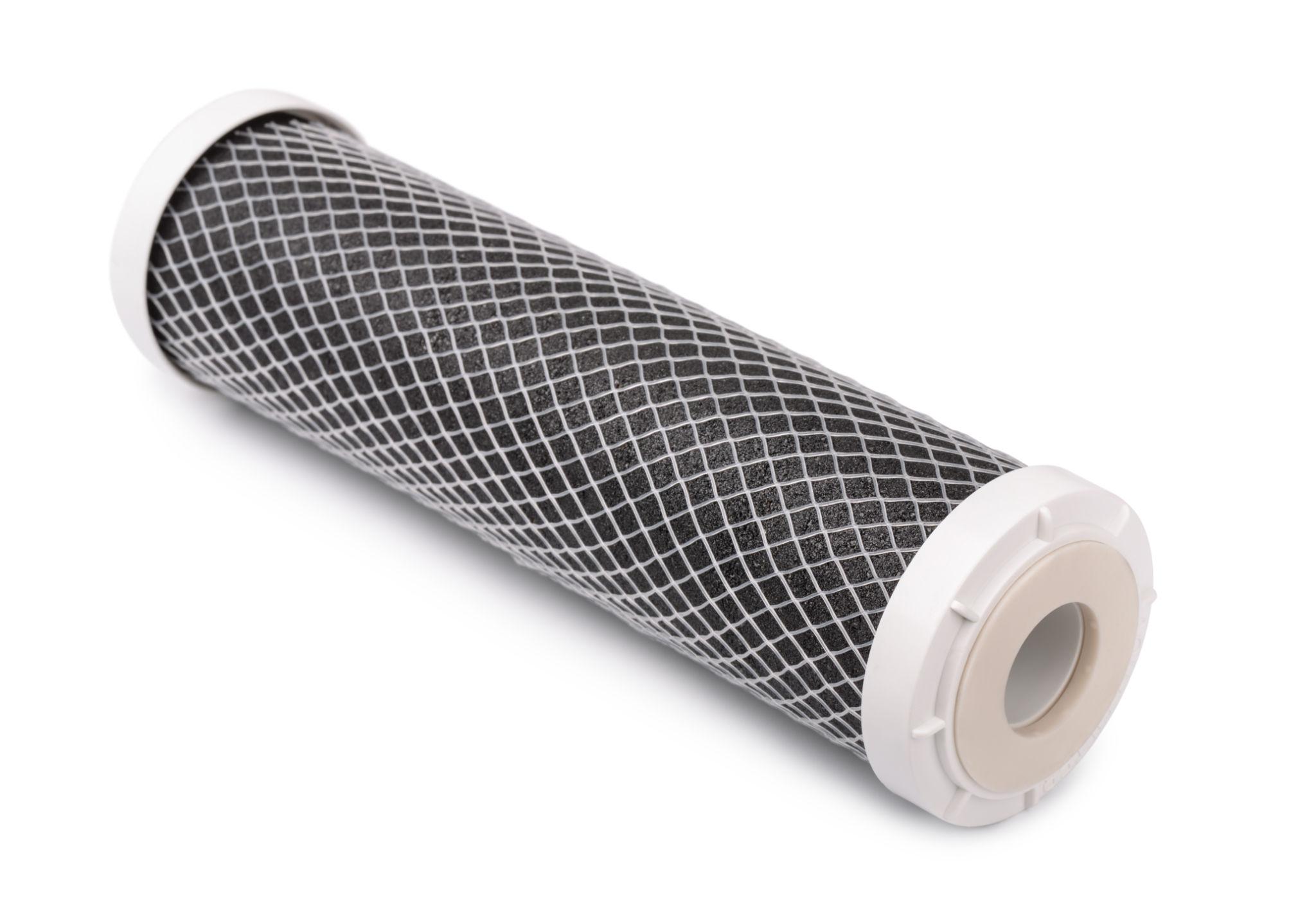
Discover premium tourmaline lumps sourced directly from the heart of China, expertly processed by leading suppliers to meet diverse industrial, decorative, and functional needs. Tourmaline, a complex crystalline borosilicate mineral, is known for its unique properties and often contains elements such as silicon, aluminum, boron, iron, magnesium, sodium, potassium, calcium, and lithium, depending on its geological origin. Thanks to its distinctive mineral structure, natural tourmaline serves as an essential raw material in applications including water treatment media, mineral powder processing, coatings, textiles, and wellness products.

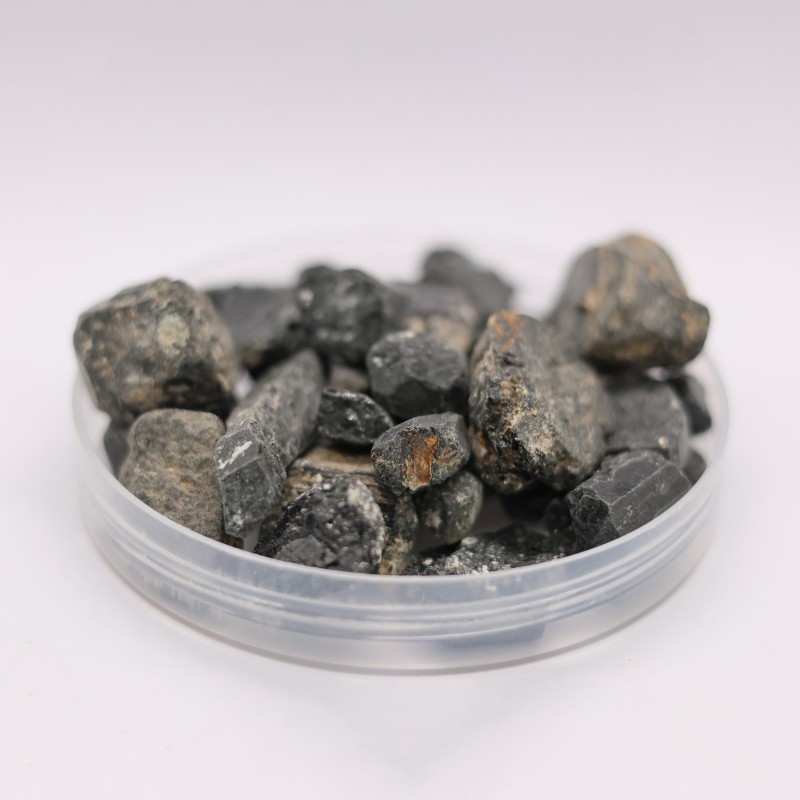
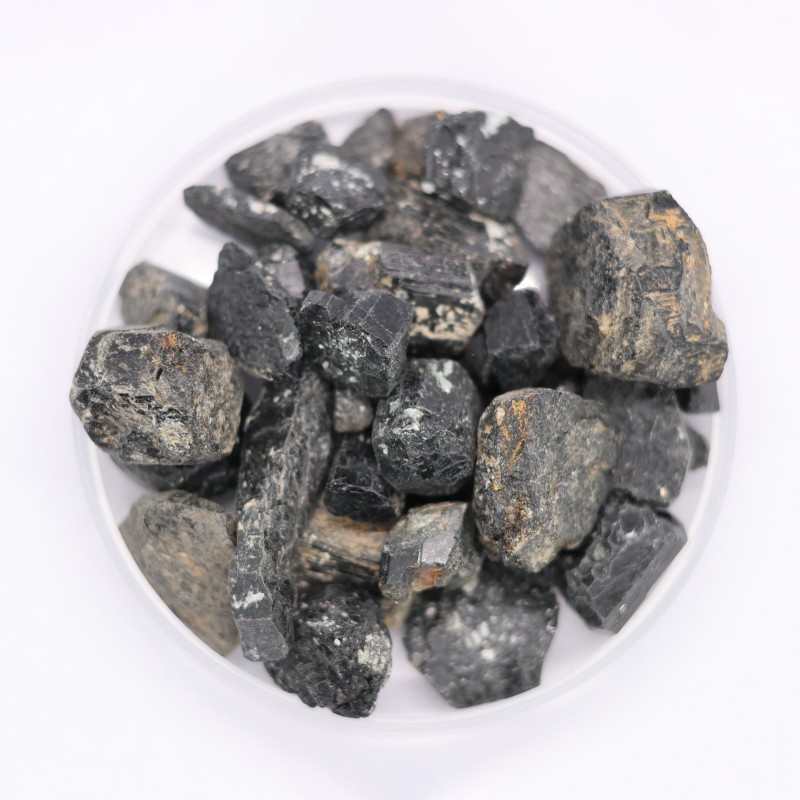
Unlike tourmaline powder, our tourmaline lumps maintain a larger particle structure, making them convenient to handle, store, wash, pack, and utilize in various systems. These versatile lumps can be easily crushed into finer granules, ground into powder, or used directly as mineral stones in filter bags, aquaculture systems, garden decorations, and wellness accessory products. For businesses manufacturing tourmaline powder or ceramic balls, our selected tourmaline lumps are an invaluable upstream raw material.

At WANCHENG MINERAL, a leading factory in China, we supply tourmaline lumps in a variety of colors, sizes, and grades tailored to customer specifications. Common offerings include black tourmaline lumps, dark gray tourmaline stones, mixed-color pieces, and custom-graded mineral lumps. Available sizes range from 1-3 cm, 3-5 cm, 5-10 cm, or custom crushed pieces, depending on your unique application requirements. The final grade is determined based on factors such as purity, color, particle size, appearance, mineral content, and intended use.

For international buyers, consistency in raw material quality is paramount. Variations in mineral source, color, impurity levels, moisture content, and particle size can significantly impact downstream processing and market positioning. At WANCHENG MINERAL, we emphasize sourcing selected raw materials, implementing controlled grading processes, providing clean packaging, facilitating export documentation support, and ensuring a reliable supply chain for global distributors of minerals, water treatment media producers, ceramic ball manufacturers, and functional material producers.

    This is a paragraph

    This is a paragraph

    This is a paragraph

    Chemical Component Typical Content Description
    SiO2 30% - 45% Main silicate component
    Al2O3 25% - 38% Main alumina component
    B2O3 7% - 11% Typical tourmaline component
    Fe2O3 3% - 15% Varies by color and type
    MgO 1% - 10% Varies by mineral source
    Na2O + K2O 1% - 5% Alkali components
    CaO 0.5% - 4% Minor component
    Li2O Trace to variable Depends on tourmaline type
    TiO2 Trace Controlled impurity
    Frequently Asked Questions

    Q What are the primary chemical components of tourmaline?

    Silicon dioxide (SiO2) and aluminum oxide (Al2O3) constitute the bulk of the composition, together representing approximately 55% to 83% of the total mineral weight.

    Q Why is Boron (B2O3) an essential component in tourmaline?

    Boron oxide (B2O3), typically present between 7% and 11%, is a defining structural component of the cyclosilicate group that gives tourmaline its distinctive crystalline characteristics.

    Q What causes the broad variation of iron oxide (Fe2O3) content?

    Iron oxide levels vary significantly (3% - 15%) depending on the specific mineral color and type, with iron-rich varieties (such as schorl) displaying higher concentrations and darker tones.

    Q What role do alkali components like Na2O and K2O play?

    Sodium and potassium oxides (Na2O + K2O) typically make up 1% to 5% of the formulation, occupying critical alkali positions within the tourmaline crystal lattice structure.

    Q How do trace elements like Lithium (Li2O) and Titanium (TiO2) impact quality?

    Lithium is characteristic of specific species (such as elbaite), while titanium oxide is maintained at controlled trace levels to ensure optimal purity and structural stability.

    This is a paragraph

    This is a paragraph

    This is a paragraph

    This is a paragraph

    This is a paragraph

    This is a paragraph

    This is a paragraph

    This is a paragraph

    This is a paragraph

    This is a paragraph

    This is a paragraph

    This is a paragraph

    This is a paragraph

    This is a paragraph

    This is a paragraph

    Application Image Grid Placeholder

    FAQ

    • This is a paragraph

    • This is a paragraph

    • This is a paragraph

    • This is a paragraph

    • This is a paragraph

    • This is a paragraph

    • This is a paragraph

    • This is a paragraph

      This is a paragraph

    This is a paragraph

    This is a paragraph

    This is a paragraph
    This is a paragraph