Leave Your Message

China Tourmaline Powder Suppliers - High-Quality Factory Produced Mineral Powder for Various Applications

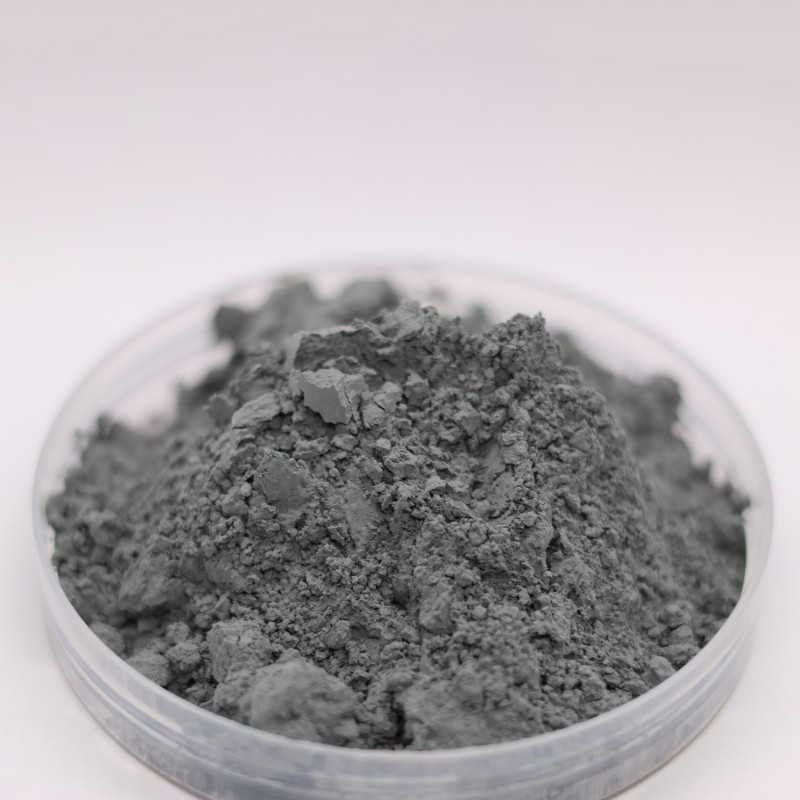
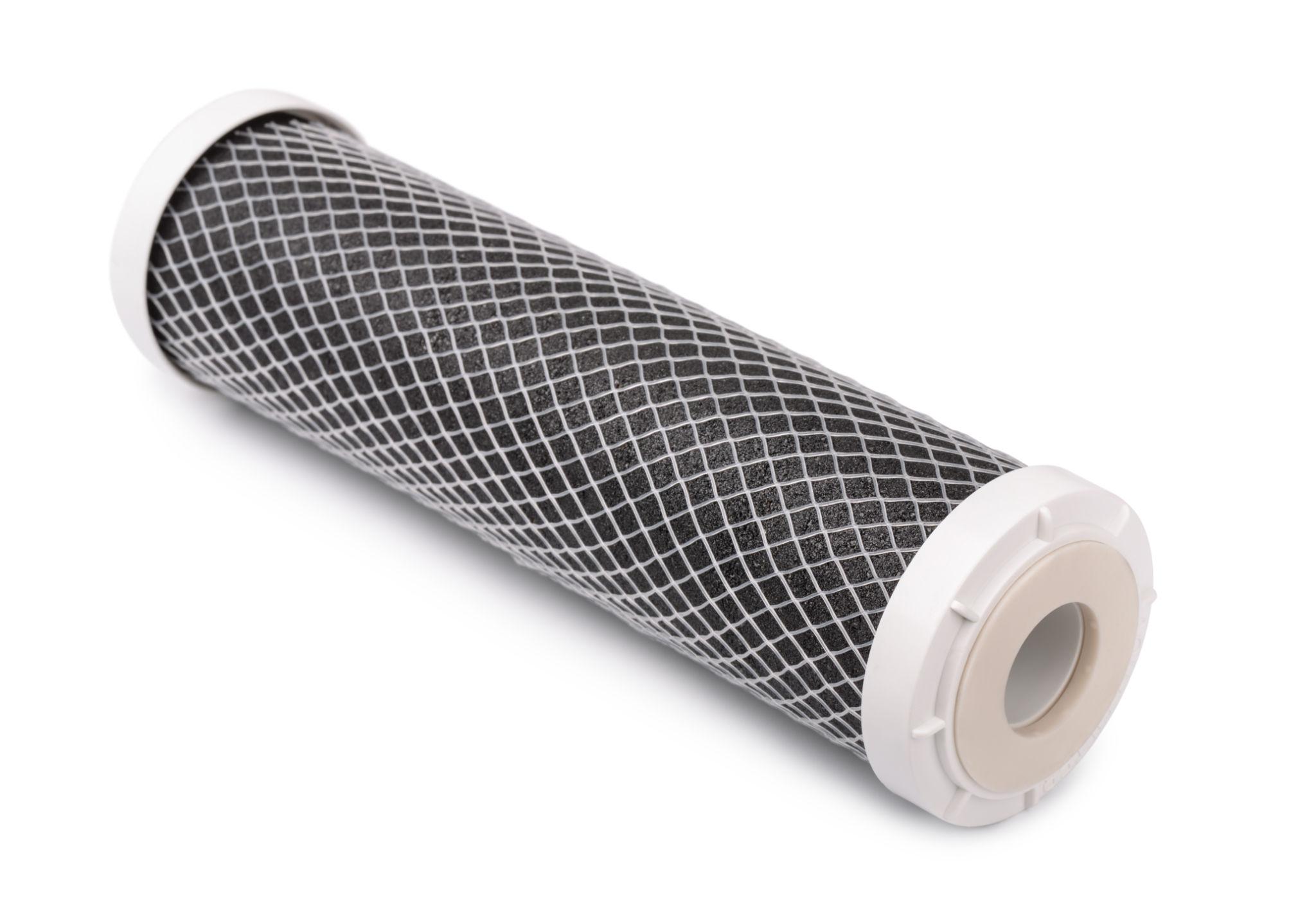
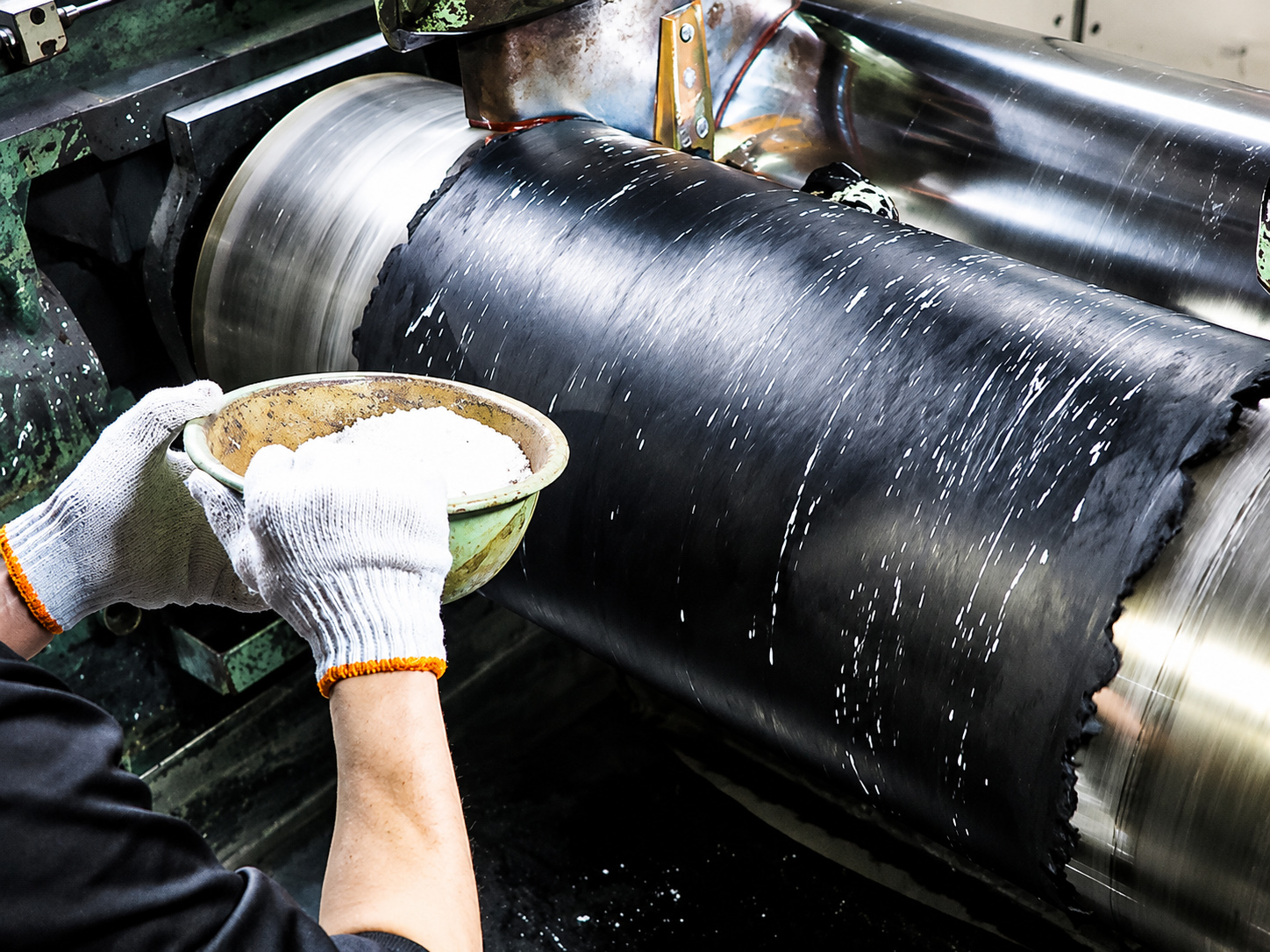
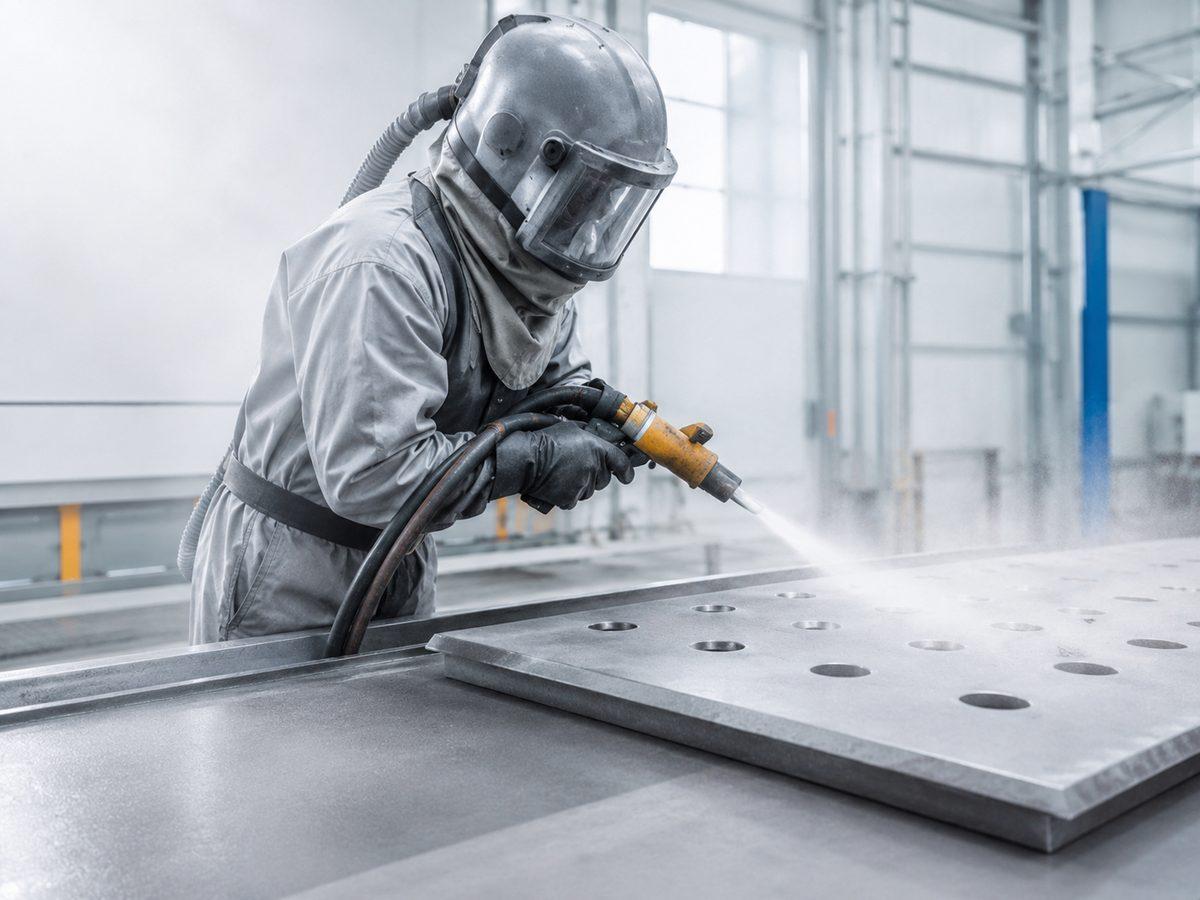
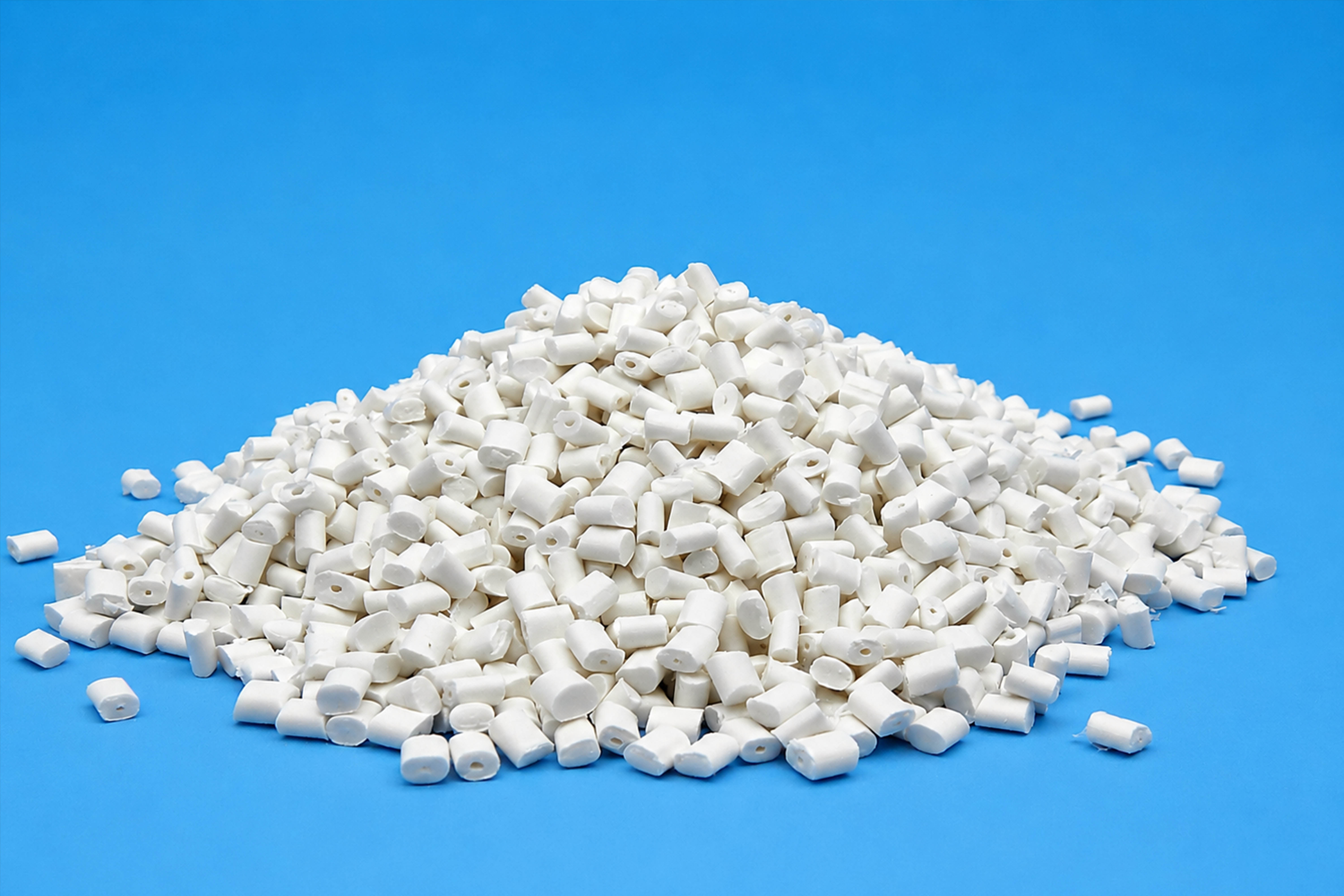
Tourmaline powder is a premium functional mineral powder derived from carefully selected tourmaline ore through a meticulous process involving cleaning, crushing, grinding, classification, and quality inspection. This complex borosilicate mineral group consists of various elements such as silicon, aluminum, boron, iron, magnesium, sodium, calcium, potassium, lithium, and additional trace elements, depending on the specific ore type. Due to its unique mineral structure, tourmaline powder is extensively utilized across diverse industries, including functional materials, water treatment, ceramics, coatings, plastics, textiles, personal care products, and industrial mineral applications.

What sets tourmaline powder apart from conventional mineral fillers is its dual functionality as both a mineral filler and a specialized functional material. It serves as a key ingredient in producing negative ion powders, far infrared powders, tourmaline ceramic balls, functional masterbatches, mineral coatings, water treatment solutions, cosmetic powders, textile finishing agents, and composite materials. Different sectors have unique requirements regarding fineness, purity, color, and functional testing standards, making it essential to select the appropriate grade to ensure consistent performance downstream.

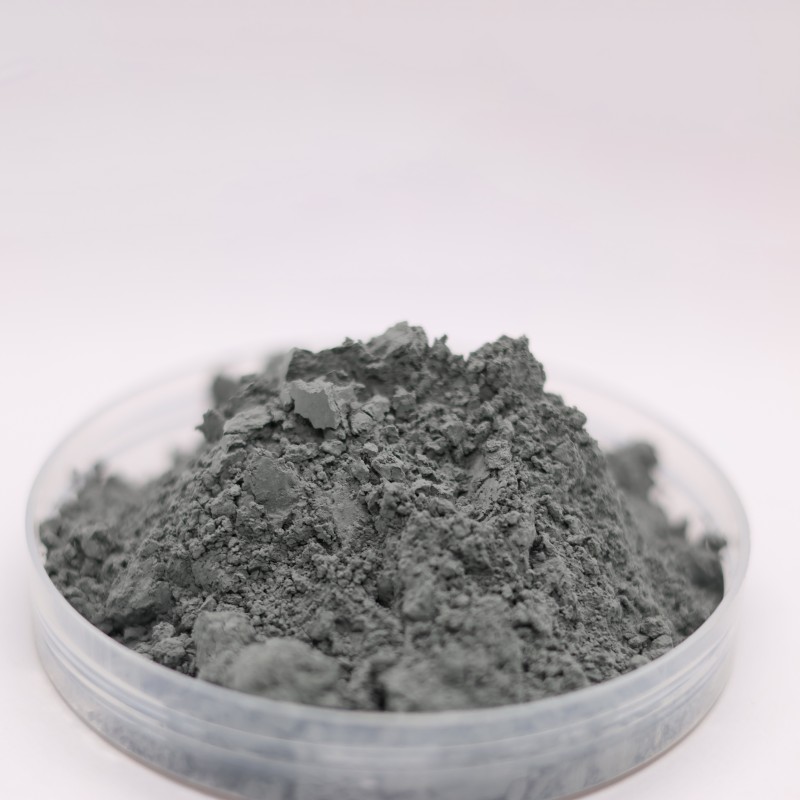
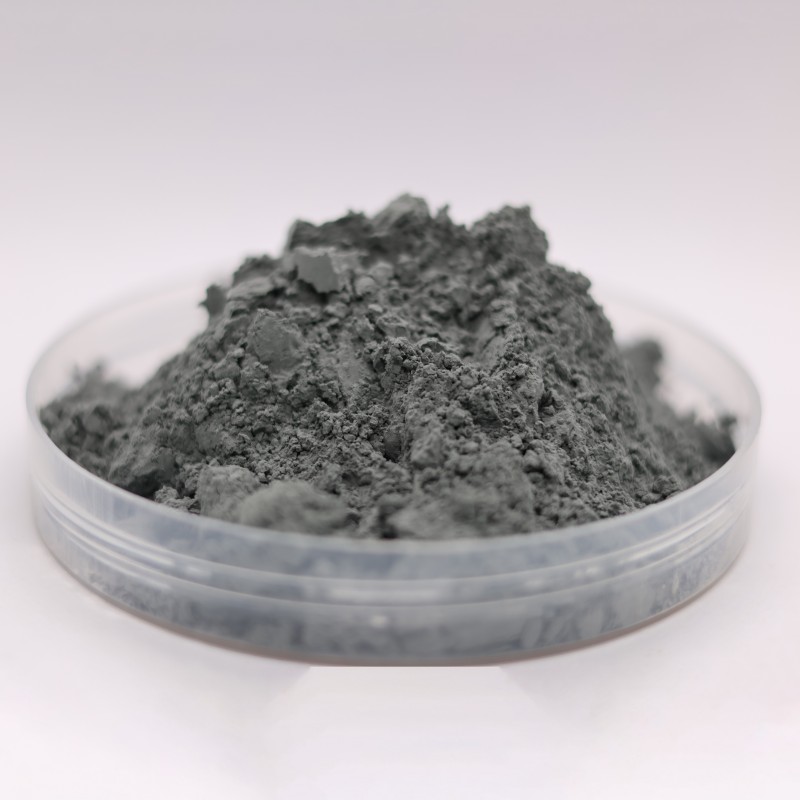
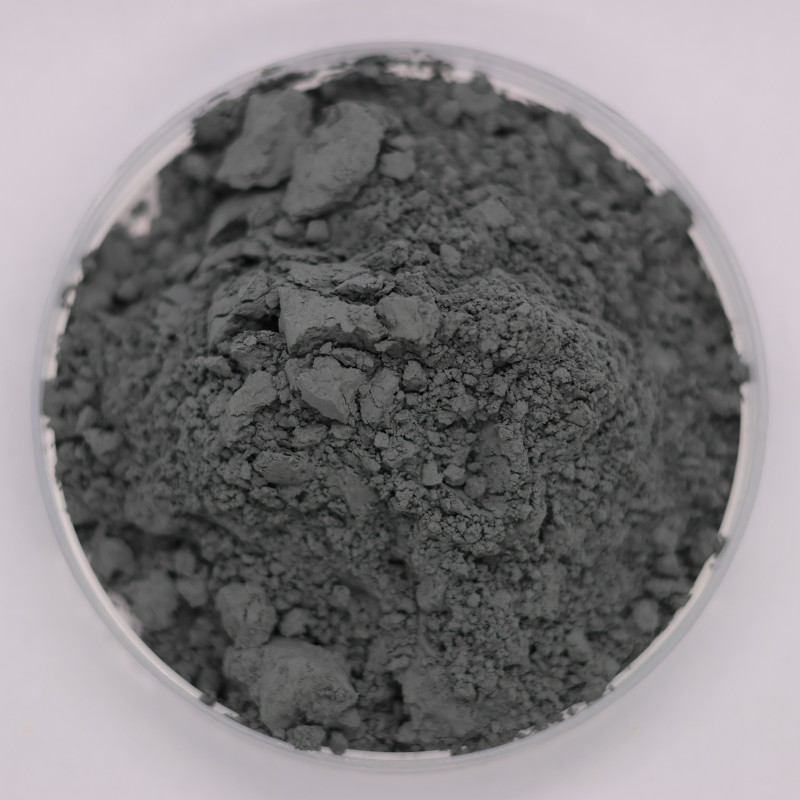
As a leading supplier in China, WANCHENG MINERAL offers tourmaline powder in a variety of mesh sizes and customized specifications for clients worldwide. Commonly available grades include 100 mesh, 200 mesh, 325 mesh, 600 mesh, 800 mesh, 1250 mesh, along with other tailored fineness options. Our products are available in black tourmaline powder, gray tourmaline powder, or bespoke functional mineral powders, depending on raw material sources and client needs.

For international buyers, factors such as stable particle size distribution, clean packaging, low moisture content, consistent color, and reliable supply chains are crucial. WANCHENG MINERAL, as a trusted tourmaline powder factory, emphasizes controlled processing, thorough product inspections, export packaging, sample support, and technical communication to assist customers in selecting the ideal tourmaline powder for their target markets.

    This is a paragraph

    This is a paragraph

    This is a paragraph

    Chemical Composition & Typical Specifications
    Chemical Component Typical Content Description
    SiO2 32% - 45% Main silicate component
    Al2O3 20% - 35% Main alumina component
    B2O3 5% - 12% Typical tourmaline component
    Fe2O3 2% - 12% Varies by tourmaline type and color
    MgO 1% - 10% Varies by raw ore
    Na2O + K2O 1% - 5% Alkali components
    CaO 0.5% - 5% Minor component
    TiO2 Trace Controlled impurity
    Loss on Ignition (LOI) Low to moderate Depends on raw ore and processing
    Frequently Asked Questions (FAQ)
    What are the dominant chemical components in tourmaline?
    Silicon Dioxide (SiO2) and Aluminum Oxide (Al2O3) constitute the primary structural matrix of tourmaline, accounting for approximately 52% to 80% of its total composition.
    Why is Boron Oxide (B2O3) important in this specification?
    Boron Oxide (B2O3) is the defining geochemical marker of the tourmaline mineral group, typically present in concentrations between 5% and 12%, giving tourmaline its unique borosilicate structure.
    How does Fe2O3 content influence the material?
    The concentration of Iron Oxide (Fe2O3) varies from 2% to 12% and directly determines the color intensity, magnetic susceptibility, and specific grade of the tourmaline mineral.
    Why do chemical ratios vary between different batches?
    As a natural complex borosilicate mineral, tourmaline undergoes solid-solution substitutions in nature, causing elements like Mg, Fe, Na, and Ca to vary depending on the geological deposit and origin.
    What does Loss on Ignition (LOI) signify in this analysis?
    Loss on Ignition indicates the percentage of volatile substances, hydroxyl groups (OH-), and moisture lost during high-temperature thermal testing, reflecting mineral purity and thermal stability.

    This is a paragraph

    This is a paragraph

    This is a paragraph

    This is a paragraph

    This is a paragraph

    This is a paragraph

    This is a paragraph

    This is a paragraph

    This is a paragraph

    This is a paragraph

    This is a paragraph

    This is a paragraph

    This is a paragraph

    This is a paragraph

    This is a paragraph

    Application Image Grid Placeholder

    FAQ

    • This is a paragraph

    • This is a paragraph

    • This is a paragraph

    • This is a paragraph

    • This is a paragraph

    • This is a paragraph

    • This is a paragraph

    • This is a paragraph

      This is a paragraph

    This is a paragraph

    This is a paragraph

    This is a paragraph
    This is a paragraph