Leave Your Message

China Vermiculite Flakes Suppliers - Unexpanded Vermiculite from Reliable Factory for Insulation and Horticulture

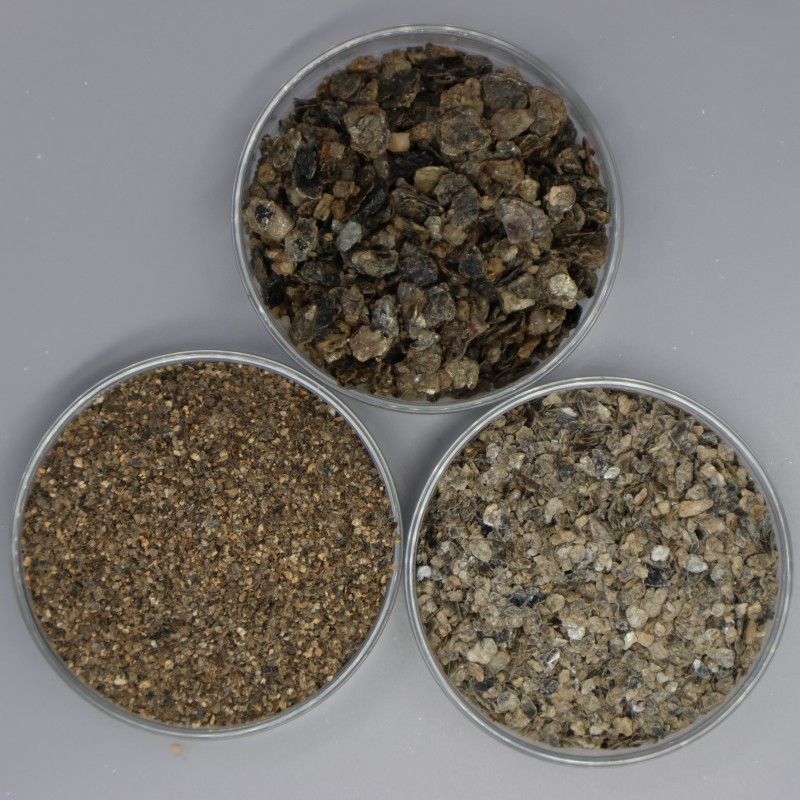
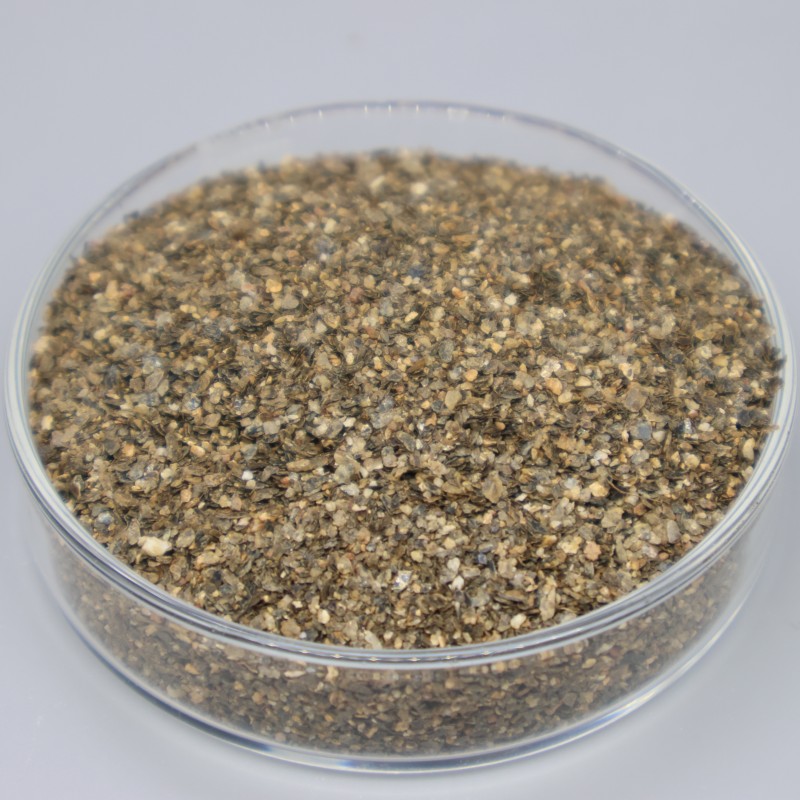
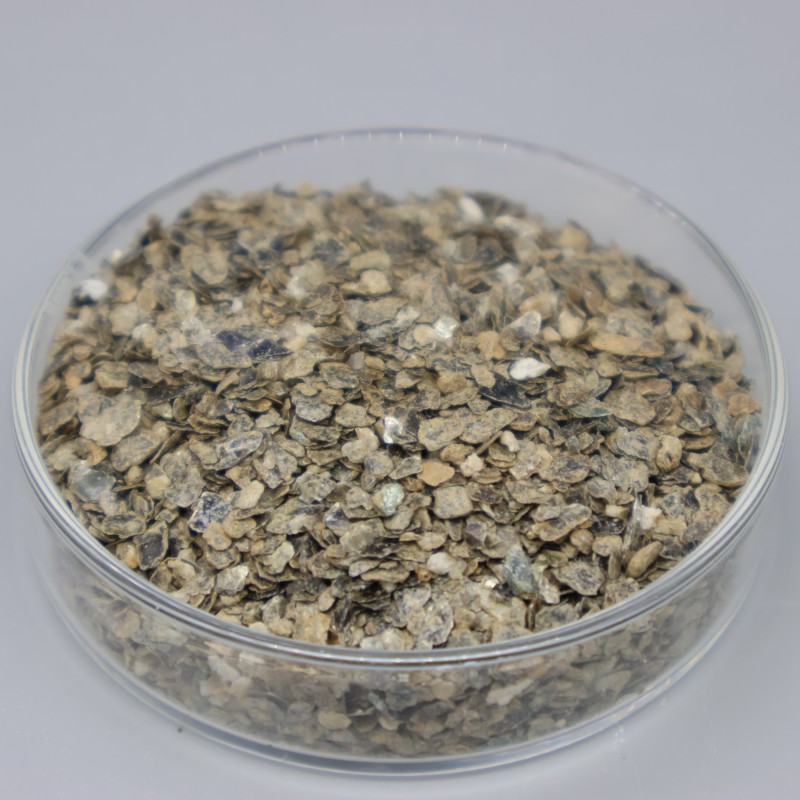
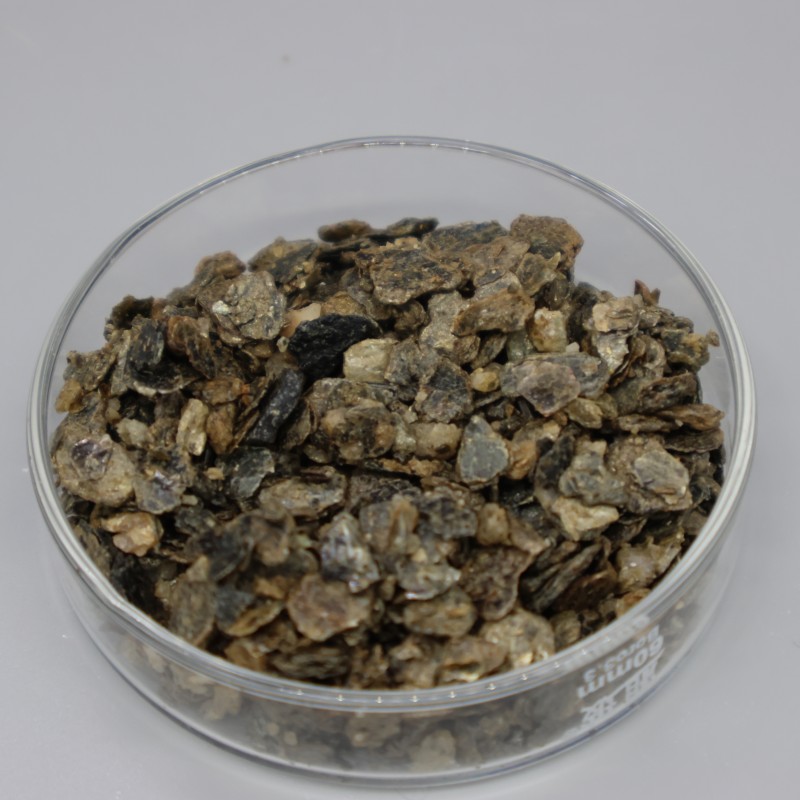
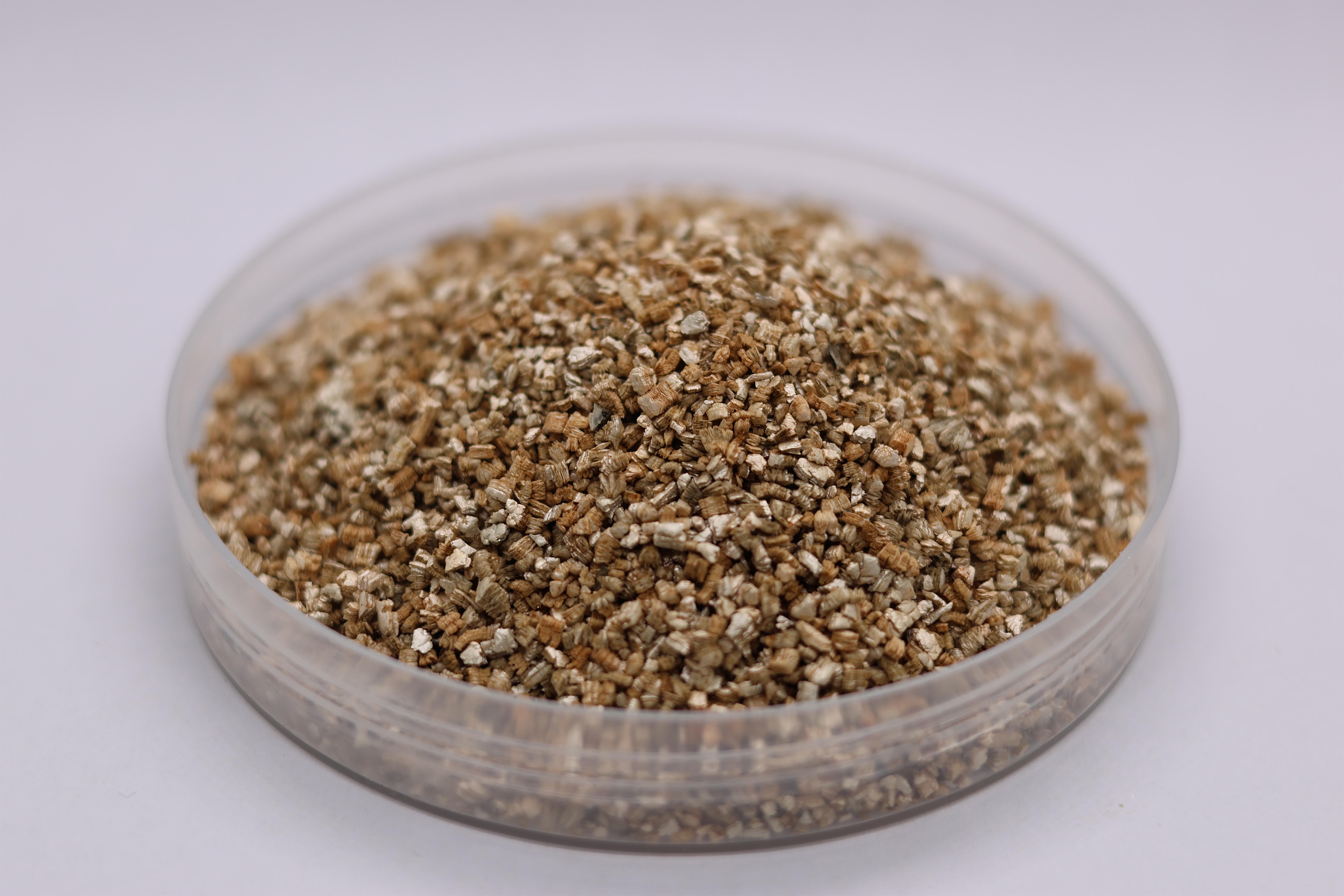
Vermiculite flakes, also referred to as unexpanded vermiculite or raw vermiculite concentrate, are natural layered mineral particles derived from high-quality vermiculite ore. These flakes, showcasing beautiful golden brown, bronze, yellowish, or dark brown hues, exhibit a natural mica-like layered structure. When subjected to rapid heating, the water molecules within the crystal structure vaporize, causing the vermiculite to expand into lightweight and porous expanded vermiculite. Recognized as a hydrated magnesium-aluminum silicate mineral, vermiculite possesses outstanding thermal expansion properties, fire resistance, insulation capabilities, low density post-expansion, and exceptional chemical stability. Due to these beneficial characteristics, unexpanded vermiculite flakes serve as a vital raw material in various sectors, including the production of expanded vermiculite, horticultural vermiculite, insulation aggregates, fireproof materials, lightweight construction products, refractory items, friction materials, and industrial absorbents. As a leading supplier based in China, WANCHENG MINERAL offers vermiculite flakes in various particle sizes and grades tailored to meet customer specifications. Our high-quality products cater to the needs of vermiculite expansion plants, construction material manufacturers, horticultural substrate suppliers, refractory producers, fireproof board factories, and industrial mineral distributors. We are committed to ensuring a stable particle size distribution, clean material selection, reliable packaging, and consistent export supply from our factory. In contrast to expanded vermiculite, unexpanded vermiculite flakes are characterized by a higher bulk density and lower volume, making them a cost-effective choice for transportation, especially for customers equipped with their own expansion facilities. Once expanded, vermiculite transforms into a significantly lighter material with increased volume, ideal for insulation and horticultural applications. This makes our vermiculite flakes a preferred choice for companies looking to manage their own expansion processes, control final bulk density, and optimize particle size and application performance.

    This is a paragraph

    This is a paragraph

    This is a paragraph

    Chemical Component Typical Content Description
    SiO2 35% - 45% Main silicate component
    MgO 18% - 25% Typical magnesium component
    Al2O3 8% - 15% Alumina component
    Fe2O3 5% - 12% Affects color and mineral grade
    K2O 2% - 6% Typical layered silicate component
    CaO 0.5% - 3% Minor component
    TiO2 ≤ 2% Controlled impurity
    Loss on Ignition 4% - 12% Related to structural water

    Frequently Asked Questions

    What is the primary chemical compound in this material?

    The dominant compound is Silicon Dioxide (SiO2), accounting for 35% to 45% of the total composition, which serves as the primary silicate structural base.

    How does the Fe2O3 level influence the final mineral product?

    Iron Oxide (Fe2O3), ranging between 5% and 12%, directly influences the visual pigmentation, mineral purity grade, and thermal behavior during processing.

    What does the "Loss on Ignition" (LOI) value signify?

    The Loss on Ignition (4% - 12%) represents the release of volatile substances, primarily structural and bound interlayer water, when the mineral is heated to high temperatures.

    Why is Magnesium Oxide (MgO) present in such significant amounts?

    MgO (18% - 25%) is an essential structural element of layered magnesium silicates, providing stability, chemical resistance, and high-temperature tolerance.

    Are the Titanium Dioxide (TiO2) levels strictly controlled?

    Yes, Titanium Dioxide is held to a maximum threshold of ≤ 2% as a controlled trace impurity to maintain optimal chemical purity across standard commercial grades.

    What role do Potassium Oxide (K2O) and Calcium Oxide (CaO) play?

    K2O (2% - 6%) and CaO (0.5% - 3%) serve as key interlayer and fluxing cations within the silicate crystal matrix, contributing to natural mineral formation.

    This is a paragraph

    This is a paragraph

    This is a paragraph

    This is a paragraph

    This is a paragraph

    This is a paragraph

    This is a paragraph

    This is a paragraph

    This is a paragraph

    This is a paragraph

    This is a paragraph

    This is a paragraph

    This is a paragraph

    This is a paragraph

    This is a paragraph

    Application Image Grid Placeholder

    FAQ

    • This is a paragraph

    • This is a paragraph

    • This is a paragraph

    • This is a paragraph

    • This is a paragraph

    • This is a paragraph

    • This is a paragraph

    • This is a paragraph

      This is a paragraph

    This is a paragraph

    This is a paragraph

    This is a paragraph
    This is a paragraph