Leave Your Message

China Vermiculite Flakes - Unexpanded Vermiculite Suppliers and Factory for Insulation and Horticultural Applications

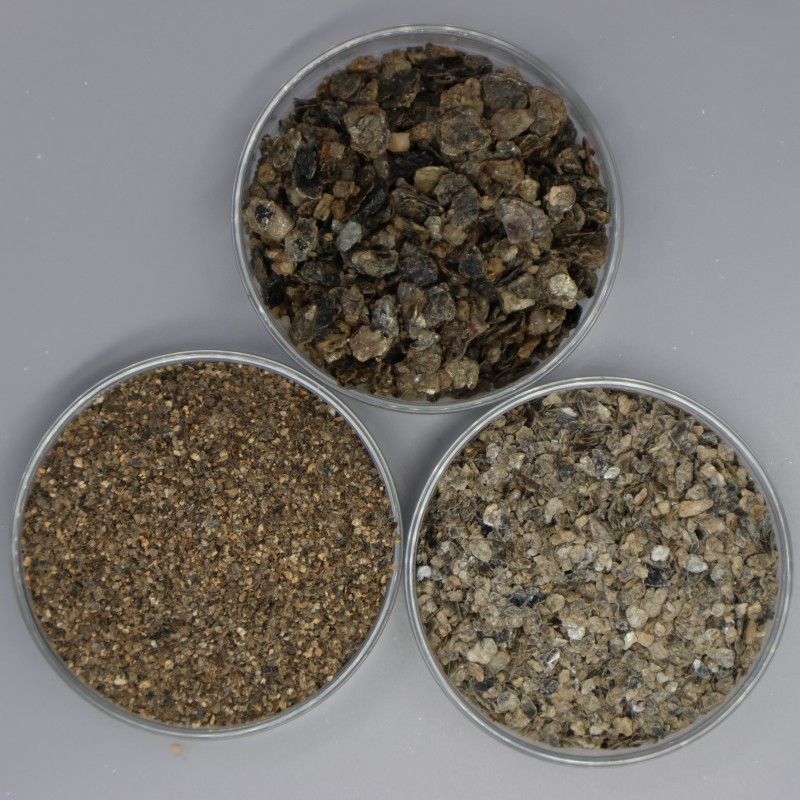
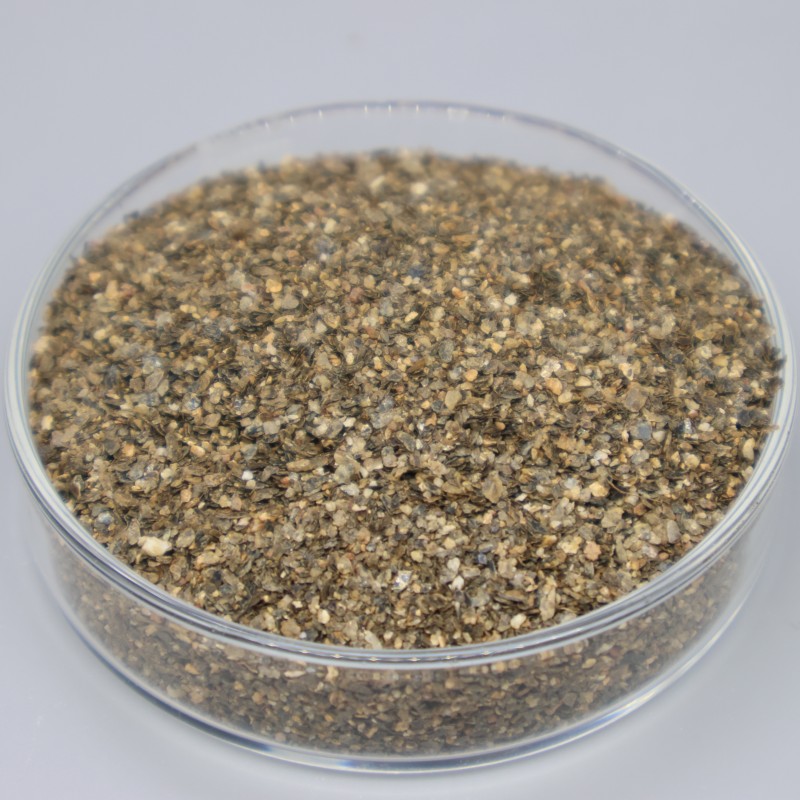
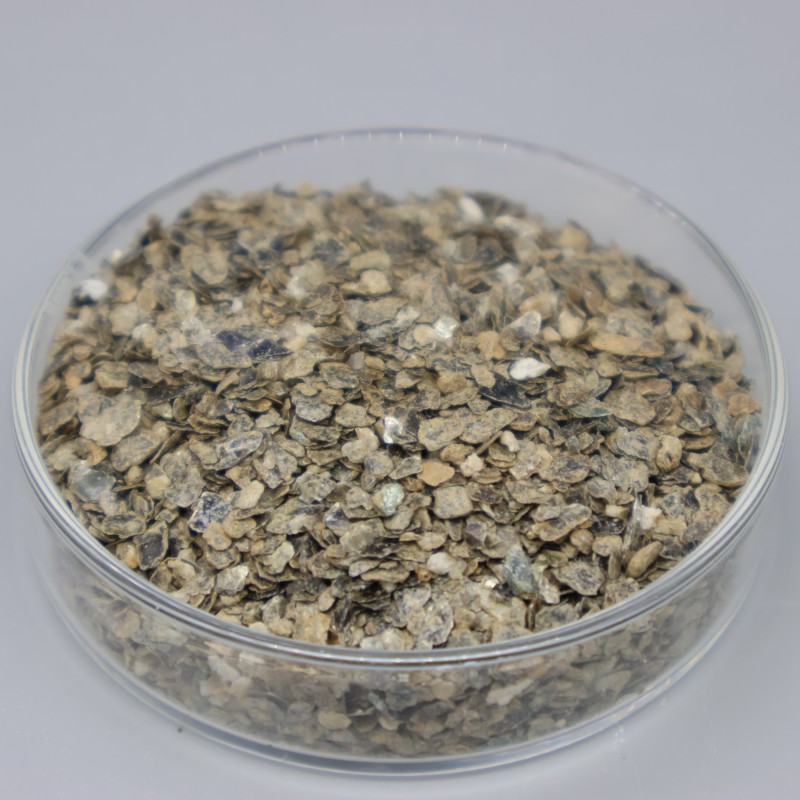
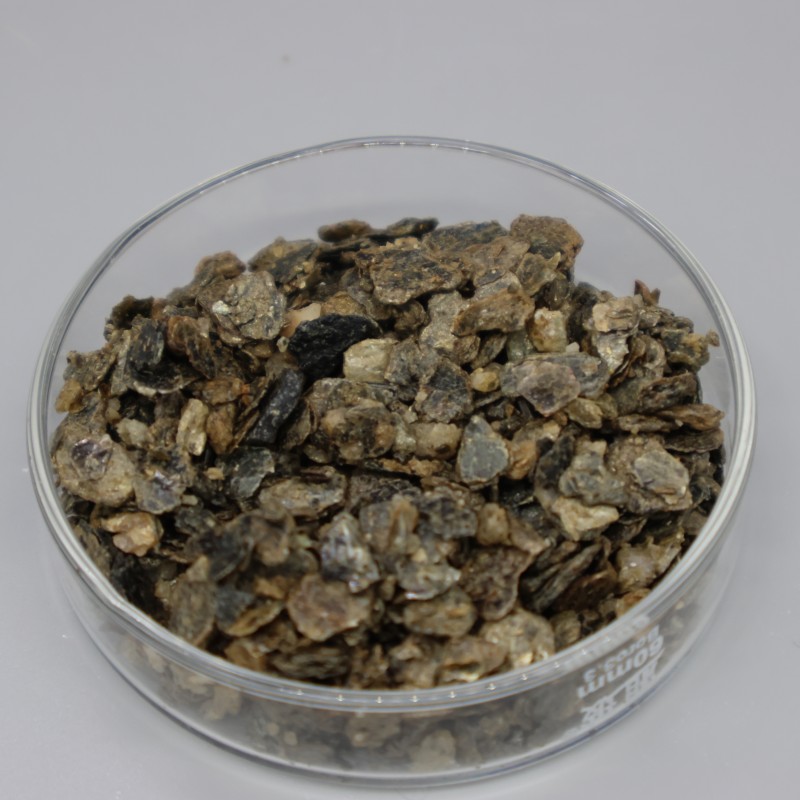
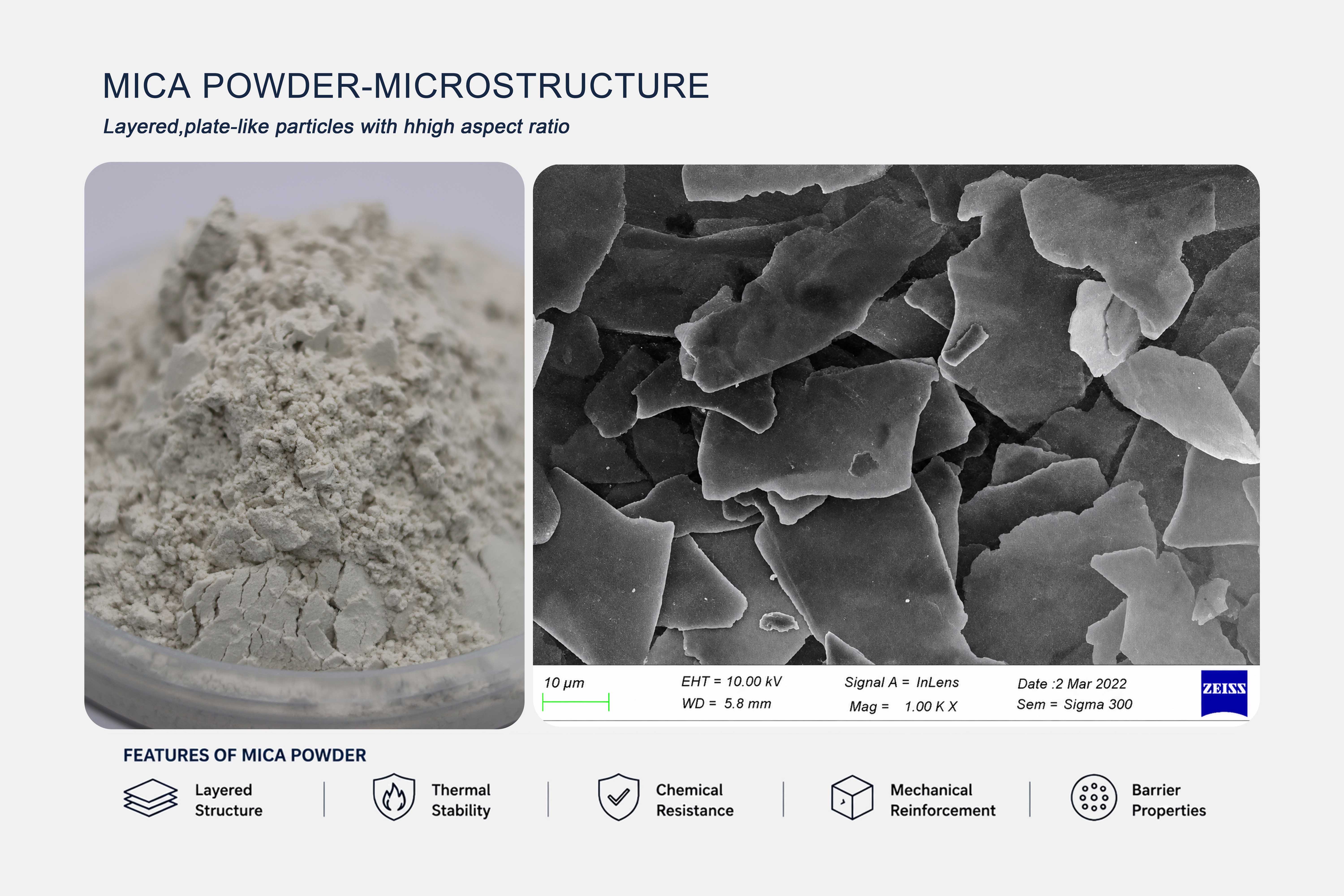
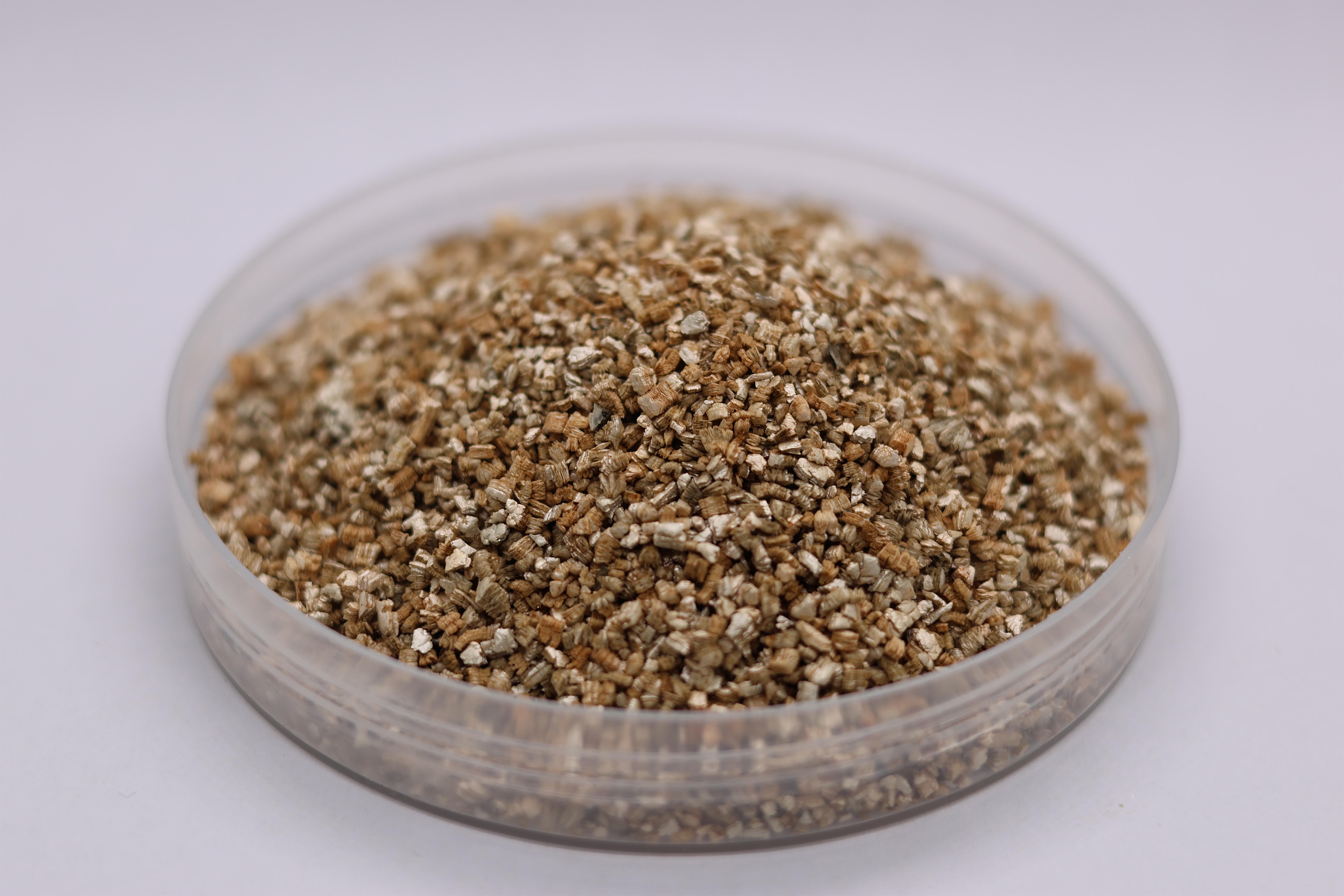
Vermiculite flakes, also referred to as unexpanded vermiculite or raw vermiculite concentrate, are naturally occurring layered mineral particles derived from select vermiculite ore. These flakes appear in various hues including golden brown, bronze, yellowish, or dark brown, characterized by their mica-like layered structure prior to thermal expansion. Upon rapid heating at high temperatures, the water molecules trapped within the crystal structure vaporize, resulting in the transformation of the material into lightweight, porous expanded vermiculite. China is home to leading suppliers of vermiculite, including WANCHENG MINERAL, which specializes in providing high-quality unexpanded vermiculite flakes. This hydrated magnesium-aluminum silicate mineral showcases exceptional thermal expansion properties, fire resistance, insulation efficiency, low density after expansion, and strong chemical stability. Due to these advantageous features, unexpanded vermiculite flakes are extensively utilized as the primary material for producing expanded vermiculite, horticultural substrates, insulation aggregates, fireproof materials, lightweight construction products, refractory items, friction materials, and industrial absorbents. WANCHENG MINERAL stands out as a trusted factory supplying vermiculite flakes in various particle sizes and grades tailored to customer specifications. Our products cater to a diverse range of industries, including vermiculite expansion facilities, construction material manufacturers, horticultural substrate suppliers, refractory producers, fireproof board factories, and industrial mineral distributors. We emphasize consistent particle size distribution, meticulous material selection, secure packaging, and reliable long-term export supply. Unlike expanded vermiculite, unexpanded vermiculite flakes boast a higher bulk density and lower overall volume, making them a cost-effective option for transportation, particularly for clients with their own expansion equipment. When expanded, the material achieves a significantly lighter weight and greater volume, which optimizes its use in insulation and horticultural applications. As a result, vermiculite flakes are frequently sourced by companies aiming to manage their own expansion processes, bulk density, particle size, and application effectiveness.

    This is a paragraph

    This is a paragraph

    This is a paragraph

    Chemical Component Typical Content Description
    SiO2 35% - 45% Main silicate component
    MgO 18% - 25% Typical magnesium component
    Al2O3 8% - 15% Alumina component
    Fe2O3 5% - 12% Affects color and mineral grade
    K2O 2% - 6% Typical layered silicate component
    CaO 0.5% - 3% Minor component
    TiO2 <= 2% Controlled impurity
    Loss on Ignition 4% - 12% Related to structural water

    Frequently Asked Questions

    Q1 What is the primary chemical component in this material?

    The primary component is Silicon Dioxide (SiO2), comprising between 35% and 45% of the total composition, which forms the main silicate structural base.

    Q2 How does the Fe2O3 content impact the quality?

    Iron oxide (Fe2O3), typically ranging from 5% to 12%, directly influences the material's color characteristics and overall mineral grade classification.

    Q3 What does Loss on Ignition (LOI) represent in the analysis?

    Loss on Ignition (4% - 12%) reflects the release of volatile substances and structural water bound within the crystalline layers during high-temperature heating.

    Q4 What role does Magnesium Oxide (MgO) play in this composition?

    With a significant range of 18% to 25%, Magnesium Oxide serves as a core magnesium component essential for structural stability in layered silicates.

    Q5 Are trace components like TiO2 strictly controlled?

    Yes, Titanium Dioxide (TiO2) is maintained at <= 2% as a controlled impurity to ensure high chemical consistency and performance stability.

    Q6 Can the typical content percentages vary slightly between batches?

    Yes, naturally sourced mineral components typically exhibit slight standard fluctuations within the defined percentage ranges shown in the chemical table.

    This is a paragraph

    This is a paragraph

    This is a paragraph

    This is a paragraph

    This is a paragraph

    This is a paragraph

    This is a paragraph

    This is a paragraph

    This is a paragraph

    This is a paragraph

    This is a paragraph

    This is a paragraph

    This is a paragraph

    This is a paragraph

    This is a paragraph

    Application Image Grid Placeholder

    FAQ

    • This is a paragraph

    • This is a paragraph

    • This is a paragraph

    • This is a paragraph

    • This is a paragraph

    • This is a paragraph

    • This is a paragraph

    • This is a paragraph

      This is a paragraph

    This is a paragraph

    This is a paragraph

    This is a paragraph
    This is a paragraph