Leave Your Message

Cosmetic Grade Talc Powder from China - Trusted Suppliers and Quality Factory Direct Supply

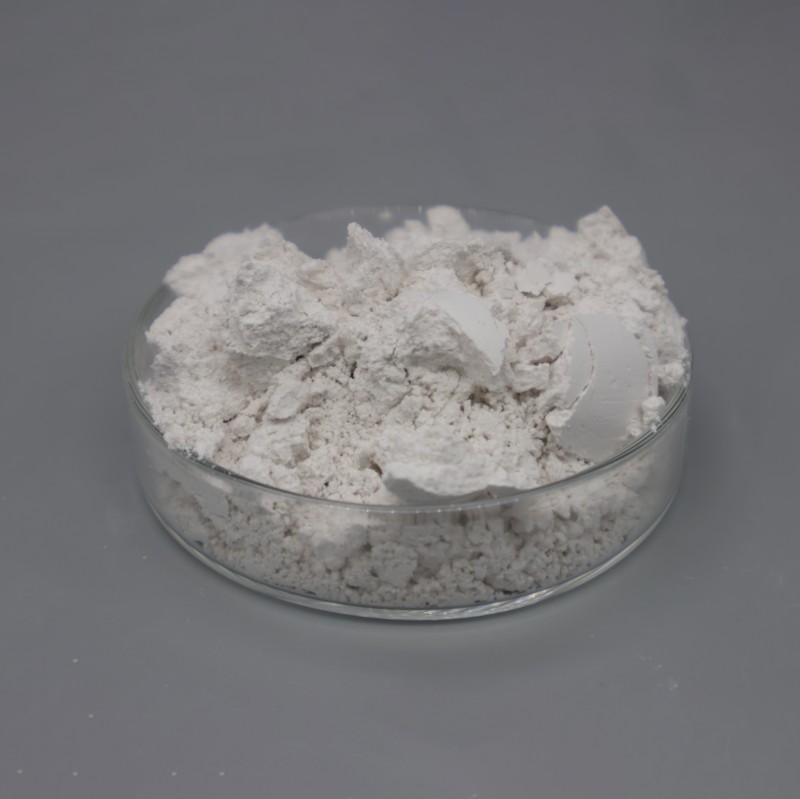
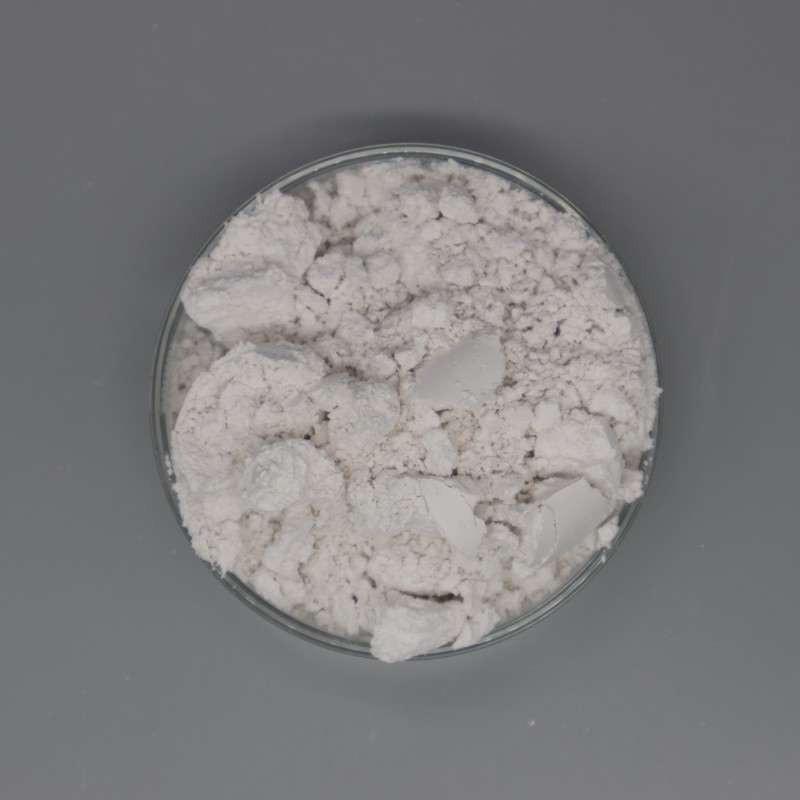
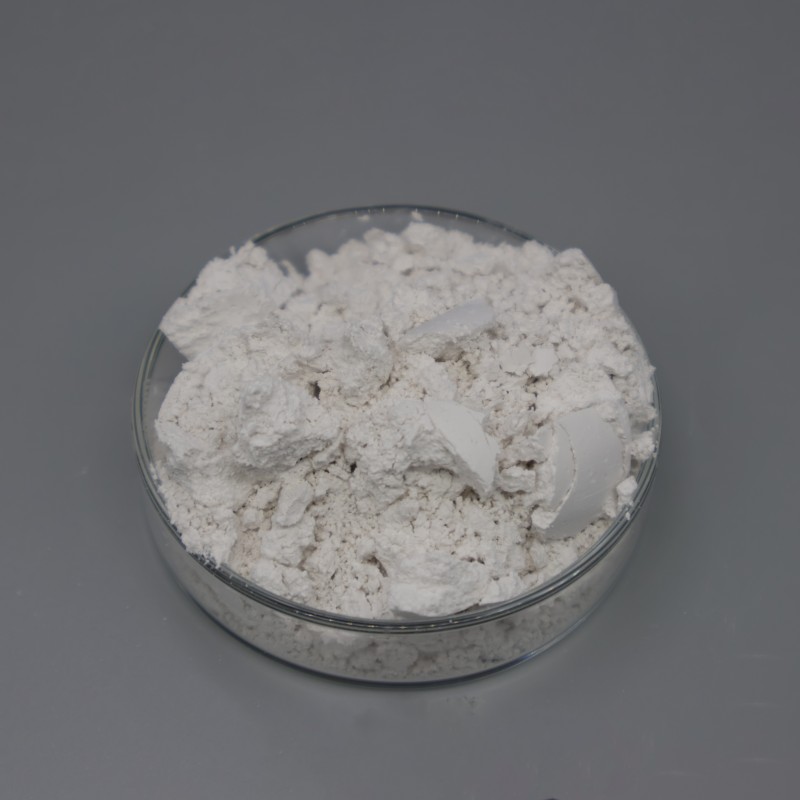
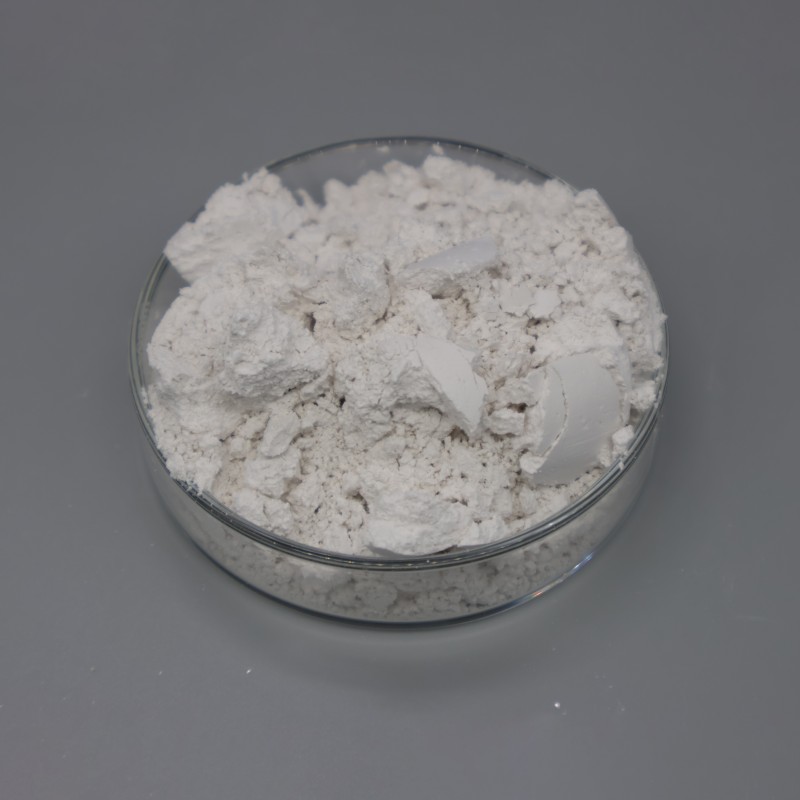
Cosmetic grade talc powder is a premium, fine, and naturally occurring magnesium silicate mineral recognized for its superior properties in cosmetic and personal care formulations. Sourced from China, this soft mineral powder is highly valued for providing a smooth skin feel, excellent whiteness, effective oil absorption, and enhanced slip performance. It plays a crucial role in improving the texture of both powder-based and cream-based cosmetic systems, thanks to its naturally lamellar structure that contributes to a silky, lightweight touch in various cosmetics.

As a leading supplier in the industry, WANCHENG MINERAL manufactures high-quality cosmetic grade talc powder ideally suited for makeup manufacturers, personal care product formulators, private label brands, and cosmetic raw material distributors. Our talc powder is perfect for use in loose powder, pressed powder, foundation, blush, eye shadow, body powder, as well as baby-care powder formulations where regulations allow. It is also suitable for dry shampoos and skincare powder blends, making it a versatile choice for comprehensive personal care applications.

Unlike general industrial talc, our cosmetic grade talc powder demands meticulous attention to detail in raw material selection, ensuring high standards for whiteness, fineness, cleanliness, heavy metal control, microbiological testing, and asbestos testing. Compliance with local laws and standards is paramount in determining the final application of the product. WANCHENG MINERAL offers extensive product information, sampling support, and batch-related quality documents tailored to customer requirements.

For international buyers seeking reliable suppliers, choosing a reputable cosmetic grade talc factory is essential. The quality of talc significantly impacts product texture, skin feel, processing stability, color performance, and overall consumer experience. WANCHENG MINERAL is committed to maintaining stable mineral resources, controlled processing methods, consistent particle size, optimal export packaging, and customized services to meet the diverse needs of global cosmetic raw material customers.

    This is a paragraph

    This is a paragraph

    This is a paragraph

    Primary Components
    SiO₂ + MgO (86% - 95%)
    Purity & Whiteness Control
    Fe₂O₃ ≤ 1.0%
    Loss on Ignition
    4.0% - 6.5%
    Chemical Component Typical Content Description
    SiO₂ 58% - 63% Main silicate component
    MgO 28% - 32% Main magnesium component
    Al₂O₃ ≤ 2.0% Controlled impurity
    Fe₂O₃ ≤ 1.0% Affects whiteness and color
    CaO ≤ 1.5% Minor component
    Na₂O + K₂O ≤ 1.0% Alkali components
    Loss on Ignition 4% - 6.5% Related to mineral structure and moisture
    Frequently Asked Questions
    What are the primary active components in this chemical profile?

    The major components are Silicon Dioxide (SiO₂) at 58%–63% and Magnesium Oxide (MgO) at 28%–32%, which together form the core magnesium silicate mineral structure.

    Why is the iron oxide (Fe₂O₃) content kept below 1.0%?

    Keeping Fe₂O₃ below 1.0% is critical for maintaining high optical whiteness and brightness while preventing unwanted discoloration in industrial and cosmetic formulations.

    What does the Loss on Ignition (LOI) parameter represent?

    Loss on Ignition (4%–6.5%) indicates the percentage of volatile matter, chemically bound water, and moisture released when the mineral is heated under standardized high temperatures.

    What is the significance of low Calcium Oxide (CaO ≤ 1.5%)?

    Low CaO levels ensure superior chemical inertness, high thermal stability, and reduced reactivity in acidic and polymers-processing environments.

    How does controlling total alkali oxides (Na₂O + K₂O ≤ 1.0%) benefit end products?

    Limiting alkali oxides to 1.0% or less enhances the material's electrical insulation properties and prevents unwanted hygroscopic or fluxing effects during manufacturing.

    What industries typically utilize this grade of mineral composition?

    This specification is widely used across plastics, rubbers, functional coatings, ceramics, paper, and personal care products requiring high purity and strict color stability.

    This is a paragraph

    This is a paragraph

    This is a paragraph

    This is a paragraph

    This is a paragraph

    This is a paragraph

    This is a paragraph

    This is a paragraph

    This is a paragraph

    This is a paragraph

    This is a paragraph

    This is a paragraph

    This is a paragraph

    This is a paragraph

    This is a paragraph

    Application Image Grid Placeholder

    FAQ

    • This is a paragraph

    • This is a paragraph

    • This is a paragraph

    • This is a paragraph

    • This is a paragraph

    • This is a paragraph

    • This is a paragraph

    • This is a paragraph

      This is a paragraph

    This is a paragraph

    This is a paragraph

    This is a paragraph
    This is a paragraph