Leave Your Message

Expanded Vermiculite from China - Quality Suppliers & Factory for Horticulture, Construction, and Refractory Applications

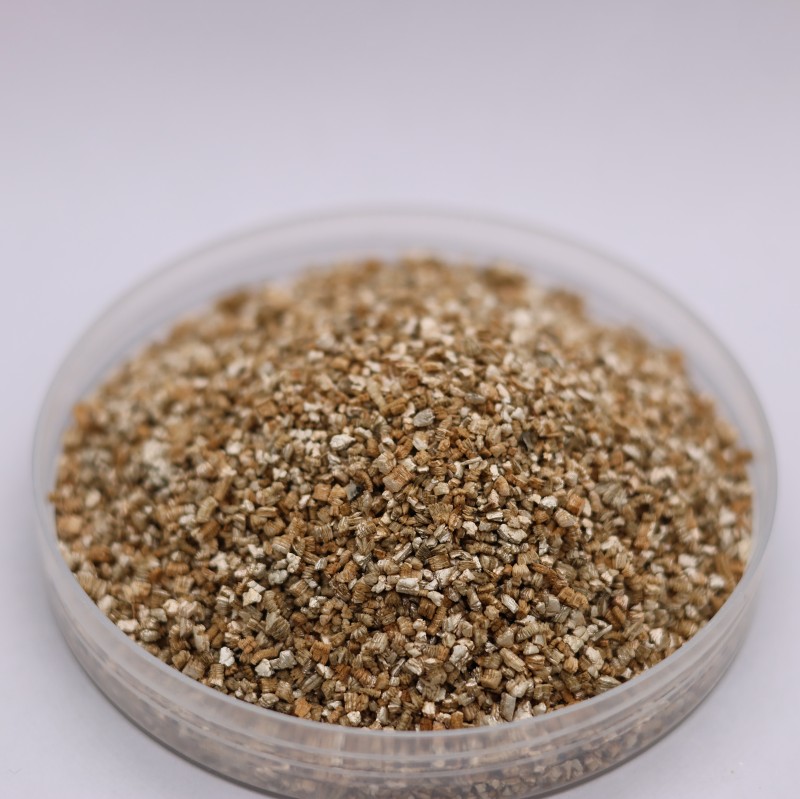
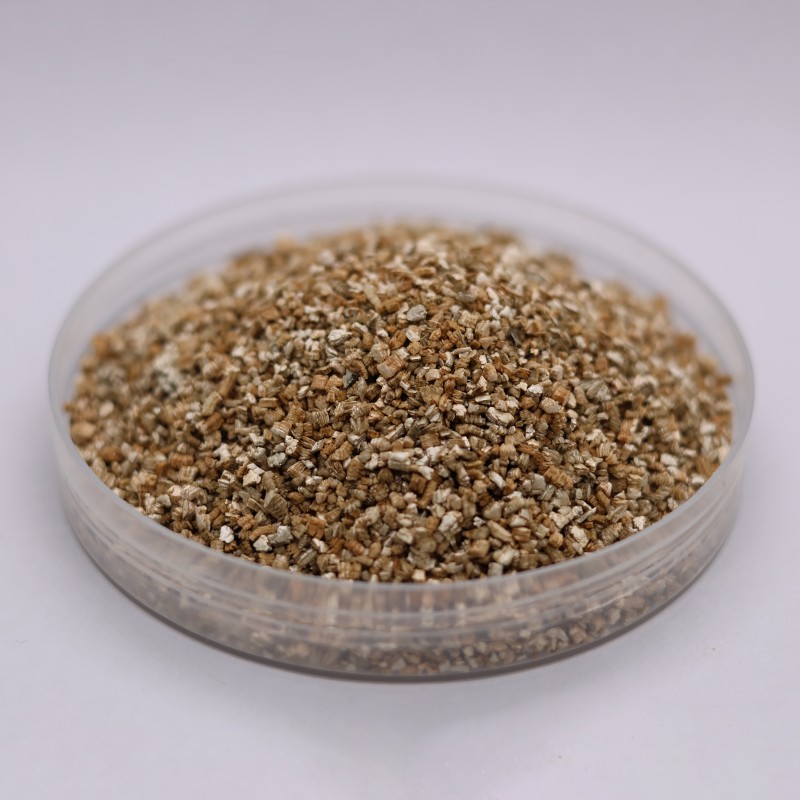
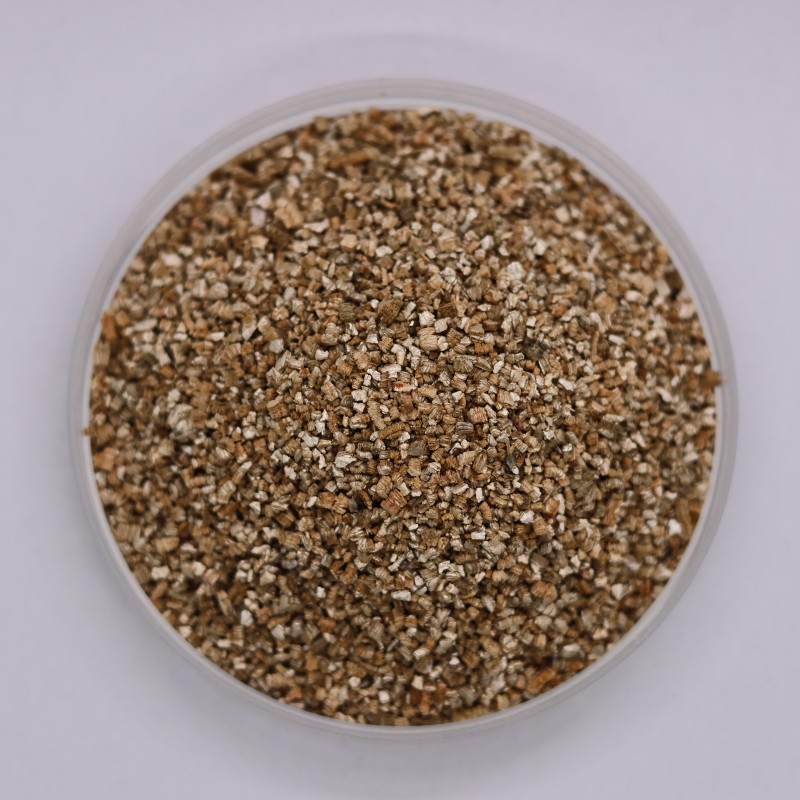
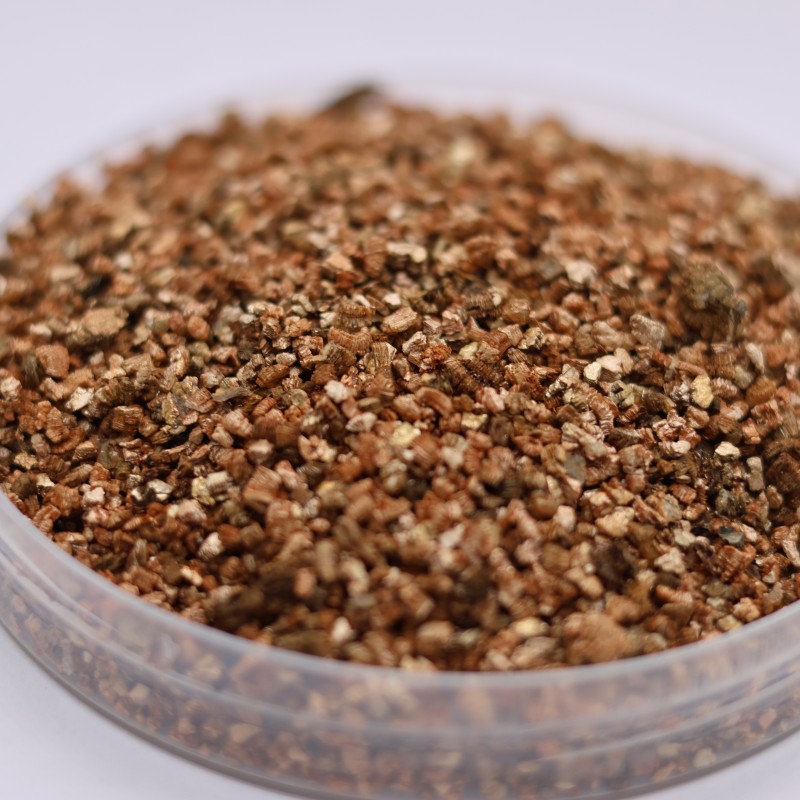
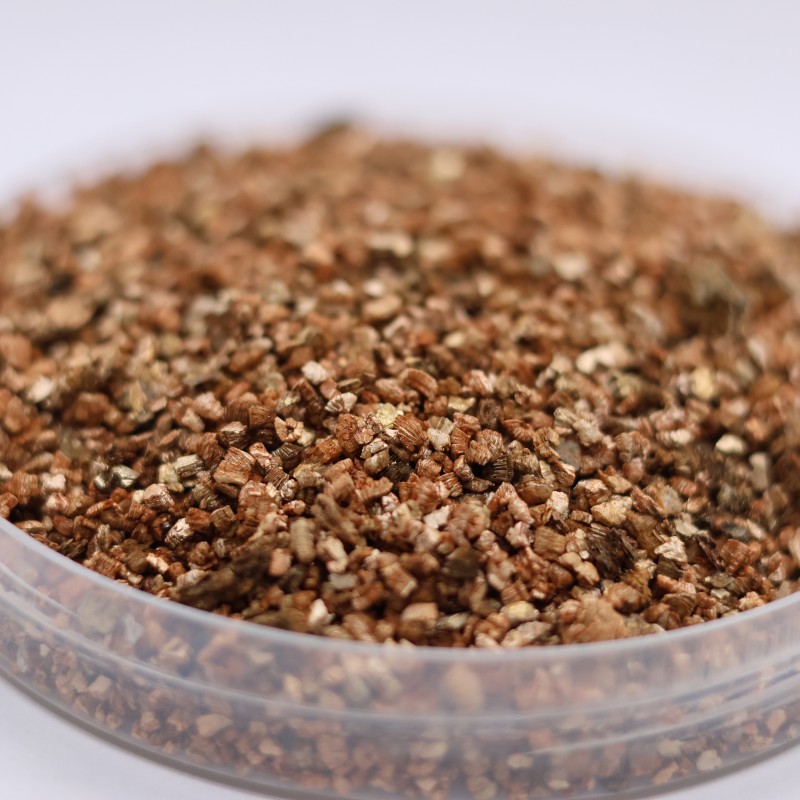
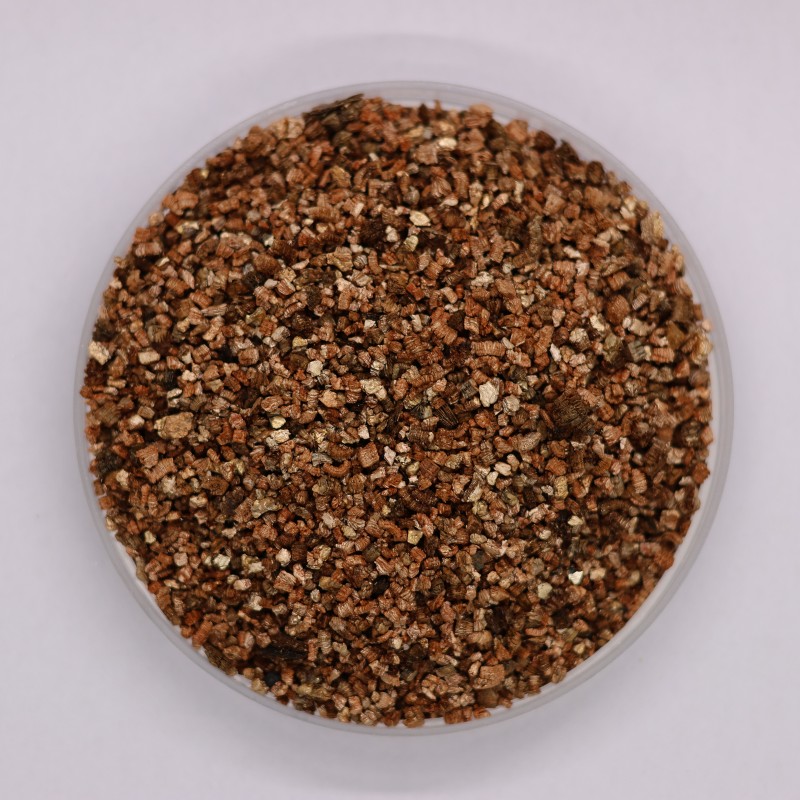
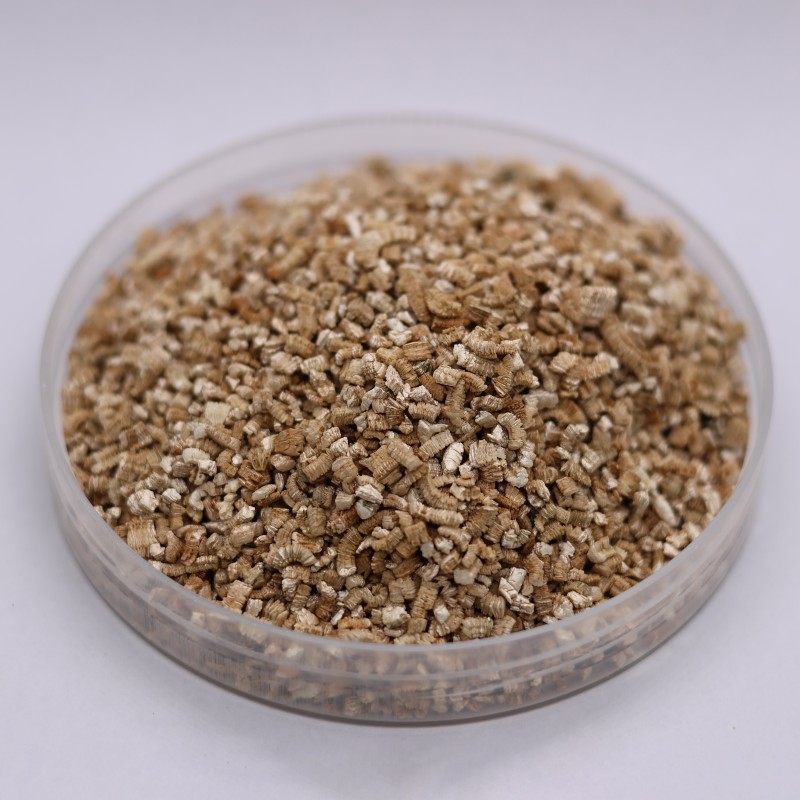
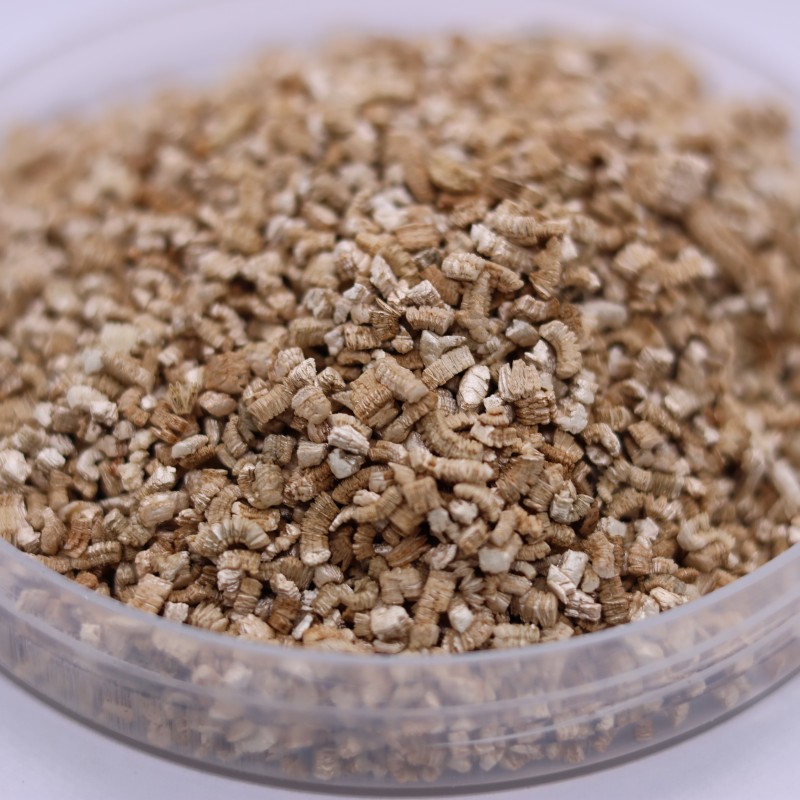
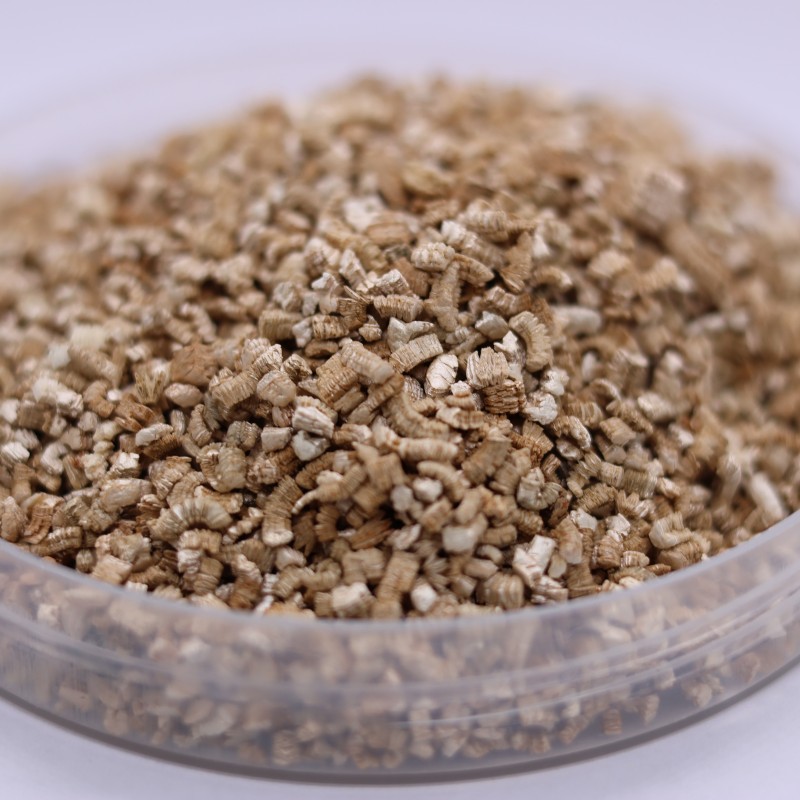
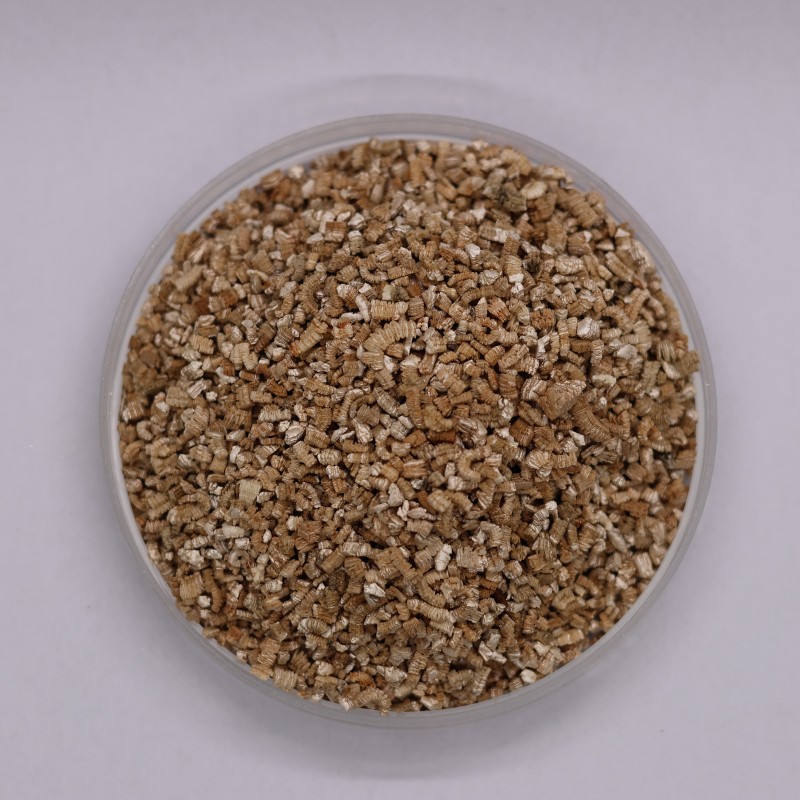
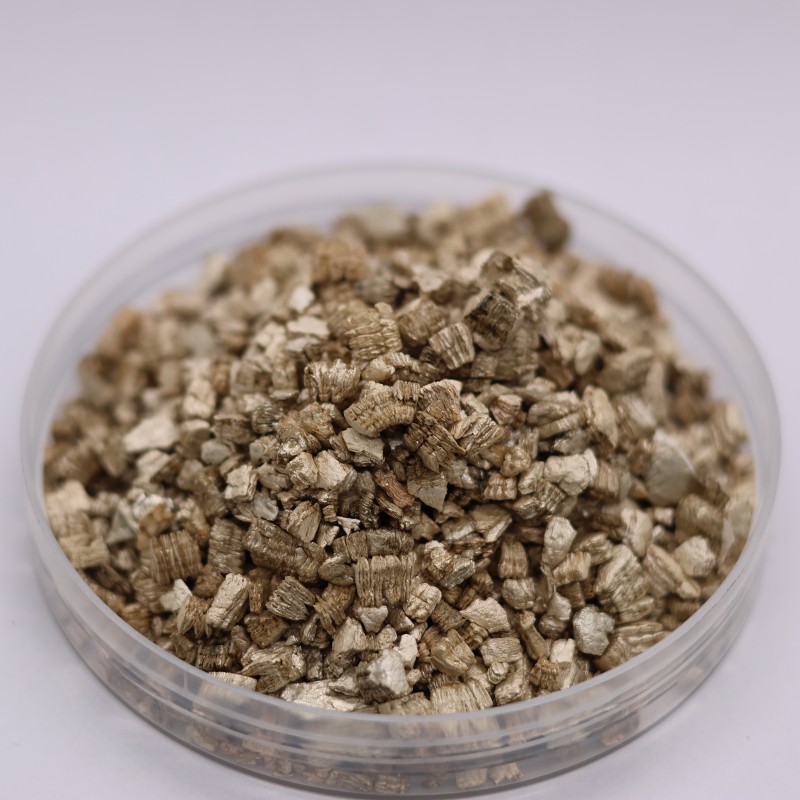
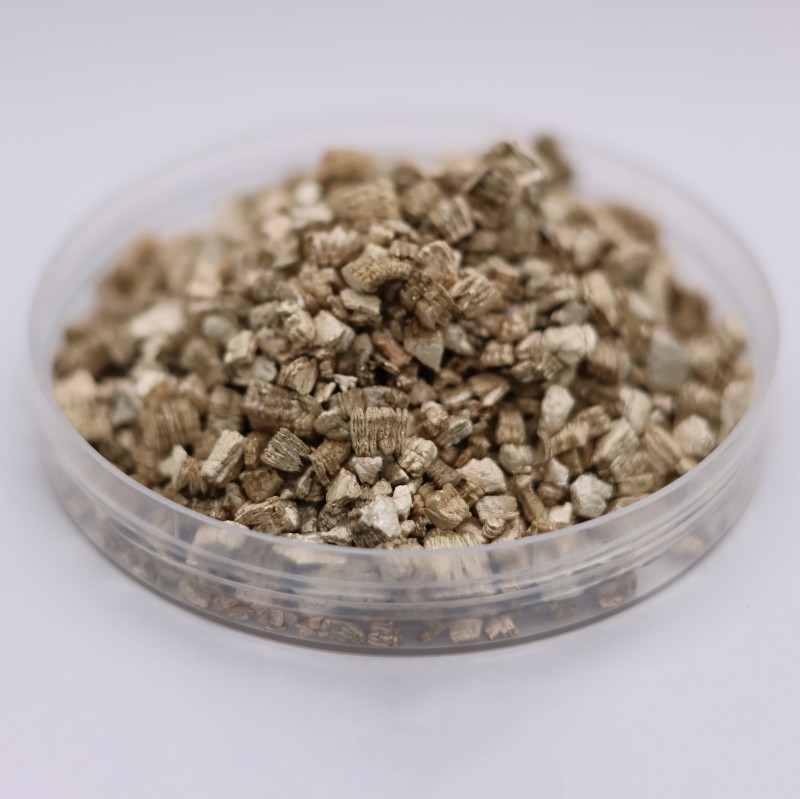
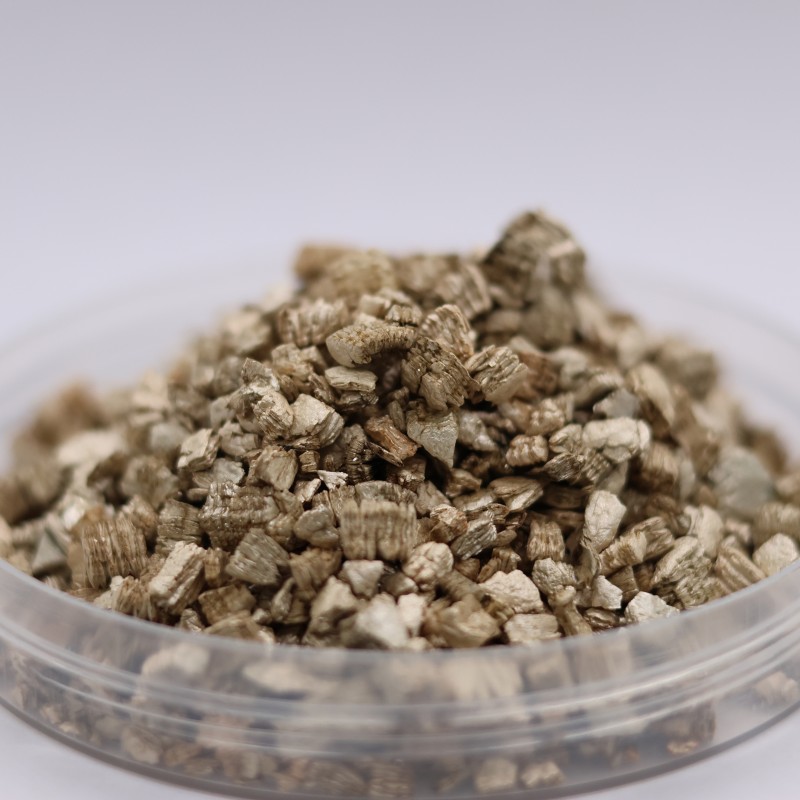
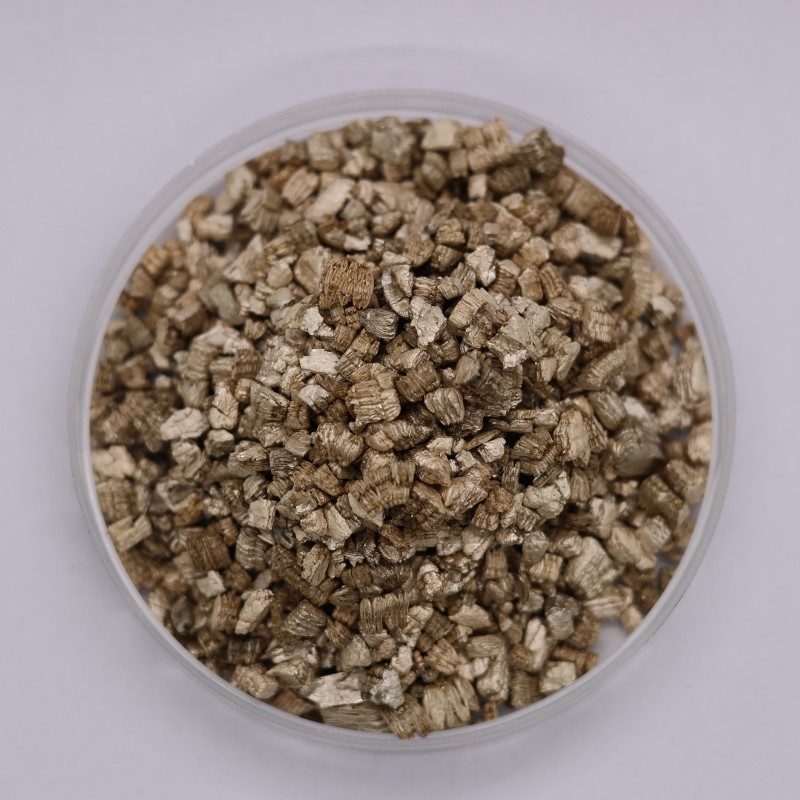
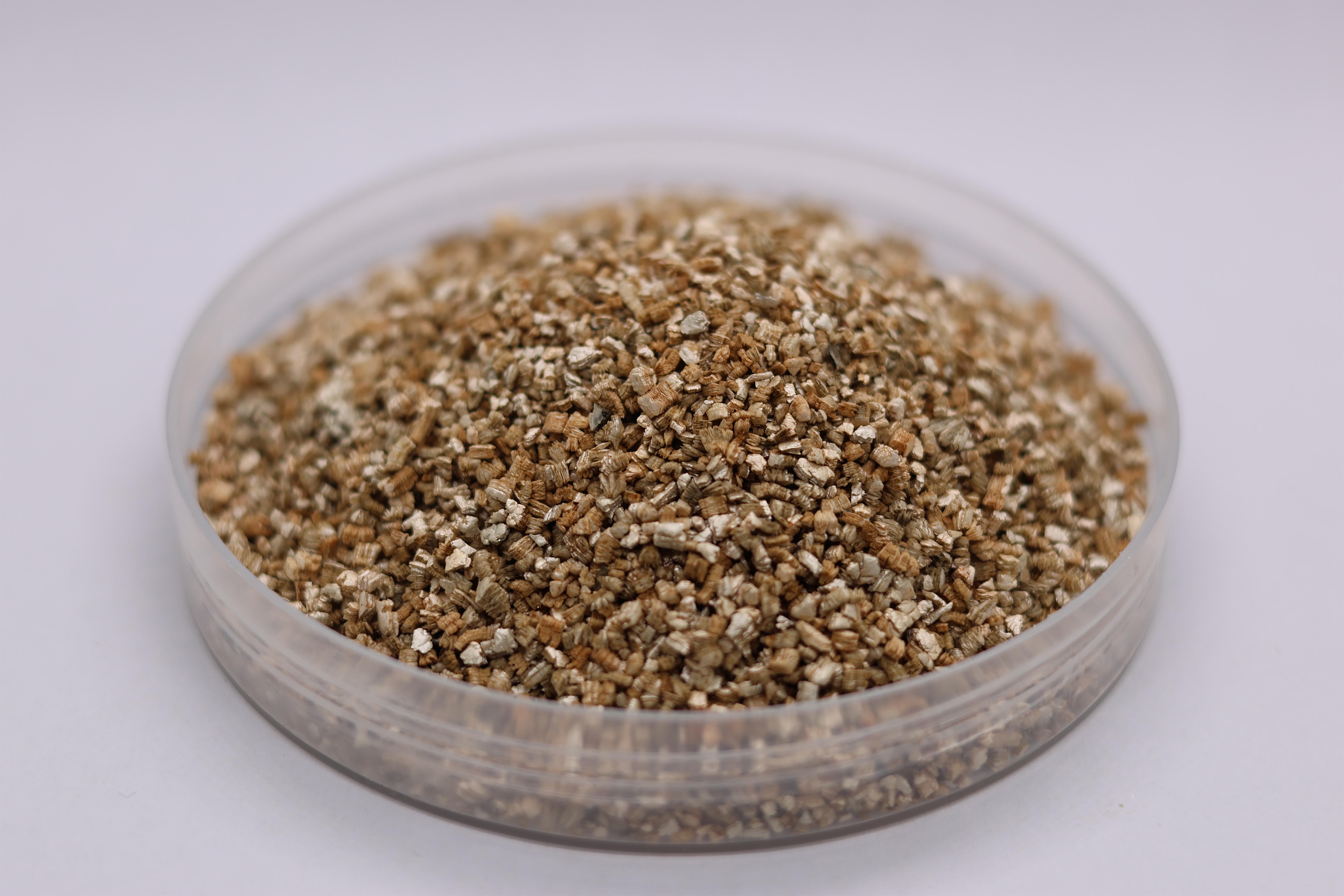
Expanded vermiculite is a lightweight, versatile mineral material produced by heating selected raw vermiculite ore at high temperatures. This process transforms the layered water inside the vermiculite structure into steam, causing the flakes to expand into accordion-like particles that feature very low bulk density, high porosity, and excellent thermal insulation properties. The end product is light, non-metallic, chemically stable, and easily blendable with other materials.

Due to its unique structure and properties, expanded vermiculite is extensively used across various industries, including horticulture, agriculture, thermal insulation, fire-resistant materials, lightweight concrete, dry mortar, refractory mixes, packaging, animal bedding, soil improvement, seed germination, and industrial fillers. It effectively retains water and nutrients in horticultural systems while enhancing aeration and soil texture. In construction and insulation sectors, it helps reduce weight, boost thermal performance, and enhance fire resistance.

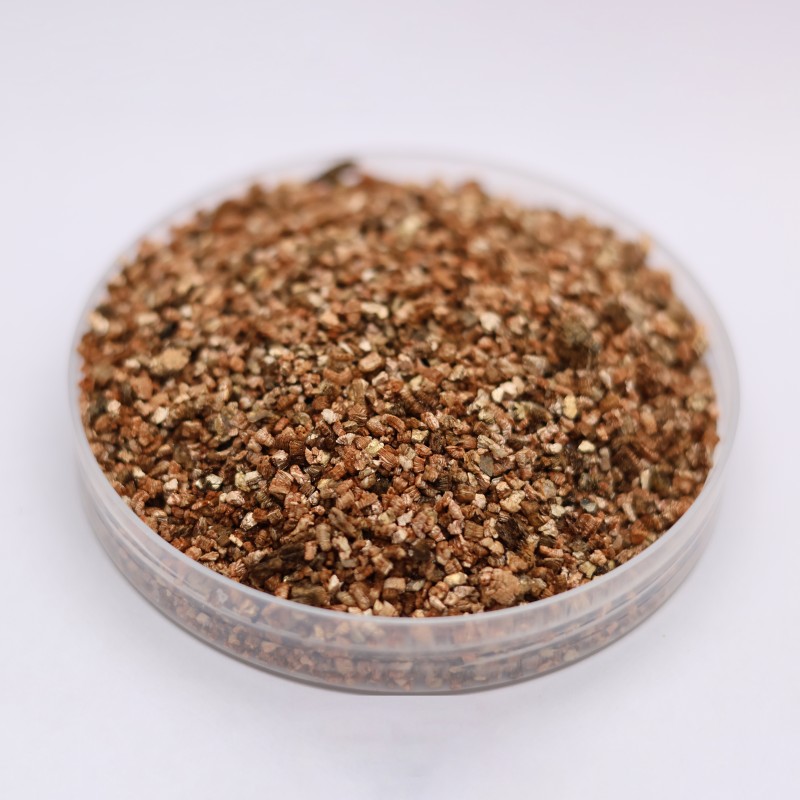
WANCHENG MINERAL, a reputable supplier from China, offers expanded vermiculite in various particle sizes and grades tailored to meet customer specifications. Available grades include fine, medium, coarse, and super coarse particles, catering to professional growers, potting soil manufacturers, construction material factories, fireproof board producers, refractory manufacturers, insulation contractors, distributors, and industrial users. Our factory provides bulk supply, export packaging, sample support, and customized particle size solutions to meet diverse application needs.

For international buyers, selecting the appropriate grade of expanded vermiculite is crucial. Horticultural applications typically prioritize clean particles with adequate water retention and aeration, as well as suitable size distribution. Construction and insulation applications often demand lightweight density, stable thermal behavior, and uniform particle size. Meanwhile, refractory applications may require enhanced temperature stability and specific chemical compositions. WANCHENG MINERAL is dedicated to assisting customers in choosing the right grades according to their final applications and market needs.

    This is a paragraph

    This is a paragraph

    This is a paragraph

    Chemical Composition Analysis
    Chemical Component Typical Content Description
    SiO2 35% - 45% Main silicate component
    MgO 20% - 30% Typical vermiculite component
    Al2O3 8% - 16% Alumina component
    Fe2O3 5% - 12% Affects color and mineral characteristics
    K2O 3% - 8% Interlayer alkali component
    CaO 1% - 5% Minor component
    TiO2 0.5% - 2% Trace component
    Loss on Ignition Varies by grade Related to water and expansion behavior
    Frequently Asked Questions
    What are the primary chemical constituents in vermiculite? ▾
    Silicon Dioxide (SiO2) at 35%–45% and Magnesium Oxide (MgO) at 20%–30% represent the largest chemical proportions, making vermiculite a hydrated magnesium aluminum silicate mineral.
    Why is Loss on Ignition (LOI) important for vermiculite? ▾
    Loss on Ignition reflects the moisture and interlayer bound water content. When rapidly heated, this water turns into steam, causing the mineral flakes to expand (exfoliate) into lightweight granules.
    How does Iron Oxide (Fe2O3) affect vermiculite properties? ▾
    Fe2O3 content (5%–12%) directly influences the color grade (ranging from golden brown to bronze or dark brown) as well as the thermal resistance characteristics of the mineral.
    Does the chemical composition change after high-temperature exfoliation? ▾
    The elemental oxide matrix remains largely stable; however, volatile components and structural water (measured as Loss on Ignition) are released, resulting in an ultra-lightweight, porous physical structure.
    Can vermiculite chemical parameters vary between different sources? ▾
    Yes, minor variations occur depending on the geological deposit source. However, standard commercial grades consistently fall within the typical percentage ranges detailed in the specification sheet above.

    This is a paragraph

    This is a paragraph

    This is a paragraph

    This is a paragraph

    This is a paragraph

    This is a paragraph

    This is a paragraph

    This is a paragraph

    This is a paragraph

    This is a paragraph

    This is a paragraph

    This is a paragraph

    This is a paragraph

    This is a paragraph

    This is a paragraph

    Application Image Grid Placeholder

    FAQ

    • This is a paragraph

    • This is a paragraph

    • This is a paragraph

    • This is a paragraph

    • This is a paragraph

    • This is a paragraph

    • This is a paragraph

    • This is a paragraph

      This is a paragraph

    This is a paragraph

    This is a paragraph

    This is a paragraph
    This is a paragraph