Leave Your Message

Expanded Vermiculite from China - Quality Suppliers & Factory for Horticulture, Insulation, and Refractory Applications

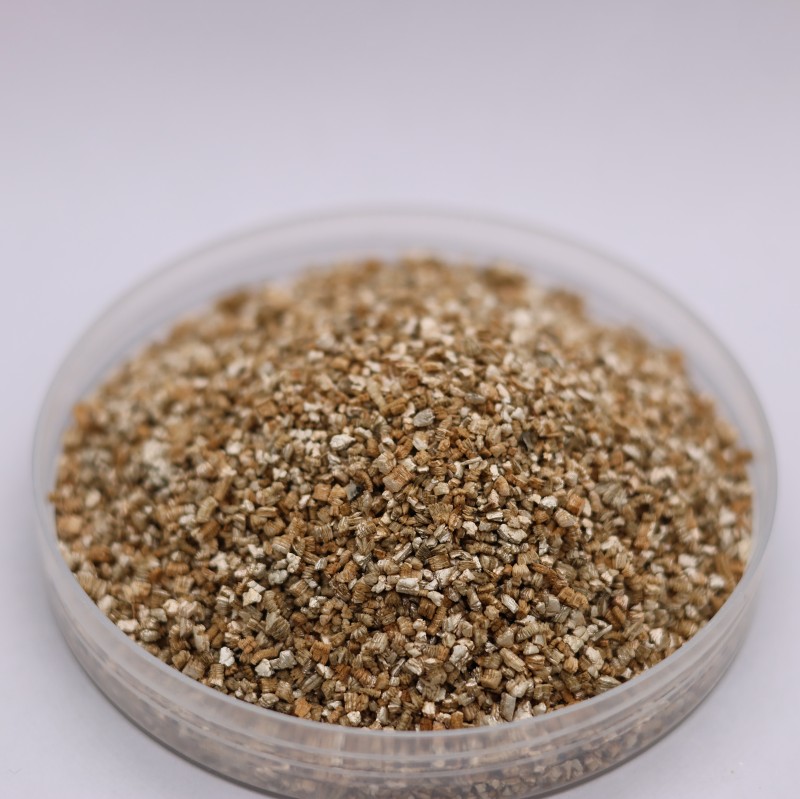
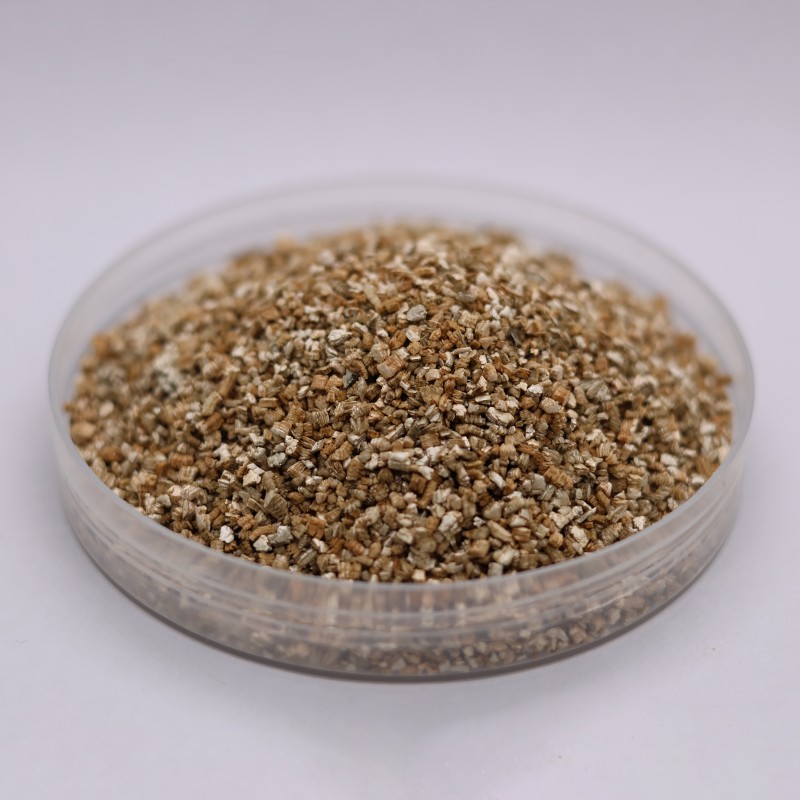
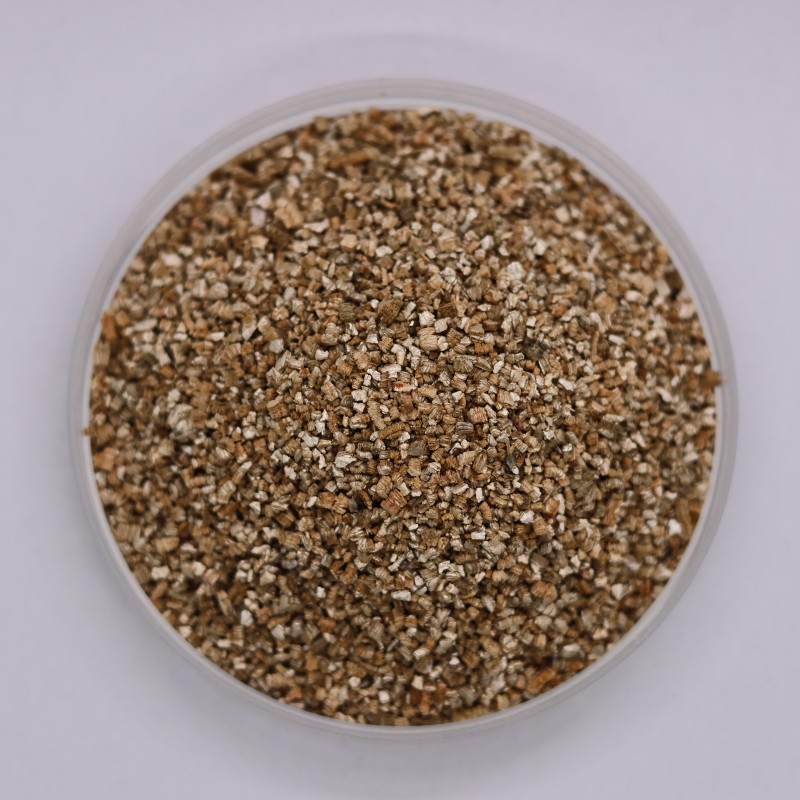
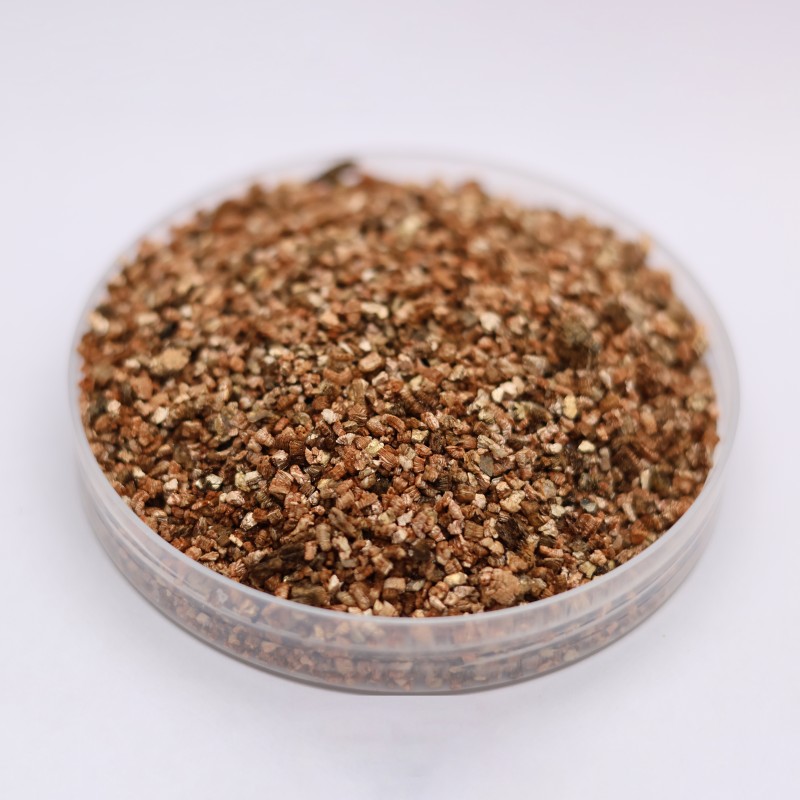
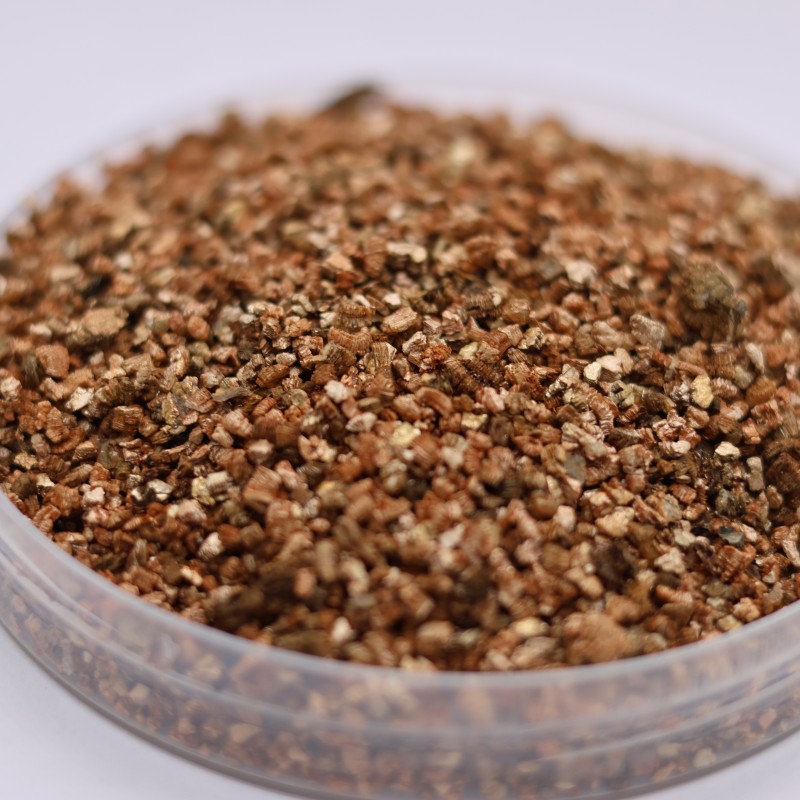
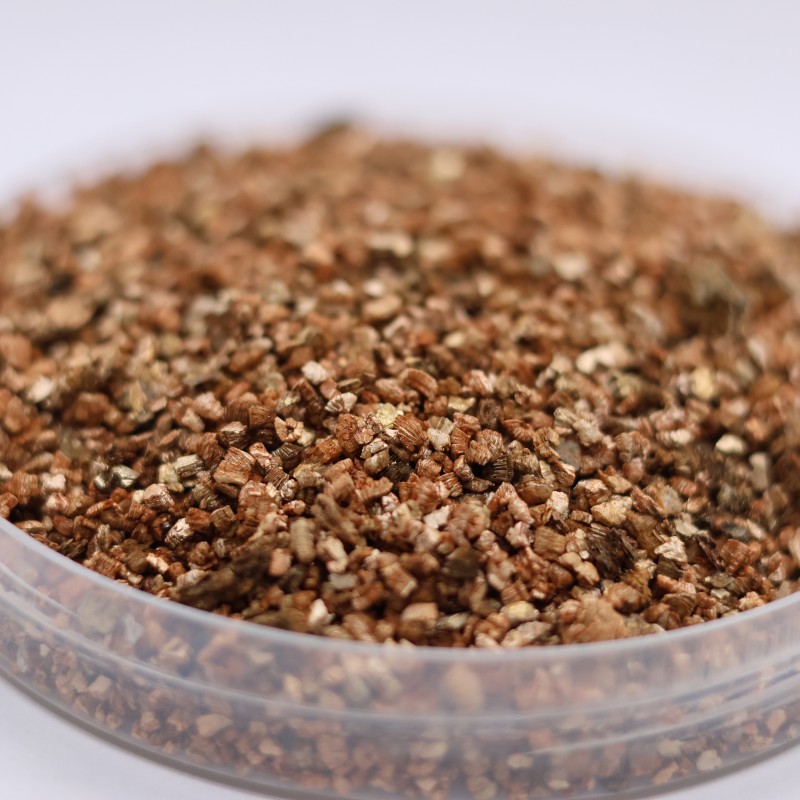
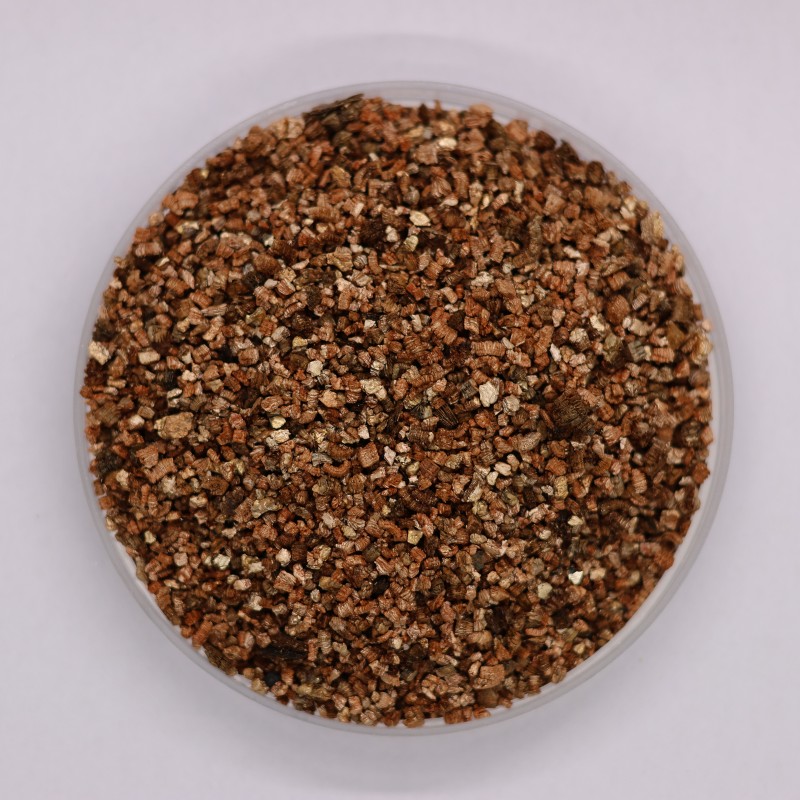
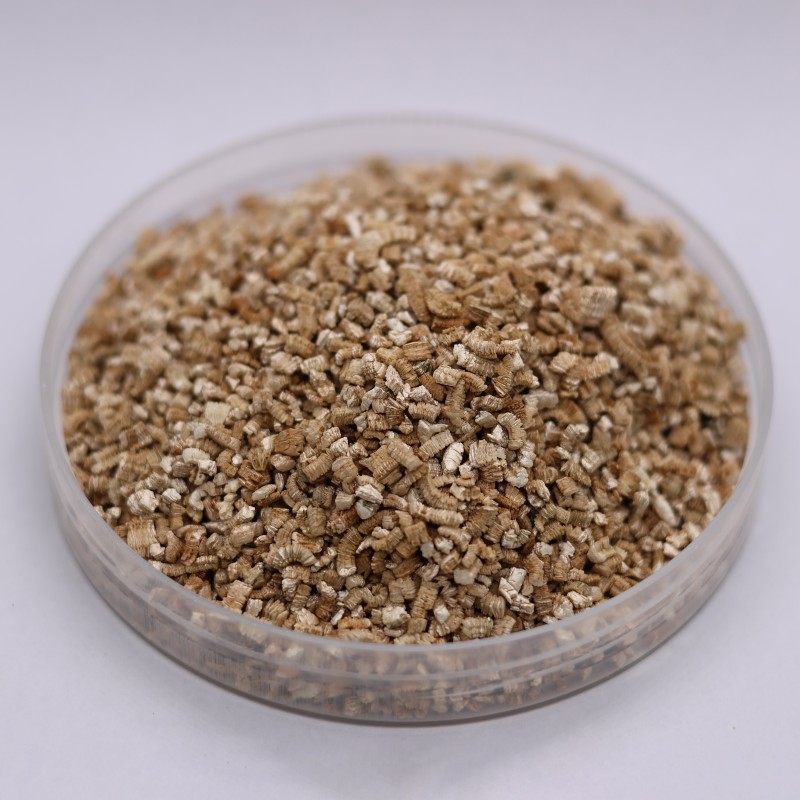
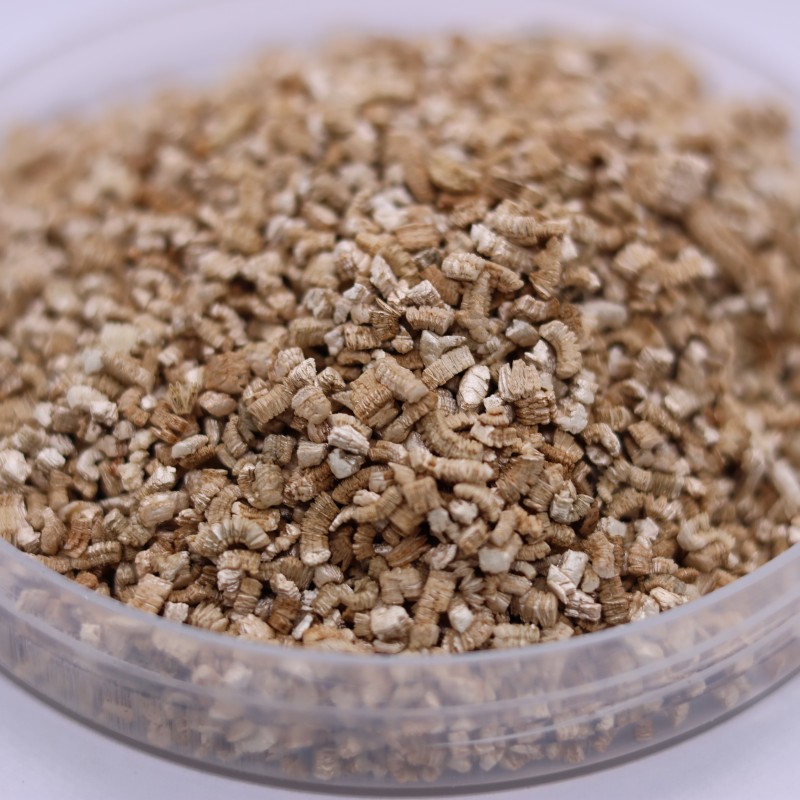
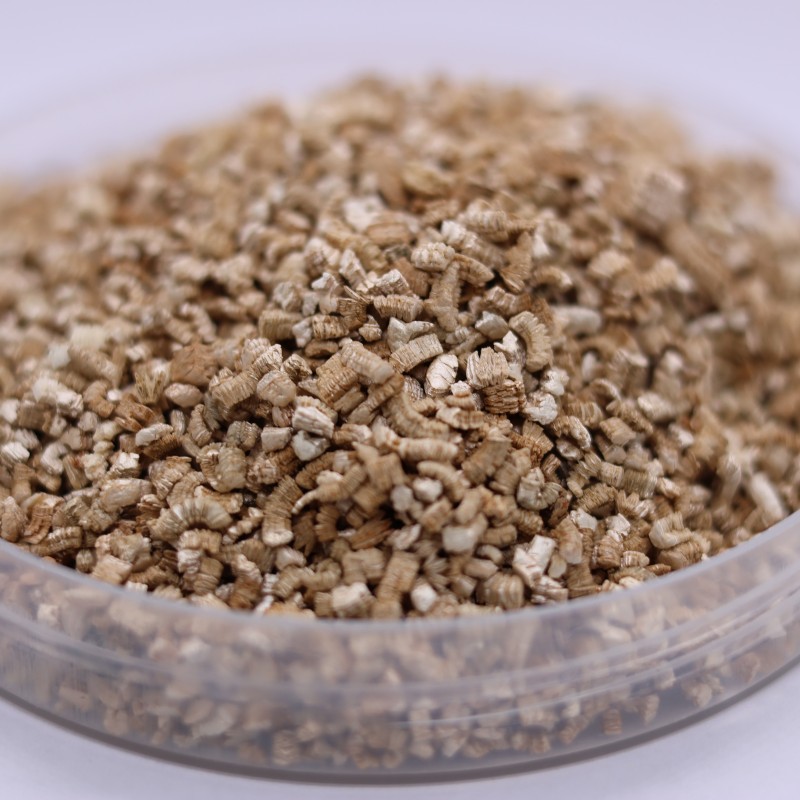
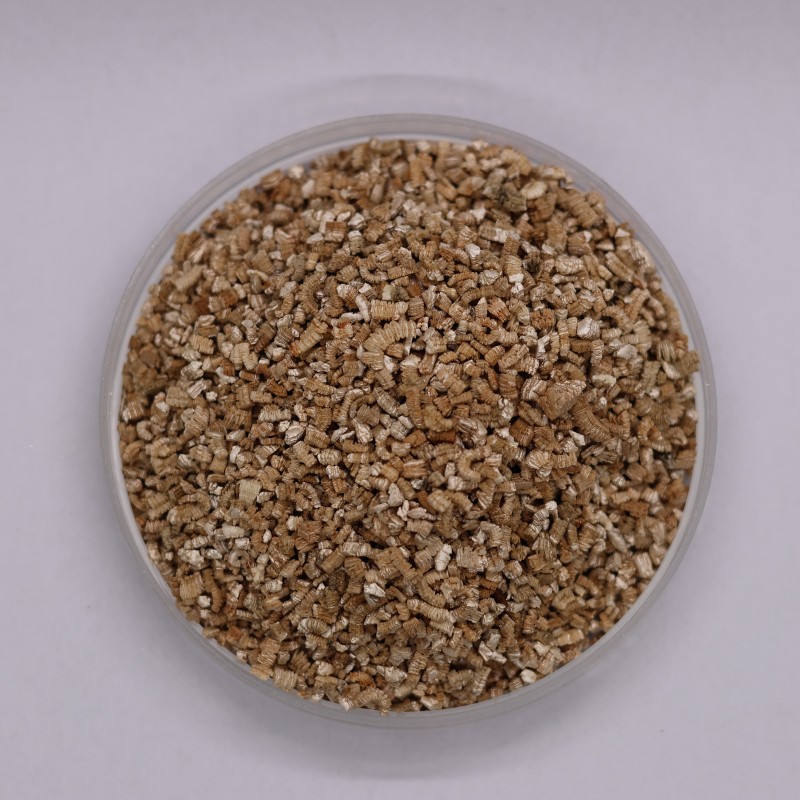
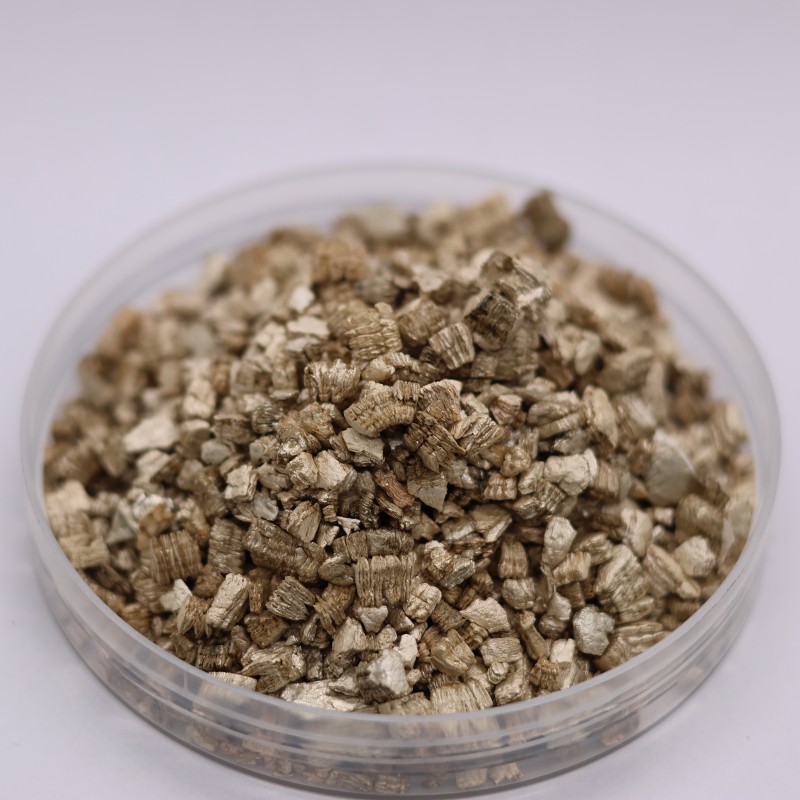
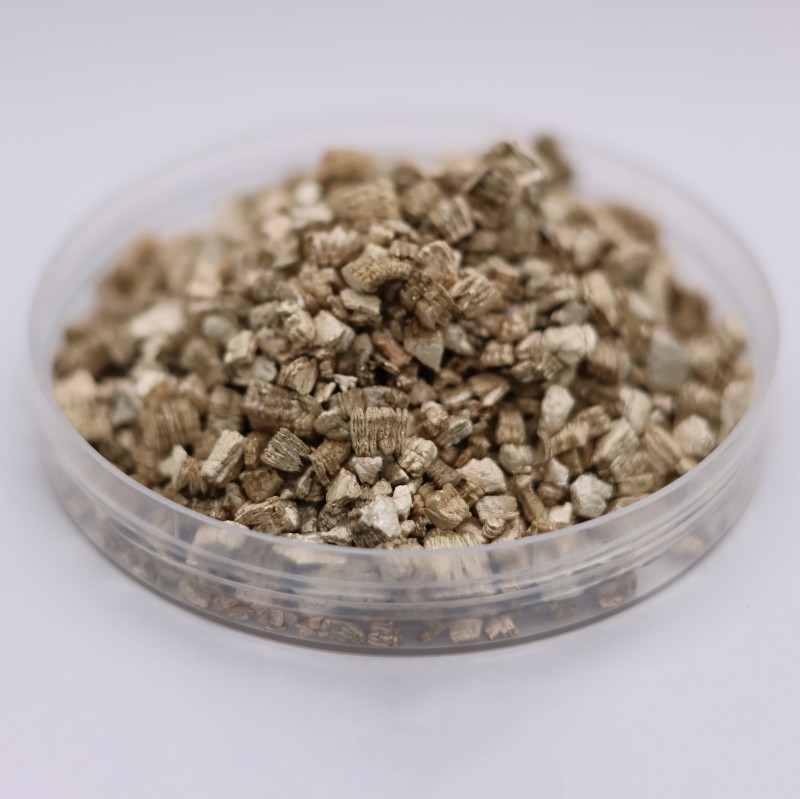
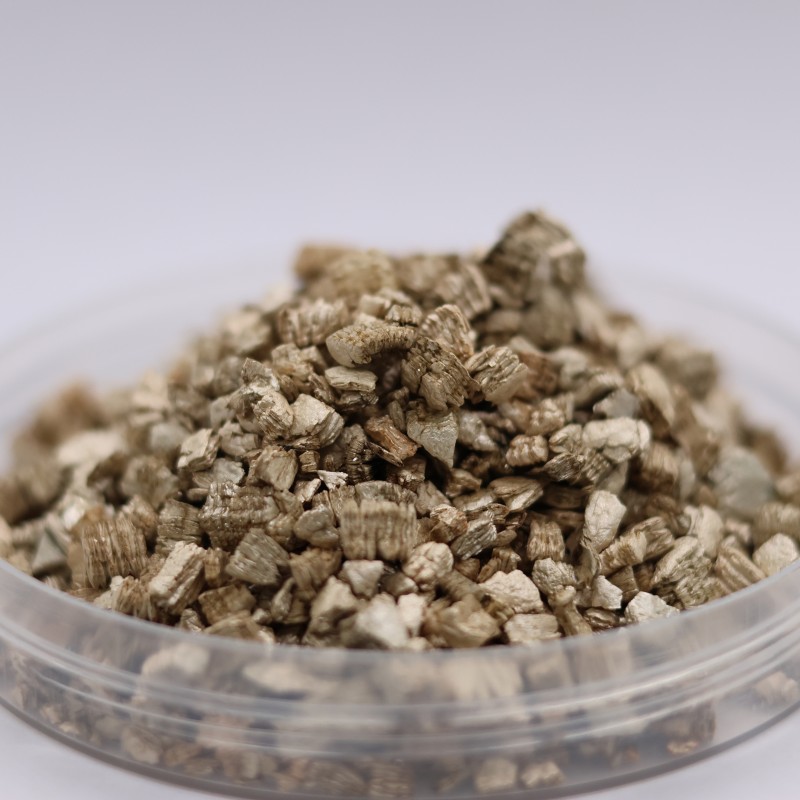
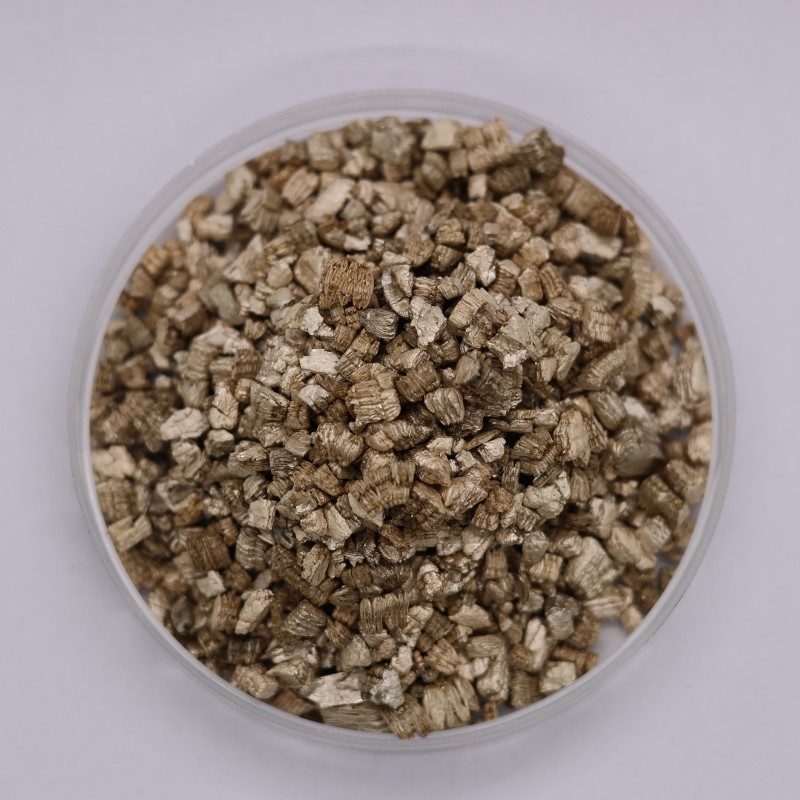
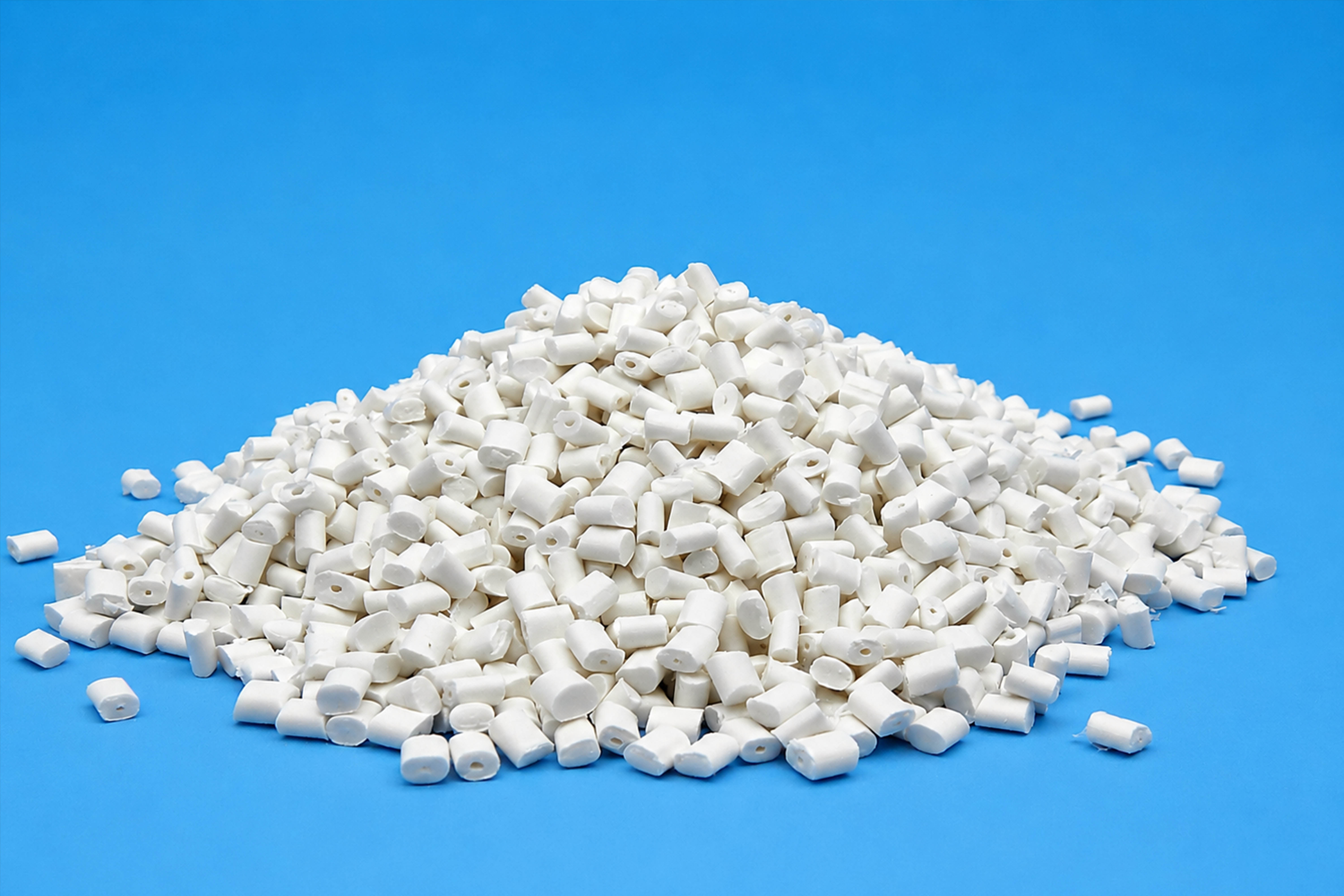
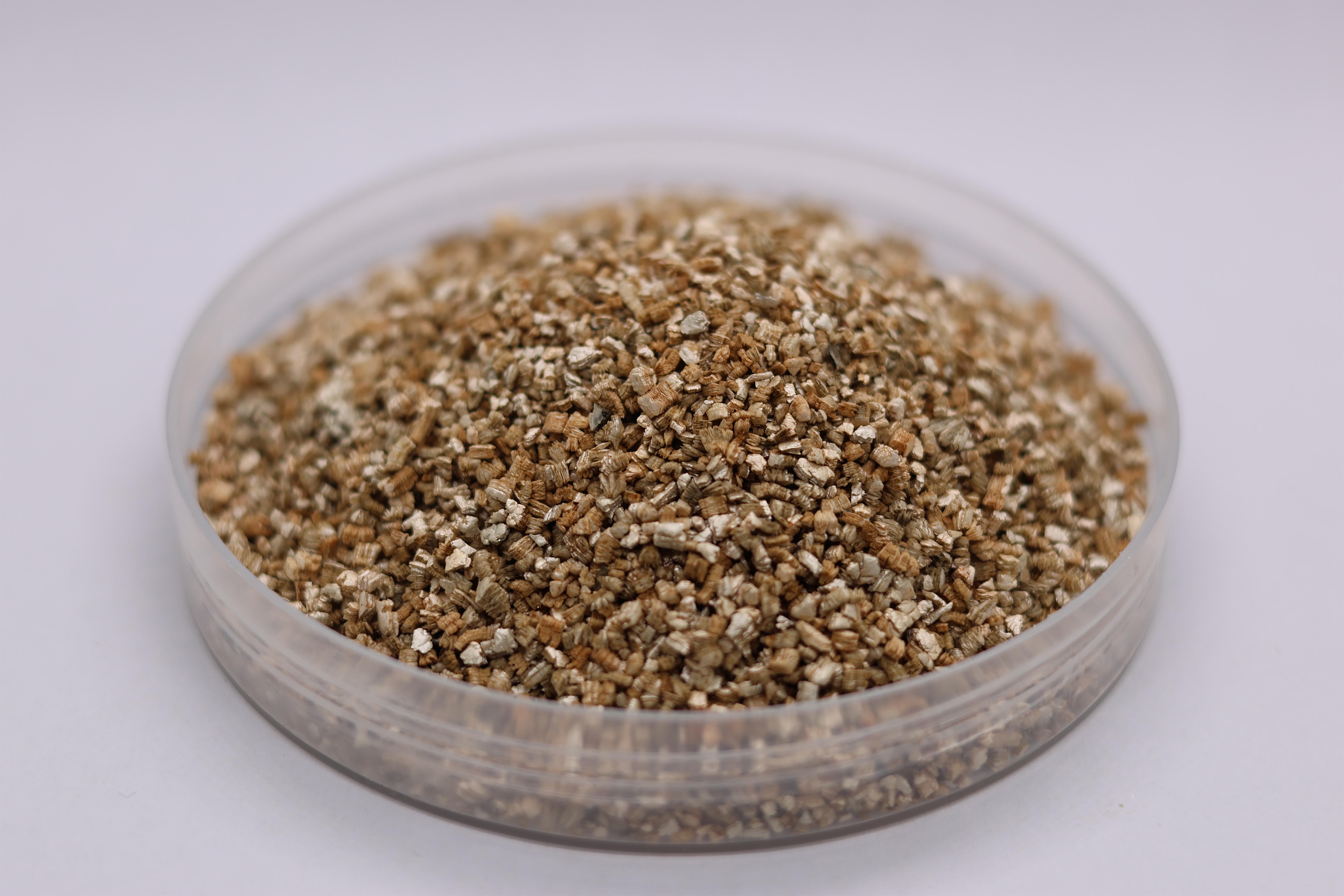
Expanded vermiculite is a lightweight mineral material made by heating high-quality vermiculite ore at elevated temperatures. This process transforms the layered water within the vermiculite structure into steam, resulting in the expansion of mineral flakes into lightweight, accordion-like particles. These particles boast low bulk density, high porosity, and excellent thermal insulation properties. The final product is a non-metallic, chemically stable, and versatile material, easy to blend with various other substances.

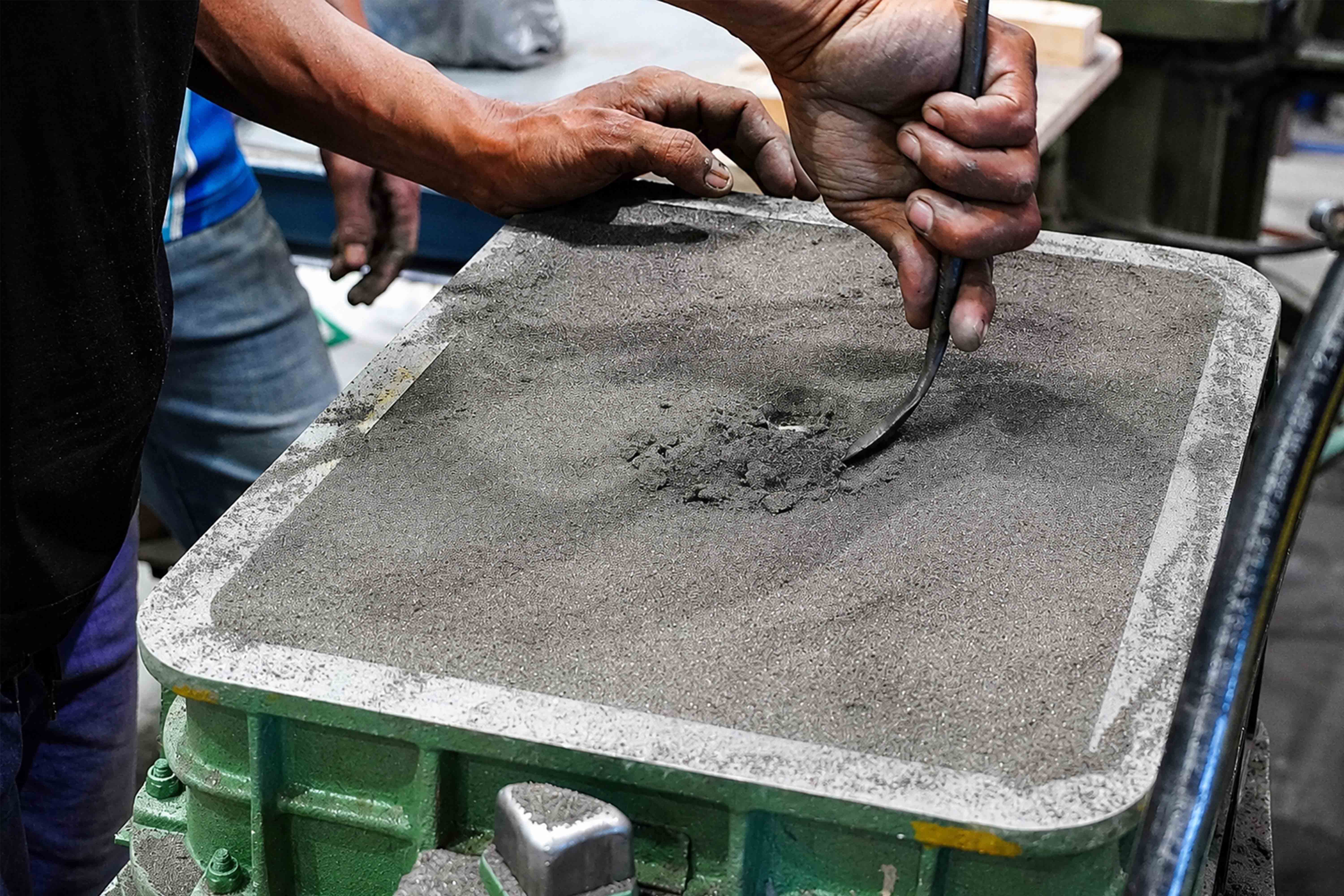
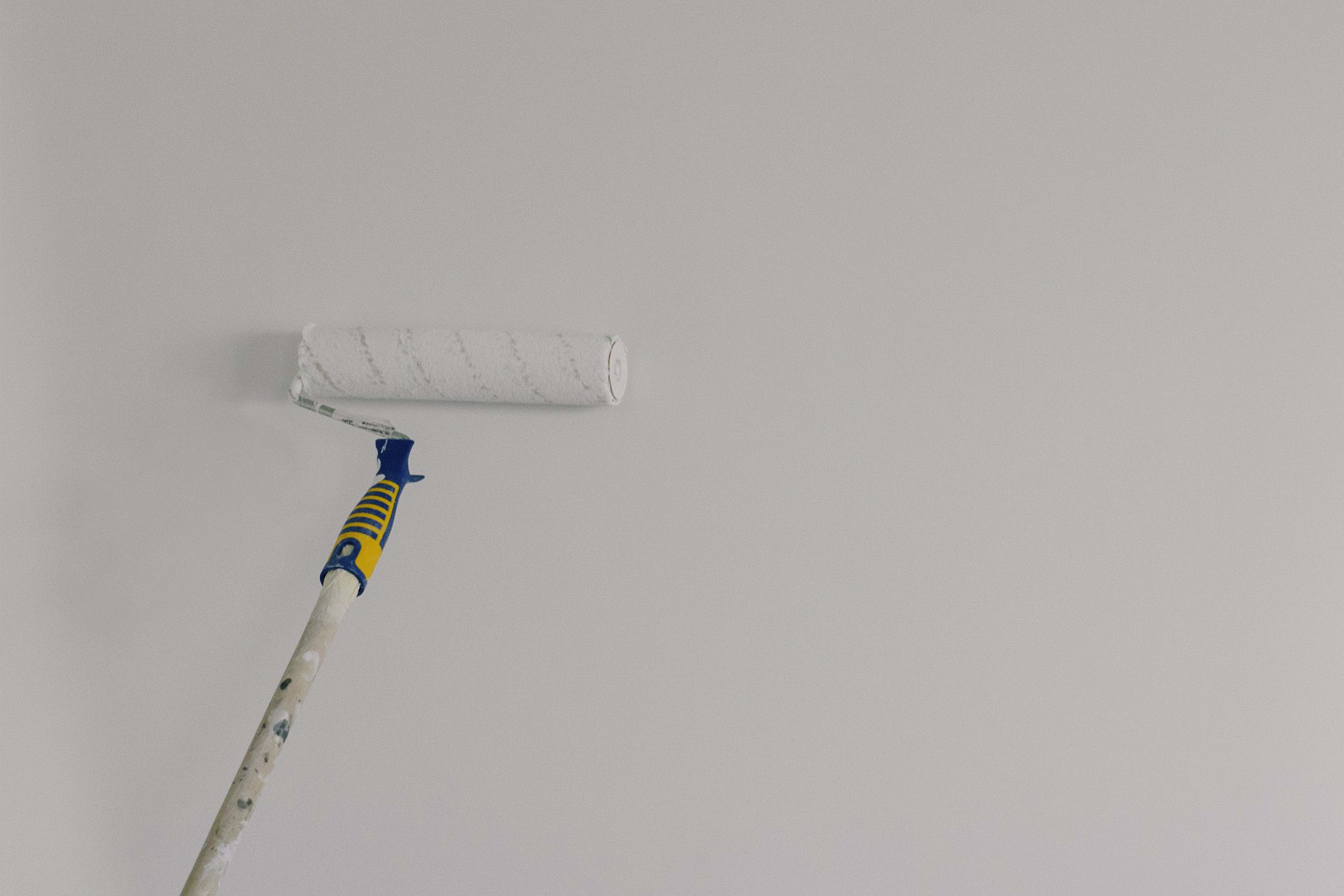
Due to its unique structure, expanded vermiculite finds extensive applications in horticulture, agriculture, thermal insulation, fire-resistant materials, lightweight concrete, dry mortar, refractory mixes, packaging, animal bedding, soil enhancement, seed germination, and industrial filler applications. It effectively retains water and nutrients in horticultural environments while improving aeration and soil structure. In construction and insulation projects, it contributes to reduced weight, enhanced thermal efficiency, and increased fire resistance.

As a leading supplier in China, WANCHENG MINERAL offers expanded vermiculite in various particle sizes and grades tailored for diverse applications. We provide options ranging from fine, medium, coarse to super coarse particles. Our products are ideal for professional growers, potting soil manufacturers, construction material factories, fireproof board producers, refractory manufacturers, insulation contractors, distributors, and industrial users. We offer bulk supply, export packaging, sample support, and customized particle size solutions directly from our factory.

For international customers, selecting the appropriate grade of expanded vermiculite is crucial. Horticultural uses typically require clean particles that excel in water retention, aeration, and optimal size distribution. Meanwhile, construction and insulation needs focus on lightweight density, stable thermal behavior, and uniform particle size. Refractory applications demand higher temperature stability and a specific chemical composition. WANCHENG MINERAL is committed to assisting customers in selecting the right grades based on their final applications and market demands.

    This is a paragraph

    This is a paragraph

    This is a paragraph

    Chemical Composition & Specifications
    Chemical Component Typical Content Description
    SiO2
    35% - 45% Main silicate component
    MgO
    20% - 30% Typical vermiculite component
    Al2O3
    8% - 16% Alumina component
    Fe2O3
    5% - 12% Affects color and mineral characteristics
    K2O
    3% - 8% Interlayer alkali component
    CaO
    1% - 5% Minor component
    TiO2
    0.5% - 2% Trace component
    Loss on Ignition
    Varies by grade Related to water and expansion behavior
    Frequently Asked Questions
    FAQ What is the primary chemical constituent of this mineral?

    The dominant chemical compound is Silicon Dioxide (SiO₂), accounting for 35% to 45% of the total composition, which forms the primary silicate framework of the material.

    FAQ Why is Magnesium Oxide (MgO) significant in the composition?

    Magnesium Oxide (MgO), ranging between 20% and 30%, is a characteristic component that gives the mineral its structural stability and distinct physical performance properties.

    FAQ How does Iron Oxide (Fe₂O₃) affect the material's properties?

    Iron Oxide (Fe₂O₃), typically present at 5% to 12%, directly influences the visual coloration, thermal tolerance, and mineralogical characteristics of the product.

    FAQ What does "Loss on Ignition" (LOI) signify?

    Loss on Ignition measures the release of interlayer water and volatile matter during thermal exposure, directly reflecting the expansion and exfoliation capacity across different grades.

    FAQ What roles do trace components like CaO and TiO₂ play?

    Calcium Oxide (CaO at 1% - 5%) and Titanium Dioxide (TiO₂ at 0.5% - 2%) act as secondary trace elements that contribute to overall chemical inertness and mineral matrix stability.

    This is a paragraph

    This is a paragraph

    This is a paragraph

    This is a paragraph

    This is a paragraph

    This is a paragraph

    This is a paragraph

    This is a paragraph

    This is a paragraph

    This is a paragraph

    This is a paragraph

    This is a paragraph

    This is a paragraph

    This is a paragraph

    This is a paragraph

    Application Image Grid Placeholder

    FAQ

    • This is a paragraph

    • This is a paragraph

    • This is a paragraph

    • This is a paragraph

    • This is a paragraph

    • This is a paragraph

    • This is a paragraph

    • This is a paragraph

      This is a paragraph

    This is a paragraph

    This is a paragraph

    This is a paragraph
    This is a paragraph