Leave Your Message

Expanded Vermiculite Powder Suppliers in China - High-Quality Insulating and Lightweight Material from Factory

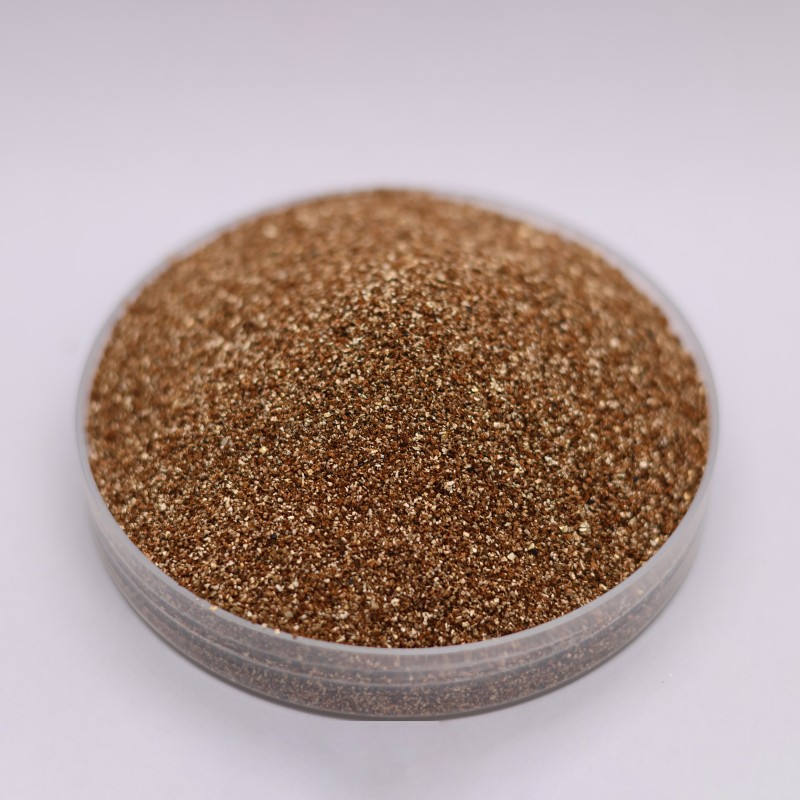
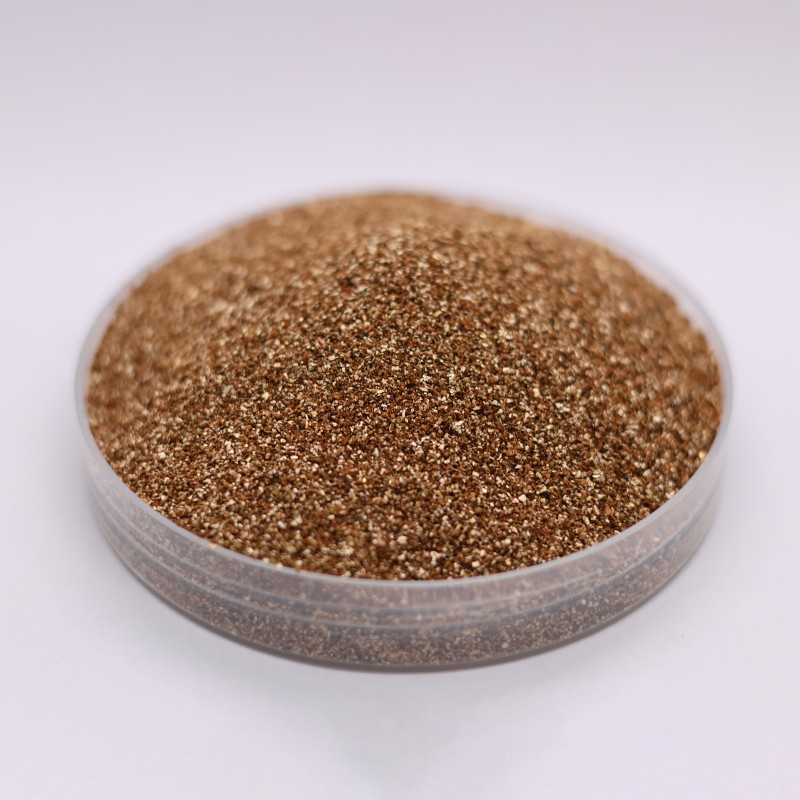
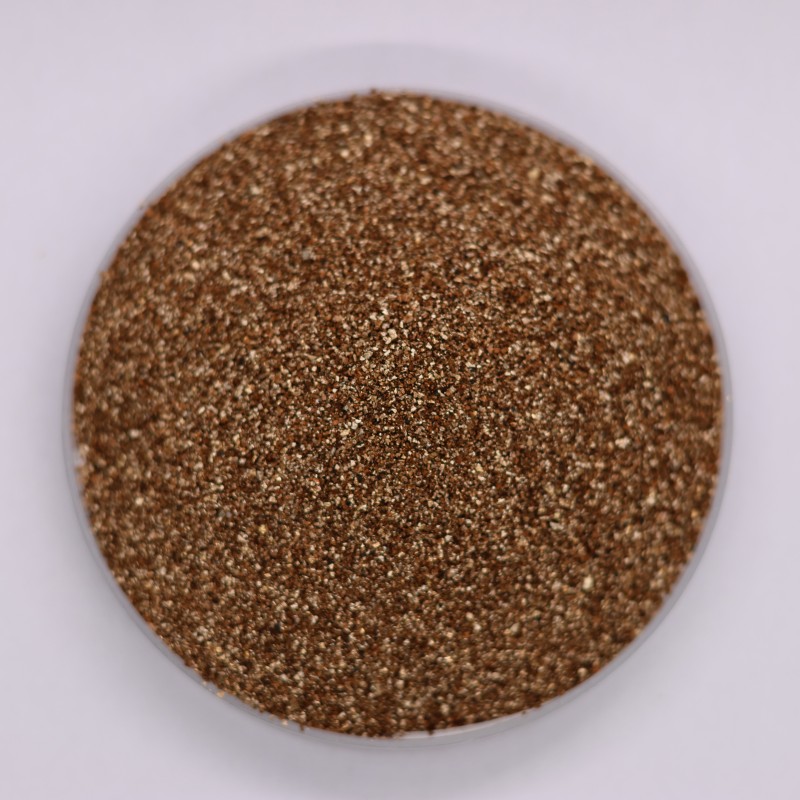
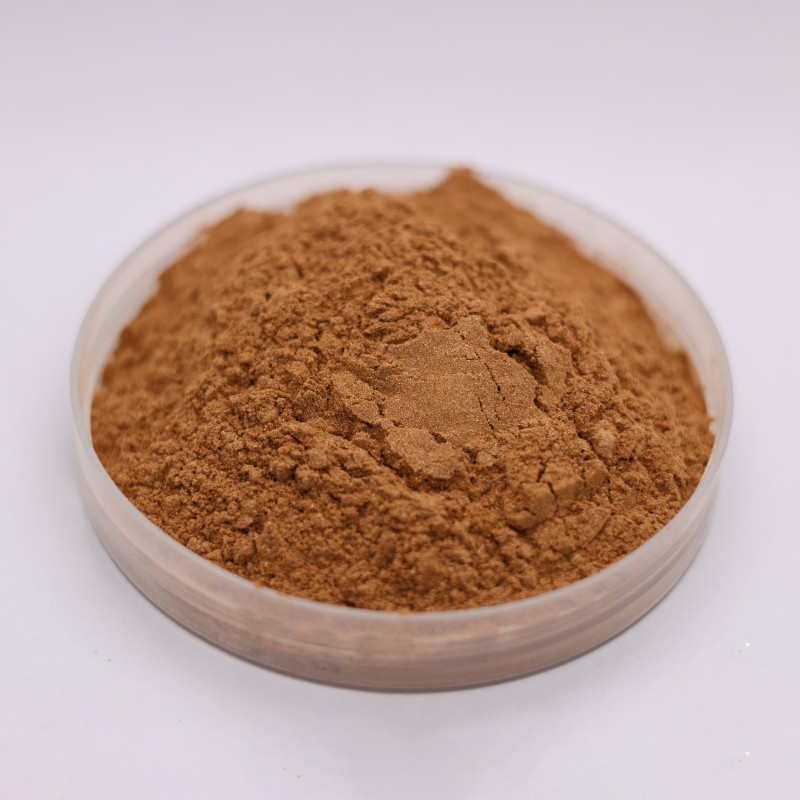
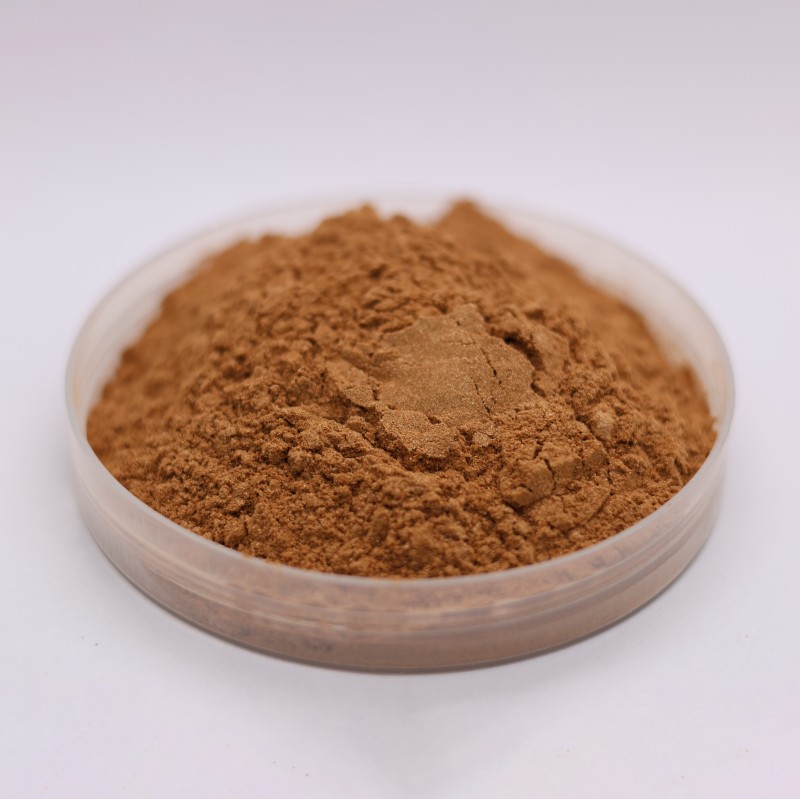
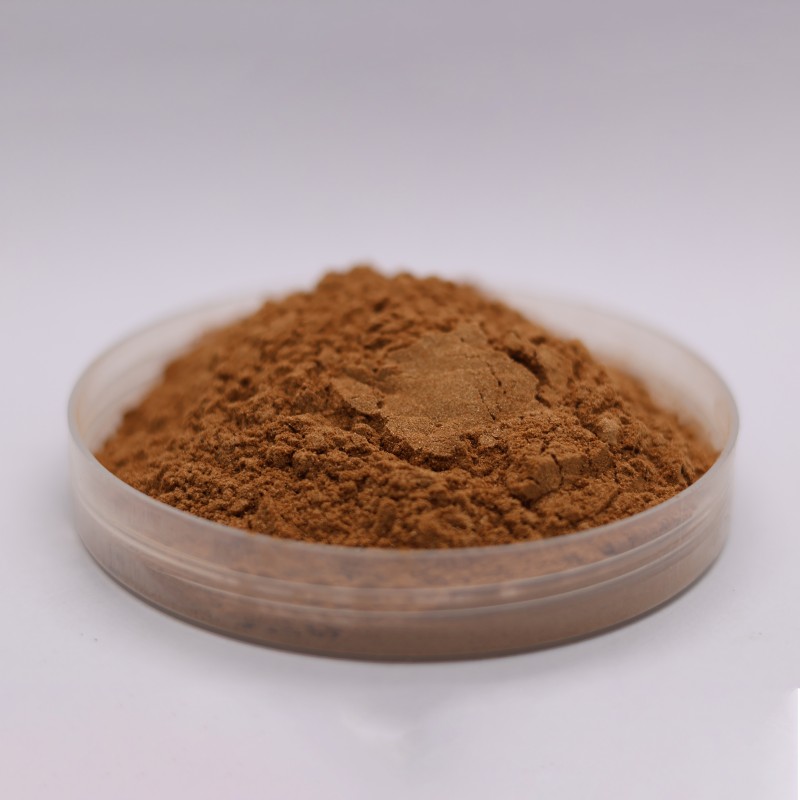
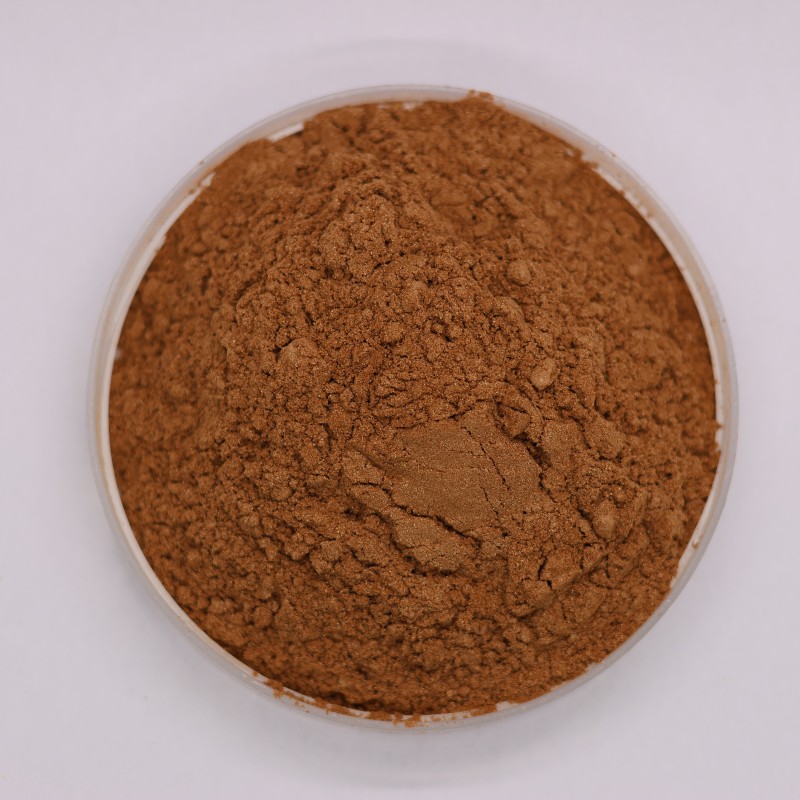
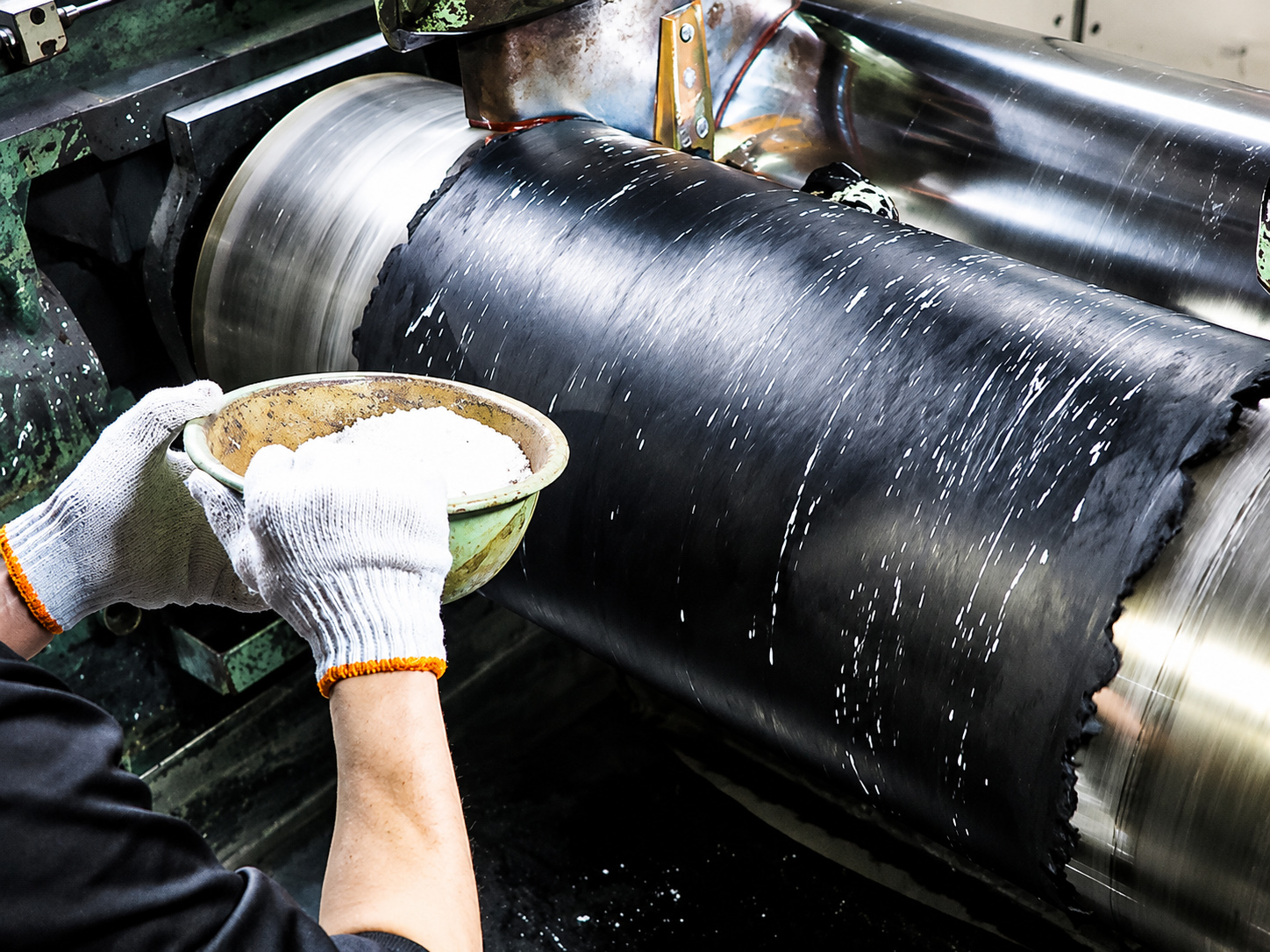
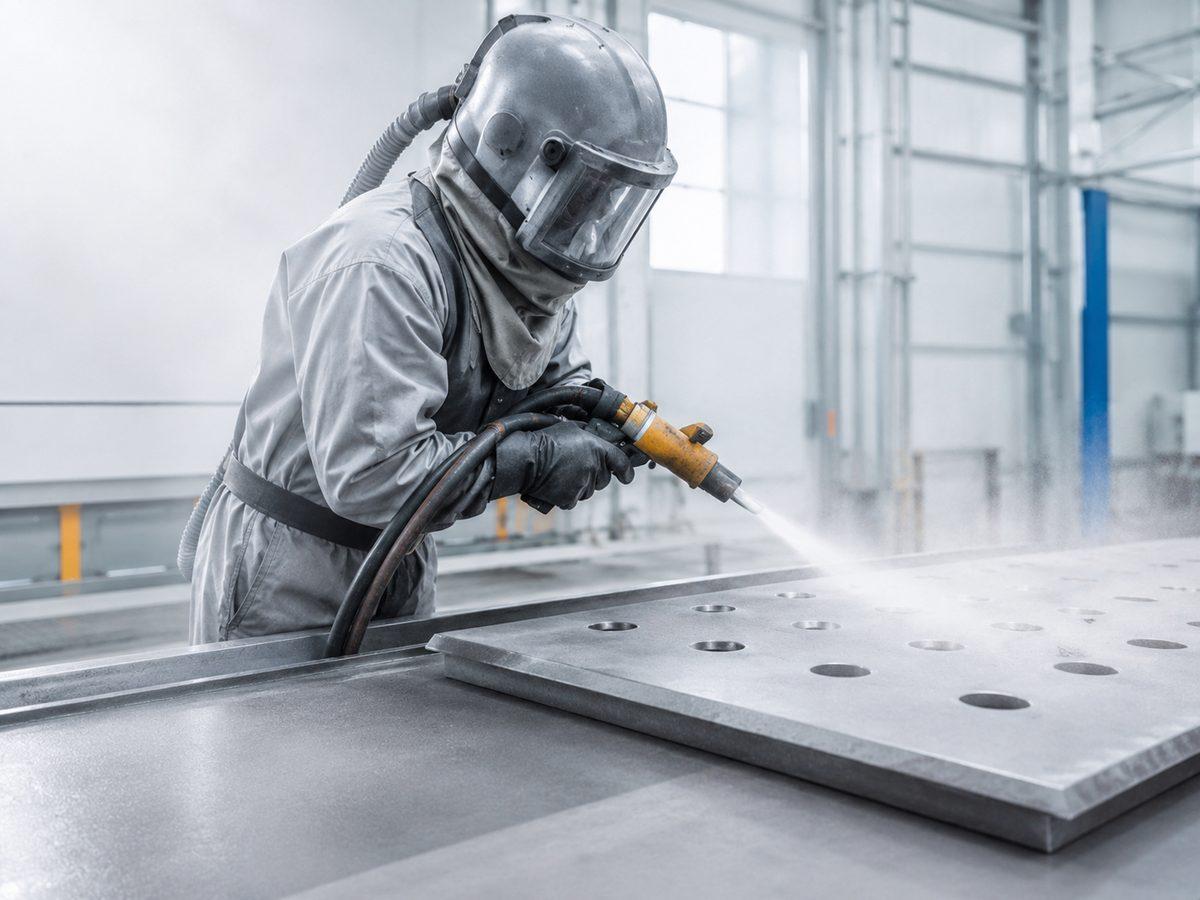
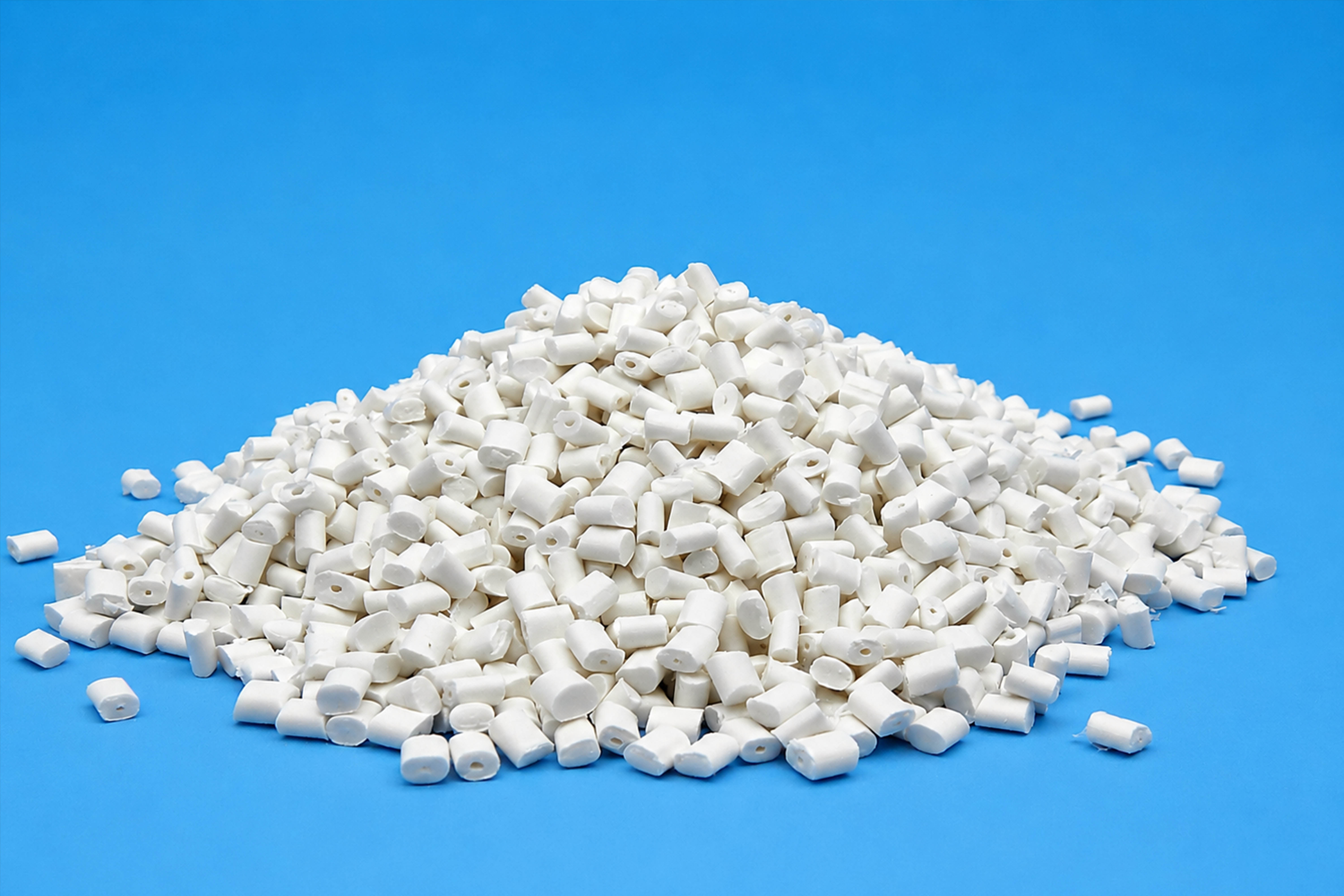
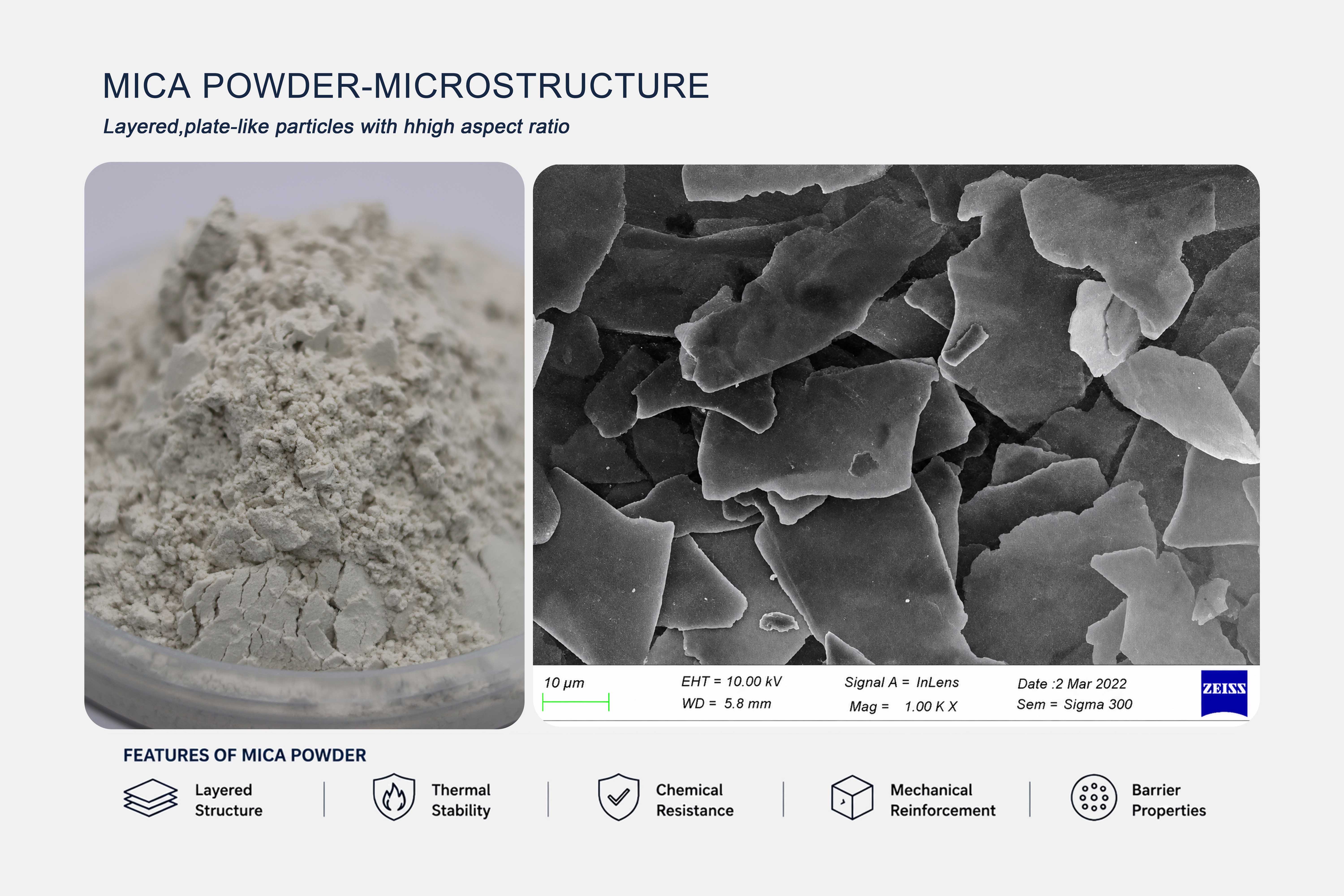
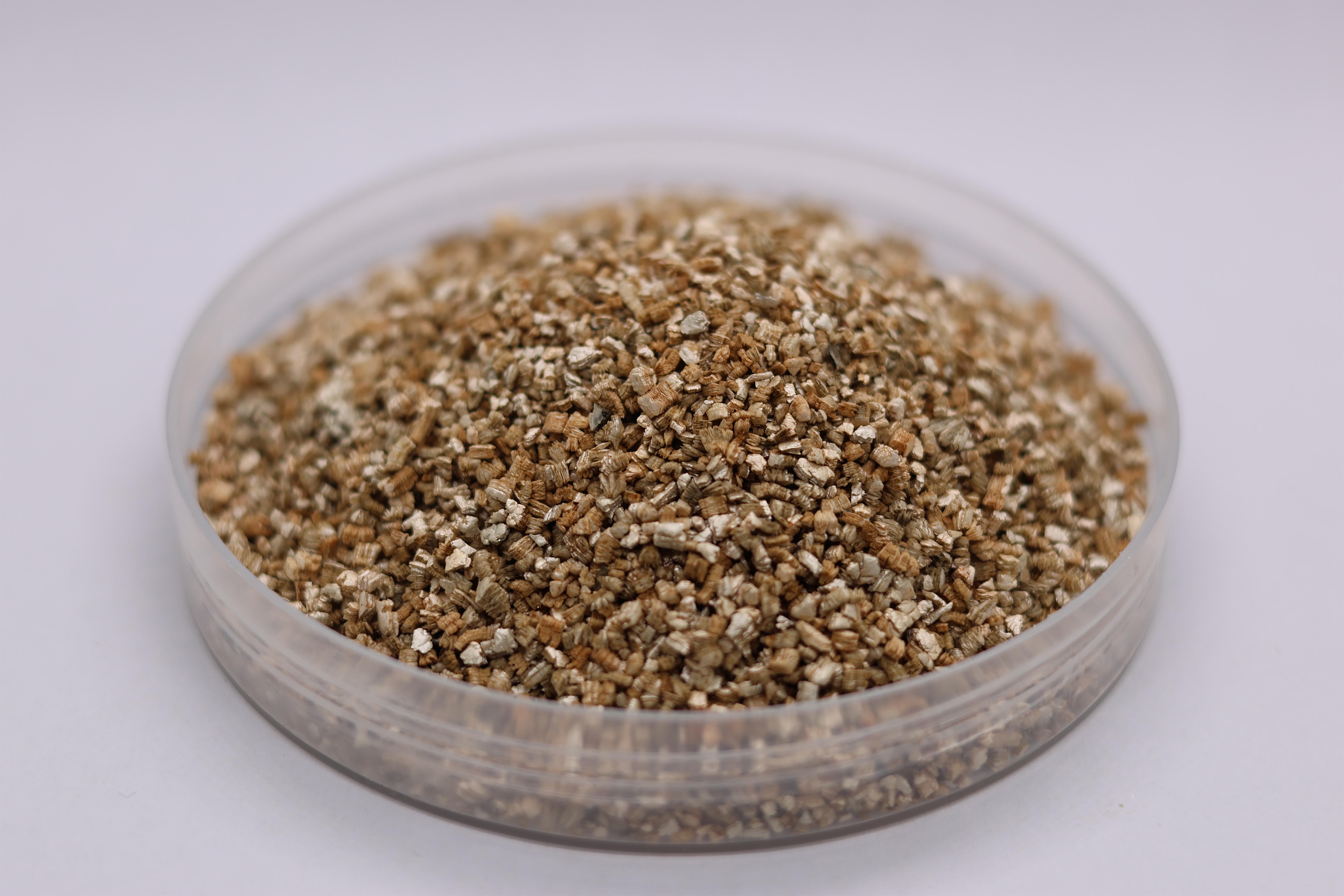
Expanded vermiculite powder is a lightweight mineral material sourced from high-quality natural vermiculite ore, which undergoes high-temperature expansion followed by grinding or classification. This naturally hydrated magnesium-aluminum silicate mineral features a unique layered structure that, when subjected to rapid heating, converts the trapped water into steam, causing significant expansion. The result is expanded vermiculite powder, celebrated for its low bulk density, porous structure, excellent thermal insulation, sound absorption, fire resistance, and moisture retention properties. Unlike standard expanded vermiculite particles, expanded vermiculite powder offers a finer particle size and superior dispersibility, making it an ideal choice for various formulations. As a versatile product, it serves multiple purposes: a lightweight filler, insulating additive, fire-resistant mineral component, soil amendment material, absorbent powder, and functional filler across diverse industries such as construction, agriculture, coatings, refractory materials, friction products, animal feed carriers, and industrial formulations. As a leading supplier in China, WANCHENG MINERAL provides high-quality expanded vermiculite powder tailored to meet the specific needs of customers, ensuring a stable particle size, lightweight performance, excellent absorption, low thermal conductivity, and a reliable bulk supply. Customization options are available based on mesh size, bulk density, moisture content, packaging, and application requirements. For clients utilizing the product in technical applications, we recommend conducting sample testing before placing bulk orders to guarantee compatibility with production systems. As a non-metallic mineral product, expanded vermiculite powder is prized for its natural origins, low density, thermal stability, and exceptional application versatility. It is particularly beneficial for customers looking to reduce material weight, enhance insulation properties, increase porosity, improve fire resistance, or incorporate a mineral carrier with absorption capabilities. WANCHENG MINERAL, a premier factory in China, is committed to quality control, consistent supply, specialized export packaging, and professional communication with global industrial customers.

    This is a paragraph

    This is a paragraph

    This is a paragraph

    Chemical Component Typical Content Description
    SiO2 35% - 45% Main silicate component
    MgO 15% - 25% Typical vermiculite component
    Al2O3 8% - 15% Aluminosilicate component
    Fe2O3 5% - 12% Varies by ore source
    K2O 2% - 6% Interlayer component
    CaO 1% - 4% Minor component
    TiO2 0.5% - 2% Trace component
    Loss on Ignition Reduced after expansion Depends on processing
    Frequently Asked Questions
    Q What is the primary chemical compound found in vermiculite?
    Silicon Dioxide (SiO2) is the dominant constituent, accounting for 35% to 45% of the total composition, forming the foundational silicate structure of the mineral.
    Q Why is the Magnesium Oxide (MgO) content significant?
    With a content range of 15% to 25%, MgO plays a crucial role in providing structural stability, high cation exchange capacity, and exceptional thermal resistance.
    Q What does "Loss on Ignition" (LOI) indicate in this analysis?
    Loss on Ignition refers to the release of interlayer water and volatile matter when heated. During thermal expansion, this value significantly decreases as water evaporates to expand the flakes.
    Q Why does the Iron Oxide (Fe2O3) percentage vary?
    Fe2O3 levels (5% - 12%) vary based on the geological deposit and regional mineral formation from which raw crude vermiculite is mined.
    Q Are these chemical components safe and non-toxic?
    Yes, high-grade vermiculite consists of naturally occurring, chemically inert mineral oxides that are non-toxic, odorless, and safe for industrial, agricultural, and construction use.
    Q How does the chemical composition affect thermal insulation?
    The balanced combination of SiO2, Al2O3, and MgO delivers an exceptionally high melting point and low thermal conductivity, making it ideal for refractory applications.

    This is a paragraph

    This is a paragraph

    This is a paragraph

    This is a paragraph

    This is a paragraph

    This is a paragraph

    This is a paragraph

    This is a paragraph

    This is a paragraph

    This is a paragraph

    This is a paragraph

    This is a paragraph

    This is a paragraph

    This is a paragraph

    This is a paragraph

    Application Image Grid Placeholder

    FAQ

    • This is a paragraph

    • This is a paragraph

    • This is a paragraph

    • This is a paragraph

    • This is a paragraph

    • This is a paragraph

    • This is a paragraph

    • This is a paragraph

      This is a paragraph

    This is a paragraph

    This is a paragraph

    This is a paragraph
    This is a paragraph