
Leave Your Message

High-Quality Filler Glass Beads from China Suppliers and Factory for Enhanced Performance in Various Applications

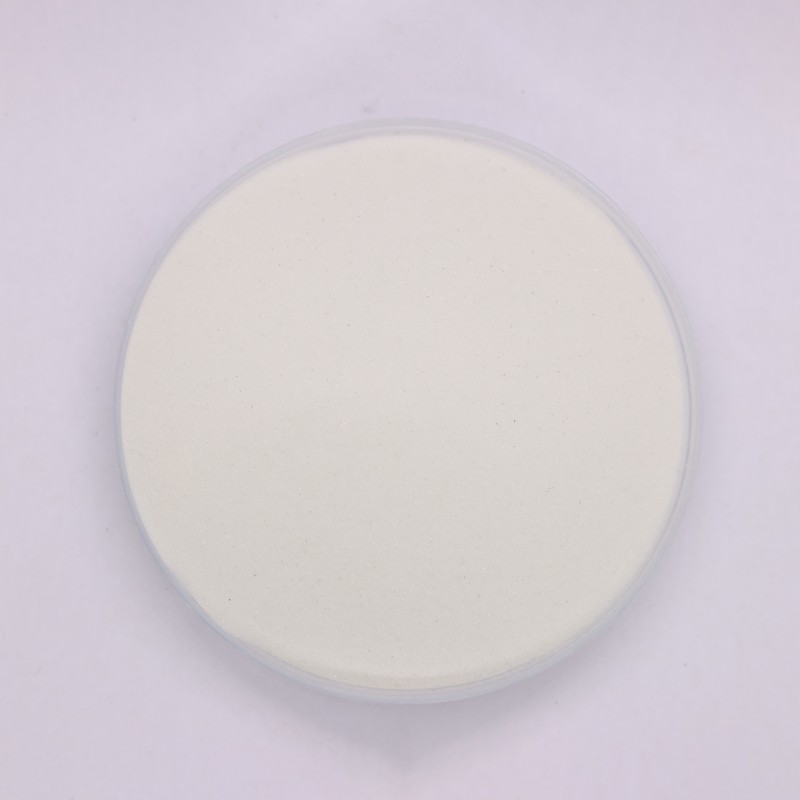
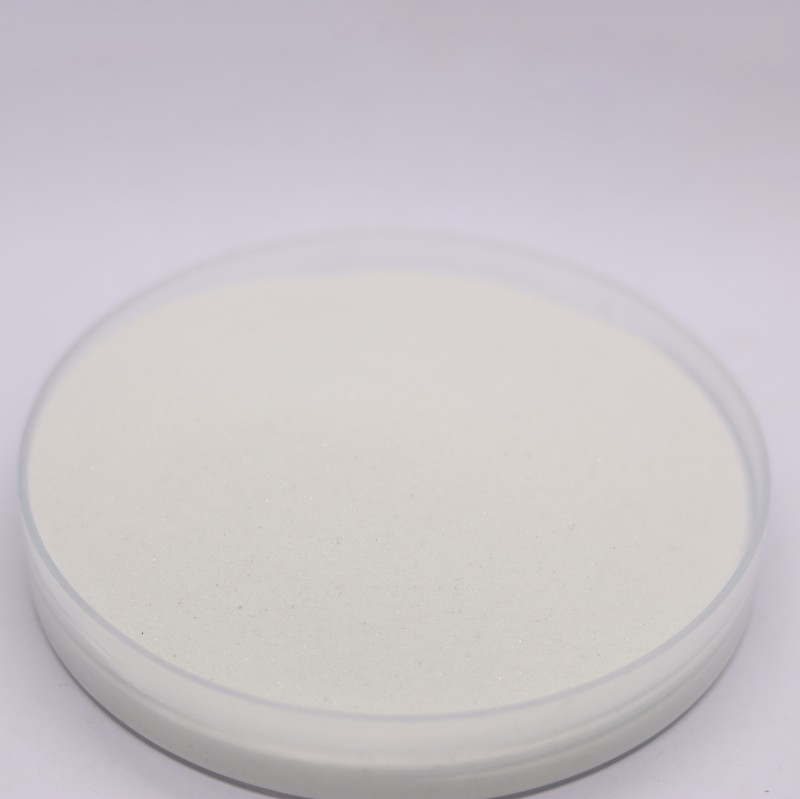
Filler glass beads are high-performance, spherical solid glass particles that serve as essential functional fillers in various applications, including plastics, coatings, paints, rubber, adhesives, sealants, resin systems, and composite materials. Unlike traditional irregular mineral powders, these glass beads feature a smooth, round surface and stable spherical shape, enhancing flowability, reducing viscosity, and improving processing performance while ensuring a uniform filler distribution across diverse industrial formulations.

Manufacturers often choose filler glass beads for both cost efficiency and significant performance enhancements. Their spherical geometry lessens internal friction between particles, optimizes resin flow, facilitates better mold filling, and minimizes shrinkage in molded products. In coatings and paints, filler glass beads contribute to increased surface hardness, improved abrasion resistance, enhanced scrub resistance, and overall coating durability. In rubber and sealant systems, these beads enhance dimensional stability while allowing for adjustments in density, viscosity, and processing behavior.

WANCHENG MINERAL, a leading China factory and suppliers of high-quality filler glass beads, guarantees stable particle size distribution, excellent roundness, low impurity content, and dependable bulk supply capabilities. Our glass beads are suitable for manufacturers involved in engineering plastics, industrial coatings, flooring coatings, traffic paints, adhesives, sealants, rubber products, composite panels, casting resins, and other functional industrial materials.

Typically crafted from soda-lime glass, filler glass beads differ from hollow glass microspheres. These solid glass beads deliver hardness, wear resistance, dimensional stability, and enhanced processing flow and surface performance. For applications demanding lightweight properties, hollow glass microspheres may be a more suitable alternative. WANCHENG MINERAL is dedicated to assisting customers in selecting the ideal glass bead type tailored to their specific application needs.

    This is a paragraph

    This is a paragraph

    This is a paragraph

    Chemical Component Typical Content Description
    SiO2
    70% - 73% Main glass network component
    Na2O
    12% - 15% Helps reduce melting temperature
    CaO
    7% - 10% Improves glass stability
    MgO
    2% - 4% Improves durability
    Al2O3
    0.5% - 2.0% Improves chemical resistance
    K2O
    0.5% - 1.5% Minor alkali component
    Fe2O3
    <=0.5% Controlled impurity
    Frequently Asked Questions (FAQ)
    What is the primary chemical component in standard glass?
    Silicon Dioxide (SiO2) is the primary glass network former, typically accounting for 70% to 73% of the total formulation, providing the fundamental structural network.
    Why is Sodium Oxide (Na2O) added to the glass batch?
    Na2O acts as a fluxing agent (typically 12% - 15%) that significantly lowers the melting temperature of silica, thereby optimizing thermal efficiency and processability during manufacturing.
    How do Calcium Oxide (CaO) and Magnesium Oxide (MgO) enhance glass properties?
    CaO (7% - 10%) and MgO (2% - 4%) function as stabilizers. They inhibit the solubility of glass in water and atmospheric moisture, substantially improving structural durability and mechanical stability.
    What is the function of Aluminum Oxide (Al2O3) in the mixture?
    Al2O3 (0.5% - 2.0%) enhances chemical resistance and surface hardness while minimizing the risk of devitrification (unwanted crystallization) during cooling.
    Why must Iron Oxide (Fe2O3) content be strictly controlled below 0.5%?
    Fe2O3 is a natural colorant and impurity. Keeping it below 0.5% ensures optimal optical clarity and prevents undesirable greenish or brownish tinting in clear glass products.
    What is the role of Potassium Oxide (K2O) in minor quantities?
    K2O (0.5% - 1.5%) acts as a complementary alkali modifier, helping to refine viscosity, improve chemical durability, and enhance glass luster.

    This is a paragraph

    This is a paragraph

    This is a paragraph

    This is a paragraph

    This is a paragraph

    This is a paragraph

    This is a paragraph

    This is a paragraph

    This is a paragraph

    This is a paragraph

    This is a paragraph

    This is a paragraph

    This is a paragraph

    This is a paragraph

    This is a paragraph

    Application Image Grid Placeholder

    FAQ

    • This is a paragraph

    • This is a paragraph

    • This is a paragraph

    • This is a paragraph

    • This is a paragraph

    • This is a paragraph

    • This is a paragraph

    • This is a paragraph

      This is a paragraph

    This is a paragraph

    This is a paragraph

    This is a paragraph
    This is a paragraph