
This is a paragraph
This is a paragraph

Hot Products
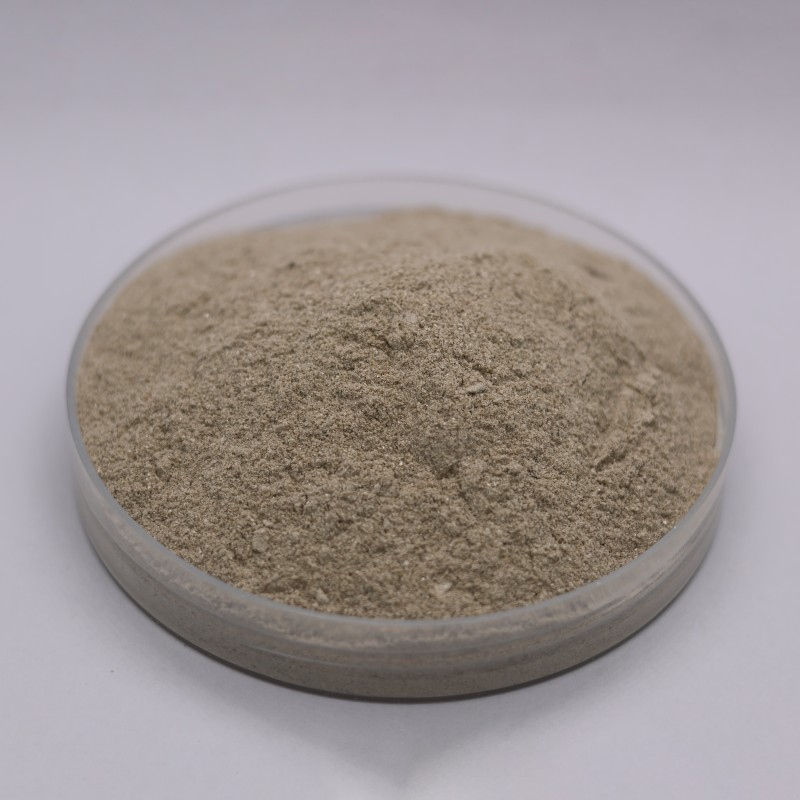
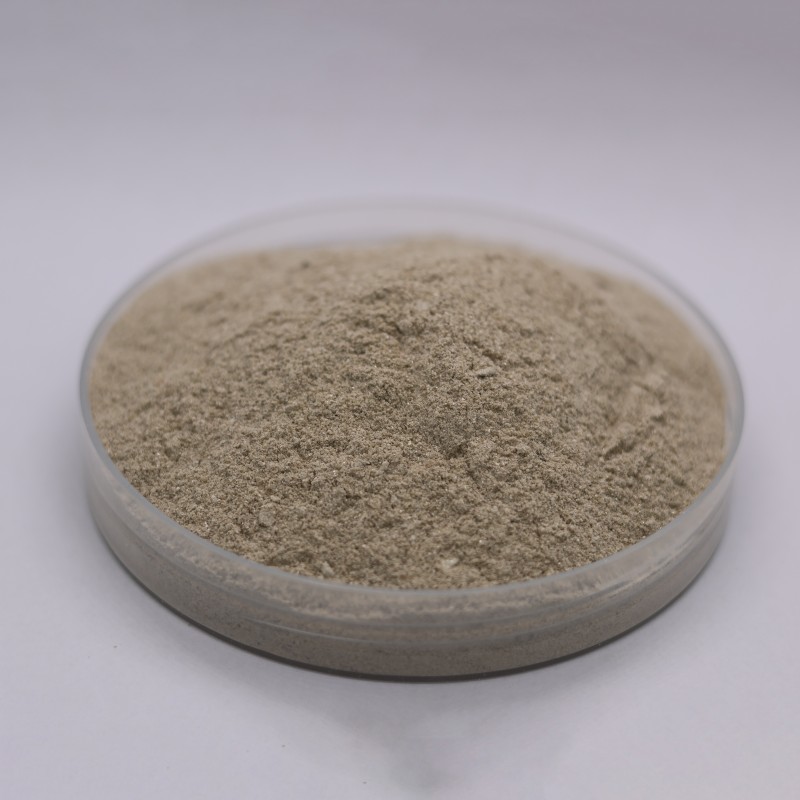
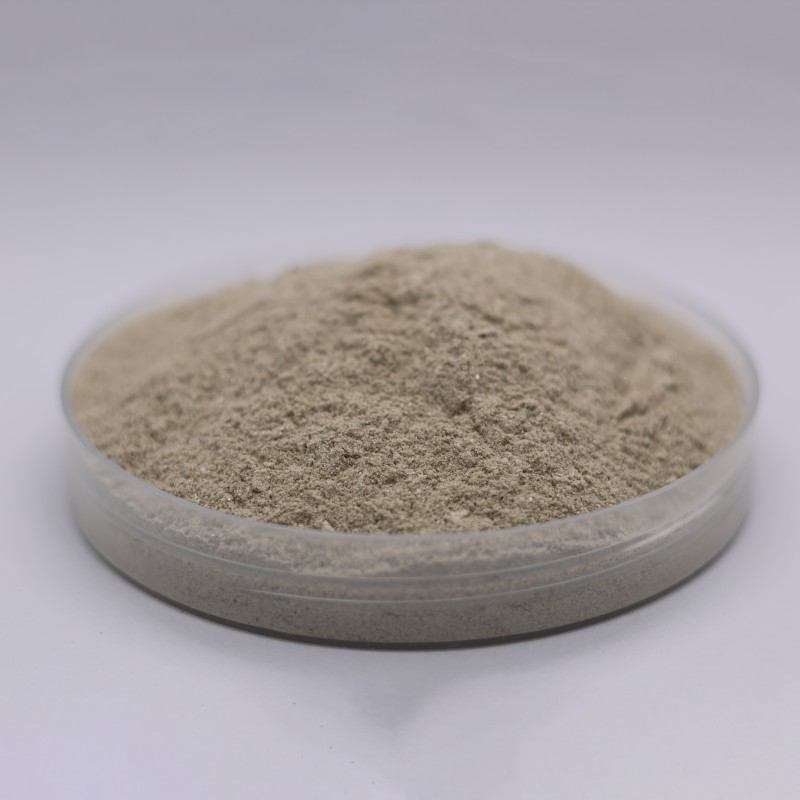
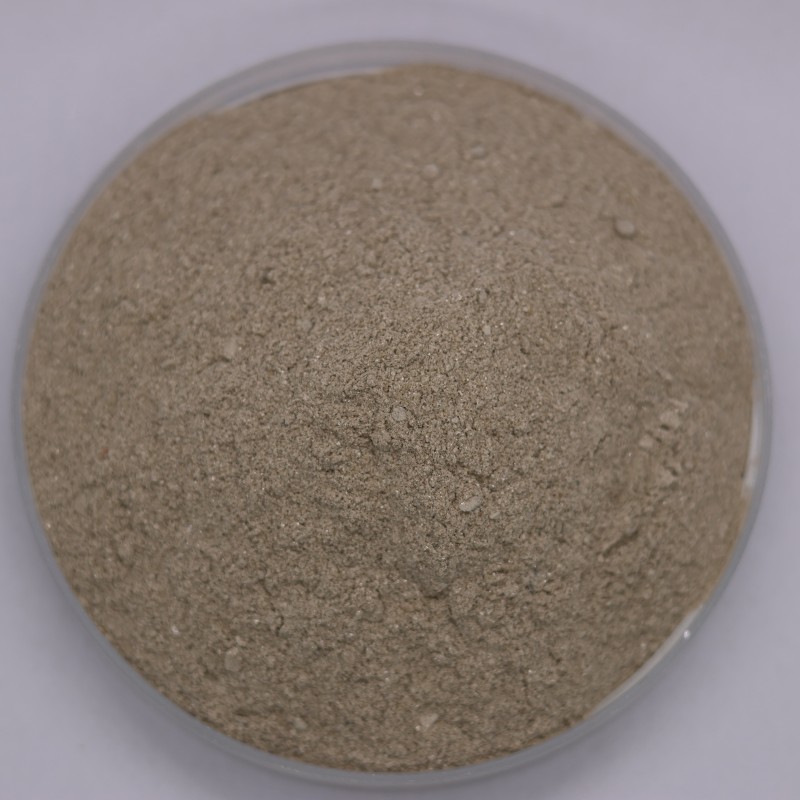
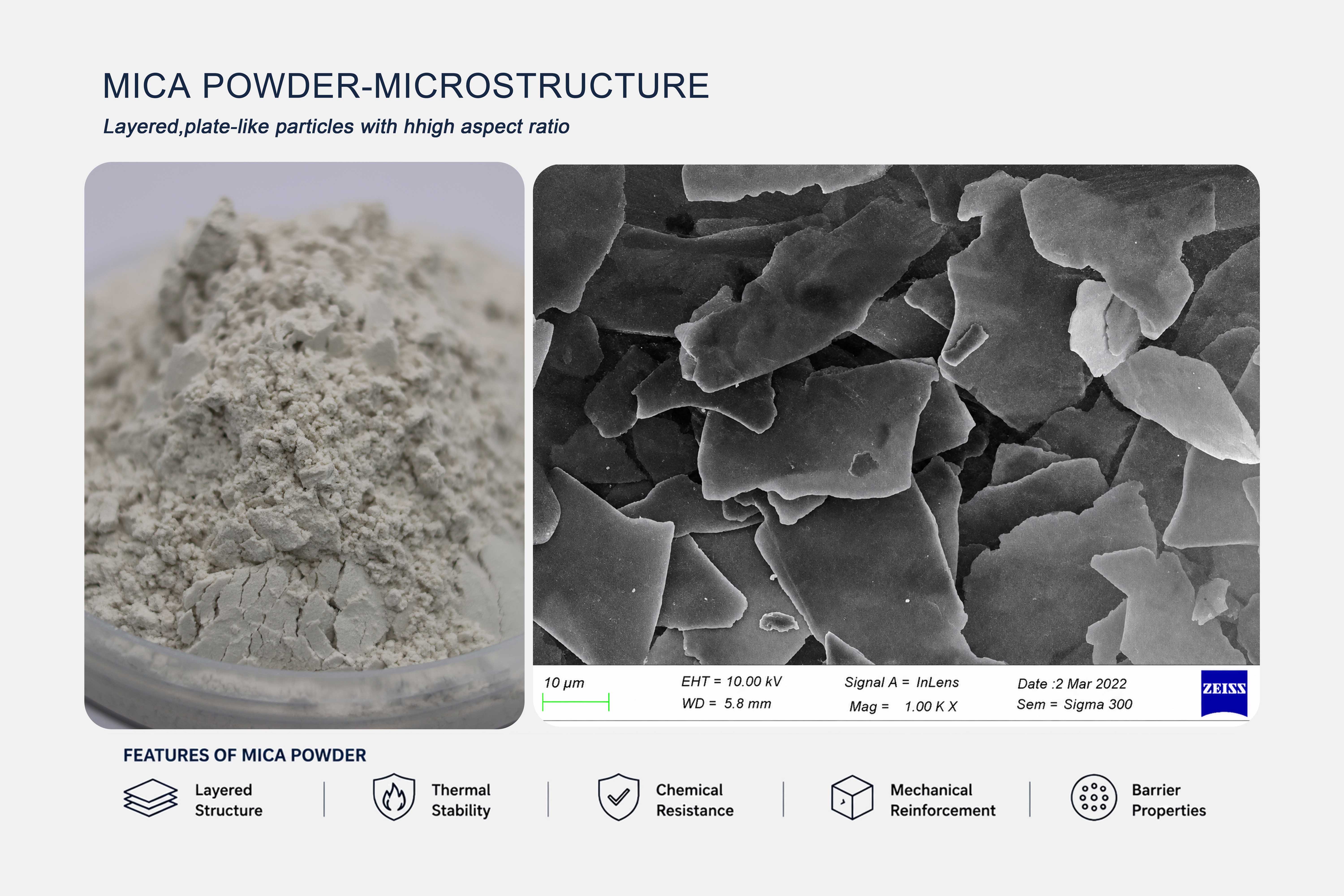
High-Quality Lepidolite Mica Powder from China Suppliers and Factory for Ceramics, Glass, and Industrial Applications
| Chemical Component | Typical Content | Description |
|---|---|---|
| SiO2 | 45% - 55% | Main silicate component |
| Al2O3 | 20% - 30% | Alumina component |
| Li2O | 2% - 3% | Typical lithium-bearing component, varies by ore |
| K2O | 6% - 11% | Typical mica alkali component |
| Na2O | 0.5% - 3% | Minor alkali component |
| Fe2O3 | 0.5% - 3% | Affects color and impurity level |
| MgO | 0.1% - 2% | Minor component |
| F | Varies | May exist in lepidolite structure |
| Loss on Ignition | Varies | Depends on ore and processing |
Frequently Asked Questions
Q: What is the primary source of lithium in this mineral composition?
The lithium content is represented by Li₂O, which typically ranges from 2% to 3%, depending on the specific grade and origin of the lithium-bearing mica ore.
Q: Which components constitute the major bulk of the ore?
Silicon Dioxide (SiO₂ at 45% - 55%) and Aluminum Oxide (Al₂O₃ at 20% - 30%) make up the primary structural silicate matrix of the material.
Q: How does the presence of Fe₂O₃ impact product quality?
Iron Oxide (Fe₂O₃), present at 0.5% - 3%, is a key coloring oxide and impurity element. Lower levels are preferred for high-purity industrial and chemical grade processing.
Q: Why is Fluorine (F) listed with varying amounts in the assay?
Fluorine is an isomorphic substitute commonly found in the crystal lattice structure of lepidolite and mica minerals; its concentration depends directly on local geological formation conditions.
Q: What does "Loss on Ignition" (LOI) indicate in this specification?
Loss on Ignition measures the percentage of volatile substances, crystal water, and organic matter lost when the material is subjected to high calcination temperatures.
Q: What role do K₂O and Na₂O play in the chemical evaluation?
K₂O (6% - 11%) and Na₂O (0.5% - 3%) represent the alkali metal content essential for characterizing the mineral as a mica-group silicate and assessing subsequent refining pathways.
This is a paragraph
This is a paragraph
This is a paragraph
This is a paragraph
This is a paragraph
This is a paragraph
This is a paragraph
This is a paragraph
This is a paragraph
This is a paragraph
This is a paragraph
-
This is a paragraph
-
This is a paragraph
-
This is a paragraph
-
This is a paragraph
-
This is a paragraph
-
This is a paragraph
-
This is a paragraph
-
This is a paragraph
This is a paragraph