Leave Your Message

High-Quality Mica Powder from China - Reliable Suppliers & Factory for Various Applications

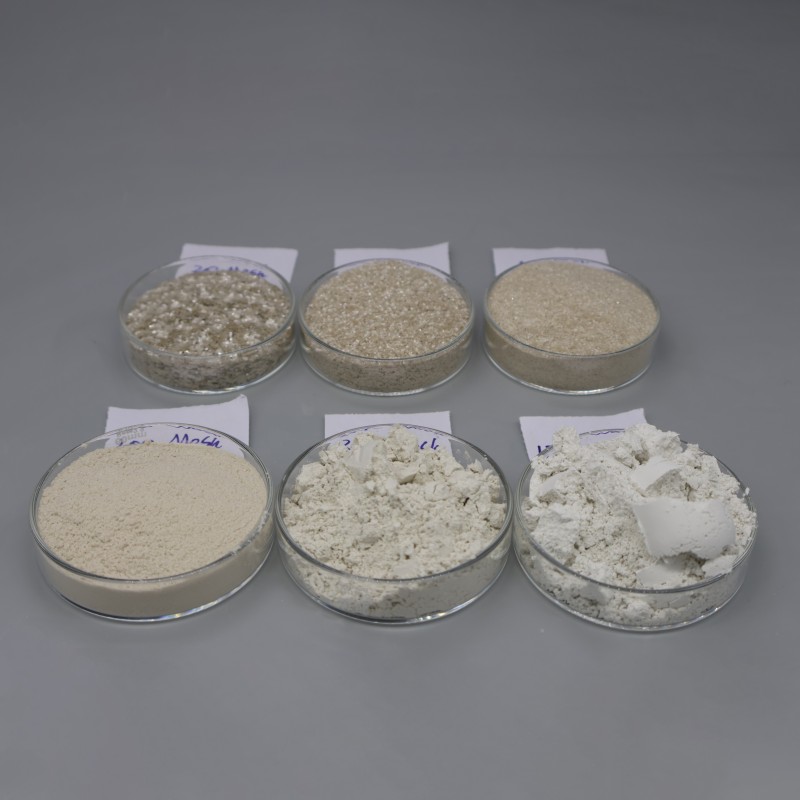
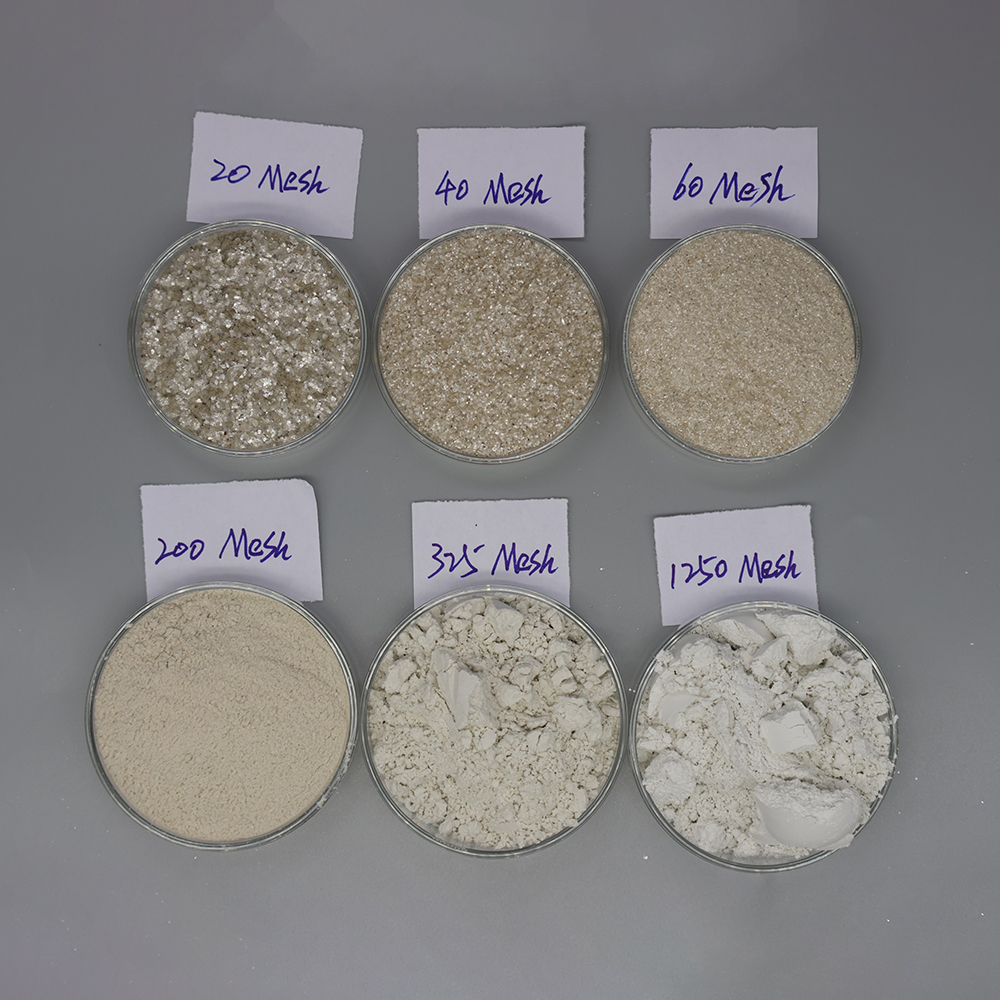
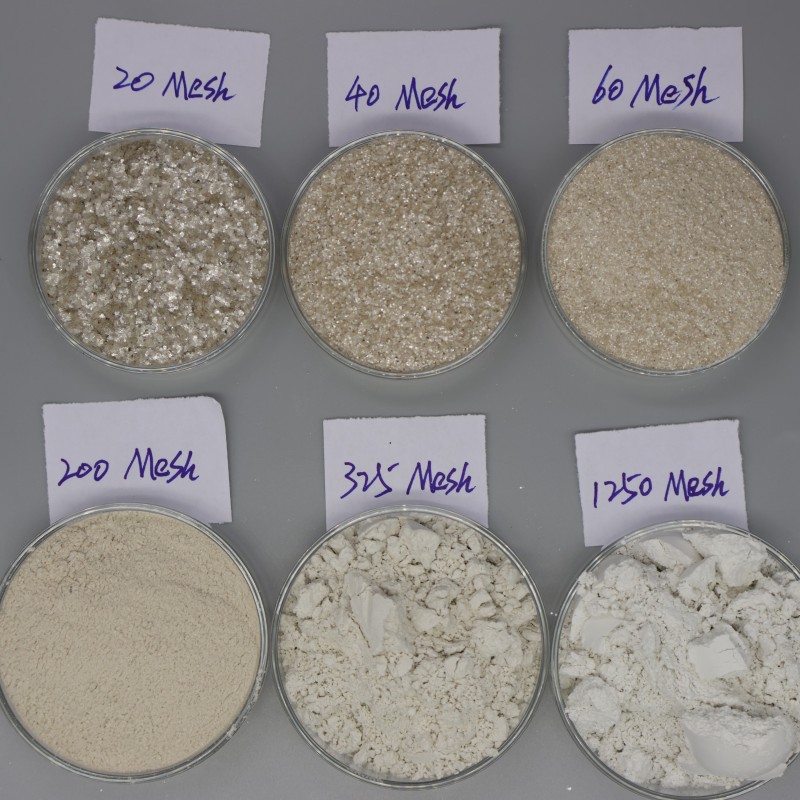
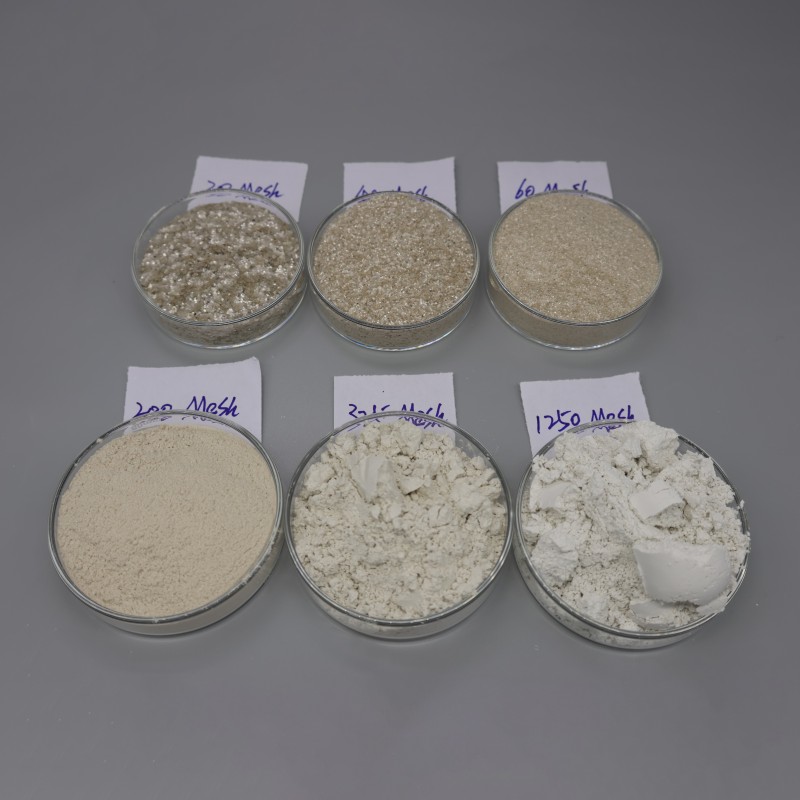
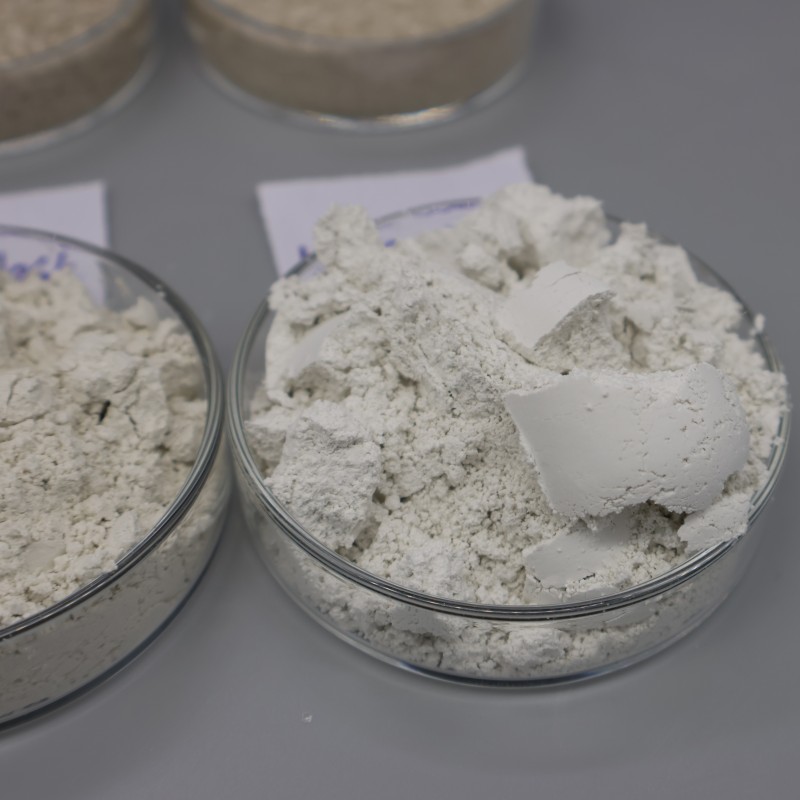
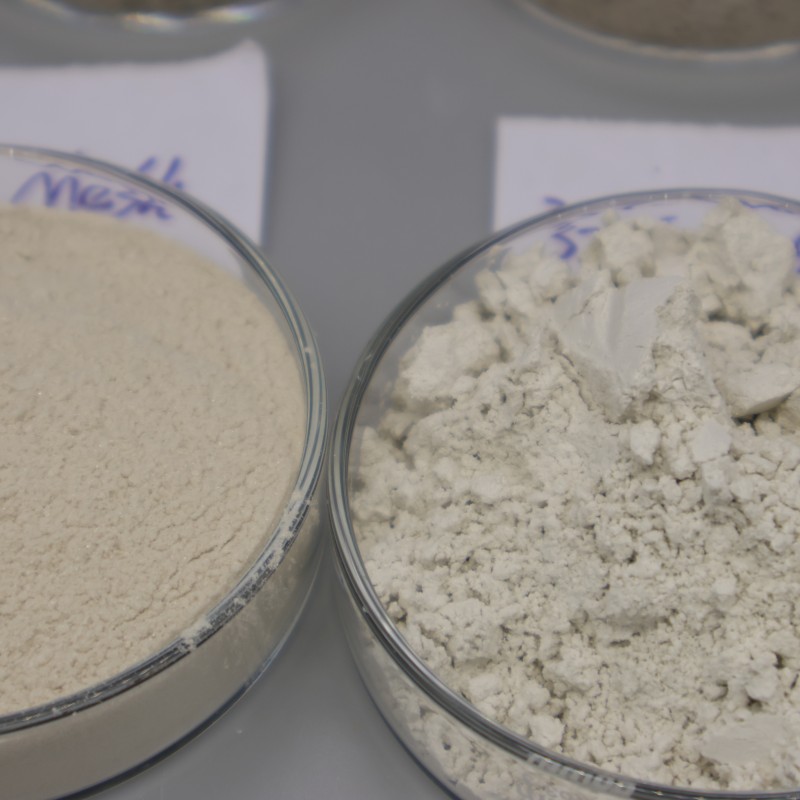
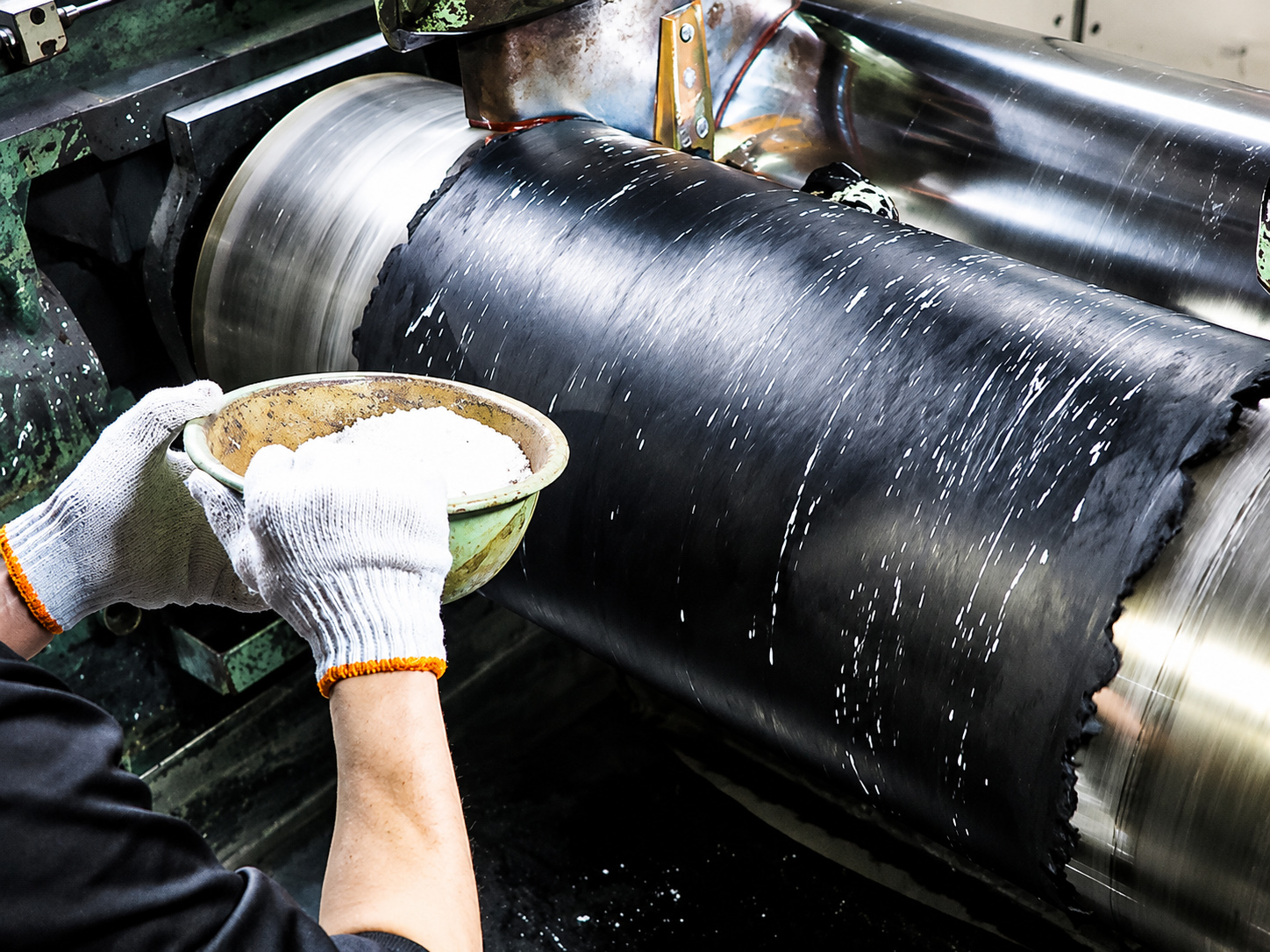
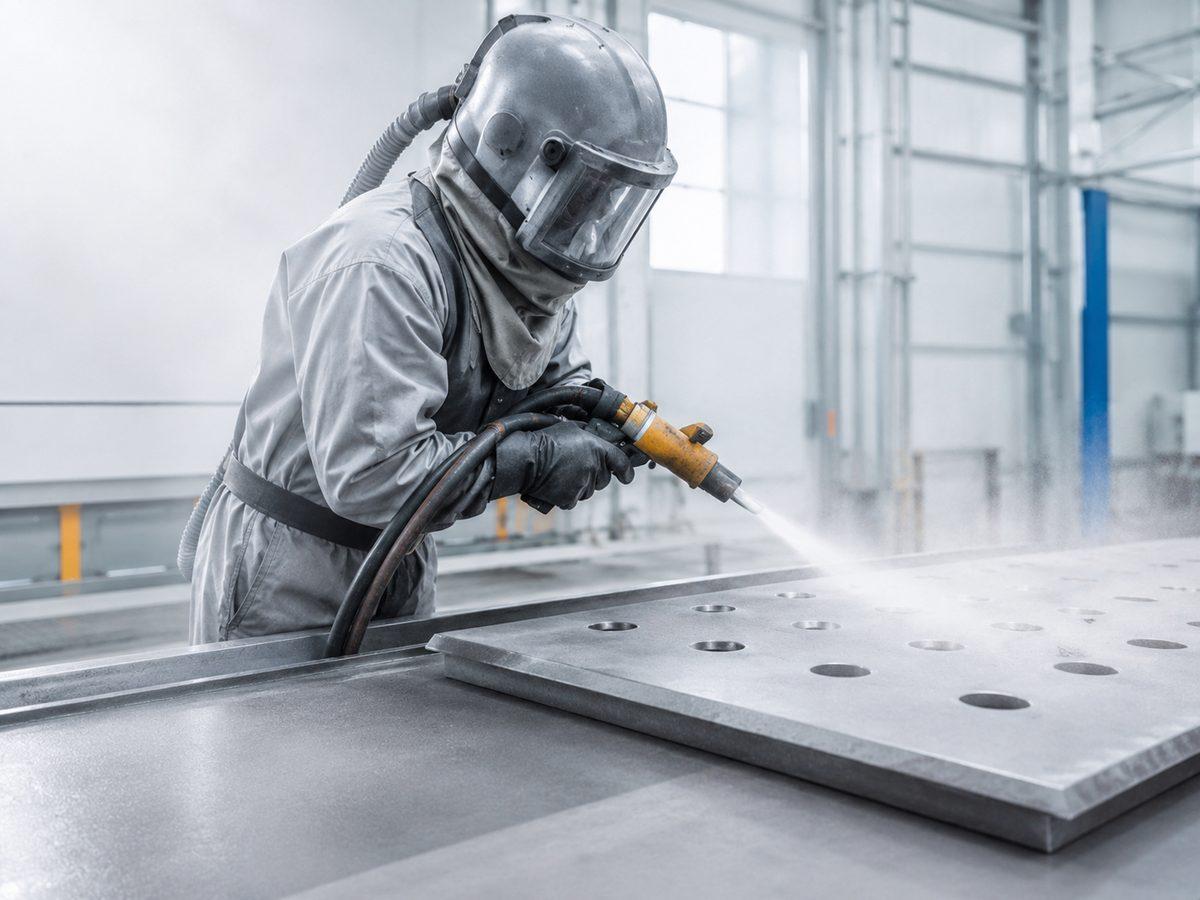
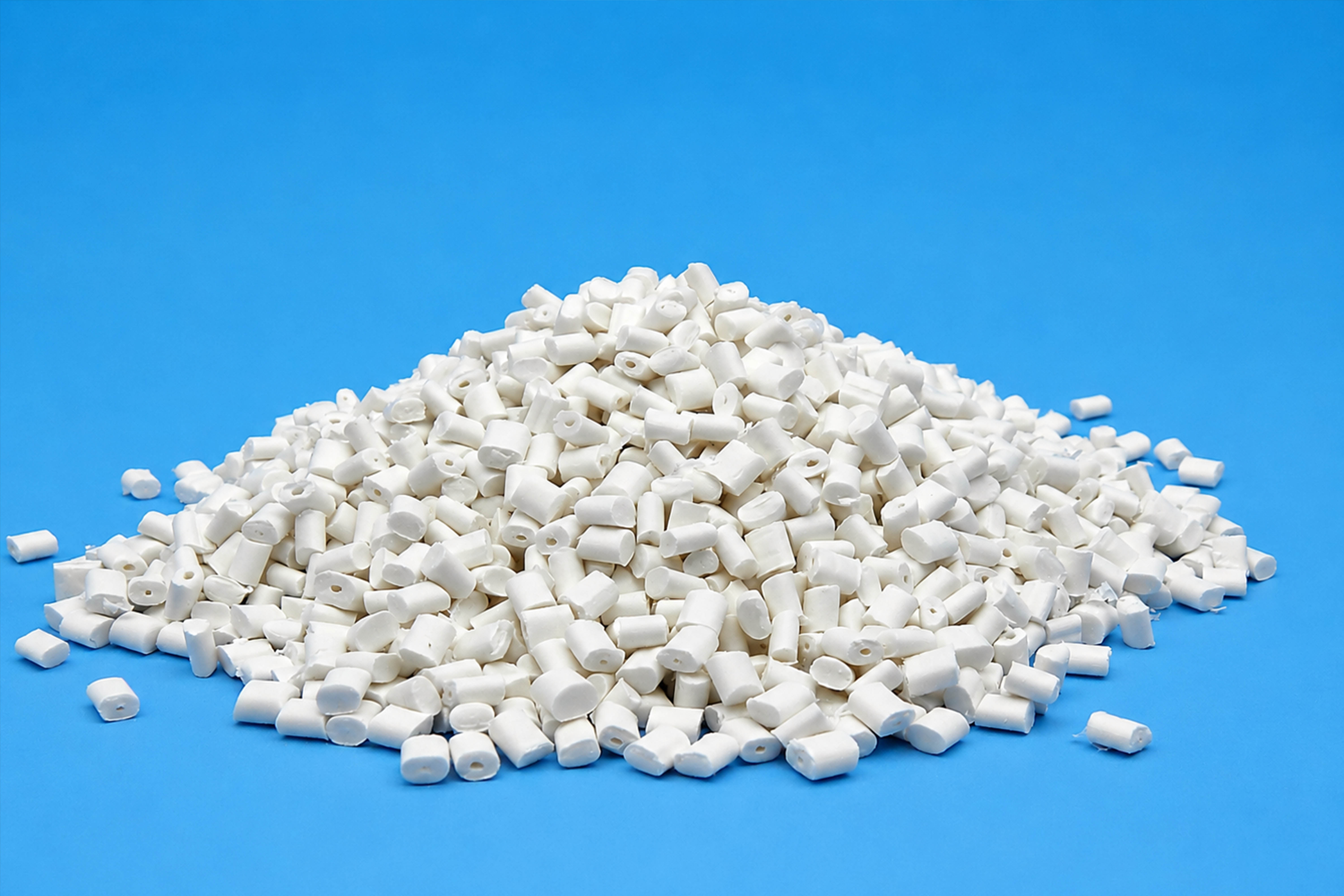
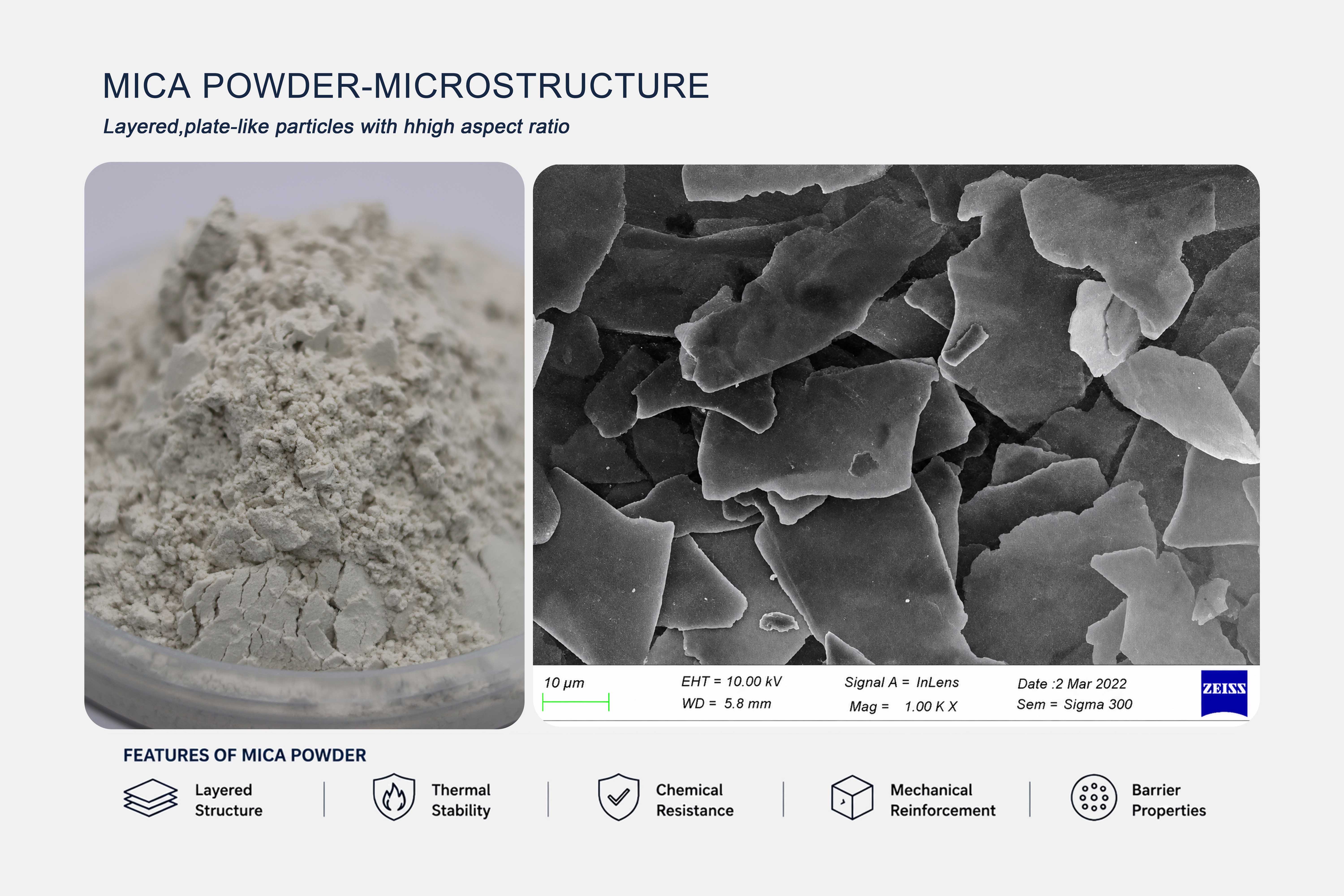
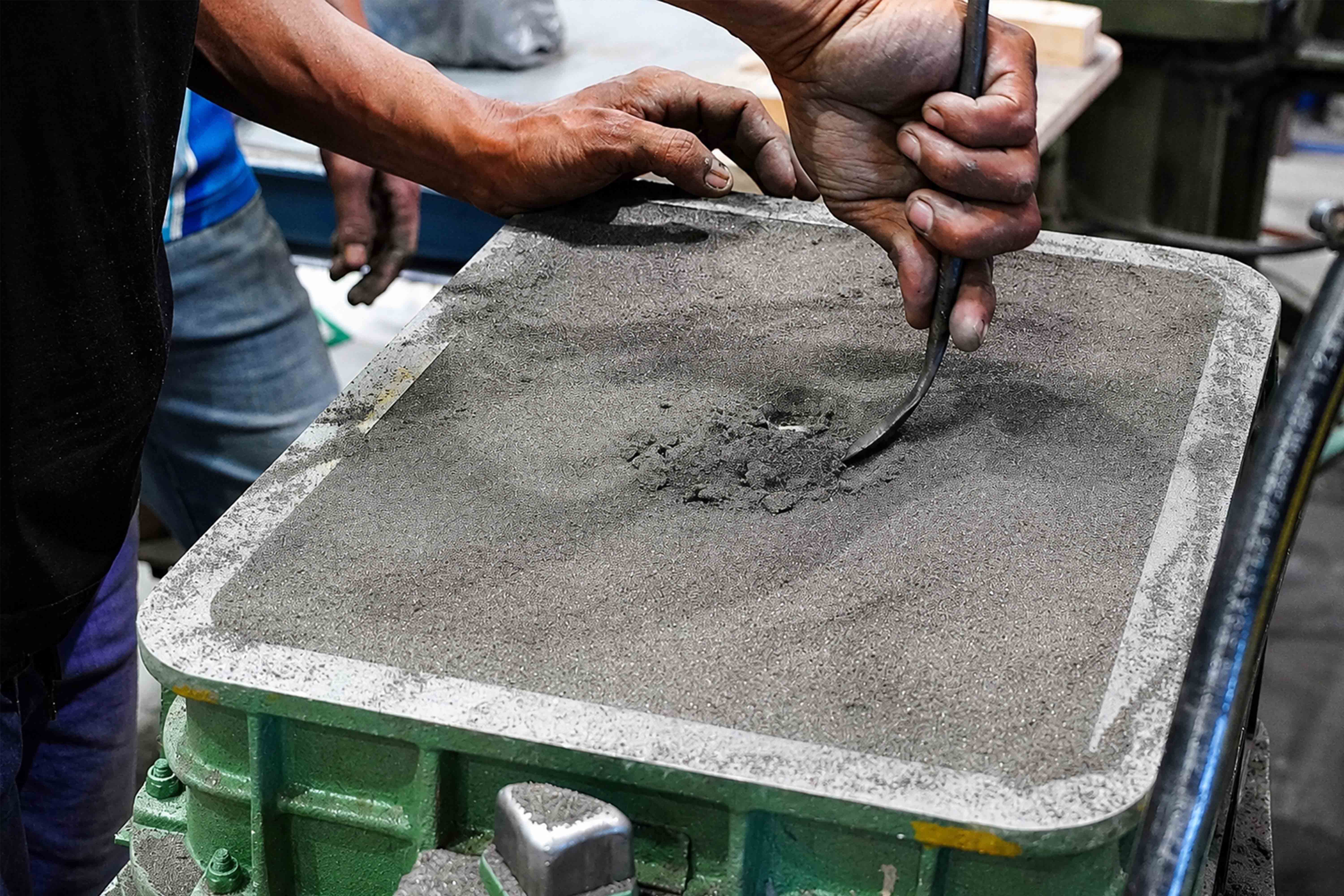
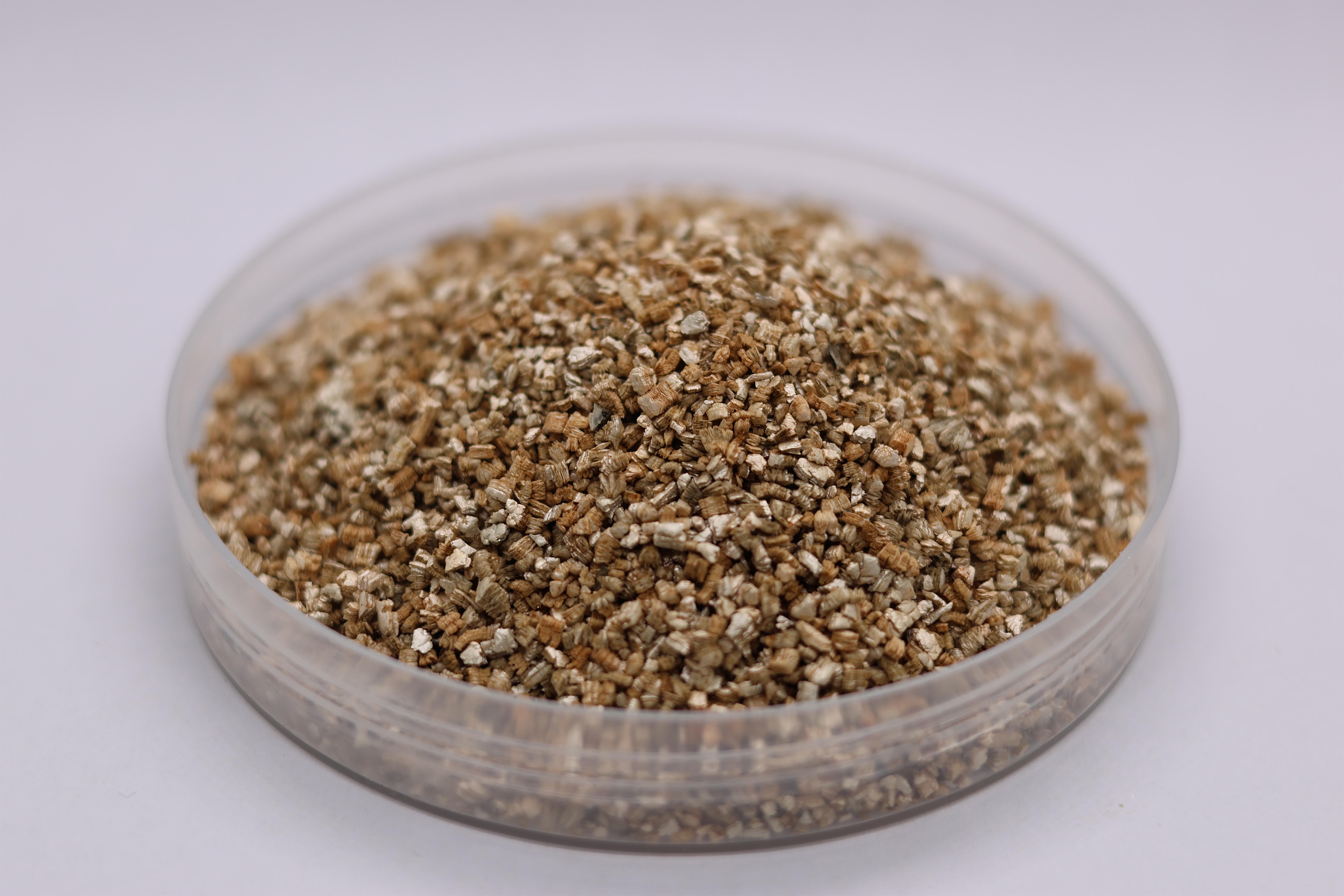
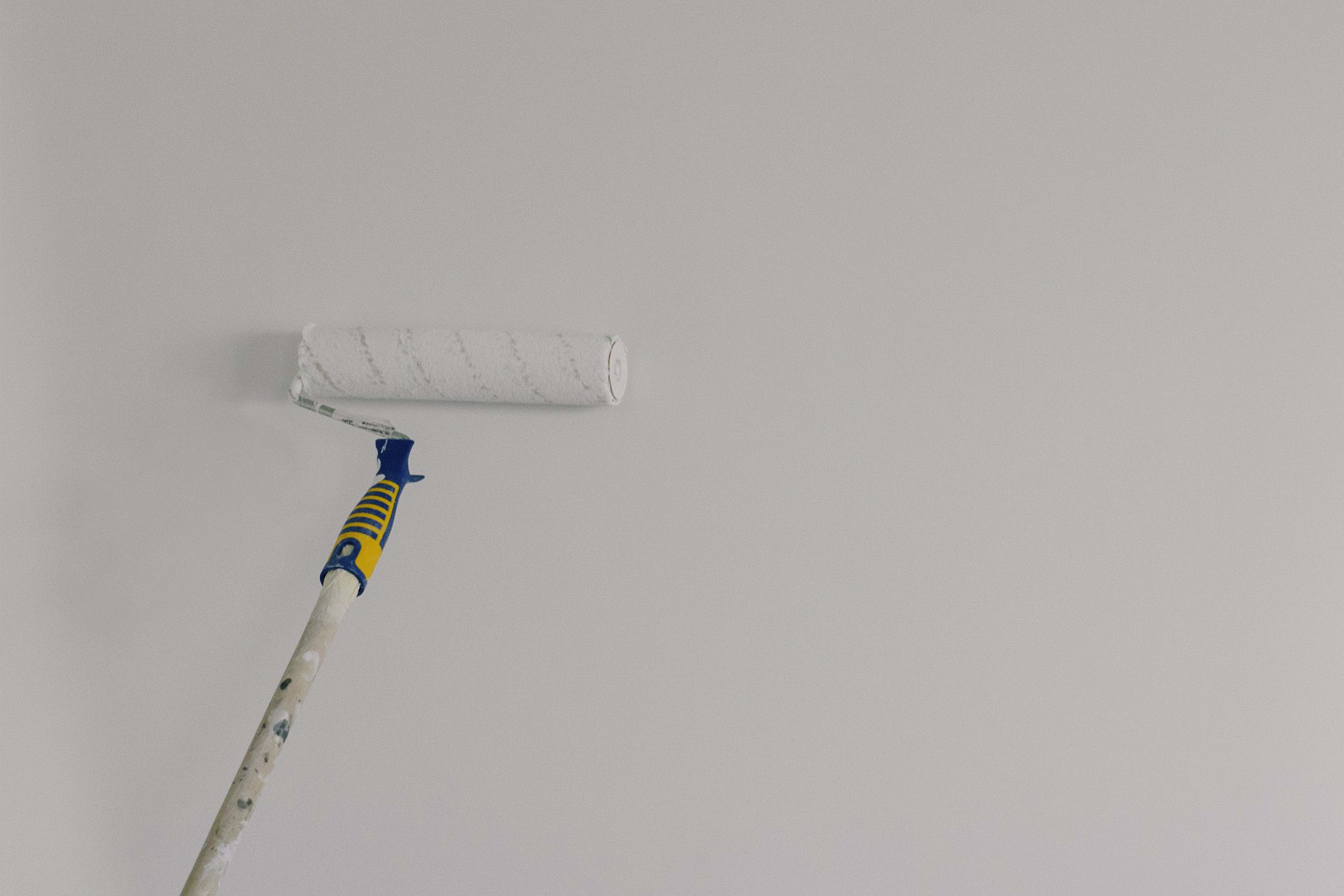
Mica powder is a versatile non-metallic mineral derived from natural mica, characterized by its unique layered crystal structure. This China-based mineral is famous for its outstanding flake morphology, excellent chemical stability, high-temperature resistance, electrical insulation properties, low thermal conductivity, and remarkable barrier performance. Due to these beneficial characteristics, mica powder is highly sought after as an essential ingredient in various industries, including coatings, paints, plastics, rubber, ceramics, construction materials, cosmetics, friction materials, welding materials, insulation materials, and more. As one of the leading suppliers in the mica industry, WANCHENG MINERAL offers a range of mica powder products, including muscovite mica powder, dry ground mica powder, wet ground mica powder, sericite mica powder, calcined mica powder, and colored mica powder, all produced in our state-of-the-art factory. Our mica products not only serve as cost-effective mineral fillers but also enhance performance applications. The natural flake structure of mica improves barrier properties, dimensional stability, anti-cracking performance, heat resistance, and surface smoothness. When used in coating systems, mica powder can effectively extend the penetration path for moisture and corrosive media. In plastics and rubber, it enhances stiffness, dimensional stability, and processing performance. Additionally, selected mica grades can elevate the aesthetic appeal in cosmetic and decorative applications with their smooth texture and pearlescent effects. For international industrial buyers, choosing the right mica powder from reputable suppliers is crucial. A product ideal for decorative coatings may not meet the requirements for engineering plastics, while cosmetic mica grades necessitate different purity, softness, color, and particle size preferences compared to industrial filler grades. WANCHENG MINERAL is committed to providing technical support, sample provisions, customized packaging options, and a reliable bulk supply for our global customers. Choose WANCHENG MINERAL as your trusted partner for high-quality mica powder solutions from China.

    This is a paragraph

    This is a paragraph

    This is a paragraph

    Chemical Composition & Specifications
    Chemical Component Typical Content Description
    SiO2 40% - 50% Main silicate component
    Al2O3 20% - 38% Main alumina component
    K2O 6% - 11% Typical mica alkali component
    Fe2O3 0.5% - 6% Varies by mica type and color
    MgO 0.5% - 5% Varies by mica type
    CaO < 2% Minor component
    Na2O < 1.5% Minor alkali component
    Loss on Ignition Varies by grade Depends on mineral type and processing
    Frequently Asked Questions
    Q What are the primary chemical constituents in mica?

    The dominant chemical components are Silicon Dioxide (SiO2, 40%-50%) and Aluminum Oxide (Al2O3, 20%-38%), which provide the fundamental silicate sheet structure and high thermal stability.

    Q Why does the content of Fe2O3 vary between grades?

    Iron oxide (Fe2O3) content ranges from 0.5% to 6% depending on the mica mineral variety (e.g., muscovite typically has lower iron than phlogopite or biotite), directly influencing the material's color and electrical resistivity.

    Q What is the significance of the K2O content?

    Potassium oxide (K2O) typically constitutes 6% to 11% and acts as an interlayer cation that binds the aluminosilicate sheets together, defining the cleavage and mechanical characteristics of the mineral.

    Q What does "Loss on Ignition" (LOI) indicate in mica analysis?

    Loss on Ignition measures the release of volatile substances and chemically bound hydroxyl (OH) water when the material is subjected to high temperatures, serving as an indicator of purity and processing quality.

    Q How do minor oxides like CaO and Na2O affect performance?

    Calcium (CaO < 2%) and Sodium (Na2O < 1.5%) oxides occur in trace amounts. Low levels ensure that the mica retains high dielectric strength, superior chemical inertness, and thermal stability in sensitive applications.

    This is a paragraph

    This is a paragraph

    This is a paragraph

    This is a paragraph

    This is a paragraph

    This is a paragraph

    This is a paragraph

    This is a paragraph

    This is a paragraph

    This is a paragraph

    This is a paragraph

    This is a paragraph

    This is a paragraph

    This is a paragraph

    This is a paragraph

    Application Image Grid Placeholder

    FAQ

    • This is a paragraph

    • This is a paragraph

    • This is a paragraph

    • This is a paragraph

    • This is a paragraph

    • This is a paragraph

    • This is a paragraph

    • This is a paragraph

      This is a paragraph

    This is a paragraph

    This is a paragraph

    This is a paragraph
    This is a paragraph