Leave Your Message

High-Quality Mica Powder from China Suppliers and Factory for Diverse Industrial Applications

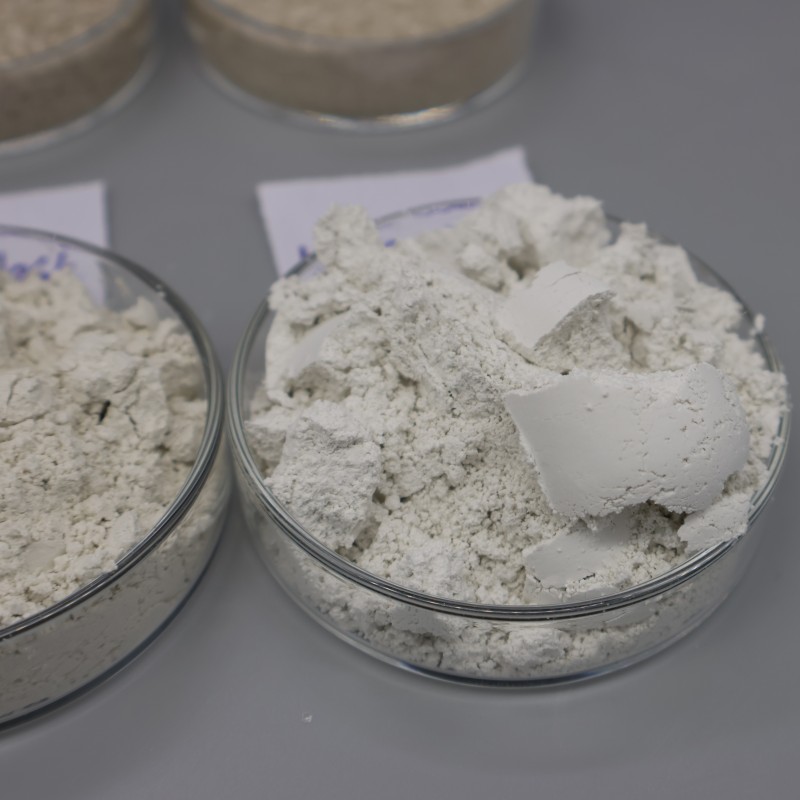
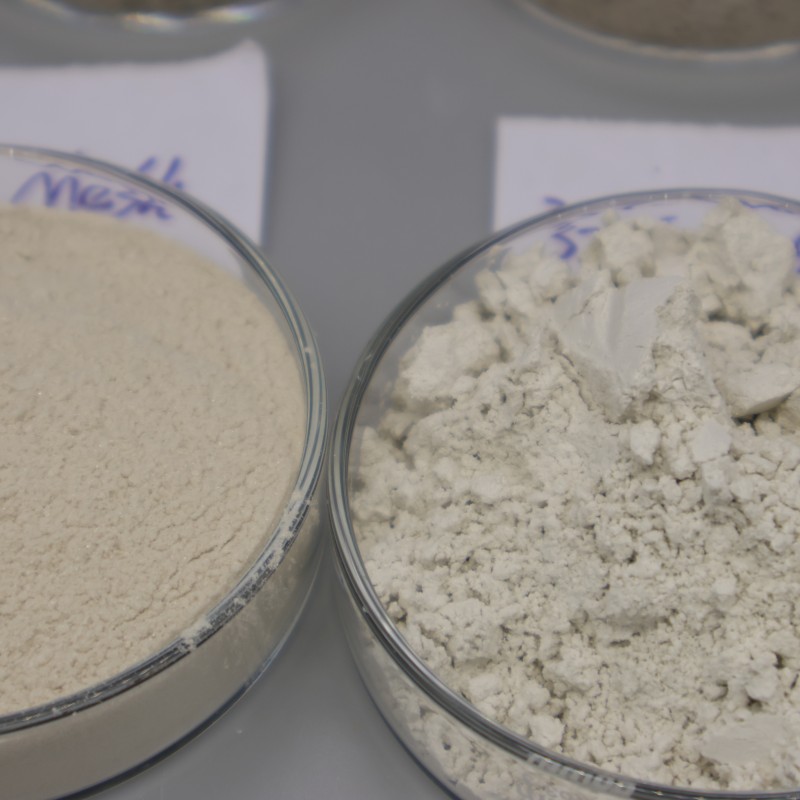
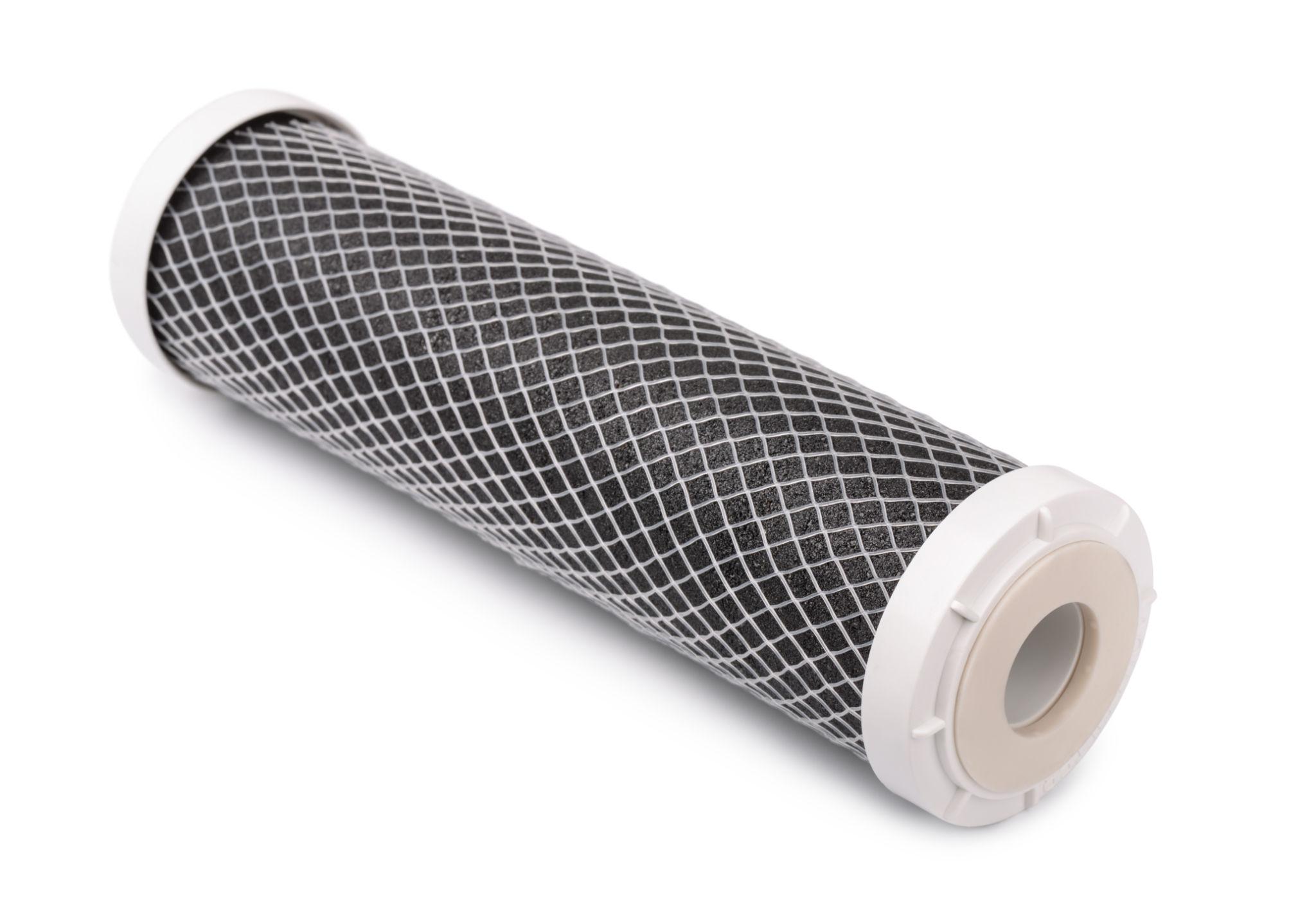
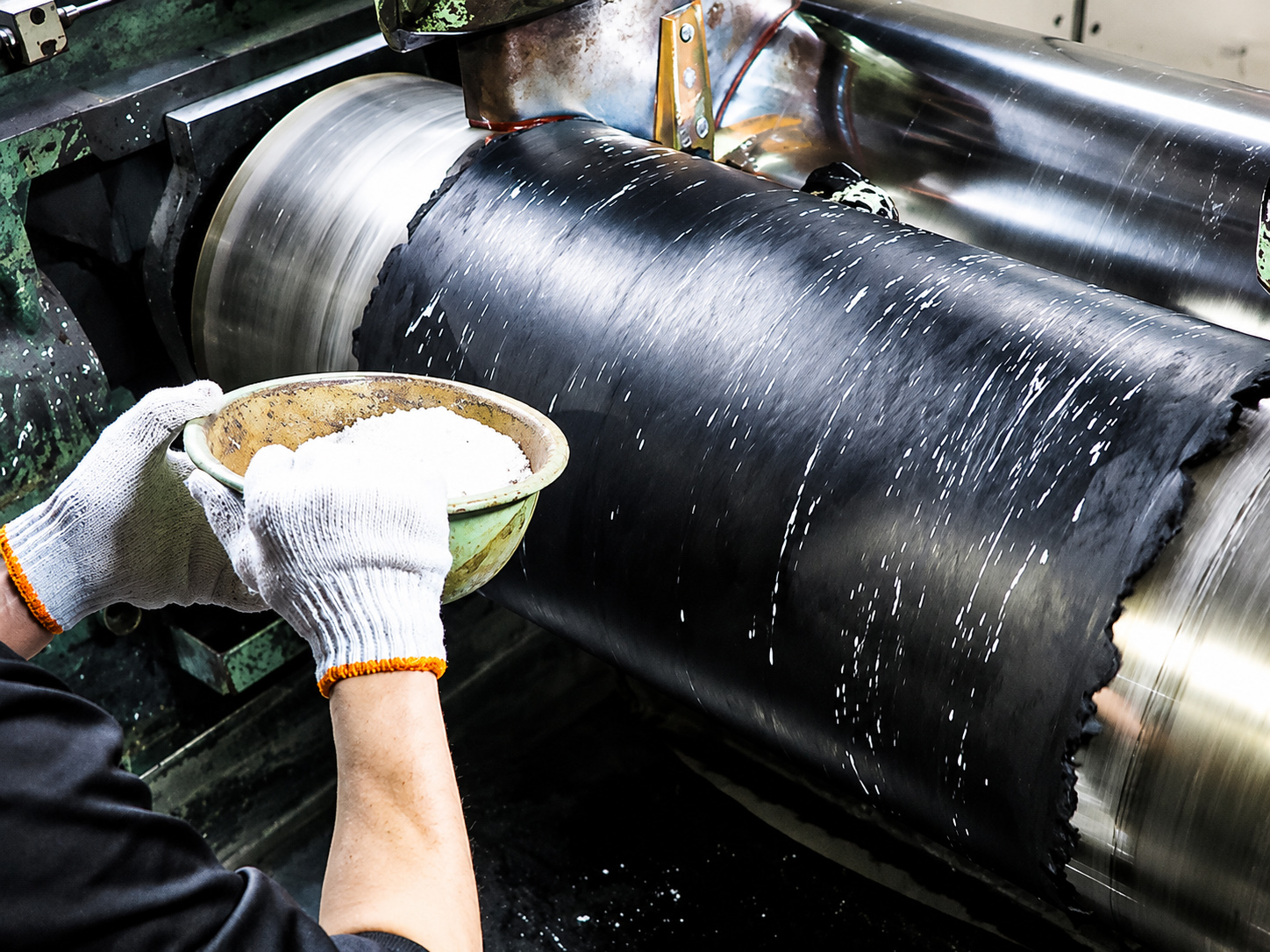
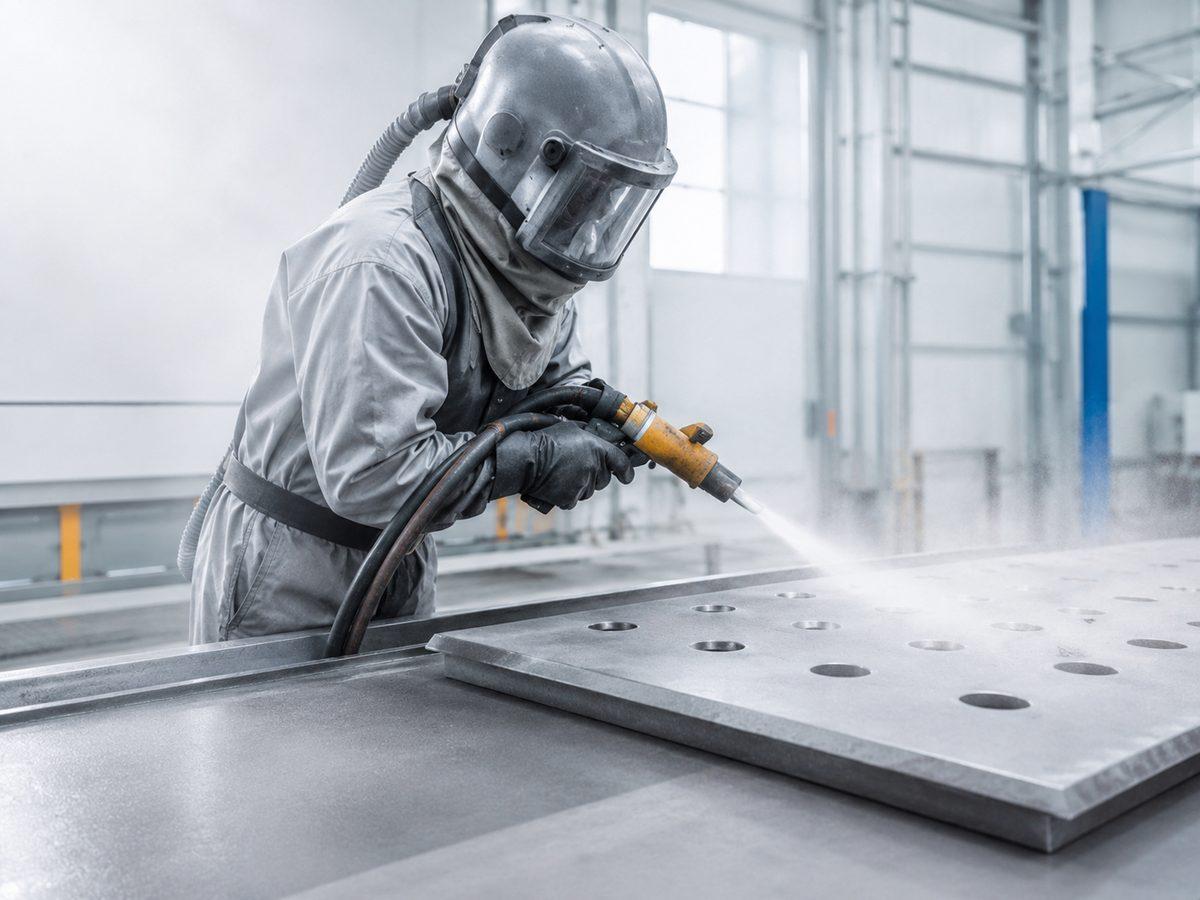
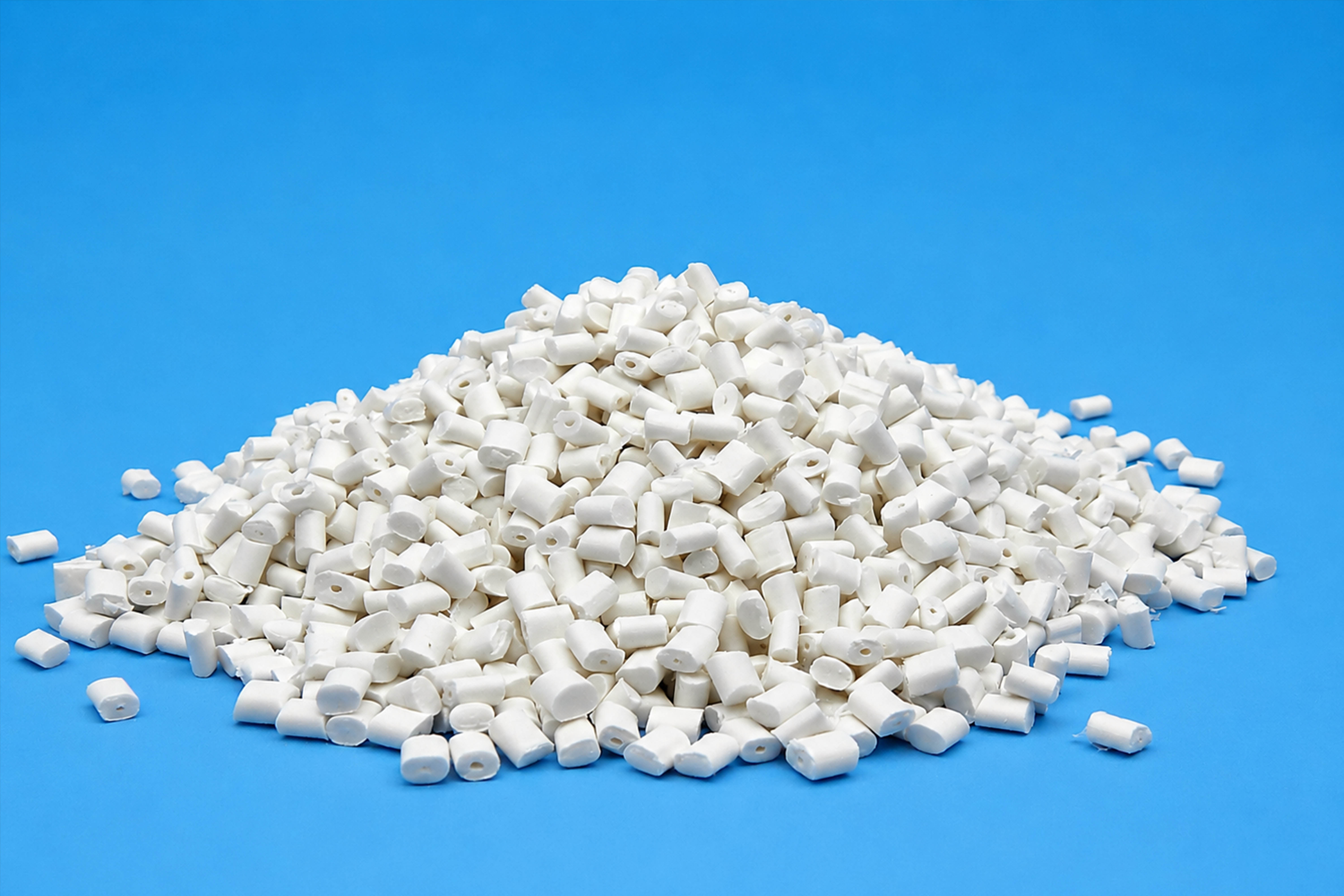
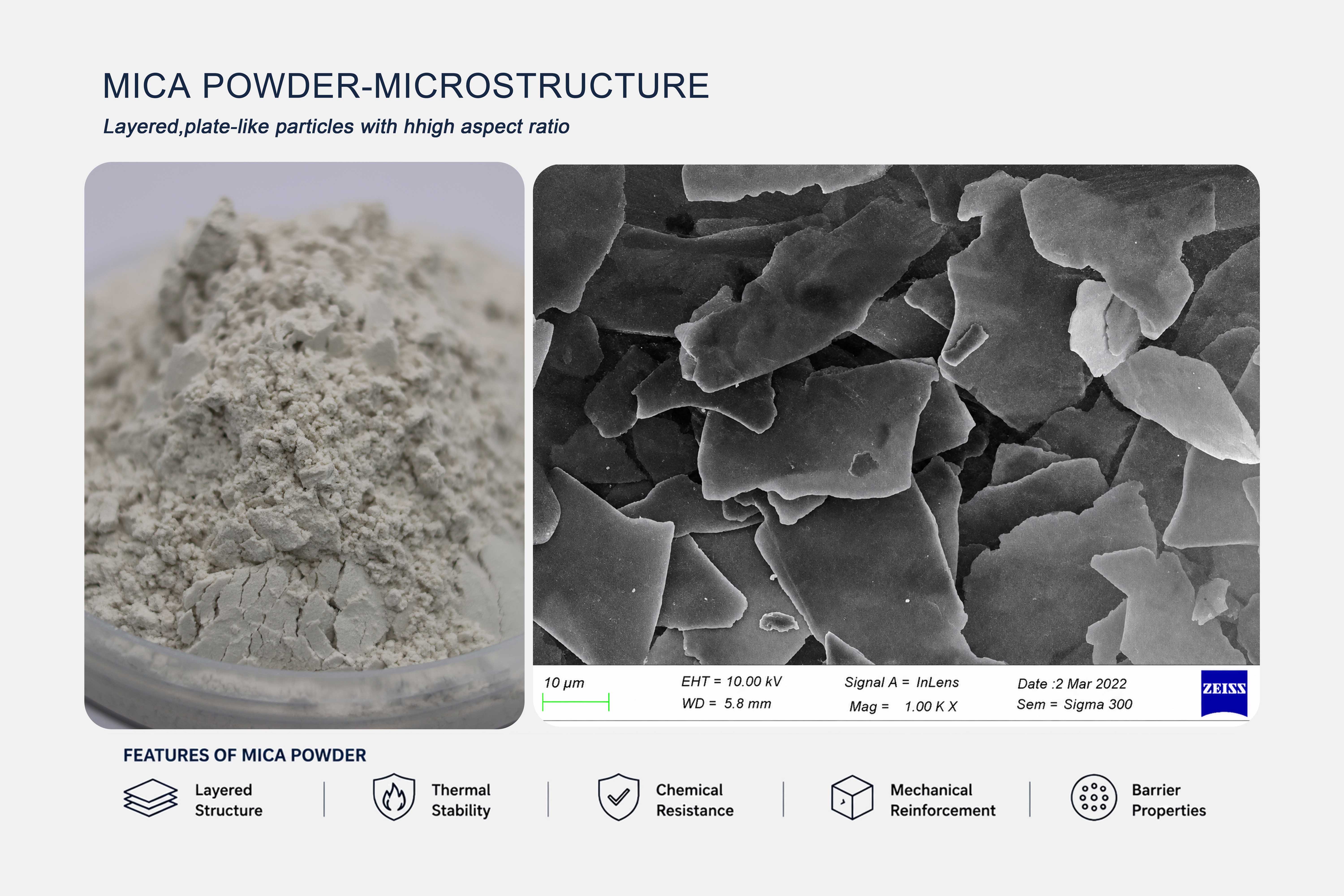
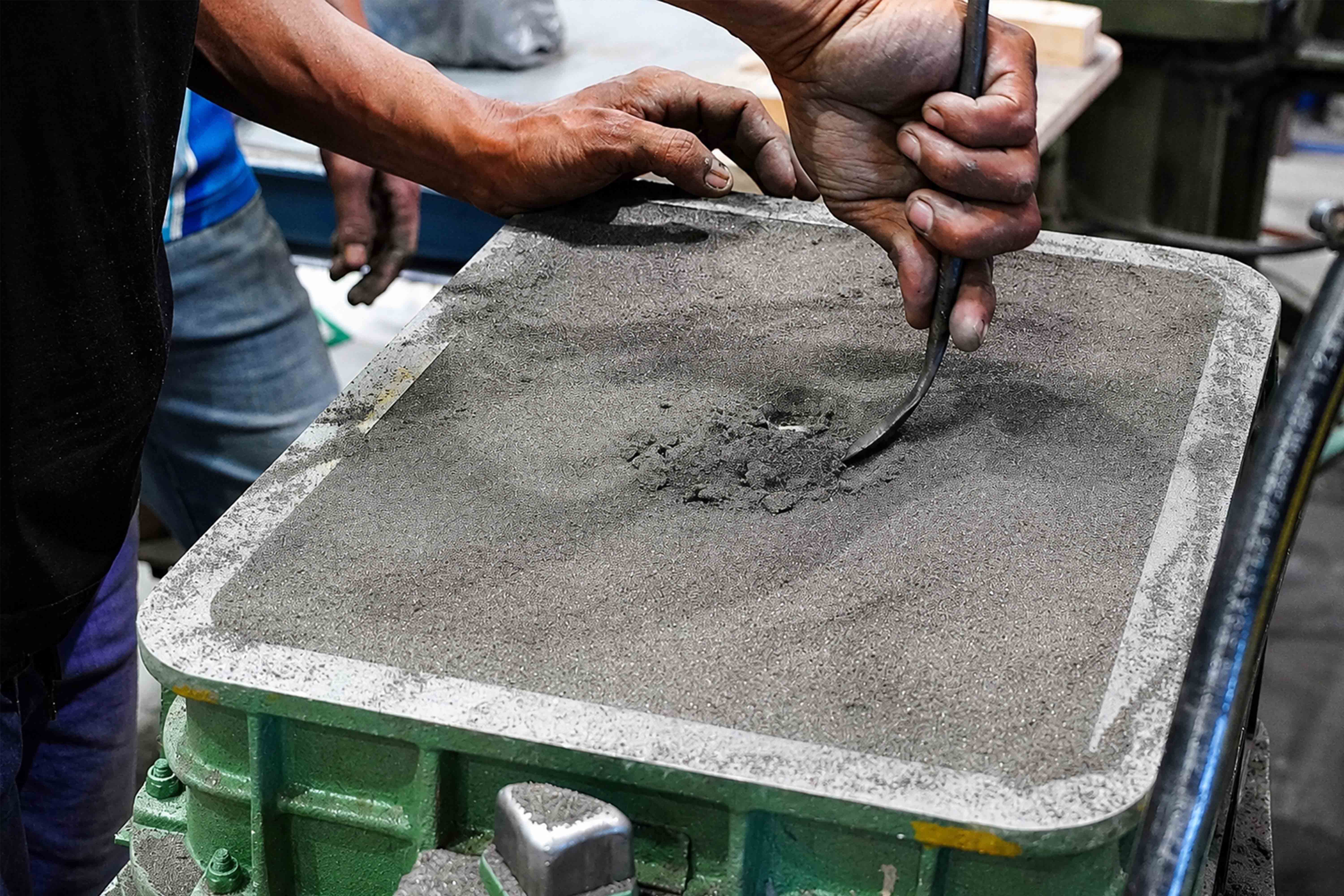
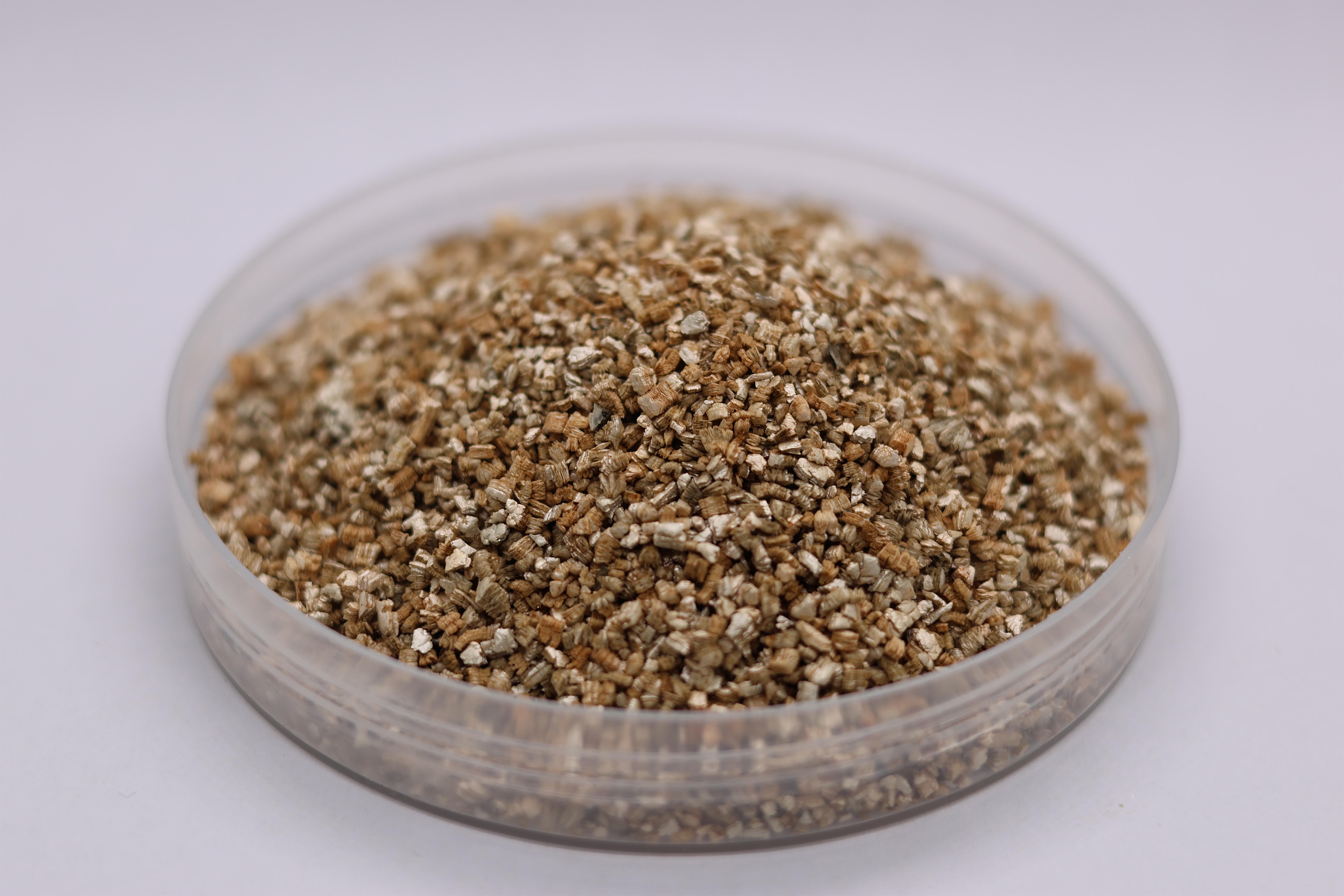
Mica powder, a high-performance non-metallic mineral material, is derived from natural mica minerals and is characterized by its unique layered crystal structure. This versatile powder boasts excellent flake morphology, remarkable chemical stability, high temperature resistance, electrical insulation, low thermal conductivity, and outstanding barrier performance. As a result, mica powder is widely utilized across various industries, including coatings, paints, plastics, rubber, ceramics, construction materials, cosmetics, friction materials, welding materials, insulation materials, and more.

As a mineral filler, mica powder offers significant benefits not only for cost control but also for enhancing product performance. Its natural flake structure improves barrier properties, dimensional stability, anti-cracking capabilities, heat resistance, and surface smoothness. In coating systems, mica powder effectively extends the penetration path for moisture and corrosive elements. In plastics and rubber, it enhances stiffness and processing characteristics. For cosmetic uses, certain grades of mica powder impart a smooth texture and beautiful pearlescent effects.

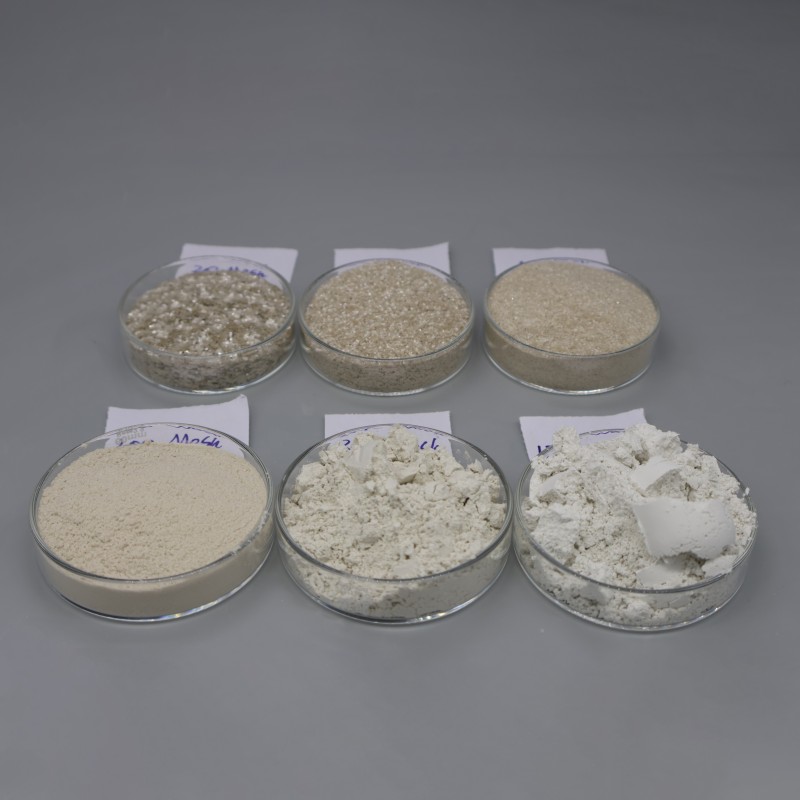
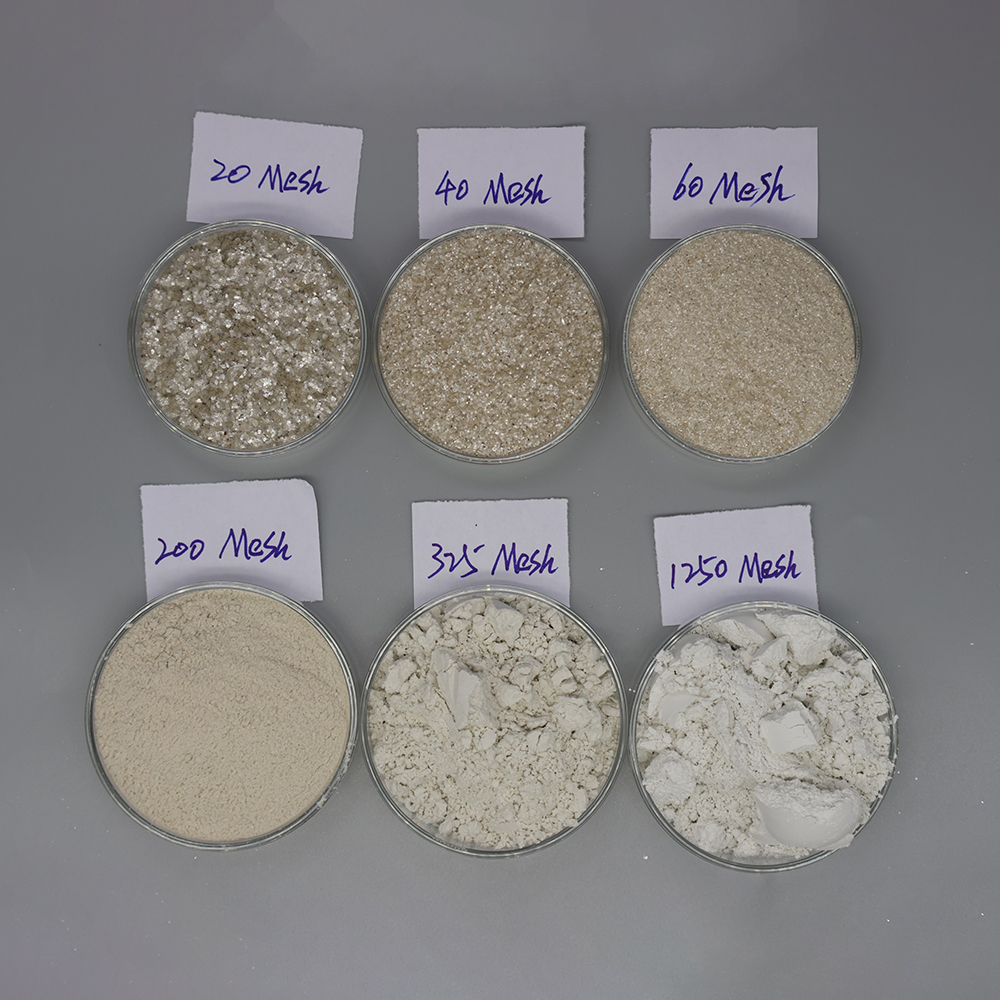
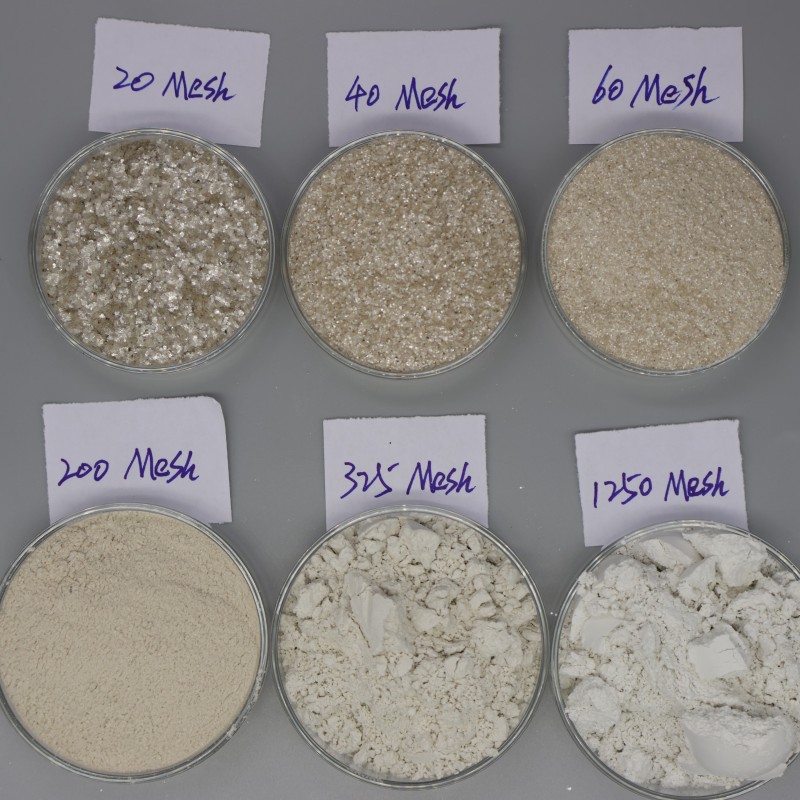
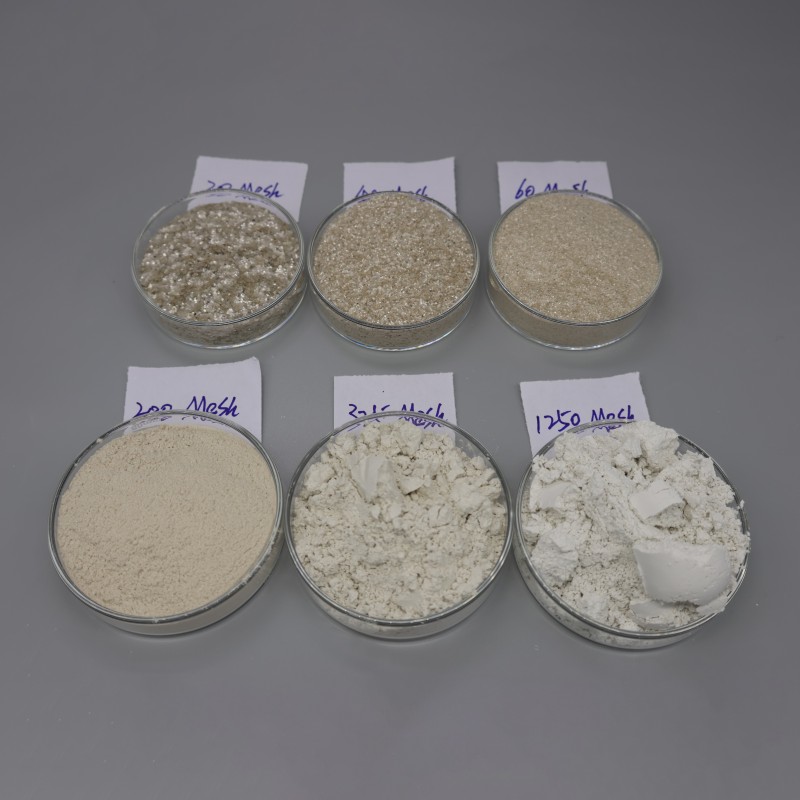
WANCHENG MINERAL, a leading mica powder supplier in China, offers a diverse range of mica powder products, including muscovite mica powder, dry ground mica powder, wet ground mica powder, sericite mica powder, calcined mica powder, and colored mica powder, in addition to customized solutions tailored to specific needs. Different production methods yield various particle shapes, brightness, purity levels, and surface properties, allowing customers to select the ideal grades based on application requirements, particle size, whiteness, oil absorption, aspect ratio, and formulation criteria.

For international industrial buyers, selecting the right mica powder is crucial. A grade designed for decorative coatings may not perform optimally in engineering plastics, and the purity, softness, color, and particle size specifications for cosmetic mica may differ from those needed for industrial filler grades. WANCHENG MINERAL, a trusted mica factory, provides comprehensive technical support, sample assistance, customized packaging options, and reliable bulk supply, ensuring that global customers receive the right mica powder solutions for their specific applications.

    This is a paragraph

    This is a paragraph

    This is a paragraph

    Chemical Component Typical Content Description
    SiO2 40% - 50% Main silicate component
    Al2O3 20% - 38% Main alumina component
    K2O 6% - 11% Typical mica alkali component
    Fe2O3 0.5% - 6% Varies by mica type and color
    MgO 0.5% - 5% Varies by mica type
    CaO < 2% Minor component
    Na2O < 1.5% Minor alkali component
    Loss on Ignition Varies by grade Depends on mineral type and processing
    Frequently Asked Questions
    Q What are the primary chemical components of mica?

    The dominant chemical components are Silicon Dioxide (SiO2, 40% - 50%) and Aluminum Oxide (Al2O3, 20% - 38%), which together form the structural aluminosilicate matrix characteristic of natural mica.

    Q Why do Fe2O3 and MgO proportions vary in the composition?

    The levels of Iron (Fe2O3) and Magnesium (MgO) differ according to the geological origin and specific mica type (such as Muscovite vs. Phlogopite), which also influences the material's color and dielectric properties.

    Q What role does K2O play in mica mineral properties?

    Potassium Oxide (K2O, 6% - 11%) serves as the interlayer cation holding the silicate sheets together, contributing to mica's distinct basal cleavage, high dielectric strength, and thermal resistance.

    Q What does "Loss on Ignition" (LOI) indicate in this specification?

    Loss on Ignition measures the percentage of volatile substances, primarily structural moisture (hydroxyl groups) and any minor trace volatiles, lost when the mineral is heated under standard test temperatures.

    Q Do trace levels of CaO and Na2O affect industrial application performance?

    No, trace amounts of Calcium Oxide (< 2%) and Sodium Oxide (< 1.5%) are typical natural impurities that do not compromise performance in coatings, plastics, construction, or electrical insulation grades.

    This is a paragraph

    This is a paragraph

    This is a paragraph

    This is a paragraph

    This is a paragraph

    This is a paragraph

    This is a paragraph

    This is a paragraph

    This is a paragraph

    This is a paragraph

    This is a paragraph

    This is a paragraph

    This is a paragraph

    This is a paragraph

    This is a paragraph

    Application Image Grid Placeholder

    FAQ

    • This is a paragraph

    • This is a paragraph

    • This is a paragraph

    • This is a paragraph

    • This is a paragraph

    • This is a paragraph

    • This is a paragraph

    • This is a paragraph

      This is a paragraph

    This is a paragraph

    This is a paragraph

    This is a paragraph
    This is a paragraph